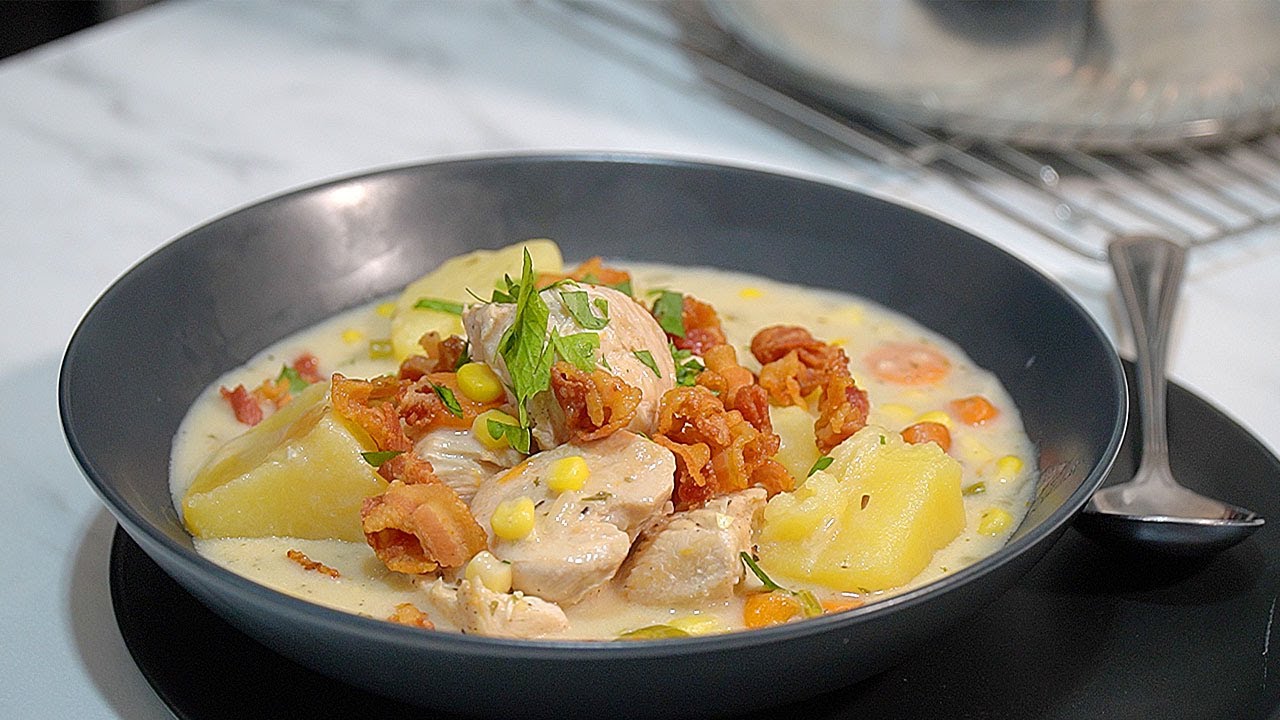
Chicken Chowder Recipe: There is something almost magical about a bowl of chicken chowder. It is rich without being too heavy, hearty without feeling complicated, and familiar in a way that instantly makes a meal feel warm and welcoming.
Think of it as the cozy sweater of homemade food. It wraps you up, slows the day down, and gives you that deeply satisfying feeling that only a homemade soup can deliver.
Unlike a thin broth-based chicken soup, chowder has body. It is creamy, thick, and packed with texture, which makes every spoonful feel like a complete meal rather than a simple starter.
That is exactly what this guide is built to help you create. Not just a pot of soup, but a truly satisfying homemade chicken chowder recipe with clear steps, dependable results, and a flavor profile that feels comforting from the first bite to the last.
Why This Recipe Works for Home Cooks
A great recipe should do more than look good on paper. It should make sense in a real kitchen, with real ingredients, normal cookware, and the kind of timing that works on an ordinary day. That is why this step-by-step chicken chowder recipe is designed for home cooks who want strong results without needing professional training or hard-to-find ingredients. Every stage builds logically on the one before it, so instead of feeling like you are juggling ten things at once, you can move through the recipe with confidence.
One reason this method works so well is that it layers flavor gradually. Rather than tossing everything into one pot and hoping for the best, you begin by cooking aromatics like onion, celery, and garlic. That first step creates the savory base that gives the chowder its depth. After that, the chicken simmers in broth so it becomes tender while also helping flavor the liquid. Then the potatoes release starch as they cook, naturally adding body to the chowder. Finally, the dairy is stirred in near the end so the soup stays creamy and smooth instead of separating or curdling. Every part of the process has a purpose.
Another advantage is flexibility. This recipe gives you structure, but it also leaves room for smart substitutions. You can use chicken breast or thigh meat. You can adjust the thickness by changing the flour or cream ratio. You can add corn, bacon, or herbs depending on the flavor direction you prefer. So even though it is a professional-style recipe in terms of results, it still feels forgiving. That is a big deal in home cooking, because the best recipes are not the ones that demand perfection. They are the ones that help you recover, adapt, and still end up with something delicious.
Most importantly, this recipe keeps the ingredients list clear and the instructions practical. You are not guessing when to add what. You are not left wondering why the broth turned thin or why the potatoes went mushy. Each step is there to guide texture, flavor, and consistency. That is what makes this a reliable chicken chowder guide and, more importantly, a recipe worth saving for repeat use.
Ingredients You’ll Need
Below is the full ingredient list for this recipe. These amounts make about 6 servings of hearty chicken chowder.
Ingredients You’ll Need:
- 2 tablespoons butter
- 1 tablespoon olive oil
- 1 medium yellow onion, finely chopped
- 2 celery stalks, diced
- 2 medium carrots, diced
- 3 garlic cloves, minced
- 1 pound boneless, skinless chicken breast or thighs, diced
- 4 cups chicken broth
- 2 cups potatoes, peeled and diced
- 1 cup corn kernels fresh, frozen, or canned and drained
- 1 teaspoon salt or to taste
- 1/2 teaspoon black pepper
- 1 teaspoon dried thyme
- 1/2 teaspoon dried parsley
- 1/4 teaspoon smoked paprika optional
- 3 tablespoons all-purpose flour
- 1 1/2 cups whole milk
- 1 cup heavy cream
- 1 cup shredded cheddar cheese optional for extra richness
- 2 tablespoons chopped fresh parsley
- 1 bay leaf
- 1 tablespoon lemon juice optional, for brightness
This mix gives you a chowder that is creamy, savory, and balanced. The potatoes help build that signature thickness, while the chicken adds substance and turns the soup into a complete meal. The vegetables do more than fill space. Onion, celery, and carrot create that classic aromatic base that gives the entire dish its backbone. Corn adds bursts of sweetness that contrast beautifully with the savory creaminess of the broth. Then the milk and cream step in to deliver the velvety finish people expect from a chowder.
What is nice about this ingredient list is that it feels practical. Most of these items are pantry or fridge staples, which means you can make this dish without planning a special grocery trip every time. That is one reason easy chicken chowder recipes stay so popular. They give you comfort and flavor without requiring a complicated shopping list or advanced prep techniques.
Chicken and Protein Base
The chicken is not just another ingredient in this recipe. It is the backbone of the chowder’s hearty, satisfying character. Choosing the right cut can influence both flavor and texture, so it helps to understand what each option brings to the pot. Chicken breast is lean, mild, and easy to cube neatly, which makes it a popular choice for a cleaner and lighter-style chowder. Chicken thighs, on the other hand, bring more richness and tend to stay juicy even if they simmer a little longer. If you want a chowder with extra depth and a slightly more savory finish, thighs are hard to beat.
The best approach is to cut the chicken into bite-sized pieces before cooking. That keeps the final chowder easy to eat and ensures the meat cooks evenly. Large chunks can feel awkward in a spoon-based dish, while very tiny pieces can get lost in the broth. A medium dice is the sweet spot. As the chicken simmers with the aromatics and broth, it absorbs flavor while also contributing its own savory character to the soup. That two-way exchange is one reason homemade chowder tastes so much fuller than versions that rely on shortcuts.
This recipe also works well with leftover cooked chicken or shredded rotisserie chicken. That can save time, especially on busy evenings. If you go that route, add the cooked chicken later in the process rather than early on. Since it is already cooked, it only needs enough time to warm through and soak up some of the broth. Otherwise, it may dry out or become stringy. So while raw chicken is ideal for building flavor directly into the chowder, cooked chicken is still a smart and practical backup option.
Protein-wise, chicken chowder is wonderfully filling without feeling too dense. It offers a middle ground between a light soup and a heavy stew. That is part of the appeal. You get enough substance to make dinner feel complete, but the creamy broth and vegetables keep the dish from becoming too bulky. It is the kind of balance that makes you want a second bowl even when you are already satisfied.
Vegetables, Aromatics, and Seasonings
The vegetables in chicken chowder do much more than add color. They shape the flavor foundation and influence the texture from the very first stage of cooking. Onion, celery, and carrots form the classic trio that many great soups and chowders rely on, and for good reason. Together, they create a subtle savory sweetness that deepens as they cook. It is not the kind of flavor that screams for attention, but take it away and the whole dish feels flatter. They are the quiet support system holding everything up.
Onions bring sweetness and depth, especially when softened slowly in butter and oil. Celery adds a clean, herbal freshness that keeps the chowder from tasting too rich. Carrots lend natural sweetness and visual warmth, giving the finished bowl a more vibrant and inviting appearance. Then garlic steps in with a sharper aromatic punch, rounding out that classic comfort-food profile. When these ingredients are cooked properly at the start, they become the base note that everything else plays against.
Potatoes deserve special attention here too, even though they often get grouped with the starch components. In chowder, they behave like both a vegetable and a texture-builder. As they simmer, some pieces stay intact while others soften enough to subtly thicken the broth. That is one of the reasons chowder feels more luxurious than a regular soup. It develops body naturally. Waxy potatoes hold their shape better, while starchy potatoes break down more. Many home cooks love Yukon Gold for this recipe because it gives you the best of both worlds.
The seasonings are intentionally simple, because chowder does not need an overcrowded spice profile. Thyme, parsley, black pepper, and a touch of smoked paprika help the dish feel layered without pulling it in the wrong direction. Thyme is especially important because it pairs beautifully with chicken, potatoes, and cream. The optional bay leaf adds subtle complexity during simmering, and fresh parsley at the end brightens everything up. When these ingredients come together, the chowder tastes complete, balanced, and deeply comforting without becoming overly seasoned or muddy.
Broth, Dairy, and Thickening Ingredients
If the vegetables build the soul of the chowder, the broth and dairy give it its signature personality. This is where the dish becomes unmistakably chowder rather than simply chicken soup with potatoes. Chicken broth forms the liquid base, and using a flavorful broth matters more than many people realize. Since broth carries the taste of every other ingredient, a weak broth will always lead to a less satisfying final result. A good-quality store-bought broth works perfectly well, but homemade broth can make the whole dish taste even richer and more rounded.
The dairy is what transforms the broth from savory to silky. This recipe uses a mix of whole milk and heavy cream, which creates a balanced texture. Milk helps keep the chowder from becoming too heavy, while cream adds the luxurious mouthfeel people expect. Using only cream can make the dish feel too dense, while using only milk may leave it tasting thinner than ideal. Together, they create that creamy sweet spot where the soup feels rich, but still spoonable and fresh rather than overly heavy.
The thickening process is equally important. A little all-purpose flour helps stabilize the chowder and gives it a more cohesive body. It is not there to make the soup gluey or pasty. Instead, it helps the broth cling gently to the chicken and vegetables so the texture feels velvety. The trick is to cook the flour briefly with the fat and aromatics before adding liquid. That removes the raw flour taste and allows it to blend more smoothly into the base. At the same time, the potatoes naturally release starch during cooking, which adds another layer of thickness without making the chowder feel artificial.
Optional cheddar cheese can also be added near the end for extra richness. It is not required, but it does create a slightly more indulgent version of the dish. If you use it, stir it in gradually over low heat so it melts smoothly into the chowder. Add too much too fast, and the texture can become clumpy. In the end, the broth, dairy, and thickener work together like a small orchestra. Each plays a different note, but when they are balanced properly, the result is creamy, savory, and deeply satisfying.
Kitchen Tools That Make the Process Easier
You do not need a professional kitchen to make excellent chicken chowder, but a few dependable tools can make the process smoother, faster, and more enjoyable. The heart of the operation is a large heavy-bottomed pot or Dutch oven. This matters because chowder benefits from even heat. A thin pot can create hot spots that scorch the bottom, especially once dairy enters the picture. A heavier pot helps the vegetables cook gently, the broth simmer steadily, and the final chowder stay creamy without catching or burning.
A sharp chef’s knife is another major help. Since this recipe involves chopping onions, celery, carrots, potatoes, garlic, and chicken, clean cuts make prep much easier and safer. A dull knife slows you down and can leave you with uneven pieces, which affects cooking time. If the carrots are tiny and the potatoes are huge, for example, one ingredient will turn mushy while the other stays undercooked. Consistent chopping may sound like a small thing, but it makes the recipe feel more polished from start to finish.
Measuring cups and spoons are especially useful in a chowder recipe because the balance of broth, flour, milk, and cream affects the final texture. Soup can be forgiving, but chowder relies more heavily on ratios. Too much flour and the result gets pasty. Too little and it never develops that satisfying thickness. A wooden spoon or heatproof spatula is helpful for stirring because you can scrape the bottom of the pot gently as you cook. That prevents sticking and helps incorporate the flour and dairy evenly.
A ladle, of course, makes serving easier, and a small whisk can come in handy when combining flour with liquid if you want extra insurance against lumps. None of these tools are fancy, but together they remove friction from the cooking process. When your equipment works with you rather than against you, the whole recipe feels more manageable. That is one reason professional-looking results often come down to simple preparation and smart tool choices rather than complicated techniques.
Prep Work Before You Start Cooking
Good chowder starts before the heat does. A little prep work at the beginning can turn the whole cooking experience from stressful to smooth. This is one of those recipes where having everything chopped and measured before you begin really pays off. Once the onions and celery hit the pot, the next steps move steadily, and you do not want to be peeling potatoes while garlic is browning in the background. That is how great flavor turns into accidental bitterness. Setting up your ingredients first creates breathing room and helps you focus on texture and timing.
Start by dicing the onion, celery, and carrots into similar-sized pieces. Not perfectly identical, just close enough that they cook evenly and look balanced in the finished bowl. Peel and dice the potatoes into bite-sized cubes. Smaller potato pieces cook faster and are easier to eat in a spoonful. Then cut the chicken into medium chunks and season it lightly with a little salt and pepper before it goes anywhere near the pot. This tiny step gives the chicken a head start on flavor and helps it taste more integrated into the chowder.
Next, measure the broth, milk, cream, flour, and seasonings in advance. This matters more than it sounds. Chowder rewards steady movement. Once you begin building the base, you want to be able to add the next ingredient without hesitation. It also helps to chop the fresh parsley and set aside any optional garnishes like extra cheese, cracked pepper, or crusty bread. Think of this stage as setting the table for your cooking process. The better your setup, the more confident and relaxed the rest of the recipe feels.
This kind of prep is often called mise en place in professional kitchens, but at home it is really just practical common sense. It cuts down on mistakes, keeps the kitchen calmer, and makes the recipe feel far less intimidating. That is especially useful for a dish like chowder, where the goal is comfort. The process should feel warm and satisfying, not like a race against the clock. A few extra minutes of prep can make the entire meal feel easier, cleaner, and more enjoyable.
Step-by-Step Guide for Chicken Chowder
The step-by-step sections below walk through the process clearly so you can make the dish with confidence.
Step 1 – Build the Flavor Base
Heat butter or oil in a large pot over medium heat. Add chopped onion, celery, and garlic, then cook until softened and fragrant. Stir in a little flour and cook briefly to form a light base that will help thicken the chowder. This step creates the rich, savory foundation of the dish.
Step 2 – Add the Chicken and Simmer Gently
Add the chicken pieces to the pot and season with salt, black pepper, and thyme. Pour in the chicken broth and stir well. Bring the mixture to a gentle simmer, allowing the chicken to cook slowly and absorb the flavor of the broth and aromatics.
Step 3 – Add Potatoes and Create the Chowder Texture
Stir in diced potatoes and continue simmering until both the chicken and potatoes are tender. As the potatoes cook, they help give the chowder its hearty texture. You can lightly mash a few potato pieces in the pot if you want the chowder to be thicker and creamier.
Step 4 – Stir in Cream and Finish the Chowder
Reduce the heat and pour in the cream or milk, stirring gently to combine. Let the chowder warm through without boiling so the dairy stays smooth. Taste and adjust the seasoning if needed, then serve hot with chopped parsley, cracked black pepper, or a little shredded cheese on top.
Common Mistakes to Avoid
Even an easy comfort-food recipe like chicken chowder can go sideways if a few small details are overlooked. The good news is that most chowder mistakes are fixable or easy to prevent once you know what to watch for. One of the most common issues is using heat that is too high. Chowder is not a recipe that rewards aggressive boiling. High heat can make the chicken tough, cause the dairy to separate, and turn the vegetables mushy before the flavors have had time to develop. Gentle simmering is the real secret. It gives you control, and in chowder, control is everything.
Another frequent mistake is skipping the flour-cooking step. It might seem tempting to rush from sautéed vegetables straight to broth, but uncooked flour leaves behind a raw taste that can muddy the final dish. Even just one or two minutes of stirring the flour in the fat can make a huge difference. The same goes for garlic. Add it too early and it can burn, turning bitter and overpowering. Add it after the vegetables have softened and it will stay aromatic and balanced.
Texture problems are also common. Some chowders end up too thin, while others become oddly thick and gluey. This usually comes down to ratio and patience. Too little simmering time means the potatoes have not released enough starch. Too much flour or too much cheese can push things into heavy territory. The goal is a chowder that feels creamy and spoonable, not stiff or pasty. That is why mashing a few potatoes often works better than adding more thickener. It builds body naturally and keeps the soup tasting like food rather than a formula.
Seasoning is another area where people often miss the mark. Because the broth, dairy, and potatoes all affect flavor, seasoning should happen in stages. Salt too early and the chowder may end up too salty after reducing. Salt too late without tasting and it may feel flat. The best habit is to taste at key moments and adjust gradually. Once you understand these common pitfalls, the recipe becomes much easier to master. A few careful choices are often the difference between a decent chowder and one that feels truly memorable.
Easy Variations to Try
One of the best things about chicken chowder is how adaptable it is. Once you understand the core structure, you can shape the recipe in several delicious directions without losing that creamy, comforting identity. That flexibility makes it a smart recipe to keep in regular rotation. You are not locked into one version forever. Instead, you have a reliable base that can shift with the season, your pantry, or your mood. It is a little like having a favorite jacket that works with different outfits. The foundation stays the same, but the look changes depending on what you pair it with.
For a smoky version, add crispy bacon at the beginning or stir it in just before serving. Bacon adds a salty, savory layer that pairs beautifully with corn and potatoes. For a slightly sweeter and more colorful twist, increase the corn and add red bell pepper. That version feels especially bright and lively while still keeping the chowder rich. You can also use rotisserie chicken if you want to save time, which is great for weeknight cooking. Just remember to add it later so it does not overcook.
If you want a more herb-forward version, fresh thyme and chives can make the whole dish feel fresher and more aromatic. A little rosemary can work too, though it should be used carefully because it is strong. For a lighter take, reduce the cream and replace part of it with more milk. The chowder will still be creamy, just a bit less rich. On the other end of the spectrum, adding cheddar and a little extra cream creates a more indulgent bowl that feels almost like a cross between chowder and a creamy casserole.
You can even add extra vegetables like peas, mushrooms, or spinach depending on what you have around. The trick is to keep the spirit of chowder intact. That means preserving the creamy broth, tender chicken, and comforting texture that make the dish what it is. Variations should feel like thoughtful upgrades, not random additions. When done well, they can keep the recipe exciting while still delivering the same warm, hearty comfort people expect from a great bowl of chicken chowder.
What to Serve with Chicken Chowder
A good bowl of chicken chowder can absolutely stand on its own, but the right side dish can turn it into a more complete and satisfying meal. Since chowder is creamy and hearty, the best pairings usually bring contrast. That might mean something crisp, crunchy, fresh, or lightly acidic. Think of it like balancing an outfit. If the main dish is rich and cozy, the side should either complement that comfort or bring a little brightness to keep the meal from feeling too heavy.
One of the most classic options is crusty bread. A warm baguette, sourdough slice, or rustic dinner roll works beautifully because it can soak up the creamy broth without falling apart. There is a reason soup and bread are such an iconic combination. The contrast between a crisp crust and silky chowder is simple but deeply satisfying. Crackers are another easy choice, especially if you want something quick and familiar. Oyster crackers, saltines, or even herb crackers can add a pleasant bit of crunch.
A green salad is a smart choice if you want freshness on the table. Something with a light vinaigrette works especially well because the acidity helps cut through the richness of the chowder. A salad with mixed greens, cucumber, apples, or a few pickled onions can make the meal feel more balanced and less heavy. Roasted vegetables can also work, particularly if you want a slightly more substantial side. Just keep the seasoning simple so it does not compete with the chowder’s flavor.
For a more comfort-food style dinner, serve the chowder with biscuits or cornbread. Those pairings lean into the cozy side of the meal and are especially satisfying in cold weather. You can also garnish the chowder itself with fresh parsley, black pepper, shredded cheese, or even a few crunchy croutons. These little finishing touches matter. They create contrast, add visual appeal, and make the meal feel intentional. When served thoughtfully, chicken chowder becomes more than soup. It becomes the centerpiece of a comforting, memorable table.
How to Store and Reheat Leftovers
Chicken chowder stores surprisingly well, which is one reason it is such a practical recipe for meal prep or make-ahead dinners. In fact, many people think it tastes even better the next day because the flavors have had more time to settle and mingle. That said, creamy soups need a little care when stored and reheated. You cannot treat them exactly like broth-based soups. The dairy and potatoes change the rules slightly, so a gentle approach will help you keep the texture smooth and satisfying instead of separated or grainy.
Let the chowder cool before transferring it into airtight containers. Do not leave it sitting out too long, but also do not put piping hot chowder straight into the fridge in a deep covered container. Once stored properly, it will usually keep well in the refrigerator for about 3 to 4 days. For best results, portion it into smaller containers so it cools more evenly and reheats faster. That also makes weekday lunches easier because you only warm what you need.
When reheating, use low to medium heat on the stovetop if possible. Stir occasionally and avoid bringing it to a hard boil. Boiling can make the dairy split and may cause the potatoes to break down more than you want. If the chowder seems too thick after chilling, add a splash of broth or milk while reheating to loosen it. That is completely normal. Chowder often thickens in the fridge because the starch and dairy settle into a denser texture overnight.
Freezing is possible, but it can be a little unpredictable with dairy-based soups. The flavor will still be good, but the texture may change slightly after thawing. If you know in advance that you want to freeze it, you can make the chowder up to the point before adding the milk and cream, then cool and freeze it. Add the dairy fresh when reheating later. That method gives you better texture and keeps the chowder tasting more polished. With proper storage and gentle reheating, leftovers can be just as comforting as the original bowl.
FAQs about Chicken Chowder Recipe
1. What is chicken chowder?
Chicken chowder is a thick, creamy soup made with chicken, potatoes, broth, and often vegetables like onion, celery, and corn. It is hearty, comforting, and perfect for a filling meal.
2. What makes chowder different from regular soup?
Chowder is usually thicker and creamier than regular soup. It often contains potatoes and milk or cream, which give it a rich texture.
3. What type of chicken is best for chicken chowder?
Boneless chicken breast or chicken thighs both work well. Chicken thighs provide more flavor, while chicken breast gives a leaner result.
4. Can I use milk instead of cream?
Yes, you can use milk for a lighter chowder. Cream makes it richer, but milk still gives a smooth and tasty result.
5. How do I thicken chicken chowder?
You can thicken it by adding flour at the beginning, simmering the potatoes longer, or mashing some of the cooked potatoes into the broth.
6. Can I add other vegetables?
Yes, corn, carrots, peas, and even bell peppers can be added for more flavor and texture.
7. Can I make chicken chowder ahead of time?
Yes, chicken chowder can be made ahead and stored in the refrigerator. The flavors often taste even better the next day.
8. How do I store leftovers?
Store leftover chowder in an airtight container in the refrigerator for up to 3 days. Reheat gently over low heat, stirring often.
9. Can I freeze chicken chowder?
Yes, but cream-based chowders may separate slightly after thawing. For best results, cool it completely and reheat slowly while stirring well.
Conclusion
The ingredient list is approachable, the step-by-step guide is easy to follow, and the finished chowder feels polished enough to serve proudly. That combination is what makes a recipe truly worth saving. It tastes like effort, but it cooks like common sense. And really, that is the sweet spot most home cooks are looking for. Something that feels generous, flavorful, and real.
So the next time you want a meal that lands somewhere between cozy soup and satisfying dinner, this homemade chicken chowder is a strong answer. Serve it with bread, salad, or just a spoon and a quiet moment. Either way, it delivers the kind of comfort that never goes out of style.