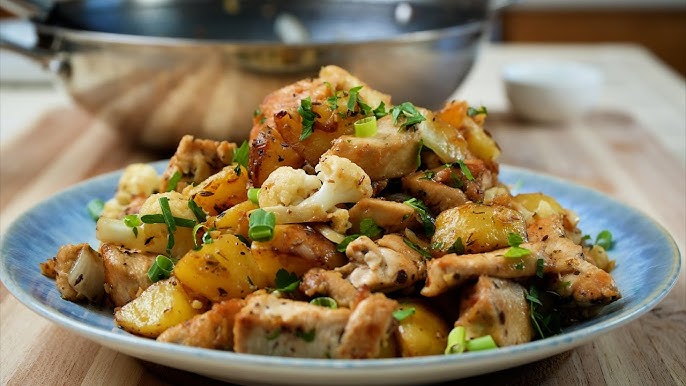
Chicken Cauliflower Recipe: A good chicken cauliflower recipe is one of those dependable meals that quietly becomes part of your weekly routine.
It is simple enough for a busy weekday, but it can also feel polished enough to serve when you want dinner to look a little more thoughtful. That is the beauty of pairing tender chicken with cauliflower.
You get protein, texture, comfort, and flexibility all in one pan. It is the kind of meal that works whether you are cooking for yourself, your family, or a table full of people who all seem to want something slightly different from dinner.
What Makes Chicken and Cauliflower Such a Great Pair
Some food pairings just make sense from the first bite, and chicken and cauliflower are definitely one of them. Chicken is mild, juicy, and naturally versatile, while cauliflower has a gentle earthiness that becomes richer and sweeter as it cooks. When those two ingredients meet in the same pan, they create a balance that feels both comforting and fresh. It is not flashy, but that is exactly the point. This is a pairing built on reliability, not gimmicks.
Chicken acts like a flavor carrier, soaking up spices and aromatics beautifully. Cauliflower, on the other hand, transforms depending on how you cook it. Steam it, and it stays soft and subtle. Roast or sauté it, and suddenly it becomes nutty, caramelized, and deeply savory. That contrast gives the dish range. You get the meaty tenderness of chicken alongside cauliflower that can be crisp on the edges and soft in the center. It is a little like having two different kinds of comfort in one forkful.
There is also a practical reason this pairing works so well. Both ingredients cook relatively quickly, especially when cut into manageable pieces. That means you can create a complete dinner without juggling endless pots or spending your whole evening in the kitchen. For people searching for quick chicken cauliflower meals or healthy one-pan chicken recipes, this combination delivers exactly what they need. It is efficient, affordable, and easy to customize with pantry staples.
From a nutrition angle, the match is strong too. Chicken provides protein, while cauliflower offers fiber, vitamins, and a lighter base than heavier starches. That makes the dish appealing to people trying to eat balanced meals without feeling like they are stuck with bland food. It is satisfying without becoming heavy, which is why it works year-round. In colder months, it feels cozy and grounding. In warmer months, it can feel bright and light with the right herbs and citrus. Few ingredient pairings manage that kind of year-round usefulness, but this one absolutely does.
Ingredients You’ll Need
Below is a clear ingredients list so you can gather everything before you begin. Having everything ready upfront makes cooking smoother and far less stressful. It is like setting the stage before the performance starts. Once the pan gets hot, you will be glad everything is measured, chopped, and ready to go.
Main Ingredients
- 2 boneless, skinless chicken breasts or 4 boneless chicken thighs, cut into bite-sized pieces
- 1 medium head of cauliflower, cut into florets
- 2 tablespoons olive oil
- 1 medium onion, sliced
- 3 to 4 garlic cloves, minced
- 1 cup chicken broth
- 1 tablespoon lemon juice
Seasonings and Flavor Boosters
- 1 teaspoon salt
- 1/2 teaspoon black pepper
- 1 teaspoon paprika
- 1/2 teaspoon garlic powder
- 1/2 teaspoon onion powder
- 1/2 teaspoon dried oregano or Italian seasoning
- 1/4 teaspoon red pepper flakes optional
Optional Add-Ins for Extra Texture and Taste
- 1/4 cup grated Parmesan cheese
- 2 tablespoons butter
- 1/4 cup heavy cream for a creamier finish
- Fresh parsley, chopped for garnish
- Mushrooms or bell peppers, sliced
- Shredded mozzarella if you want a cheesy baked variation
These ingredients create a flavorful base without overwhelming the natural taste of the chicken and cauliflower. The onion and garlic bring depth, the paprika adds warmth and color, and the chicken broth helps tie everything together into a moist, savory dish. Lemon juice gives the final result a bit of brightness so the meal does not feel flat or heavy. That small splash makes a big difference.
You can also scale the recipe up or down depending on how many people you are serving. That is another reason this ingredient list works so well. It is practical, flexible, and easy to adjust. Whether you are cooking a solo dinner or prepping lunches for the week, these ingredients give you a dependable base that still leaves room for your own style.
Kitchen Tools That Make the Process Easier
A great recipe becomes even easier when your tools are working with you instead of against you. The nice thing about this step-by-step chicken cauliflower recipe is that it does not require specialty equipment. This is not one of those meals that demands a dozen gadgets cluttering your counter. A few basic kitchen tools are enough to help you prep efficiently and cook with confidence.
The most important tool is a large skillet or sauté pan. You want enough surface area to brown the chicken properly without overcrowding it. When chicken pieces are pressed too closely together, they steam instead of sear, and that means you lose the golden edges that add so much flavor. A heavy-bottomed skillet, especially one made from stainless steel or cast iron, does a great job of maintaining heat and helping ingredients cook evenly.
You will also need a sharp chef’s knife and a sturdy cutting board. Since this recipe includes chopping chicken, onion, garlic, and cauliflower, good prep tools save time and help you work more safely. A dull knife is like trying to write with a broken pencil. It slows everything down and creates frustration. A sharp blade makes it much easier to cut clean cauliflower florets and evenly sized chicken pieces, which matters because even pieces cook more consistently.
A mixing bowl is helpful for seasoning the chicken before it goes into the pan. Measuring spoons and cups will also help keep your flavor balance right, especially if you are trying the recipe for the first time. Tongs or a wooden spoon make stirring and flipping easier, and a lid for your skillet can help the cauliflower soften more quickly during the cooking process. That little bit of trapped steam can make a big difference when you want the cauliflower tender without overcooking everything else.
These tools may seem basic, but they set the tone for a smoother cooking experience. When your pan is roomy, your knife is sharp, and your ingredients are easy to manage, the whole recipe feels more approachable. Cooking should feel like rhythm, not chaos. The right tools help create that rhythm.
How to Choose the Best Chicken for This Recipe
Choosing the right chicken can shape the final texture and flavor of your dish more than many people realize. When someone searches for the perfect chicken cauliflower dinner recipe, they are usually focused on the cooking method or seasoning, but the cut of chicken matters just as much. This recipe works well with both chicken breasts and chicken thighs, so the best option depends on the result you want.
Chicken breast is leaner and has a mild taste that works beautifully with garlic, herbs, and broth-based sauces. It is a popular choice for people who want a lighter meal or are planning meals ahead for the week. The key with chicken breast is to avoid overcooking it. Because it is lower in fat, it can dry out quickly if left in the pan too long. Cutting it into evenly sized bite-sized pieces helps it cook faster and more evenly, which reduces that risk.
Chicken thighs, by contrast, bring more richness and a little extra forgiveness. They stay juicy more easily because of their higher fat content, and they often develop deeper flavor when seared. If you love meals that feel cozy and deeply savory, thighs may be the better option. They are especially good in skillet recipes where the meat gets browned first and then finishes cooking with vegetables and broth. The flavor they bring can make the whole dish feel fuller and more robust.
Fresh chicken is usually the best choice, but frozen chicken works too as long as it is fully thawed and patted dry before cooking. Moisture is the enemy of a proper sear. Wet chicken tends to release too much liquid into the pan, which can turn your nice golden browning into a pale, steamy mess. No one wants that. A quick pat with paper towels before seasoning can make a surprisingly big difference.
So which one should you choose? If you want lean and clean, go with breasts. If you want richer and juicier, go with thighs. Both can create a delicious chicken cauliflower dish when cooked with care. It is less about right or wrong and more about knowing what kind of dinner you want to land on your plate.
How to Pick Fresh Cauliflower That Cooks Perfectly
Cauliflower may look simple at first glance, but picking a good one can elevate your entire recipe. In a dish where cauliflower plays a major supporting role, freshness matters. When you are making a chicken and cauliflower recipe, you want florets that cook evenly, hold their shape, and still turn tender without becoming mushy. A fresh head of cauliflower gives you exactly that.
Start by looking for a head that feels firm and heavy for its size. The florets should be tightly packed, with a creamy white color and no major brown spots. A few tiny specks are not the end of the world, but large patches of discoloration can signal age or poor handling. The leaves around the base should look fresh and green, not wilted or dried out. Think of those leaves like the frame around a painting. When the frame looks tired, the piece itself may not be at its best either.
Size also matters a bit. A medium head of cauliflower is ideal for this recipe because it provides enough volume to balance the chicken without overwhelming the pan. If the head is too large, you may end up overcrowding your skillet or needing extra seasoning to keep the flavor balanced. Smaller heads are fine, but you may want to reduce the broth slightly so the dish does not feel too sparse.
Fresh cauliflower cooks more predictably. Older cauliflower can release more moisture or develop a stronger sulfur-like smell, especially when heated. That can affect both taste and texture. You want cauliflower that turns tender and lightly golden, not soft and watery. Once you cut it into florets, keep them relatively uniform in size. That helps everything cook at the same pace, which is crucial in a skillet meal.
Frozen cauliflower can work in a pinch, but fresh is definitely the better choice for this recipe. Frozen florets often carry extra water and may soften too quickly, especially if you are aiming for some caramelization. Fresh cauliflower gives you more control and a better overall result. In a recipe built on simple ingredients, that kind of control matters.
Prepping the Ingredients Before You Start
Good cooking often begins before the heat is even turned on. One of the easiest ways to make this chicken cauliflower recipe feel manageable is to prep everything first. That means cutting the chicken, breaking down the cauliflower, slicing the onion, mincing the garlic, and measuring the seasonings before the skillet gets hot. This small habit changes the entire experience. Instead of scrambling while something cooks too fast in the pan, you move from one step to the next with more control.
Prepping also helps you notice potential issues before they become problems. Maybe your cauliflower florets are too big and need trimming. Maybe your chicken pieces are uneven and would cook inconsistently. Maybe you realize you are low on broth or forgot to mince the garlic. Catching those details ahead of time is much easier than trying to fix them in the middle of cooking. It is a bit like packing for a trip the night before rather than five minutes before you leave the house. The difference in stress is huge.
Another benefit of prepping is flavor consistency. When the chicken pieces are about the same size, they cook at the same rate. When the cauliflower florets are evenly cut, you avoid a mix of mushy bits and undercooked chunks. The seasonings also distribute more evenly when you have them measured and ready to go instead of pouring them in while guessing. That matters in a simple dish, because every little detail shows up on the plate.
This prep stage is also where you can decide whether to personalize the recipe. Want mushrooms, bell peppers, or a little cream at the end? Get them ready now. Thinking about adding Parmesan or fresh parsley for garnish? Put them near the stove so they are within reach. Once the cooking begins, the pace speeds up. Having everything prepared gives you room to actually enjoy the process instead of racing through it.
How to Cut the Chicken Properly
Cutting chicken properly is one of those small techniques that makes a big difference in the final dish. For this recipe, you want bite-sized pieces, roughly equal in size, so they cook quickly and evenly. Pieces that are too large may stay raw in the center while the outside overcooks. Pieces that are too small can dry out fast. Aim for balanced chunks that are easy to eat and easy to brown.
Start with chilled chicken rather than room-temperature chicken. Slightly cold chicken is firmer and easier to slice cleanly. Use a sharp knife and trim off any excess fat or tough bits before cutting. Then slice the chicken into strips and cut across those strips into chunks. Try not to overthink it. You are not making perfect cubes for a cooking competition. You are just aiming for consistency.
Once the chicken is cut, place it in a bowl and pat it dry if needed. This step matters because moisture on the surface can stop the chicken from browning well. Dry chicken plus hot oil equals better color, better texture, and more flavor. It is a simple trade that is always worth making. From there, toss the pieces with your seasonings so every bite has flavor before it even hits the pan.
How to Break Down the Cauliflower into Florets
Cutting cauliflower can feel awkward the first time, but it becomes easy once you know the flow. Start by removing the outer green leaves from the base. Then place the cauliflower stem-side up on the cutting board and trim away the thick central core. Once that core is loosened, the cauliflower naturally begins to separate into sections. From there, use your hands or knife to break it into florets.
Try to keep the florets medium-sized and relatively uniform. Tiny florets may cook too quickly and turn mushy, while very large pieces can stay too firm by the time the chicken is done. Think of them as the vegetable version of chicken pieces. Similar size means similar cooking time, and similar cooking time means a more balanced dish.
Rinse the florets briefly if needed, then dry them well with a clean towel or paper towels. Excess water can make them steam too much in the skillet, which reduces browning. You want tender cauliflower, yes, but you also want some golden edges and concentrated flavor. Dry florets help you get there. Once that is done, your cauliflower is ready for the pan.
Step-by-Step Guide for Chicken Cauliflower
This is where everything comes together. The beauty of this step-by-step chicken cauliflower recipe is that each stage builds naturally on the one before it. You do not need complicated timing tricks or advanced kitchen instincts.
Step 1 – Season the Chicken
Pat the chicken dry and cut it into even pieces if needed. Season with salt, black pepper, garlic powder, paprika, and a little onion powder for extra flavor. Let it sit for a few minutes so the seasoning can absorb into the meat.
Step 2 – Prepare the Cauliflower
Wash the cauliflower and cut it into small florets of similar size. This helps it cook evenly and gives the dish a neat texture. You can also lightly season the cauliflower with a little salt and pepper before cooking.
Step 3 – Sear the Chicken
Heat oil in a large skillet over medium-high heat. Add the chicken and cook until it is golden on the outside and nearly cooked through. Stir occasionally so it browns evenly without burning. Once done, remove the chicken from the pan and set it aside.
Step 4 – Cook the Cauliflower
In the same skillet, add a little more oil if needed, then add the cauliflower florets. Cook for several minutes, stirring from time to time, until they become tender and slightly golden. This step helps the cauliflower develop more flavor and a better texture.
Step 5 – Combine Everything and Finish the Dish
Return the chicken to the skillet with the cauliflower and stir well to combine. Cook for a few more minutes until the chicken is fully cooked and the flavors blend together nicely. Taste and adjust the seasoning if needed, then serve hot as a simple and satisfying meal.
Common Mistakes to Avoid
Even simple recipes can go sideways when a few small details are missed. One common mistake is overcrowding the skillet when cooking the chicken. When the pieces are packed too closely together, they release moisture and steam instead of browning. That means less flavor and a less appealing texture. Cooking in batches may take an extra couple of minutes, but it is worth it for that golden sear.
Another frequent issue is cutting the cauliflower into uneven florets. Large florets stay too firm while smaller ones turn soft too quickly. The result is a pan full of mixed textures that never quite feels right. Uniform sizing helps the cauliflower cook more consistently and makes the whole dish feel more polished. It is one of those quiet improvements that people notice even if they cannot explain why the meal turned out so well.
Overcooking the chicken is another trap. Because the chicken goes back into the skillet at the end, it does not need to be fully cooked during the first sear. Pulling it a little early gives you a better final texture. If you cook it all the way the first time and then simmer it again with the cauliflower, it can become dry and chewy. That is especially true for chicken breast.
The last mistake is underseasoning. Chicken and cauliflower are both mild ingredients, so they need seasoning to shine. Salt, pepper, garlic, paprika, broth, and lemon are not extras here. They are the bridge between bland and flavorful. Taste as you go and adjust when needed. A dish like this depends on balance, and a final taste check is often what brings it fully to life.
Best Side Dishes to Serve with Chicken Cauliflower
One of the strengths of this chicken cauliflower recipe is that it can stand alone as a complete meal, but the right side dish can turn it into something even more satisfying. Since the main dish already gives you protein and vegetables, the best sides are usually the ones that add contrast, extra comfort, or a little freshness. You do not need anything too complicated. In fact, simple sides often work best.
If you want a heartier meal, serve the chicken and cauliflower over steamed rice, brown rice, or buttered noodles. These options soak up the flavorful juices from the skillet and make every bite feel more filling. Mashed potatoes also work beautifully if you want something cozy and comforting. It becomes the kind of dinner that feels like a warm blanket after a long day. That might sound dramatic for a plate of food, but honestly, some meals earn that comparison.
For a lighter option, pair the dish with a crisp green salad dressed in lemon vinaigrette. The freshness cuts through the savory richness of the skillet meal and adds a nice contrast in texture. Roasted sweet potatoes are another excellent choice because their natural sweetness pairs surprisingly well with the seasoned chicken and cauliflower. If you added Parmesan or cream to the main recipe, a fresh side helps balance things out even more.
Bread can also play a great supporting role. Warm crusty bread or garlic bread is perfect for soaking up any broth or sauce left on the plate. That is not just practical. It is delicious. Sometimes the best part of the meal is the last swipe through the pan juices. Good bread makes sure none of that flavor goes to waste.
Storage, Reheating, and Meal Prep Tips
This recipe stores well, which makes it especially useful for busy households and weekly meal prep. Once cooled, place the chicken and cauliflower in an airtight container and refrigerate it for up to 3 to 4 days. The flavors often deepen a bit overnight, which means leftovers can taste even better the next day. That is always a nice little bonus, especially when lunch feels like an afterthought.
For reheating, the stovetop is usually the best method. Add the leftovers to a skillet over medium heat with a small splash of broth or water to keep everything from drying out. Stir gently until heated through. The microwave works too, especially when time is tight, but it may soften the cauliflower more than you want. Cover the dish loosely and heat in short bursts, stirring in between, to keep the texture as balanced as possible.
If you are using this recipe for meal prep, divide it into portions with rice, quinoa, or another side so you have complete grab-and-go meals ready for the week. Chicken and cauliflower hold up nicely in the fridge, and the dish travels well in lunch containers. That makes it a practical choice for work lunches, school lunches, or those evenings when cooking from scratch sounds impossible.
Freezing is possible, though the cauliflower texture may soften a bit after thawing. If you do freeze it, store it in freezer-safe containers for up to 2 months and thaw in the refrigerator before reheating. For the best texture, fresh or refrigerated leftovers are still the better route. Still, having a freezer backup can be incredibly helpful on hectic days when dinner needs to happen fast.
FAQs about Chicken Cauliflower Recipe
1. What is chicken cauliflower?
Chicken cauliflower is a simple dish made with cooked chicken and cauliflower combined in one pan or baked together. It can be prepared in many ways, from light and healthy to creamy and flavorful.
2. What cut of chicken works best for this recipe?
Both chicken breast and chicken thighs work well. Chicken breast is leaner, while chicken thighs are usually juicier and more flavorful.
3. Can I use frozen cauliflower?
Yes, you can use frozen cauliflower. Just thaw and drain it well before cooking so the dish does not become watery.
4. How do I keep the cauliflower from getting mushy?
Cook it over medium-high heat and avoid overcooking. Cauliflower should be tender but still slightly firm for the best texture.
5. Can I add other vegetables?
Yes, vegetables like carrots, bell peppers, broccoli, peas, or spinach can be added for more color and flavor.
6. What seasonings go well with chicken cauliflower?
Garlic, paprika, black pepper, onion powder, thyme, parsley, and chili flakes all pair nicely with chicken and cauliflower.
7. Is chicken cauliflower good for meal prep?
Yes, it is a great meal prep option because it stores well and reheats easily. You can portion it with rice, potatoes, or enjoy it on its own.
8. How do I store leftovers?
Store leftovers in an airtight container in the refrigerator for up to 3 days. Reheat gently on the stove or in the microwave.
Conclusion
The step-by-step approach also removes a lot of the guesswork. Once you season the chicken, prep the cauliflower, sear everything properly, and finish it together in the skillet, the dish comes together naturally. There is no need for culinary acrobatics. Just a few solid techniques, a hot pan, and ingredients that know how to work together.
For anyone looking for an easy chicken cauliflower dinner, a healthy skillet recipe, or a flavorful weeknight meal that does not feel boring, this recipe checks all the boxes. It is simple food done well, and that is often the kind of cooking people return to again and again.