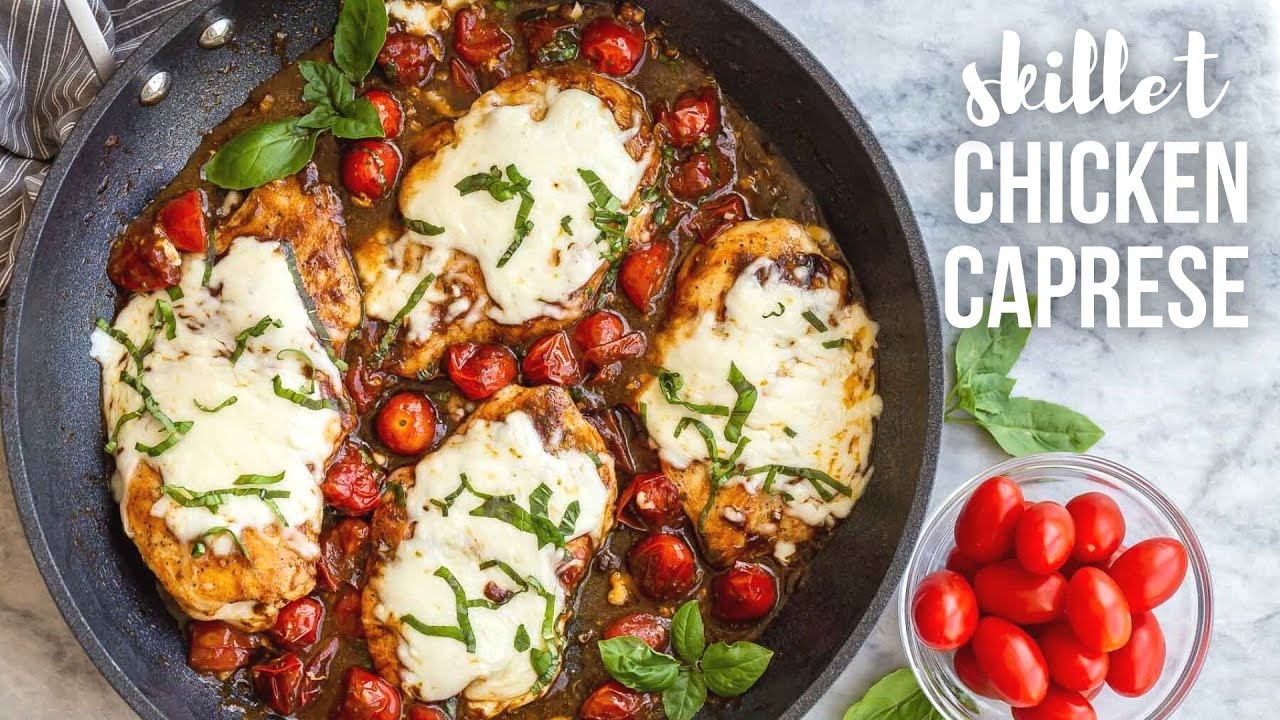
Chicken Caprese Recipe: Chicken Caprese is a mouthwatering twist on the classic Italian Caprese salad, bringing together tender, juicy chicken breasts with creamy mozzarella, fresh basil, and ripe tomatoes. Originating from Capri, Italy, the Caprese salad has long been a symbol of simplicity and freshness. It traditionally features just three ingredients—tomato, mozzarella, and basil—dressed in olive oil. But when you add chicken into the mix, the dish transforms from a light appetizer into a hearty, satisfying entrée that works for both weeknight dinners and special occasions.
The beauty of Chicken Caprese lies in its balance. The chicken provides a savory, protein-rich base; the mozzarella adds a mild, creamy richness; the tomatoes bring brightness and acidity; and the basil offers a fragrant, peppery lift. Drizzle on a bit of balsamic glaze, and you’ve got the perfect sweet-tangy contrast. It’s a culinary harmony that feels like summer on a plate, yet it’s cozy enough to enjoy year-round.
Whether you’re new to cooking or already comfortable in the kitchen, this recipe is approachable and rewarding. It doesn’t require complicated techniques or exotic ingredients—just fresh produce, quality chicken, and a willingness to savor the process. Once you learn the basics, you can easily adapt it with your favorite herbs, different cheeses, or even alternative proteins like turkey or tofu.
Benefits of Making Chicken Caprese at Home
Making Chicken Caprese in your own kitchen offers benefits that go beyond just taste. First and foremost, you control the quality of ingredients. Supermarket tomatoes in winter might be lackluster, but cherry or grape tomatoes can deliver consistent sweetness. Choosing fresh basil and high-quality mozzarella elevates the flavor profile without much extra effort.
Secondly, homemade Chicken Caprese is significantly more budget-friendly than ordering it at a restaurant. While a single plate in a café might cost upwards of $18–$25, you can prepare four generous servings at home for a fraction of that price. Plus, you can stretch leftovers into sandwiches or salads the next day.
Finally, cooking at home lets you customize the dish to meet your dietary needs. Watching your sodium intake? Use a light hand with salt and focus on fresh herbs. Following a low-carb diet? Serve the chicken with zucchini noodles or roasted vegetables instead of pasta. Need extra richness? Add a smear of pesto under the mozzarella for an herbal punch.
By making it yourself, you’re not only feeding your body well but also engaging in a creative, relaxing activity. The aroma of basil, the sizzle of chicken in the skillet, the glossy balsamic glaze—it’s all part of the experience.
Ingredients You’ll Need
Main Ingredients
- Chicken breasts (boneless, skinless) – About 6–8 oz each. Thinly pounded for even cooking.
- Fresh mozzarella – Soft, creamy, and ideally sliced from a ball rather than pre-shredded.
- Tomatoes – Ripe and juicy; Roma or cherry tomatoes work well.
- Fresh basil leaves – Fragrant and vibrant, picked just before using.
Pantry Staples
- Olive oil – Extra virgin for best flavor.
- Balsamic glaze – Thick and sweet with a touch of tang. You can buy it ready-made or simmer balsamic vinegar until reduced.
- Salt and black pepper – To enhance and balance flavors.
Optional Add-ons
- Spinach – Adds more greens and texture.
- Pesto – A flavorful spread for extra herbal notes.
- Roasted garlic – Sweet, mellow depth that complements the balsamic.
Kitchen Tools and Equipment
While the ingredient list is short, having the right tools ensures a smoother cooking process. You’ll need:
- Cutting board & sharp chef’s knife – For slicing tomatoes, mozzarella, and trimming chicken.
- Meat mallet or rolling pin – To pound chicken to even thickness.
- Large skillet – For searing the chicken and locking in juices.
- Oven-safe pan – If your skillet isn’t oven-proof, you’ll need a baking dish to finish cooking the chicken.
- Meat thermometer – Ensures the chicken reaches 165°F (74°C) for food safety.
A little organization goes a long way. Before turning on the stove, lay out all your ingredients and tools so you can cook without rushing or searching for something mid-recipe.
Step-by-Step Cooking Guide
Step 1 – Prepare the Chicken
Start by patting the chicken breasts dry with paper towels. This simple step helps the seasoning stick and ensures better browning. If the chicken is thicker on one end, use a meat mallet to pound it to about ½ inch thickness. Even thickness means the chicken cooks evenly and avoids dry edges.
Next, season both sides generously with salt and pepper. You can also sprinkle on dried Italian herbs if you like. Let the chicken rest at room temperature for about 10 minutes while you prepare the other ingredients. This helps it cook more evenly.
Step 2 – Season and Sear
Heat a large skillet over medium-high heat and drizzle in about 1–2 tablespoons of olive oil. Once the oil shimmers, lay the chicken breasts in the pan without crowding them—if needed, cook in batches. The key here is patience: let the chicken sear undisturbed for 4–5 minutes on the first side. This creates a beautiful golden crust that not only looks impressive but locks in juices.
After the first side is seared, flip the chicken and cook for another 3–4 minutes. You’re not aiming to fully cook it at this stage—just to develop flavor through browning. The rest of the cooking will happen in the oven once the toppings are added.
While searing, you’ll notice the kitchen filling with a savory aroma. This is the Maillard reaction at work, turning simple chicken into a restaurant-worthy base for the Caprese flavors. If you want an extra layer of depth, add a smashed garlic clove to the oil as the chicken cooks—it will infuse a subtle, aromatic note into the meat.
Step 3 – Add Caprese Toppings
With the chicken seared, it’s time to layer on those vibrant toppings. Lower the heat slightly to prevent scorching. Place a thick slice (or two) of fresh mozzarella over each chicken breast. The heat from the chicken will start to soften it right away.
Next, add slices of tomato—either one large round per breast or several small cherry tomato halves. The tomatoes should be just ripe enough to release a bit of juice when heated but not so soft that they fall apart completely.
Finally, scatter fresh basil leaves over the top. If you’re worried about basil turning dark from heat, you can add some after baking for a burst of fresh green color. The combination of warm cheese, juicy tomato, and fragrant basil is already tempting at this point—but we’re not done yet.
Step 4 – Bake to Perfection
Preheat your oven to 400°F (200°C). If your skillet is oven-safe, simply transfer it straight from the stove to the oven. If not, carefully move the chicken to a baking dish. Bake for about 8–10 minutes, or until the chicken reaches an internal temperature of 165°F (74°C).
During baking, the mozzarella will melt luxuriously over the chicken, mingling with the tomato juices to create a light sauce. The basil will become aromatic, perfuming the dish without losing its character.
This short oven time ensures the chicken stays tender. Overcooking is the most common pitfall in chicken recipes, so keep that thermometer handy. Pull the dish out as soon as it hits the safe temperature—carryover heat will finish the job.
Step 5 – Drizzle and Serve
When the chicken emerges from the oven, it’s time for the final flourish: a generous drizzle of balsamic glaze. The sweet-tangy notes cut through the richness of the cheese and bring all the elements together. If you’ve made your own glaze by reducing balsamic vinegar, you’ll notice it’s thicker and more concentrated than the store-bought version—both work beautifully.
For serving, place each chicken breast on a warm plate, spooning any pan juices over the top. Pair it with a simple side salad, roasted vegetables, or a light pasta tossed with olive oil and garlic.
Before digging in, take a moment to appreciate the colors—creamy white mozzarella, bright red tomatoes, and fresh green basil—it’s like the Italian flag on your plate.
Tips for Perfect Chicken Caprese Every Time
- Choose quality mozzarella – Fresh, water-packed mozzarella melts better than pre-shredded varieties.
- Don’t skip the sear – It locks in flavor and keeps the chicken juicy.
- Use ripe, in-season tomatoes – They bring natural sweetness and acidity.
- Rest the chicken – Let it sit for 3–5 minutes after baking before slicing to retain juices.
Creative Variations of Chicken Caprese
One of the best parts of mastering the classic Chicken Caprese recipe is that you can easily put your own spin on it. This dish is versatile, so whether you want to make it lighter, richer, or even vegetarian, the possibilities are endless.
1. Grilled Chicken Caprese – Instead of searing and baking, marinate chicken breasts in olive oil, garlic, and Italian herbs, then grill them. Add mozzarella, tomatoes, and basil during the last minute of cooking for a smoky, summer-ready twist.
2. Pesto Chicken Caprese – Spread a thin layer of basil pesto over the chicken before adding mozzarella. The extra layer of herbaceous flavor takes the dish to a whole new level.
3. Caprese Stuffed Chicken – Butterfly the chicken breasts and stuff them with mozzarella, tomatoes, and basil before cooking. This version locks in the flavors and looks beautiful when sliced open.
4. Caprese with Burrata – For an indulgent touch, swap mozzarella for creamy burrata. The center will ooze luxuriously over the chicken when cut into.
5. Low-Carb Caprese Bake – Add layers of zucchini or roasted red peppers under the mozzarella for extra veggies without adding carbs.
The secret to great variations is balancing freshness, creaminess, and acidity while keeping the cooking method simple.
Best Side Dishes for Chicken Caprese
Pairing your Chicken Caprese with the right sides can turn it from a delicious main into a full, well-rounded meal. Here are some great ideas:
- Garlic Butter Pasta – Toss cooked spaghetti or penne in garlic butter and a sprinkle of Parmesan for a comforting side.
- Zucchini Noodles – A light, low-carb option that still feels satisfying.
- Balsamic Roasted Vegetables – Carrots, bell peppers, and asparagus work beautifully with the same glaze used on the chicken.
- Crusty Artisan Bread – Perfect for soaking up all those flavorful pan juices.
- Caprese Couscous Salad – Keep the Italian theme going with fluffy couscous, diced tomatoes, mozzarella pearls, and basil.
The goal is to complement, not overpower, the delicate balance of flavors in the chicken.
Storing and Reheating Chicken Caprese
If you’re lucky enough to have leftovers, you’ll be happy to know Chicken Caprese stores well and reheats beautifully.
- Refrigeration: Store cooled chicken in an airtight container for up to 3 days.
- Freezing: You can freeze it for up to 2 months, but note that fresh mozzarella may release more liquid upon thawing.
- Reheating: For best results, warm in a 300°F (150°C) oven until heated through. This keeps the chicken moist and prevents overcooking.
For a quick lunch, slice leftover chicken and layer it into a sandwich with arugula, a tomato slice, and a little extra balsamic glaze. It’s just as good cold as it is warm.
Common Mistakes to Avoid
Even though Chicken Caprese is simple, there are a few pitfalls to watch for:
- Overcooking the chicken – Use a meat thermometer to avoid dryness.
- Using underripe tomatoes – They won’t release enough juice or sweetness.
- Overloading toppings – Too much cheese or tomato can make the dish soggy.
- Skipping the glaze – Balsamic glaze is the finishing touch that ties it all together.
By avoiding these mistakes, you’ll ensure a dish that looks and tastes like it came straight out of an Italian bistro.
FAQs about Chicken Caprese Recipe
1. Can I use chicken thighs instead of breasts?
Yes, boneless, skinless thighs work well. Just adjust cooking time since they may take longer.
2. Can I make Chicken Caprese ahead of time?
You can prepare and sear the chicken ahead, then add toppings and bake just before serving.
3. What if I can’t find balsamic glaze?
Reduce regular balsamic vinegar in a saucepan over low heat until thickened.
4. Can I make this dish dairy-free?
Yes, swap mozzarella for a dairy-free cheese alternative or simply skip it.
5. How do I keep basil fresh until serving?
Add fresh basil after baking or store leaves wrapped in a damp paper towel in the fridge until needed.
Conclusion
Chicken Caprese is the perfect blend of fresh, simple ingredients and comforting flavors. With just a few pantry staples and seasonal produce, you can create a dish that’s both elegant and easy enough for a weeknight dinner. The seared chicken, melty mozzarella, juicy tomatoes, fragrant basil, and sweet balsamic glaze come together in a harmony that’s hard to beat.
Whether you stick with the traditional version or branch out into creative variations, this recipe is one you’ll come back to again and again. It’s a reminder that sometimes, the simplest combinations are the most satisfying.