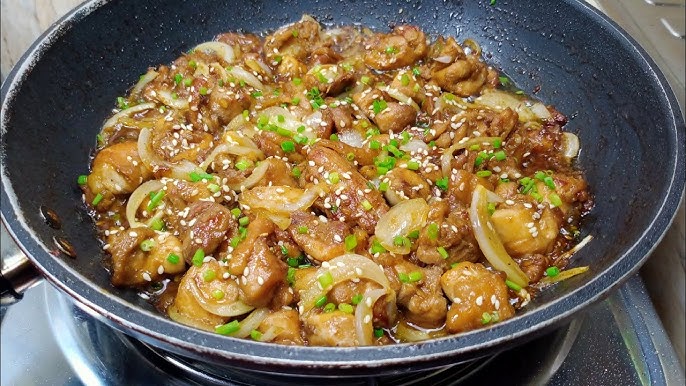
Chicken Bulgogi Recipe: Chicken bulgogi is a Korean-style marinated chicken dish known for its sweet, savory, garlicky, and deeply satisfying flavor.
The word “bulgogi” traditionally means “fire meat,” and it often refers to thinly sliced meat cooked quickly over heat after being soaked in a flavorful marinade.
While beef bulgogi is the version many people recognize first, chicken bulgogi has earned a huge fan base because it is affordable, easy to cook, and incredibly versatile.
Meanwhile, it brings the same bold Korean-inspired flavor profile but with juicy chicken that soaks up marinade like a sponge.
Why This Korean Chicken Dish Is So Popular
There is a reason chicken bulgogi recipe searches continue to rise among home cooks. People want food that delivers strong flavor without demanding complicated prep, and this dish checks that box beautifully. It is one of those recipes that feels like a reward at the end of a busy day. The marinade does most of the heavy lifting, so once the chicken hits the pan, grill, or skillet, you are already most of the way there.
Another big reason for its popularity is flexibility. Some people like it sweet and mild. Others want heat from gochujang or red pepper flakes. Some use chicken thighs for a richer bite, while others choose breast meat for a leaner option. It bends easily to personal taste without losing its identity. That makes it beginner-friendly and family-friendly, which is a rare combination in one dish.
Then there is the texture. Properly marinated chicken bulgogi cooks into glossy, caramelized pieces with slightly charred edges and juicy centers. That contrast is hard to resist. It is like getting the best parts of grilled chicken and stir-fried chicken all in one bite. Add a sprinkle of sesame seeds and sliced green onions, and suddenly dinner looks and tastes like something far more complicated than it really is. That is the magic of chicken bulgogi.
Why You’ll Love This Chicken Bulgogi Recipe
This easy chicken bulgogi recipe earns its place in your regular meal rotation because it hits the sweet spot between convenience and flavor. A lot of chicken dinners are dependable but boring. This one is dependable and exciting. It turns a pack of chicken into something glossy, fragrant, and deeply satisfying with just a handful of pantry staples. Once you try it, plain pan-cooked chicken starts to feel a little lifeless by comparison.
One of the best things about this recipe is that it works for many types of cooks. If you are new to Korean-inspired food, this is a friendly place to begin. The flavors are bold but not overwhelming, and the steps are easy to follow. If you already cook often, you will appreciate how adaptable it is. You can adjust sweetness, add spice, throw it on the grill, or serve it in bowls for meal prep. It does not box you in.
It is also a practical recipe for real life. The marinade can be made ahead, the chicken can sit in the fridge while you handle other things, and the actual cooking time is quick. That matters on busy evenings when everyone is hungry and patience is running low. This dish feels like a shortcut without tasting like one. It gives you that “I really made this” satisfaction without requiring half your night.
Flavor, Simplicity, and Everyday Convenience
Flavor is where this dish really shines. The marinade wraps the chicken in layers of savory soy, mellow sweetness, toasted sesame depth, garlic punch, and a touch of ginger brightness. Each ingredient has a job to do. Nothing is random. Together, they create a sauce that clings to the chicken and turns glossy as it cooks, almost like a built-in glaze. It is comforting, but never dull.
Simplicity is the second reason this recipe is worth keeping. You do not need a long ingredient list filled with items that only get used once. Most of what you need can already be sitting in your kitchen, and even the optional Korean ingredients are becoming easier to find in regular grocery stores. That means this recipe is not just aspirational. It is doable.
Convenience seals the deal. Chicken bulgogi can be used in rice bowls, wraps, salads, and lunch boxes. Leftovers reheat well, which is not always true for saucy chicken dishes. It is the kind of recipe that keeps giving after dinner is over. In a way, it behaves like a smart kitchen shortcut disguised as a comfort food favorite. And honestly, those are the recipes that earn a permanent place in a home cook’s notebook.
Ingredients You’ll Need
The list below keeps things practical and approachable while staying true to the heart of the dish. This version is ideal for home cooks who want reliable results with ingredients that are easy to work with. You can always customize later, but this foundation gives you a flavorful, balanced recipe that works well for weeknight dinners and special meals alike.
Here is the full Ingredients You’ll Need list:
Chicken
- 1 1/2 to 2 pounds boneless, skinless chicken thighs
Chicken thighs are the top choice because they stay juicy and absorb marinade exceptionally well. You can use chicken breast, but thighs are more forgiving and flavorful.
Marinade Ingredients
- 1/4 cup soy sauce
- 2 tablespoons brown sugar or honey
- 1 tablespoon sesame oil
- 1 small Asian pear, grated or 2 tablespoons apple juice as a substitute
- 4 cloves garlic, minced
- 1 teaspoon fresh ginger, grated
- 1 tablespoon rice vinegar
- 1 tablespoon gochujang (optional for spice)
- 1/4 teaspoon black pepper
- 1 tablespoon neutral oil for cooking
Optional Garnishes and Serving Add-Ons
- 2 green onions, sliced
- 1 teaspoon sesame seeds
- Steamed rice
- Lettuce leaves
- Kimchi
- Cucumber slices
- Carrot ribbons or shredded carrots
Chicken
Chicken is the star here, so choosing the right cut matters. Boneless, skinless chicken thighs are the most popular option for a reason. They remain tender even if they cook a little longer than planned, and they bring a richer taste than chicken breast. Because bulgogi cooks quickly over fairly high heat, you want a cut that can hold onto moisture while still browning around the edges. Thighs do that beautifully.
You can absolutely use chicken breast if that is what you have. The key is slicing it thinly and not overcooking it. Breast meat can dry out faster, so marinating becomes even more important. The marinade helps soften the texture and adds flavor all the way through. In other words, it acts like a safety net.
Thin slicing also helps with cooking speed and texture. Small, even pieces allow the marinade to coat every surface and help the chicken caramelize faster. That means more flavor in less time. It is a small detail, but it changes the final dish in a big way.
Marinade Ingredients
The marinade is where chicken bulgogi gets its identity. Soy sauce brings salt and umami. Brown sugar or honey introduces sweetness that helps with caramelization. Sesame oil adds a warm, nutty finish that makes the dish smell amazing before it even hits the plate. Garlic and ginger are the aromatic backbone, giving the chicken a fresh, sharp depth that balances the sweetness.
A grated Asian pear is traditional in many Korean marinades because it adds sweetness and helps tenderize the meat naturally. If you cannot find one, apple juice or even grated apple can stand in. That fruity element may seem subtle, but it rounds out the whole marinade in a way that plain sugar alone cannot. It is the difference between flat sweetness and layered sweetness.
Rice vinegar brightens the mixture, while gochujang is optional if you want gentle heat and extra complexity. It is not mandatory for every chicken bulgogi recipe, but it is a great addition if you like a little kick. Everything works together like instruments in a band. Alone, each ingredient is simple. Together, they sound full.
Optional Garnishes and Serving Add-Ons
The main dish is strong on its own, but garnishes and sides make it come alive. Green onions add freshness and a little bite. Sesame seeds bring texture and a toasted finish. These two simple toppings can make the dish look more polished in seconds.
For serving, steamed rice is the classic partner. It soaks up the juices and gives the bold chicken a neutral base. Lettuce leaves are perfect for wraps and add crunch. Kimchi brings acidity, spice, and contrast, while cucumbers and carrots add coolness and color. These sides help transform the meal from good to memorable.
Think of these extras like the supporting cast in a great movie. The lead is the chicken, but the whole experience becomes better when the rest of the plate shows up strong too.
Best Chicken Cut for Chicken Bulgogi
Choosing the best chicken cut can make the difference between a decent dinner and a truly craveable one. While both thighs and breasts can work, they behave differently during marinating and cooking. For most home cooks, chicken thighs win because they stay tender, juicy, and flavorful even under high heat. Since bulgogi often cooks quickly in a hot pan, that extra margin for error is incredibly helpful.
Chicken thighs also have more natural fat, which carries flavor and supports the caramelization that makes bulgogi so appealing. As the sugars in the marinade cook down, the edges of the chicken pick up that glossy, lightly charred look that feels almost restaurant-style. Thighs lean into that texture better than breast meat. They give you a result that tastes rich without needing much effort.
That said, chicken breast is not wrong. It is leaner, lighter, and still delicious when sliced thinly and handled carefully. It may be the better option for those who prefer a lower-fat cut or simply have breast meat on hand. The secret is not to fight the ingredient. If you use breast meat, keep the slices uniform, marinate well, and cook just until done.
Chicken Thighs vs. Chicken Breast
Here is a simple comparison to help you choose:
| Feature | Chicken Thighs | Chicken Breast |
|---|---|---|
| Texture | Juicier and more tender | Leaner and firmer |
| Flavor | Richer and deeper | Mild and clean |
| Best for marinating | Excellent | Very good |
| Risk of drying out | Low | Higher |
| Cooking forgiveness | High | Moderate |
If your priority is classic flavor and tenderness, go with thighs. If your priority is a leaner meal, breast will still work well with proper timing. Think of thighs as the reliable friend who always shows up prepared, while breast meat needs a little more attention to shine. Both can succeed, but one asks less from you.
Essential Kitchen Tools
You do not need professional kitchen equipment to make homemade chicken bulgogi, but a few basic tools make the process smoother. A large mixing bowl is useful for combining the marinade and coating the chicken evenly. A sharp knife helps you slice the chicken into thin, even pieces, which matters more than people often realize. Even cuts mean even cooking, and even cooking means better texture.
A skillet or grill pan is one of the most practical tools for this recipe. A wide pan gives the chicken room to sear instead of steam. When the pan is overcrowded, moisture builds too quickly, and you lose that nice caramelized finish. Tongs or a spatula also help you move the chicken around without tearing it apart too much.
You may also want measuring spoons and cups for consistency, especially if this is your first time making the recipe. Once you know the flavor you like, you can freestyle more comfortably. Until then, a little structure helps. Recipes like this are forgiving, but balance still matters.
Pan, Grill, or Oven Options
A skillet is the easiest and most accessible choice. It gives you good browning, fast cooking, and easy control over the heat. A cast-iron pan is especially good because it holds heat well and encourages a light char on the edges. That little bit of char adds personality to the dish.
A grill or grill pan adds smoky flavor that pairs beautifully with bulgogi marinade. This option works especially well in warm weather or when you want the chicken to feel more like barbecue with a Korean twist. The sugars in the marinade caramelize nicely over open heat, though you do need to watch carefully to avoid burning.
An oven can work too, especially if you are cooking a large batch. A sheet pan method is convenient, though you may want to finish under the broiler for extra color. Each method has its strengths, but a stovetop pan remains the most dependable choice for most kitchens.
How to Make the Bulgogi Marinade
A strong bulgogi marinade is not just about mixing ingredients together. It is about building balance. You want savory depth, sweetness, fresh aromatics, and just enough acidity to keep everything lively. When done well, the marinade does two jobs at once: it flavors the chicken deeply and creates the glossy coating that forms as the chicken cooks.
Start with soy sauce as your savory base. Add brown sugar or honey for sweetness, then stir in sesame oil for that unmistakable nutty finish. Garlic and ginger bring warmth and brightness, while grated Asian pear or a substitute like apple adds natural sweetness and tenderness. This combination is what gives bulgogi its signature rounded flavor.
The trick is not to let one note dominate. Too much soy sauce makes it harsh. Too much sugar makes it cloying. Too much sesame oil can feel heavy. The goal is harmony, where every bite feels full but not overwhelming. That is the sweet spot you are aiming for.
Balancing Sweet, Savory, and Aromatic Notes
Think of the marinade like tuning a guitar. If one string is too tight or too loose, the whole thing feels off. Soy sauce provides umami and salt, but it needs sweetness to soften the edges. Garlic and ginger cut through that richness with aromatic sharpness, while fruit adds natural body and helps marry all the flavors together.
If you like spicy food, gochujang is a smart addition. It adds heat, yes, but also fermented depth. It makes the marinade taste more complex without forcing you to pile in extra ingredients. Even a small spoonful changes the character of the dish in a good way.
Once mixed, taste the marinade before adding the chicken. It should taste slightly stronger than you expect because it will mellow during cooking. That little check can save the whole dish. Great cooking is not always about big chef moves. Sometimes it is just about tasting at the right moment.
How to Prepare the Chicken
Preparing the chicken properly is one of the most important parts of this recipe. Even the best marinade cannot fully rescue unevenly cut or poorly handled chicken. Start by trimming excess fat if needed, then slice the chicken into thin, bite-sized pieces. Thin slices absorb marinade more efficiently and cook faster, which is ideal for bulgogi.
Once sliced, add the chicken to the marinade and mix thoroughly so every piece is coated. Do not just drizzle and hope for the best. Use your hands or a spoon to really work the marinade around the meat. That contact matters. Every surface that gets coated is a future surface that can brown and develop flavor.
Letting the chicken rest in the marinade is where the transformation begins. Even 30 minutes helps, but a longer marinating time creates more depth. The chicken takes on the sweet-salty-garlicky character of the sauce and becomes more tender along the way.
Cutting and Marinating for Maximum Flavor
The best way to cut chicken for bulgogi is thin and even. You are not aiming for chunky cubes. You want slices that cook quickly and pick up caramelization without turning dry. One helpful trick is to chill the chicken slightly before cutting. Firmer meat is easier to slice cleanly, and that gives you better control.
For marinating, aim for at least 30 minutes, though 2 to 4 hours gives even better flavor. Overnight is possible too, especially for thighs, but you usually do not need much longer than that. Keep the chicken refrigerated while it marinates, and cover the bowl or use a sealed container.
As the marinade works, the chicken starts to absorb not only flavor but character. It becomes less like plain chicken and more like a complete dish waiting to happen. That is why marinating should never feel like an optional extra here. It is the bridge between ingredients and real flavor.
Step-by-Step Guide for Chicken Bulgogi
Below is the full Step-by-Step Guide broken down clearly so you can follow it without stress.
Step 1: Prepare the Ingredients
Start by slicing the chicken into thin, even pieces so it cooks quickly and absorbs the marinade well. Prepare the rest of your ingredients, including garlic, ginger, soy sauce, sesame oil, sugar or honey, and any vegetables you want to add, such as onions or carrots. Having everything ready before cooking makes the process easier and faster.
Step 2: Marinate the Chicken
In a bowl, mix soy sauce, garlic, ginger, sesame oil, and sugar or honey to create the bulgogi marinade. Add the sliced chicken and toss well until every piece is evenly coated. Let it marinate for at least 30 minutes so the flavors soak in properly. For a deeper taste, you can leave it longer in the refrigerator.
Step 3: Cook the Chicken Bulgogi
Heat a large skillet or pan over medium-high heat. Add a small amount of oil if needed, then place the marinated chicken in the pan. Cook while stirring often until the chicken is fully cooked, lightly caramelized, and the sauce thickens slightly. If using vegetables, add them during the last few minutes so they stay tender but not mushy.
Step 4: Finish, Garnish, and Serve
Once the chicken is cooked, remove it from the heat and sprinkle with sesame seeds and chopped green onions. Serve the chicken bulgogi hot with steamed rice, lettuce wraps, or your favorite side dishes. For extra flavor, you can add kimchi or a little spicy sauce on the side.
What to Serve with Chicken Bulgogi
One of the best things about chicken bulgogi is how easy it is to pair with other foods. The bold flavor of the chicken means you do not need complicated sides. In fact, simple sides often work best because they let the main dish stay in the spotlight. A bowl of steamed rice is the classic starting point, soaking up every bit of sauce and giving the meal structure.
You can also build a more complete Korean-inspired spread with a few fresh and punchy additions. Kimchi adds acidity and heat. Cucumber salad cools things down. Pickled vegetables bring contrast that cuts through the richness of the chicken. This back-and-forth between warm and cool, savory and sharp, is what makes the meal feel so satisfying.
For a lighter approach, lettuce wraps are fantastic. Spoon the chicken into crisp leaves, add rice or sliced vegetables, and fold everything together. The texture contrast is excellent. It turns dinner into something interactive and fun.
Rice, Lettuce Wraps, and Korean Side Ideas
Here are a few serving ideas that work especially well:
| Serving Option | Why It Works |
|---|---|
| Steamed white rice | Mild, fluffy, and perfect for soaking up sauce |
| Brown rice | Adds nuttiness and extra fiber |
| Lettuce wraps | Fresh, crunchy, and light |
| Kimchi | Spicy, tangy contrast |
| Cucumber salad | Cooling and refreshing |
| Japchae or noodles | Great for a fuller meal |
The beauty of these pairings is that they do not compete with the chicken. They support it. Think of the bulgogi as the lead singer and the sides as the band behind it. The meal works best when everything plays its part without getting in the way. Whether you keep it simple with rice or go all out with several sides, chicken bulgogi is a dish that adapts beautifully.
FAQs about Chicken Bulgogi Recipe
1. What is chicken bulgogi?
Chicken bulgogi is a Korean-inspired dish made with thinly sliced chicken marinated in a flavorful sauce, usually containing soy sauce, garlic, ginger, sesame oil, and a touch of sweetness. It is savory, slightly sweet, and very delicious.
2. What cut of chicken works best for chicken bulgogi?
Boneless chicken thighs are often the best choice because they stay juicy and tender during cooking. Chicken breast can also be used if you prefer a leaner option.
3. How long should I marinate the chicken?
It is best to marinate the chicken for at least 30 minutes. For deeper flavor, you can marinate it for a few hours in the refrigerator.
4. Can I make chicken bulgogi spicy?
Yes, you can add gochujang, chili flakes, or a little hot sauce to the marinade if you want a spicy version.
5. Can I cook chicken bulgogi without a grill?
Yes, chicken bulgogi is commonly cooked in a skillet or frying pan. A grill pan or outdoor grill can also be used for extra smoky flavor.
6. What can I serve with chicken bulgogi?
It pairs well with steamed rice, lettuce wraps, kimchi, stir-fried vegetables, or noodles.
7. Can I store leftovers?
Yes, leftover chicken bulgogi can be stored in an airtight container in the refrigerator for up to 3 days.
8. Can I freeze marinated chicken bulgogi?
Yes, you can freeze the marinated chicken before cooking. This is a great make-ahead option and helps the flavors develop even more as it thaws.
Conclusion
A great Chicken Bulgogi Recipe – Step-by-Step Guide should leave you feeling ready to cook, not overwhelmed, and that is exactly what this version aims to do. This dish proves that incredible flavor does not have to come from a complicated process. With a balanced marinade, the right chicken cut, and a hot pan, you can create something deeply satisfying in your own kitchen without turning dinner into a project.
The ingredients are approachable, the steps are clear, and the flavor feels far bigger than the effort involved. That is the kind of recipe worth saving. Once you make it once, it becomes easier to remember the rhythm of it: marinate, cook, caramelize, serve. Before long, it starts feeling less like a recipe and more like a dependable kitchen habit. And really, those are the dishes that stay with us the longest.