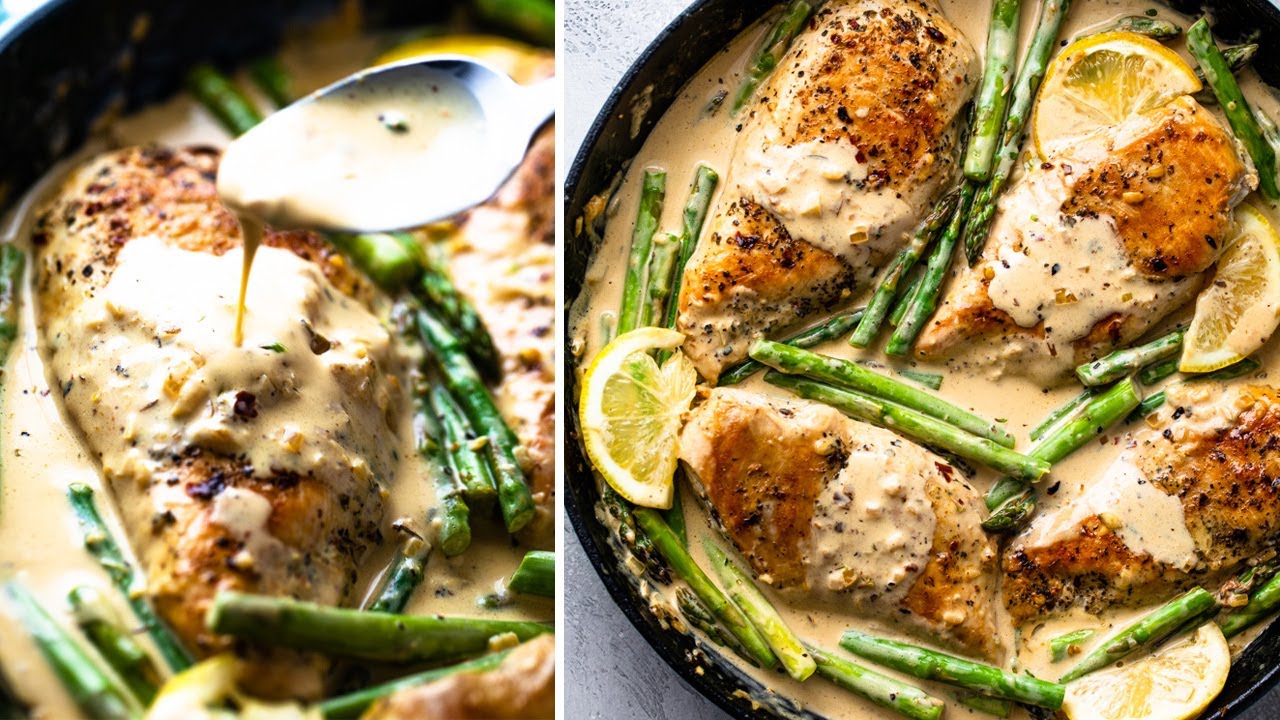
Chicken Asparagus Recipe: Chicken and asparagus is one of those magical pairings that just works. Imagine juicy, tender chicken breasts or thighs, paired with the bright, slightly earthy crunch of fresh asparagus, all brought together in a deliciously seasoned, aromatic dish. Whether you’re cooking for a weekday dinner or planning a fancier weekend meal, this recipe checks all the boxes—it’s quick, healthy, and impressively flavorful.
One of the reasons this dish is so beloved is its versatility. You can cook it in one pan for easy cleanup, dress it up with creamy sauces for a rich comfort meal, or keep it light and clean for a wholesome option. It works beautifully with different cooking methods—pan-seared, oven-baked, or even grilled.
Why This Recipe is a Must-Try
First, it’s a time-saver. Many recipes require hours of preparation, but this one can be on the table in under 30 minutes. Second, it’s healthy without feeling like “diet food.” Lean chicken provides a great source of protein, while asparagus is packed with vitamins, minerals, and antioxidants. Third, it’s a crowd-pleaser. Even picky eaters who might hesitate at green vegetables often love asparagus when it’s cooked right—slightly crisp, buttery, and seasoned to perfection.
Another major advantage? It’s adaptable to every season. While asparagus is at its peak in spring, you can find it year-round in most grocery stores. Pair it with fresh herbs in summer, cozy spices in fall, or creamy sauces in winter.
A Quick Look at Its Popularity
From French bistros to American home kitchens, chicken and asparagus has a strong fan base. Professional chefs appreciate the balance of textures and flavors, while home cooks love the simplicity and minimal cleanup. It’s also a recipe that photographs beautifully, which makes it popular on social media and food blogs. Bright green asparagus spears next to golden, seared chicken—it’s the kind of plate that makes you want to grab a fork instantly.
Ingredients You’ll Need
A great recipe begins with great ingredients. The beauty of chicken asparagus is that it doesn’t require anything fancy—just fresh produce, a good protein source, and a few pantry staples. Still, the freshness of your ingredients will make or break the dish.
Main Ingredients
- Chicken breasts or thighs – Skinless, boneless chicken breasts are classic, but thighs are juicier and more forgiving if you overcook them slightly.
- Fresh asparagus – Look for firm, bright green stalks with tightly closed tips.
- Olive oil or butter – Olive oil for a lighter, more Mediterranean flavor; butter for richness.
- Garlic – Fresh garlic cloves are best for maximum aroma.
- Lemon juice – Adds a fresh, tangy note that balances the richness of the chicken.
- Salt and pepper – Simple seasonings that enhance natural flavors.
Optional Add-ons for Extra Flavor
- Parmesan cheese – For a salty, nutty finish.
- Paprika or chili flakes – Adds a gentle heat.
- Cream or coconut milk – For a creamy variation.
- Fresh herbs – Thyme, rosemary, or parsley work beautifully.
Kitchen Tools You’ll Need
- A sharp chef’s knife (for trimming and slicing).
- A sturdy cutting board.
- A large skillet or sauté pan (non-stick or stainless steel).
- Tongs or a spatula (for turning chicken and asparagus).
- Measuring spoons and cups.
Preparing the Ingredients
Preparation is key to making the cooking process smooth and stress-free. Having everything ready before turning on the stove—also known as “mise en place”—is one of the best habits you can develop in the kitchen.
Cleaning and Trimming Asparagus
Rinse the asparagus under cold water to remove any dirt or grit. Pat them dry with a clean towel to prevent splattering when cooking. Next, trim off the woody ends. An easy trick is to bend the stalk gently—it will naturally snap at the point where the tough part ends and the tender part begins. Alternatively, you can cut about an inch from the bottom.
Preparing the Chicken
If you’re using chicken breasts, you may want to pound them lightly with a meat mallet so they cook evenly. Trim away any excess fat. Pat the chicken dry—this is crucial for getting a good sear. Season generously with salt, pepper, and any additional spices you like.
Prepping Additional Ingredients
Mince the garlic, slice any herbs you’ll be using, and have your lemon ready to squeeze. If you’re planning to add Parmesan, grate it beforehand.
Step-by-Step Cooking Guide
Now that everything is prepped, it’s time to get cooking. The following method works for both chicken breasts and thighs, with slight adjustments to cooking time.
Step 1 – Seasoning the Chicken
Start by sprinkling salt and pepper evenly on both sides of the chicken. If you’re feeling adventurous, add paprika for color or Italian seasoning for extra aroma. Let the chicken rest for 5–10 minutes after seasoning—this helps the flavor penetrate the meat.
Step 2 – Searing the Chicken
Heat a large skillet over medium-high heat and add olive oil or butter. Once the oil is shimmering (or the butter has melted and started to foam), place the chicken in the pan. Don’t overcrowd the skillet—if needed, cook in batches.
Resist the temptation to move the chicken around too early. Let it sear undisturbed for about 4–5 minutes per side for breasts, or 5–6 minutes for thighs, until a golden crust forms. This crust isn’t just for looks—it locks in juices and adds a deep, savory flavor.
If your chicken is browning too quickly before the inside is cooked through, reduce the heat slightly. Once the chicken reaches an internal temperature of 165°F (74°C), transfer it to a plate and cover loosely with foil to rest.
Step 3 – Cooking the Asparagus
In the same skillet (don’t wash it—you want those flavorful browned bits), add a little more oil or butter if necessary. Toss in the asparagus and sauté for 3–5 minutes, depending on the thickness of the stalks.
For an extra layer of flavor, add minced garlic halfway through cooking. Stir gently to avoid breaking the tips. The asparagus should be bright green and tender-crisp—not limp. A squeeze of lemon juice at the end brightens everything up.
Step 4 – Combining Everything
Once the asparagus is cooked, return the chicken to the skillet. Let it warm through for a minute or two, spooning some of the garlicky, lemony pan juices over the top.
This is the point where you can add optional extras: sprinkle Parmesan for a cheesy finish, add a splash of cream for a luxurious sauce, or throw in some chili flakes for heat.
Serve immediately while hot, either straight from the skillet for a rustic feel or plated neatly for a more formal presentation.
Serving Suggestions
Pairing your chicken asparagus with the right sides and presentation can take it from “great” to “unforgettable.”
Perfect Side Dishes
- Mashed potatoes – Creamy, buttery mash is a comforting contrast to the freshness of asparagus.
- Rice pilaf – Light, fluffy, and subtly seasoned to complement the main dish.
- Quinoa or couscous – Great for a lighter, healthier option.
- Garlic bread – Perfect for mopping up any leftover sauce.
Garnishing for Presentation
A sprinkle of fresh herbs, a twist of lemon zest, or a drizzle of good-quality olive oil can make the dish look as good as it tastes. Serve on white plates to let the vibrant colors pop, or on wooden boards for a rustic touch.
Tips for the Perfect Chicken Asparagus Dish
Cooking might be part science and part art, but a few smart tricks can make all the difference.
Common Mistakes to Avoid
- Overcooking asparagus – This makes it mushy and dull in color.
- Crowding the pan – Leads to steaming instead of searing.
- Skipping the resting time for chicken – Causes juices to run out, leaving the meat dry.
Chef’s Secrets for Extra Flavor
- Deglaze the pan with a splash of white wine or chicken broth before adding asparagus for an aromatic sauce.
- Toast your garlic lightly before adding asparagus for a nuttier taste.
- For a restaurant-style finish, melt a small knob of butter into the sauce right before serving.
Variations of the Recipe
One of the best things about a chicken asparagus recipe is that it’s like a blank canvas—you can tweak it to suit your mood, dietary needs, or the ingredients you have on hand. Let’s explore a few delicious twists.
Creamy Garlic Chicken Asparagus
If you love rich, indulgent flavors, this variation is for you. After cooking the chicken and asparagus, remove them from the skillet and pour in about ½ cup of heavy cream (or coconut cream for a dairy-free alternative). Stir in 2–3 tablespoons of grated Parmesan, plus the sautéed garlic from earlier. Simmer for a couple of minutes until thickened, then return the chicken and asparagus to the skillet. The result is a velvety sauce that clings to every bite.
Spicy Chicken Asparagus Stir-Fry
For a lighter, Asian-inspired version, cut the chicken into thin strips before cooking. Stir-fry in sesame oil over high heat for quick cooking and maximum tenderness. Add asparagus pieces along with sliced bell peppers, carrots, or snap peas. For the sauce, mix soy sauce, garlic, ginger, chili flakes, and a dash of honey. Toss everything together and serve over rice or noodles.
Low-Calorie Option
If you’re watching calories, keep things simple with olive oil, lemon juice, and fresh herbs. Skip the cheese and cream, and pair with a side of steamed vegetables or a fresh salad. Using chicken breast and lightly sautéing asparagus in minimal oil keeps the dish under 300 calories per serving while still being satisfying.
Storing and Reheating
You might be tempted to eat the whole pan in one sitting, but if you do have leftovers, here’s how to store and reheat them without losing flavor or texture.
Refrigeration Tips
Place leftovers in an airtight container and refrigerate for up to 3 days. Keep the chicken and asparagus together so the flavors meld, but avoid storing with sauces that may separate.
Freezing for Later Use
Chicken freezes well, but asparagus can lose its crispness when thawed. If freezing, undercook the asparagus slightly before storing. Place portions in freezer-safe bags, removing as much air as possible. Freeze for up to 2 months.
Best Reheating Methods
- Stovetop – Reheat gently over low heat with a splash of chicken broth to keep everything moist.
- Microwave – Use medium power in 30-second intervals, covering loosely with a lid or damp paper towel.
- Oven – Place in a covered dish at 325°F (163°C) for about 10 minutes.
Health Benefits of Chicken and Asparagus
Eating well doesn’t have to mean sacrificing taste. This recipe delivers on both nutrition and flavor.
Nutritional Value of Chicken
Chicken is a lean protein source rich in essential amino acids, B vitamins, and minerals like phosphorus and selenium. It supports muscle health, boosts metabolism, and helps keep you fuller for longer—making it a great choice for weight management.
Nutritional Value of Asparagus
Asparagus is low in calories but high in nutrients like vitamins A, C, E, K, and folate. It’s also packed with antioxidants, which help fight inflammation and protect cells from damage. Plus, it’s a natural diuretic, aiding in detoxification and reducing bloating.
Together, chicken and asparagus create a well-balanced meal that supports a healthy lifestyle without compromising on taste.
FAQs about Chicken Asparagus Recipe
1. Can I use frozen asparagus for this recipe?
Yes, but thaw it completely and pat dry before cooking to avoid excess moisture.
2. How can I make this recipe dairy-free?
Use olive oil instead of butter, and coconut cream or almond milk instead of dairy cream.
3. Can I substitute chicken with another protein?
Yes—turkey breast, shrimp, or even tofu work well. Adjust cooking times accordingly.
4. How do I keep asparagus crisp while cooking?
Cook it quickly over medium-high heat and avoid covering the pan for too long.
5. What’s the best way to season the chicken?
A simple mix of salt, pepper, garlic powder, and a hint of paprika works wonders, but feel free to experiment with herbs and spices.
Conclusion
The chicken asparagus recipe is proof that simplicity in cooking can lead to extraordinary results. With just a few fresh ingredients, a little seasoning, and the right cooking method, you can create a dish that’s flavorful, healthy, and versatile. Whether you keep it light with lemon and herbs or go all-in with creamy garlic sauce, this recipe is one you’ll return to again and again.