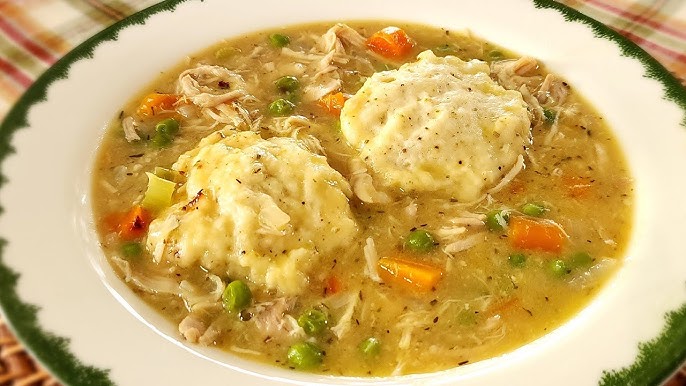
Chicken and Dumpling Soup Recipe: There’s something magical about a steaming bowl of chicken and dumpling soup on a chilly day. It’s warm, rich, and somehow manages to wrap you up in comfort from the very first spoonful. For many, it’s more than just a recipe — it’s a nostalgic reminder of family dinners, grandma’s kitchen, and the irresistible smell of simmering broth. This dish has stood the test of time, becoming a household favorite for generations.
In this guide, we’ll take a step-by-step journey from prepping your vegetables to serving your soup with those fluffy dumplings floating perfectly on top. Along the way, I’ll share helpful tips, flavor-boosting tricks, and variations so you can make the recipe uniquely yours. Whether you’re a seasoned cook or a total beginner, you’ll walk away confident in your ability to whip up this classic comfort food anytime the craving strikes.
So, grab your apron and a big pot — because once you’ve made this recipe, your kitchen will smell so good the neighbors might “accidentally” drop by.
Why This Soup is a Comfort Food Classic
Some dishes are just pure therapy for the soul, and chicken and dumpling soup is one of them. The appeal goes beyond taste — it’s the way the warm steam hits your face, the soft dumpling texture against the rich broth, and the gentle seasoning that feels like a hug in a bowl. This soup embodies comfort food in its purest form.
Historically, comfort foods often come from necessity. Dumplings, for instance, originated as a way to stretch meals during harder times. By adding a simple dough to the soup, families could make a modest amount of meat and vegetables feed more people. Over time, this “stretching” method evolved into a cherished culinary tradition.
For many, the nostalgia factor is huge. You might recall sitting at the dinner table with a steaming bowl in front of you, watching the butter melt into your bread on the side, and feeling completely content. Even if you didn’t grow up with it, the flavors have a way of making you feel instantly at home.
It’s also a versatile dish — you can make it creamy or keep it light, go traditional or add your own twist. Whether served on a rainy evening or as part of a holiday meal, chicken and dumpling soup always manages to deliver comfort in the most delicious way possible.
Ingredients You’ll Need
Before diving into the cooking process, let’s get everything ready. Having your ingredients prepped and organized makes cooking smoother and ensures your dumplings turn out perfect.
Fresh Ingredients for the Soup Base
- Chicken: Bone-in thighs or breasts give the broth incredible depth. You can also use leftover roasted chicken for a quicker version.
- Carrots: Sliced into even rounds for sweetness and color.
- Celery: Adds a subtle savory flavor and crunch.
- Onion: The aromatic foundation of the broth.
- Garlic: For warmth and richness.
- Fresh parsley: Brings a bright, fresh note to the finished dish.
Pantry Staples for Flavor Boost
- Chicken broth or stock: The heart of the soup’s flavor.
- Salt and pepper: Essential for seasoning at every stage.
- Olive oil or butter: For sautéing vegetables.
- Bay leaves and thyme: Earthy, aromatic herbs that deepen the flavor.
Ingredients for Homemade Dumplings
- All-purpose flour: The base of the dough.
- Baking powder: Helps the dumplings puff up.
- Salt: Enhances the flavor.
- Butter or shortening: Adds tenderness.
- Milk: Creates the right dough consistency.
Optional Add-ins for a Twist
- Corn: For a touch of sweetness.
- Peas: Adds color and texture.
- Spinach or kale: For a nutritional boost.
- Heavy cream: For a richer, creamier version.
Gathering everything ahead of time ensures you’re not scrambling mid-recipe — and it’s one of the easiest ways to make cooking more enjoyable.
Kitchen Tools and Equipment
While chicken and dumpling soup isn’t overly fussy, the right tools make a noticeable difference in the cooking process.
Must-Have Cooking Utensils
- Large stockpot or Dutch oven: This is where all the magic happens — a sturdy pot retains heat well and allows for even cooking.
- Sharp chef’s knife: For prepping your vegetables and chicken efficiently.
- Cutting board: Preferably one for meat and one for vegetables to avoid cross-contamination.
- Measuring cups and spoons: Accuracy is important, especially for dumpling dough.
Helpful Extras for Easier Cooking
- Ladle: Makes serving the soup much easier (and less messy).
- Mixing bowl: For preparing your dumpling dough.
- Wooden spoon or silicone spatula: Gentle on pots and perfect for stirring.
- Slotted spoon: For removing chicken or dumplings without excess broth.
Having everything within arm’s reach saves time and lets you focus on building layers of flavor rather than hunting for that missing spatula.
Preparing Your Ingredients
Preparation is half the battle when it comes to cooking. For chicken and dumpling soup, a little effort upfront pays off in flavor and presentation.
How to Prep Vegetables for Maximum Flavor
Chop carrots, celery, and onion into uniform pieces. Not only does this make the soup look more appealing, but it ensures even cooking. Mince your garlic finely so it blends seamlessly into the broth.
Getting the Chicken Ready
If using raw chicken, trim excess fat and season lightly with salt and pepper before adding it to the pot. For leftover chicken, shred it into bite-sized pieces and set aside to add later in the cooking process.
Pre-measuring and Organizing Ingredients
Measure out your flour, baking powder, and milk for the dumplings before you start cooking. Lay out herbs, spices, and stock so everything is ready to go when you need it.
This small step prevents that frantic “where’s the salt?!” moment in the middle of cooking and allows you to move smoothly from one step to the next.
Step-by-Step Guide to Making Chicken and Dumpling Soup
Cooking chicken and dumpling soup is a bit like telling a story — you start with a foundation, build layers, and finish with something that makes people smile. Here’s the process, broken down so you can follow along with confidence.
Step 1 – Making the Flavorful Broth
The broth is where the heart of the soup lives. Start by heating a tablespoon of olive oil or butter in your large stockpot over medium heat. Add diced onions, carrots, and celery, stirring gently until the vegetables start to soften and the onions turn translucent. The aroma will already be filling your kitchen.
Next, add minced garlic and stir for 30 seconds — just long enough to release its fragrance without burning it. Nestle your chicken pieces into the pot, skin-side down, so they can lightly brown. This caramelization deepens the flavor.
Pour in your chicken broth or stock, ensuring the chicken is fully submerged. Drop in bay leaves and a few sprigs of thyme. Bring everything to a boil, then reduce to a gentle simmer. Let it cook for about 30–40 minutes, skimming off any foam that rises to the surface.
When done, remove the chicken and set it aside to cool slightly. Strain the broth if you want an ultra-clear base, or leave it rustic with the cooked vegetables still in.
Step 2 – Cooking the Vegetables and Chicken
Once your chicken is cool enough to handle, shred it into bite-sized pieces, discarding bones and skin. Return the meat to the pot along with fresh carrots and celery if you want a crisper texture (the first batch of vegetables will have cooked down into the broth).
Season generously with salt and pepper, tasting as you go — remember, seasoning in stages creates depth. Let the soup simmer while you prepare your dumplings, so the vegetables become tender but not mushy.
At this point, your kitchen will smell so comforting you’ll wish you could bottle it as a candle.
Step 3 – Mixing and Shaping Dumplings
Dumplings might seem tricky, but they’re actually one of the simplest parts of this recipe. In a mixing bowl, whisk together flour, baking powder, and salt. Cut in cold butter or shortening until the mixture resembles coarse crumbs — this step is what makes dumplings light and fluffy.
Pour in milk gradually, stirring until a soft dough forms. Avoid overmixing; a few lumps are fine. Overworked dough can lead to tough dumplings, and no one wants that.
You can shape the dumplings into small balls with a spoon or simply drop spoonfuls directly into the simmering soup. If you like rustic charm, the drop method works perfectly. If you want a neater look, roll them gently with floured hands.
Step 4 – Adding Dumplings to the Soup
Turn the heat up so your soup is at a steady simmer (not a rolling boil, which can break dumplings apart). Gently drop dumplings into the pot, spacing them out so they have room to expand. Cover with a lid and resist the urge to peek for about 10–12 minutes.
This trapped steam is what cooks the dumplings evenly and keeps them fluffy inside. Once done, they should be puffed up and tender when you cut one open.
Step 5 – Final Seasoning and Serving
Once the dumplings are cooked, taste the broth again and adjust seasoning if needed. A little extra salt, a dash of pepper, or even a squeeze of lemon juice can brighten the flavors.
Sprinkle fresh parsley over the top for a burst of color and freshness. Serve hot in deep bowls, making sure each serving has a fair share of chicken, vegetables, and dumplings.
If you’re feeling fancy, pair it with warm crusty bread or a light side salad for a complete meal.
Tips for Perfect Dumplings Every Time
Great dumplings are soft, fluffy, and soak up all that delicious broth without turning gummy. Here’s how to nail them every single time:
- Keep ingredients cold: Cold butter or shortening in the dough creates air pockets as it melts, making dumplings lighter.
- Don’t overmix: Mix just until combined — too much stirring develops gluten, which makes dumplings dense.
- Simmer, don’t boil: Boiling too vigorously can cause dumplings to fall apart.
- Cover the pot: Steam is crucial for even cooking.
- Test one first: If unsure, cook one dumpling and check before adding the rest.
A little patience here pays off with results that will make everyone at the table ask for seconds.
Avoiding Common Mistakes
Even a great recipe can go wrong if you overlook certain details. Here’s what to avoid:
- Overcooking the chicken: This makes it dry and stringy. Shred it and return it to the soup only after the vegetables are almost done.
- Making dumplings too large: They expand as they cook — aim for golf-ball size or smaller.
- Lifting the lid too early: This releases steam and can make dumplings cook unevenly.
- Skipping seasoning steps: Layer flavors from the start rather than trying to fix bland broth at the end.
Variations of Chicken and Dumpling Soup
One of the best things about chicken and dumpling soup is how versatile it can be. You can stick with the classic recipe, or you can customize it based on dietary needs, flavor preferences, or even what you have in the pantry.
Creamy Style vs. Broth-Based
The traditional recipe uses a clear, flavorful broth, but some prefer a rich, creamy version. To achieve this, stir in a splash of heavy cream or half-and-half after the dumplings are cooked. You can also whisk a tablespoon of flour into melted butter and stir it into the soup to thicken it. Creamy soups tend to feel more indulgent, perfect for cold winter nights.
Gluten-Free and Low-Carb Options
If you’re gluten-sensitive, simply swap out all-purpose flour for a gluten-free flour blend in the dumplings. For a low-carb version, skip traditional dumplings altogether and try using almond flour with an egg for binding — you’ll get a similar fluffy texture without the carbs.
Adding Different Proteins
While chicken is the classic choice, this soup works wonderfully with turkey, especially after Thanksgiving. You can even experiment with seafood like shrimp for a coastal twist, or keep it vegetarian by adding hearty beans and extra vegetables instead of meat.
Nutritional Information
While chicken and dumpling soup is known for being hearty, it can still fit into a balanced diet — especially when you control what goes into it.
Calorie Count per Serving
A standard bowl (about 1.5 cups) of classic chicken and dumpling soup averages around 300–350 calories, depending on whether you opt for a creamy or broth-based version. Using lean chicken breast and skipping cream can reduce that number significantly.
Health Benefits of the Ingredients
- Chicken: A lean source of protein that supports muscle repair.
- Vegetables: Carrots, celery, and onions are loaded with vitamins, minerals, and antioxidants.
- Herbs: Parsley and thyme not only add flavor but also offer anti-inflammatory benefits.
- Dumplings: While higher in carbs, they provide energy — and let’s be honest, they’re the soul of the dish.
By tweaking ingredients (using whole wheat flour, adding leafy greens), you can make this soup as healthy as you want without sacrificing comfort.
Serving Suggestions
This soup is satisfying enough to stand on its own, but you can elevate the meal with some simple accompaniments.
Perfect Side Dishes
- Crusty Bread: Ideal for soaking up that flavorful broth.
- Side Salad: A light green salad with vinaigrette can balance the richness of the soup.
- Roasted Vegetables: Especially good if you’re making a creamy version and want extra texture.
Garnish Ideas
A sprinkle of fresh parsley or chives brightens the dish. For a touch of heat, try a pinch of red pepper flakes. A little grated Parmesan over the top can also add a delicious, savory finish.
Storing and Reheating
Chicken and dumpling soup stores well, but dumplings can become soggy if left in the broth too long.
Refrigeration Tips
Store soup and dumplings separately if possible. Soup will last 3–4 days in the fridge, while dumplings are best eaten within 1–2 days.
Freezing and Defrosting Instructions
The broth and chicken freeze beautifully, but dumplings don’t always maintain their texture. If freezing, do so before adding dumplings — then make a fresh batch when reheating. To defrost, place in the fridge overnight, then reheat on the stove over low heat.
Common Mistakes to Avoid
Even experienced cooks can run into pitfalls with this recipe, so here are a few last-minute reminders:
- Using too much baking powder: This can make dumplings taste bitter. Measure carefully.
- Not letting broth simmer long enough: Rushing the process means less flavor.
- Adding dumplings before the soup is at a simmer: They won’t cook properly and can fall apart.
- Neglecting to taste as you go: Flavors change during cooking — don’t wait until the end to season.
Avoid these, and you’ll have a consistently delicious chicken and dumpling soup every time.
FAQs about Chicken and Dumpling Soup Recipe
1. Can I make chicken and dumpling soup in a slow cooker?
Absolutely! To adapt this recipe for a slow cooker, add your chicken, vegetables, broth, and seasonings to the pot and cook on low for 6–7 hours or on high for 3–4 hours. About 30 minutes before serving, add your dumpling dough on top of the simmering soup and cover until fluffy and cooked through.
2. Can I use pre-cooked rotisserie chicken?
Yes — this is a great time-saver. Simply shred the meat and add it during the last 15 minutes of cooking so it warms through without overcooking.
3. How do I make my soup creamier without heavy cream?
You can use evaporated milk, plain yogurt, or a mixture of milk and a little cornstarch slurry. Each option adds creaminess without the heaviness of cream.
4. Can I make dumplings ahead of time?
It’s best to make dumplings right before cooking them, as the dough can dry out. However, you can prepare the dry mix in advance and store it in an airtight container until ready to combine with wet ingredients.
5. My dumplings are dense — what went wrong?
Dense dumplings usually mean the dough was overmixed or the soup boiled too vigorously. Keep your mixing gentle and your simmer steady for the best texture.
Conclusion
By following this step-by-step guide, you now have the tools to make a bowl that rivals even the best family recipes. Whether you stick to the traditional method or experiment with creamy versions, gluten-free swaps, or extra veggies, this soup will quickly become a household favorite.
So next time the weather turns cold, someone’s feeling under the weather, or you just want a little cozy magic in a bowl, pull out this recipe. Chances are, you’ll find yourself making it again and again — and maybe even passing it down for generations to come.