Cherry Tomato Pasta Recipe: Cherry tomato pasta has a way of feeling both effortless and special at the same time. That is exactly why it keeps showing up on dinner tables everywhere.
You can make it on a busy weeknight without feeling like you are rushing through a bland meal, and you can also serve it to friends without worrying that it looks too simple. It sits in that sweet spot between comfort food and fresh food, which is rare.
Some pasta dishes are rich and heavy, while others are bright but a little forgettable. This one manages to be cozy, juicy, garlicky, and lively all in one bowl.
What Makes This Dish So Popular
A big reason this recipe has become such a favorite is that it feels homemade in the best possible way. It does not taste like something mass-produced or overly engineered. It tastes alive. The sweetness of the tomatoes, the warmth of garlic, the richness of olive oil, and the salty finish from cheese come together like a small band where every instrument is playing the right note. Nothing here tries to dominate. Each ingredient supports the others.
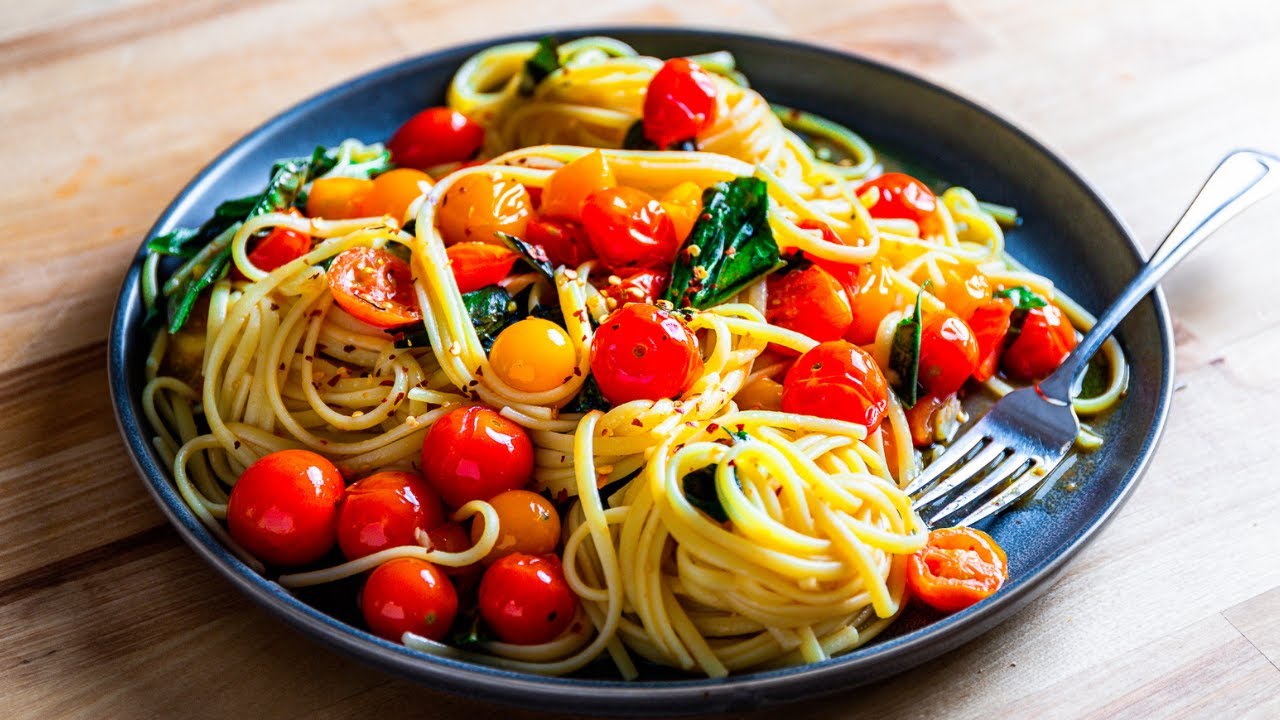
People also love recipes that look impressive without creating stress in the kitchen. Cherry tomato pasta checks that box easily. When the tomatoes wrinkle and burst into a glossy pan sauce, the dish suddenly looks like something you would order at a cozy Italian restaurant. Yet the process is simple enough for beginners. That balance matters. Good home cooking often comes down to finding recipes that feel achievable and rewarding at the same time. This one does exactly that.
There is also a practical side to its popularity. Many of the ingredients are pantry staples or easy grocery items. Pasta, olive oil, garlic, salt, pepper, and cherry tomatoes are not hard to find. Fresh basil and Parmesan add a lot, but even those are common enough to keep this recipe realistic. It does not require specialty items that get used once and forgotten in the back of the fridge. That makes it easier to return to again and again.
The dish also fits different eating styles. It can be vegetarian as written, upgraded with grilled chicken or shrimp, or adapted with gluten-free pasta. That kind of versatility is gold in a home kitchen. One base recipe can serve several tastes without turning dinner into a juggling act. It is no surprise that so many people search for a step-by-step cherry tomato pasta guide. It is the type of meal that makes you feel like you cooked something meaningful, even when the cooking itself was refreshingly simple.
Flavor Profile You Can Expect
The flavor of cherry tomato pasta is bright, savory, and balanced, with just enough richness to feel satisfying. The first thing you notice is the natural sweetness of the tomatoes. Cherry tomatoes are small, but they carry a lot of concentrated flavor, especially when cooked. As they soften, their sugars become more noticeable, and that sweetness plays beautifully against the salt, garlic, and olive oil. It is not sugary sweet in the dessert sense. It is more like the sweetness of a perfectly ripe tomato at the height of the season—clean, juicy, and a little sun-kissed.
Garlic gives the dish its backbone. Without it, the tomatoes might feel too soft and gentle. With it, the sauce gains depth and aroma. Olive oil ties everything together, adding body and helping carry the flavor across the pasta. Then you get the final touches: basil for freshness, Parmesan for savory richness, black pepper for subtle heat, and perhaps red pepper flakes if you want a little spark. These layers build a dish that tastes more complex than its ingredient list suggests.
Texture matters just as much as flavor here. The sauce is usually light rather than heavy, but it still clings to the pasta when made well. Some tomatoes break down completely, while others stay partly intact, giving you little bursts of juicy flavor in each bite. That contrast is part of the charm. It keeps the dish from becoming flat or one-note. The pasta itself adds chew and structure, becoming the stage for the sauce to shine.
What makes this recipe so appealing is that it feels fresh without being austere. It is not a salad pretending to be dinner. It is real comfort food, just wearing brighter colors. The result is a bowl of pasta that feels uplifting rather than sleepy. You finish it feeling satisfied, not weighed down. That is a big reason this recipe earns a permanent place in so many kitchens.
Ingredients You’ll Need
The ingredient list below is separated into essential items and optional extras so you can choose your own version. If you stick to the main list, you will still end up with a delicious pasta. The optional ingredients simply help you customize the dish based on mood, season, or whatever you already have at home.
Main Ingredients for the Pasta
For the best classic version of this recipe, gather the following ingredients:
- 12 ounces pasta such as spaghetti, linguine, penne, or fusilli
- 2 pints cherry tomatoes, washed and dried
- 4 to 5 cloves garlic, thinly sliced or finely minced
- 3 tablespoons extra virgin olive oil
- 1 teaspoon salt, plus more for the pasta water
- 1/2 teaspoon black pepper
- 1/4 to 1/2 teaspoon red pepper flakes for gentle heat
- 1/2 cup grated Parmesan cheese, plus extra for serving
- 1/2 cup reserved pasta water
- 1 handful fresh basil leaves, torn or sliced
- 1 tablespoon butter optional, for extra richness at the end
Each ingredient plays a specific role. The pasta provides structure, but it also absorbs flavor as it finishes in the sauce. The cherry tomatoes are the heart of the dish, and using enough of them ensures the sauce feels generous instead of sparse. Garlic adds warmth and depth, while olive oil creates a glossy texture. Parmesan brings saltiness and umami, giving the dish that craveable savory finish. Basil brightens the entire bowl and makes it smell as good as it tastes.
One small but important note: salt your pasta water well. Pasta itself is bland without seasoning, and salted water gives the noodles flavor from the inside out. That matters in a dish like this because the sauce is light and clean. Every layer needs to pull its weight. When these ingredients come together, they form a pasta that tastes simple, but never plain.
Optional Add-Ins and Garnishes
One of the best things about this recipe is how easily it adapts to your taste. The classic version is excellent on its own, but optional add-ins can take it in different directions without losing the spirit of the dish. Think of the base recipe like a white shirt: crisp, reliable, and easy to style up or down. You can keep it minimal and elegant, or you can add texture, protein, and extra layers of flavor.
Here are some optional ingredients you can use:
- Fresh mozzarella pearls or torn burrata for creaminess
- Grilled chicken for a more filling meal
- Sautéed shrimp for a quick seafood version
- Baby spinach stirred in at the end
- Toasted breadcrumbs for crunch
- Lemon zest for brightness
- Pesto for an herby twist
- Olives or capers for a salty punch
- Roasted zucchini or mushrooms for more vegetables
- Pine nuts for nutty richness
Garnishes also matter more than people think. A shower of extra Parmesan, a few fresh basil leaves, a drizzle of good olive oil, or a pinch of flaky salt can turn a nice pasta into one that feels polished. Texture helps too. If the dish is all softness, toasted breadcrumbs or pine nuts can add contrast and make each bite more interesting.
The trick is not to overload the pasta. This recipe shines because the tomatoes remain the star. Optional ingredients should support that brightness, not bury it. A little burrata can make the bowl feel luxurious, but too much can smother the tomato flavor. A handful of spinach can add color and nutrition, but too much can shift the balance. Keep the add-ins intentional, and the dish will still feel focused. That is how you customize a recipe without turning it into kitchen chaos.
Kitchen Tools That Make Cooking Easier
You do not need a professional kitchen to make excellent cherry tomato pasta, but having the right tools does make the process smoother. This is one of those recipes where timing matters. The pasta should be ready when the sauce is ready, the tomatoes should burst without burning, and the final mixing stage should feel easy rather than cramped. Good tools help you stay in control and reduce the chance of little frustrations adding up. Nobody wants to fight with a tiny pan while tomatoes roll around like marbles.
The most important thing is using equipment that matches the job. A large pot for boiling pasta gives the noodles room to move, which helps them cook evenly and prevents sticking. A wide skillet or sauté pan is ideal for the sauce because it gives the tomatoes space to blister and burst. That space matters more than people realize. If the pan is too crowded, the tomatoes steam instead of roast and soften. You still get a sauce, but you miss some of that concentrated flavor.
A good knife and cutting board also deserve a mention, even though this recipe is not knife-heavy. Garlic needs to be sliced or minced, basil needs to be torn or chopped, and sometimes a few tomatoes may need halving if they are unusually large. Clean prep leads to smoother cooking. Since this recipe comes together fairly quickly, it helps to have everything ready before the heat goes on.
None of this needs to be fancy. The point is to remove friction from the cooking process. A reliable skillet, a proper pasta pot, and a few simple prep tools are enough to make the dish feel straightforward from start to finish. Once you have those basics in place, the cooking becomes less about managing equipment and more about paying attention to flavor, texture, and timing.
Essential Equipment
The essential tools for this recipe are simple, but each one earns its place. First, you need a large pot for boiling pasta. Pasta swells as it cooks, and it needs enough water and space to move around. Using a pot that is too small is like trying to swim laps in a bathtub. The noodles clump, the water temperature drops too much, and the result is uneven cooking. A roomy pot helps you avoid all that.
Second, you need a wide skillet or sauté pan. This is where the tomatoes, garlic, olive oil, and seasonings come together. A wide surface helps the cherry tomatoes blister and soften without piling on top of each other. That means better flavor and better texture. If the pan is deep but narrow, the tomatoes are more likely to steam, and the sauce can feel less lively. Width is your friend here.
A colander is essential for draining the pasta, though you should be careful to reserve some pasta water before dumping everything out. A wooden spoon or silicone spatula is helpful for stirring the sauce and tossing the pasta gently. You want a tool that can move ingredients around without crushing every tomato into mush. A chef’s knife and cutting board round out the list for prepping garlic, basil, and any optional add-ins.
These are not glamorous tools, but they are the backbone of the recipe. Good cooking is often less about fancy gadgets and more about having the right basics within reach. When your tools are appropriate for the task, the whole meal comes together with less mess, less stress, and better results.
Helpful but Optional Tools
Optional tools are not required, but they can make the recipe more comfortable and polished, especially if you cook pasta often. A pasta spoon or pasta fork makes transferring long noodles like spaghetti or linguine easier than using regular tongs alone. It gives you better grip and makes the final tossing stage feel more controlled. A pair of kitchen tongs is also excellent for mixing pasta into the sauce, especially when you want to lift and fold rather than stir aggressively.
A microplane or fine grater is incredibly useful for Parmesan. Pre-grated cheese works in a pinch, but freshly grated Parmesan melts better and tastes fresher. A microplane also lets you add a little lemon zest if you want that extra bright finish. Tiny tool, big payoff. A ladle or measuring cup helps you reserve pasta water neatly before draining, which is one of those small actions that can save the whole sauce.
Some home cooks also like using a splatter screen when blistering tomatoes, especially if the pan is hot and the tomatoes are very juicy. Cherry tomatoes can pop a little as they burst, and a screen keeps the stovetop cleaner. It is not essential, but it can make cooking more relaxed. A serving bowl warmed with hot water is another nice touch if you want the pasta to stay hot longer on the table.
These extras are not about turning a simple recipe into a performance. They are about smoothing out the edges and making cooking feel natural. Like wearing good shoes on a long walk, the right optional tool does not change the destination, but it certainly makes the journey easier.
How to Choose the Best Cherry Tomatoes
When a recipe has a short ingredient list, quality matters more. Cherry tomatoes are the star of this dish, so choosing good ones makes a real difference. The ideal cherry tomato is firm but not hard, glossy, richly colored, and a little fragrant if you bring it close. It should feel alive, not tired. Tomatoes that are wrinkled, pale, or mealy will still cook down, but they will not give you that same sweet, vibrant flavor. Since the sauce depends on the tomatoes releasing their juices, you want fruit that actually has juice and character to give.
Color is one clue, but not the only one. Bright red cherry tomatoes are classic, though yellow or orange varieties can also work beautifully and add a slightly different sweetness. Heirloom cherry tomatoes often have more complex flavor, but standard supermarket ones are perfectly usable when chosen carefully. The key is ripeness. Tomatoes picked too early can taste flat, and no amount of garlic or cheese can completely fix that. This recipe is simple, not magical.
Season matters, too. In peak tomato season, cherry tomatoes can taste almost candy-sweet and incredibly juicy. Out of season, they may be less expressive, but roasting or blistering still helps concentrate their flavor. That is one reason this dish works year-round. Heat can coax more personality out of decent tomatoes. Still, starting with the best ones you can find always pays off.
When shopping, take a quick moment to inspect the container. Look for tomatoes that are similar in size, because that helps them cook more evenly. Avoid containers with a lot of split skins or pooled liquid at the bottom, which can suggest age or rough handling. A little attention in the produce aisle can improve the final dish more than any fancy garnish ever will.
Fresh vs Store-Bought Convenience Options
Fresh cherry tomatoes from a farmers market are wonderful when available, but store-bought cherry tomatoes can also produce an excellent pasta. The difference often comes down to sweetness, aroma, and depth of flavor. Farmers market tomatoes tend to be harvested closer to peak ripeness, which means they may taste fuller and more fragrant. Store-bought tomatoes are often bred for durability and shelf life, which can sometimes reduce complexity. Even so, they remain one of the better supermarket tomato choices because their smaller size helps preserve flavor.
That is why cherry tomatoes are such a smart pick for pasta. Compared with larger standard tomatoes, they usually taste more reliable across seasons. Their natural sweetness and lower wateriness make them ideal for quick sauces. You do not need to peel them, seed them, or simmer them forever. They are convenient in the best sense: not lazy, just efficient. They let you skip tedious prep while still ending up with a sauce that tastes fresh and vibrant.
Packaged store-bought tomatoes can vary a lot, though. Tomatoes still attached to the vine often look attractive and sometimes smell more aromatic, but appearance is not everything. The best choice is usually the container with tomatoes that look plump, shiny, and deeply colored. If you can gently shake the box and see that the tomatoes are not mushy or split, that is a good sign.
Canned tomatoes are excellent in many pasta sauces, but for this particular dish, they create a different result. You lose that signature burst-and-blister texture that makes cherry tomato pasta feel special. Fresh tomatoes give the dish its character. They collapse slowly, releasing pockets of juice and creating a sauce with both body and texture. That is hard to duplicate with canned tomatoes. For this recipe, fresh is not just a preference. It is part of the whole point.
Signs of Ripe and Sweet Tomatoes
A ripe cherry tomato usually tells on itself in subtle ways. First, look at the color. You want tomatoes that are richly red, yellow, or orange depending on the variety, without looking washed out or unevenly pale. Deep color usually signals better ripeness. The skin should be smooth and taut, but not so tight that the tomato feels rock hard. Firm is good. Hard as a marble is not.
Touch gives you another clue. A good cherry tomato has a slight give when gently pressed, but it should not feel soft or saggy. Too soft can mean overripeness, which may lead to a mushy sauce with less fresh flavor. Too hard can mean it was picked early and may taste bland. You are aiming for that middle ground where the tomato feels springy and full, like it is just waiting to burst in the pan.
Smell is one of the most useful signs, especially if the tomatoes are on the vine. Ripe tomatoes often have a faint sweet, green aroma near the stem. It is not overpowering, but it is there. If they smell like almost nothing, they may taste like almost nothing too. This is not a strict rule, but it is a helpful clue. Great tomatoes often smell like the garden even before you cook them.
Finally, inspect the package for damage. Split skins, leaking juice, and shriveled surfaces are signs that the tomatoes are past their best. One or two imperfect tomatoes are not the end of the world, but a whole container of tired fruit will affect the result. Since this recipe depends so heavily on the tomatoes carrying the sauce, selecting ripe, sweet ones is one of the smartest moves you can make. It is the difference between a decent bowl of pasta and one that makes you pause after the first bite.
Step-by-Step Guide for Cherry Tomato Pasta
Step 1: Prep the Ingredients First
Start by washing the cherry tomatoes, peeling and chopping the garlic, and getting your herbs, cheese, and seasonings ready. If you are using fresh basil, slice or tear it into smaller pieces. Preparing everything before cooking makes the process smoother and helps you move quickly once the pan is hot.
Step 2: Boil the Pasta Properly
Bring a large pot of salted water to a boil and cook the pasta until it is just al dente. Stir it a few times so it does not stick together. Before draining, save a little pasta water because it can help loosen the sauce later and make it cling better to the pasta.
Step 3: Build the Tomato Garlic Sauce
Heat olive oil in a pan over medium heat, then add the garlic and cook briefly until fragrant. Add the cherry tomatoes and let them cook until they soften and begin to burst. Season with salt, pepper, and optional chili flakes, then stir gently to create a light, fresh sauce.
Step 4: Combine Pasta and Sauce
Add the drained pasta directly into the pan with the tomato sauce. Toss everything together so the pasta gets coated well. If the mixture seems dry, pour in a small splash of the reserved pasta water and stir again until the sauce becomes glossy.
Step 5: Finish with Herbs, Cheese, and Texture
Turn off the heat and add fresh herbs like basil for a bright finish. Sprinkle in grated Parmesan or your preferred cheese, then toss lightly. Serve warm with extra cheese, black pepper, or a drizzle of olive oil on top for even more flavor.
Common Mistakes to Avoid
Simple recipes can be deceptive. Because there are not many ingredients or steps, every decision shows up more clearly in the final result. Cherry tomato pasta is forgiving in some ways, but a few common mistakes can flatten the flavor or throw off the texture. The good news is that these mistakes are easy to avoid once you know what to watch for. Most of them come down to patience, seasoning, and timing.
One frequent mistake is using heat incorrectly. Too low, and the tomatoes slowly slump into softness without developing much flavor. Too high, and the garlic burns before the tomatoes have time to burst properly. Another common issue is treating pasta and sauce like separate things rather than finishing them together. That final toss with pasta water is not just a flourish. It is one of the reasons the dish feels cohesive and polished.
Seasoning is another area where things can go wrong. Because the ingredients are fresh and clean, some cooks underseason out of caution. The result can taste flat even when everything is technically cooked correctly. Salt is not there to make the dish salty. It is there to help the tomatoes taste more like themselves, the cheese taste more savory, and the pasta taste like more than plain starch.
Then there is overcomplication. This dish does not need ten extra ingredients to prove itself. Adding too much can muddy the bright tomato flavor that makes it appealing in the first place. Like a clear song played on too many instruments, the original melody can get lost. Keep the core intact, and the recipe will reward you.
Overcooking Pasta or Tomatoes
Overcooking is probably the easiest way to take the shine off this dish. Pasta that cooks beyond al dente loses its pleasant chew and starts to feel soft or heavy. In a rich baked pasta, that may be less noticeable, but in cherry tomato pasta, texture is part of the experience. The noodles should feel lively and structured, not limp. Since the pasta finishes briefly in the skillet, pulling it from the water a bit earlier is usually the smarter move.
Tomatoes can also be overcooked. At first glance, that might sound strange because tomatoes do break down into sauce. But there is a sweet spot. You want them blistered, burst, and juicy, with some still holding partial shape. If cooked too long, they lose that fresh brightness and become duller in flavor. The sauce may turn muddy instead of vibrant. It still works, but it no longer tastes like the dish’s best version.
Watch the pan as the tomatoes cook. You are looking for signs of life: wrinkled skins, released juices, and softening structure. Once many have burst and the sauce looks glossy, you are there. You do not need to cook them until they disappear completely. Leave a little texture behind. It makes the sauce more interesting and helps it feel homemade in the best sense.
Cooking is often about knowing when to stop. That is especially true here. A recipe this simple depends less on tricks and more on good timing. Pull the pasta at the right moment, let the tomatoes burst without collapsing into exhaustion, and you will keep the dish bright, balanced, and deeply enjoyable.
Underseasoning the Final Dish
Underseasoning is a quiet problem because the dish can still look beautiful even when the flavor is slightly muted. Tomatoes, pasta, olive oil, and garlic all need salt to fully express themselves. Without enough seasoning, the dish tastes like it is speaking in a whisper. You can tell the ingredients are good, but they never quite come together into a confident whole. That is why seasoning at multiple stages matters so much.
Start with the pasta water. This is not optional flavor support. It is foundational. Pasta cooked in unsalted water will taste bland all the way through, and no amount of cheese on top can fully fix that. Then season the tomato sauce as it cooks. Salt helps pull moisture from the tomatoes and intensifies their natural sweetness. Black pepper and red pepper flakes add dimension, but they cannot replace salt’s basic role in building flavor.
The final tasting stage is where many cooks miss their chance. Once the pasta and sauce are combined, taste again. The Parmesan adds saltiness, yes, but it may not be enough depending on the tomatoes and pasta water. A final pinch of salt or another grind of black pepper can make the whole dish suddenly come into focus. It is like adjusting the sharpness on a camera lens. The picture was there, but now it is clear.
Seasoning does not mean making the dish aggressive. It means making it vivid. The right amount of salt lets the tomatoes shine, the basil feel fresher, and the cheese taste deeper. A well-seasoned cherry tomato pasta feels complete, like every ingredient found its voice. That is the difference between a nice dinner and one people ask you to make again.
Serving Ideas for Cherry Tomato Pasta
A good bowl of cherry tomato pasta can absolutely stand on its own, but serving it thoughtfully can turn it into a more complete and memorable meal. Because the dish is fresh, bright, and not too heavy, it pairs well with sides that either echo that lightness or offer contrast. You can keep things casual for a quick family dinner or dress it up for guests with a few simple additions. This is one of those meals that adapts to the mood of the table.
When planning sides, think balance. Since the pasta is soft, juicy, and savory, something crisp can work well alongside it. Since the tomatoes bring acidity and sweetness, something mild and creamy can also be a smart companion. You do not need an elaborate spread. Often, one side and a finishing touch are enough. The pasta should remain the main character, not get buried under an overcrowded menu.
Serving style also changes the experience. Twirling pasta into shallow bowls with extra basil and Parmesan feels elegant and intentional. Scooping it into large family-style platters makes the meal feel cozy and generous. Neither is better. It depends on the occasion. The recipe works in both settings because it carries a natural charm. It is simple food with a polished side.
Another strength of this dish is that it fits different times of year. In summer, it tastes like sunshine and pairs beautifully with salads and grilled vegetables. In cooler months, it offers brightness when heavier meals start to dominate. That flexibility makes it a valuable recipe not just to cook, but to serve well.
Best Side Dishes to Pair With It
The best sides for cherry tomato pasta are usually simple and complementary. A green salad with a light vinaigrette is one of the easiest and smartest pairings. The crisp lettuce and acidic dressing refresh the palate and make the pasta feel even brighter. Arugula, spinach, or mixed greens all work well. You can add shaved Parmesan or lemon dressing to tie the flavors together without repeating the dish exactly.
Garlic bread or a crusty loaf of bread is another excellent choice. Since the sauce is juicy and flavorful, having bread on the table means none of it goes to waste. Few things are as satisfying as dragging a piece of warm bread through the last glossy streaks of tomato sauce in the bowl. It turns the meal from good to deeply comforting. A side of roasted vegetables, such as zucchini, asparagus, or eggplant, can also work beautifully, especially if you want the meal to feel a little more substantial.
For a protein pairing, grilled chicken or seared shrimp fit naturally without stealing the spotlight. They can be served on the side or added directly to the pasta. If you want a lighter approach, a small plate of fresh mozzarella with olive oil and black pepper can echo the Italian-style simplicity of the meal. The goal is not to build a banquet. It is to support the pasta with flavors and textures that make sense.
The best side is often the one that lets the pasta remain central while filling out the meal. Fresh, crisp, and uncomplicated is usually the right direction. This dish already brings plenty of flavor. Your sides just need to shake its hand, not compete for the microphone.
How to Serve It for Guests or Family Dinner
Serving cherry tomato pasta for family is wonderfully easy because it feels comforting and familiar. Pile it into a large warm bowl or platter, scatter extra basil over the top, and set out Parmesan at the table so everyone can finish their portion their own way. Family-style serving makes the meal feel relaxed and generous. It invites people to dig in, go back for seconds, and enjoy the kind of dinner that creates conversation without demanding ceremony.
For guests, the same recipe can be plated a little more elegantly with almost no extra work. Use tongs to twirl the pasta into individual shallow bowls, spoon extra tomatoes over the top, then finish with a drizzle of olive oil, fresh basil, and a final dusting of Parmesan. Add toasted breadcrumbs or a small spoonful of burrata for visual appeal and richer texture. Suddenly, a very approachable recipe looks restaurant-worthy. It is a nice reminder that presentation often depends more on care than complexity.
Timing matters when serving this dish. Cherry tomato pasta is best enjoyed hot and fresh, when the sauce is glossy and the basil is fragrant. It does not want to sit around too long before eating. So have the table ready before the final toss if possible. That way you can move from skillet to plate without losing heat or texture.
Whether you are serving kids on a school night or friends on a weekend, the charm of this dish stays the same. It feels bright, homemade, and welcoming. It is not trying to impress through extravagance. It impresses by tasting exactly the way a fresh pasta dinner should taste—simple, vivid, and deeply satisfying.
FAQs about Cherry Tomato Pasta Recipe
1. Can I use canned tomatoes instead of cherry tomatoes?
Yes, you can use canned tomatoes if fresh cherry tomatoes are not available. The flavor will be a little different, but the sauce can still taste delicious. Cherry tomatoes usually give the dish a sweeter and fresher taste.
2. What pasta works best for cherry tomato pasta?
Many pasta shapes work well, including spaghetti, penne, linguine, and fusilli. Long pasta gives the dish a classic feel, while short pasta holds the sauce nicely in each bite. The best choice often depends on your personal preference.
3. How do I make the sauce creamier?
You can make the sauce creamier by adding a little cream, cream cheese, mascarpone, or grated Parmesan. A splash of reserved pasta water also helps create a smoother texture. Stir everything gently until the sauce becomes glossy and silky.
4. Can I add protein to cherry tomato pasta?
Yes, this dish pairs well with grilled chicken, shrimp, salmon, or even chickpeas. Adding protein can make the meal more filling and balanced. It is a simple way to turn a light pasta dish into a complete dinner.
5. How do I store leftover cherry tomato pasta?
Store leftovers in an airtight container in the refrigerator for up to 3 days. Reheat gently in a pan or microwave, adding a splash of water if the pasta seems dry. This helps bring back some moisture to the sauce.
6. What herbs go well with cherry tomato pasta?
Fresh herbs like basil, parsley, oregano, and thyme go very well with cherry tomato pasta. Basil is especially popular because it adds a fresh and slightly sweet flavor. You can use one herb or combine a few for more depth.
Conclusion
This dish works because it respects the ingredients. It does not bury the tomatoes under a heavy sauce or drown the pasta in unnecessary extras. Instead, it lets each element do what it does best. The tomatoes soften and release their juices, the garlic adds warmth, the pasta water creates silkiness, and the herbs and cheese finish the bowl with freshness and depth. It is a lesson in how simple cooking can still feel complete.
At the center of it all is a very comforting truth: good food does not always come from complexity. Sometimes it comes from a handful of honest ingredients treated well. Cherry tomato pasta is exactly that kind of meal. Bright, cozy, practical, and beautiful on the plate, it earns its place in the regular dinner rotation with every forkful.