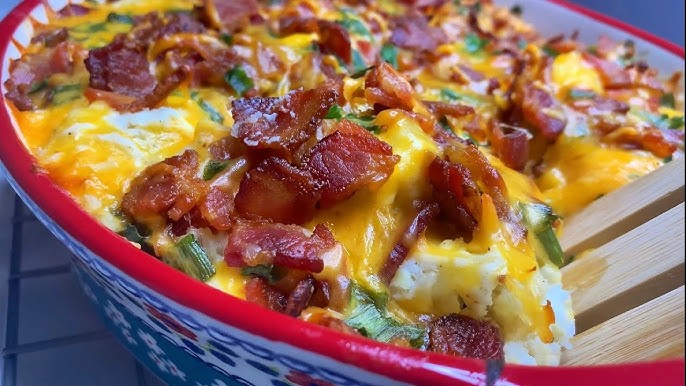
Cheesy Potato Casserole Recipe: Cheesy potato casserole is one of those dishes that never goes out of style. It’s warm, creamy, and full of comfort — the kind of meal that can turn an ordinary dinner into something special. Imagine layers of tender potatoes, smothered in a rich, velvety cheese sauce, baked until golden and bubbling. The smell alone is enough to get everyone to the table in record time.
This dish is incredibly versatile. It can be served as a side dish for a holiday dinner, paired with roasted meats, or even enjoyed as a main course with a fresh salad on the side. Its creamy texture and cheesy goodness make it a hit with kids and adults alike.
Part of its charm is how customizable it is. You can add crispy bacon for a smoky twist, vegetables for extra nutrition, or different cheeses for unique flavor profiles. Whether you’re preparing it for a family gathering, a potluck, or a cozy weeknight dinner, this casserole fits the bill perfectly.
Making it at home is surprisingly simple. You don’t need to be a professional chef — just follow a few easy steps, and you’ll have a dish that tastes like it came straight out of a restaurant kitchen. In this guide, we’ll walk you through everything you need to know: the ingredients, tools, preparation, baking, and even tips for storing leftovers.
So, get ready to roll up your sleeves, preheat your oven, and prepare for your kitchen to smell absolutely amazing. By the end of this, you’ll have a cheesy potato casserole recipe you can rely on for any occasion — and trust me, you’ll be making it again and again.
Why This Dish is a Family Favorite
Cheesy potato casserole has all the qualities of a perfect family dish — it’s filling, affordable, and appeals to even the pickiest eaters. The creamy, cheesy sauce wraps around each bite of tender potato, making every forkful a little piece of comfort.
Another reason families love it is because it’s a one-dish wonder. You don’t need multiple pots and pans; everything bakes together in a casserole dish. That means less time cleaning and more time enjoying the meal with loved ones.
It’s also a great make-ahead dish. You can prepare it earlier in the day (or even the night before), keep it in the fridge, and just pop it into the oven when you’re ready to bake. This makes it ideal for busy parents or anyone hosting a gathering.
In many households, this casserole is part of special traditions — maybe it’s served every Thanksgiving, or maybe it’s the go-to comfort food when someone needs cheering up. Whatever the occasion, it’s a dish that brings people together, sparks conversation, and fills bellies with deliciousness.
The beauty is in its flexibility. You can keep it classic with cheddar cheese and potatoes, or you can experiment with pepper jack for a bit of spice, add ham for a heartier meal, or sprinkle breadcrumbs on top for extra crunch. No matter how you tweak it, the essence of cheesy potato casserole remains the same: creamy, cheesy, and utterly satisfying.
Origins and Popularity
While cheesy potato casserole doesn’t have a single, clear historical origin, it’s deeply rooted in home cooking traditions, especially in North America. Many believe it’s an evolution of “potato gratin” — a French dish known for layering thinly sliced potatoes with cream and cheese.
Over time, home cooks in the U.S. adapted the recipe to be more practical and hearty. Instead of just cream, they started using condensed soups like cream of chicken or cream of mushroom for added flavor and convenience. Cheddar cheese became the most common choice, as it melts beautifully and has a rich, sharp taste.
The casserole gained popularity in the mid-20th century, during the boom of easy-to-make family meals. It was perfect for potlucks, church gatherings, and holiday dinners — anywhere people needed a dish that could feed a crowd without breaking the bank.
Today, you’ll find countless versions of cheesy potato casserole across different regions. In the Midwest, it’s sometimes called “funeral potatoes” because it’s a common dish served at gatherings after memorial services — offering warmth and comfort during hard times. In the South, you might find it with a little spice or even with layers of meat.
Its popularity isn’t slowing down anytime soon. The combination of cheese, potatoes, and a creamy base is universally loved, and with modern twists and healthier adaptations, it’s a recipe that continues to find its way into kitchens all over the world.
Ingredients You’ll Need
When it comes to making the perfect cheesy potato casserole, the ingredients are the foundation. Here’s what you’ll need to create the rich, creamy, cheesy goodness:
Fresh Ingredients:
- 6–8 medium-sized potatoes (Russet or Yukon Gold work best)
- 1 medium onion, finely chopped (optional for extra flavor)
- 2 cups shredded cheddar cheese (sharp cheddar for stronger flavor)
- 1 cup sour cream
- 2 cups whole milk or heavy cream
Pantry Staples:
- 1 can (10.5 oz) cream of chicken soup (or cream of mushroom for vegetarian)
- 4 tablespoons butter
- 2 teaspoons salt
- 1 teaspoon black pepper
- 1 teaspoon garlic powder
Optional Add-ins for Extra Flavor:
- 1 cup cooked bacon bits or diced ham
- 1 cup chopped bell peppers or broccoli florets
- ½ teaspoon smoked paprika for a smoky kick
- 1 cup mozzarella or Monterey Jack cheese for extra meltiness
Choosing fresh, high-quality ingredients makes a huge difference. Potatoes should be firm, without green spots or sprouts. Cheese should be freshly shredded if possible — pre-shredded cheese often contains anti-caking agents that can affect melting.
This combination of creamy, cheesy, and savory flavors creates a dish that’s indulgent yet comforting. Once you have everything ready, the rest is simply about layering and baking to perfection.
Kitchen Tools & Equipment
You don’t need a gourmet kitchen to make this casserole, but having the right tools will make the process smoother and more enjoyable. Here’s what you’ll need:
Essential Cooking Tools:
- Large mixing bowl — for combining your sauce and potatoes
- 9×13-inch baking dish — the perfect size for even cooking
- Saucepan — for preparing the cheese sauce if you’re making it from scratch
- Potato peeler — to remove skins easily
- Sharp knife — for slicing potatoes thinly and evenly
- Cutting board — to protect your counters
- Measuring cups and spoons — for accuracy
- Wooden spoon or spatula — for stirring
Tips for Making Cooking Easier:
- Use a mandoline slicer for perfectly uniform potato slices, which cook more evenly.
- Grease your baking dish with butter or cooking spray to prevent sticking.
- Prep all your ingredients before you start cooking — this “mise en place” approach saves time and stress.
Having these tools on hand ensures your cooking process flows smoothly from start to finish, giving you more time to enjoy the final dish with family and friends.
Step-by-Step Guide to Making Cheesy Potato Casserole
Step 1 – Preparing the Potatoes
The first step in making a delicious cheesy potato casserole is getting your potatoes ready. Start by washing them thoroughly under cool running water to remove any dirt. If you prefer a smoother texture, peel the potatoes using a vegetable peeler; if you like a rustic touch, you can leave the skins on for extra fiber and nutrients.
Next, slice the potatoes thinly — about ⅛ to ¼ inch thick. Even slices are important because they’ll cook at the same rate, avoiding a mix of mushy and undercooked pieces. A sharp knife works, but if you have a mandoline slicer, it can save you time and ensure precision.
Once sliced, place the potatoes in a large bowl of cold water. This step prevents them from browning and also washes away some of the surface starch, helping them bake up with a nice, tender bite instead of turning gummy. When you’re ready to use them, drain and pat them dry with a clean kitchen towel.
For a richer flavor, you can parboil the slices for 5–7 minutes in salted water before layering them in the casserole. This step slightly softens the potatoes and shortens baking time, ensuring that every bite is perfectly cooked.
Step 2 – Making the Creamy Cheese Sauce
The heart of this recipe is the cheese sauce. You can make it from scratch for the best flavor and texture. Start by melting butter in a medium saucepan over medium heat. Once melted, whisk in an equal amount of flour (about 4 tablespoons) to create a roux. Cook for about a minute to remove the raw flour taste.
Gradually whisk in your milk or cream, stirring constantly to prevent lumps. Continue cooking until the sauce begins to thicken, about 5–7 minutes. Lower the heat, then stir in your shredded cheddar cheese. Allow the cheese to melt completely, creating a smooth, rich sauce.
Season with salt, pepper, garlic powder, and a pinch of paprika for color and flavor. If you’re using condensed soup for convenience, simply mix it with milk and your seasonings — no roux needed. Either way, aim for a sauce that’s thick enough to coat the back of a spoon but still pourable.
Step 3 – Assembling the Casserole Layers
Grease your baking dish with butter or non-stick spray. Start by spreading a thin layer of cheese sauce on the bottom — this prevents sticking and adds flavor from the first bite. Next, add a layer of potatoes, slightly overlapping them like shingles. Spoon more sauce over the potatoes, spreading it evenly.
Repeat the process: potatoes, sauce, and optional toppings like bacon bits or vegetables. Keep layering until all your potatoes are used, finishing with a generous topping of sauce. Sprinkle extra shredded cheese on top for a beautiful golden crust when baked.
If you want a crunchy top, mix breadcrumbs with melted butter and sprinkle over the final cheese layer before baking.
Step 4 – Baking to Perfection
Preheat your oven to 375°F (190°C). Cover the casserole dish with aluminum foil and bake for about 45 minutes. This traps steam, helping the potatoes cook evenly. After 45 minutes, remove the foil and bake for another 20–25 minutes until the top is golden brown and bubbly.
To check doneness, insert a knife into the center — the potatoes should be tender and easy to pierce. Let the casserole rest for 10–15 minutes before serving; this allows the sauce to thicken and makes slicing easier.
Tips for the Perfect Casserole Every Time
Preventing Dryness
One of the biggest mistakes with cheesy potato casserole is letting it dry out. To prevent this, ensure your sauce has enough liquid before baking. If it looks too thick, whisk in a little extra milk or cream. Covering the dish for most of the baking time helps lock in moisture, while removing the foil near the end ensures you still get that crispy top.
Boosting the Cheese Flavor
While cheddar is the classic choice, mixing cheeses can make the flavor more complex. A blend of sharp cheddar, mozzarella, and Gruyère gives both meltability and depth. Adding a little Parmesan to the top before baking creates a salty, savory crust.
Variations of Cheesy Potato Casserole
Meat Lover’s Version
If you want to turn your casserole into a hearty main course, adding meat is the way to go. Cooked bacon, diced ham, shredded chicken, or even browned ground beef can be layered between the potatoes for extra protein and flavor. Bacon gives a smoky crunch, ham adds a salty kick, and chicken pairs beautifully with creamy cheese sauce.
To make this version, prepare the casserole as usual, but after each layer of potatoes and sauce, sprinkle in your chosen meat. If you’re using something like ground beef, make sure it’s fully cooked and drained before adding to avoid excess grease in the dish. This version is great for feeding a hungry crowd or for Sunday dinners when you want something filling and satisfying.
Vegetarian Delight
For a lighter and veggie-packed casserole, swap the meat for fresh vegetables. Broccoli florets, spinach, mushrooms, bell peppers, and zucchini all work well. Lightly sauté vegetables before adding them to the casserole to release moisture and prevent sogginess.
A vegetarian version pairs nicely with a salad for a complete meal and can be a colorful addition to any dinner table. You can also experiment with different cheeses like goat cheese or feta for a tangy twist.
Low-Carb Alternative
If you’re cutting down on carbs, you can substitute potatoes with thinly sliced cauliflower, rutabaga, or zucchini. These vegetables soak up the cheese sauce beautifully while keeping the dish lighter. Cooking times might be slightly shorter since these alternatives soften faster than potatoes, so keep an eye on the oven.
What to Serve with Cheesy Potato Casserole
Perfect Side Dishes
Cheesy potato casserole is rich and hearty, so pairing it with lighter, fresh sides balances the meal. A crisp green salad, roasted vegetables, or steamed green beans make excellent companions. For holiday dinners, it pairs perfectly with roasted turkey, glazed ham, or grilled chicken.
Beverages that Pair Well
The creamy, cheesy flavors go well with light, refreshing drinks. Try serving it with iced tea, sparkling water with lemon, or a crisp white wine like Chardonnay. If you prefer beer, a light lager or wheat beer complements the richness without overpowering it.
Storage & Reheating Instructions
How to Store Leftovers
Allow the casserole to cool completely before covering it with foil or transferring it to airtight containers. Store in the refrigerator for up to 4 days.
Reheating for Best Taste
For best results, reheat in the oven at 350°F (175°C) until warmed through. Cover with foil to keep moisture in, then remove foil in the last few minutes to re-crisp the top. The microwave works for quick reheating, but the texture is best from the oven.
Nutritional Information
Calorie Count per Serving
Cheesy potato casserole is indulgent, so it’s not exactly a low-calorie dish. On average, a serving (about 1 cup) contains:
- Calories: 300–400
- Protein: 10–15g
- Carbohydrates: 30–35g
- Fat: 15–20g
- Fiber: 2–3g
Exact numbers depend on your ingredients — using heavy cream and extra cheese will raise the calorie count, while lighter substitutions will lower it.
Tips for Making it Healthier
If you want to lighten things up without losing flavor, here are some swaps:
- Use low-fat milk or unsweetened almond milk instead of heavy cream.
- Replace some of the cheese with nutritional yeast for cheesy flavor without extra fat.
- Use Greek yogurt instead of sour cream for added protein.
- Add extra vegetables to increase fiber and reduce the potato content.
Common Mistakes to Avoid
Overcooking or Undercooking Potatoes
The trick to perfect texture is getting the bake time just right. Potatoes should be tender but not mushy. Slicing them evenly and parboiling can help avoid uneven cooking.
Using the Wrong Cheese
Not all cheeses melt well. Avoid pre-shredded cheese that contains anti-caking agents — they can make your sauce grainy. Freshly shredded cheddar, Gruyère, or Monterey Jack are your best choices for a smooth, creamy texture.
FAQs about Cheesy Potato Casserole Recipe
Q1: Can I make this ahead of time?
Yes! Assemble the casserole, cover tightly, and refrigerate for up to 24 hours before baking.
Q2: Can I freeze it?
Yes, but freeze before baking for the best texture. Wrap tightly in plastic wrap and foil, then bake straight from frozen, adding about 20 extra minutes to the cook time.
Q3: How can I make it spicier?
Add diced jalapeños, pepper jack cheese, or a pinch of cayenne pepper to the sauce.
Q4: Can I use frozen potatoes?
Yes, frozen hash browns work as a shortcut — just thaw and drain them before using.
Q5: How do I get a crispier top?
Add a breadcrumb and Parmesan mixture on top before baking, or broil for the last 2–3 minutes.
Conclusion
Cheesy potato casserole is the ultimate comfort food — warm, creamy, and endlessly customizable. Whether you stick with the classic version or try one of the variations, it’s a dish that will have people coming back for seconds every time. With the step-by-step instructions and tips we’ve covered, you’ll be able to make it perfectly every time, whether it’s for a weekday dinner, a holiday feast, or a potluck with friends.
So grab your potatoes, cheese, and baking dish — and get ready to make your kitchen smell like pure happiness.