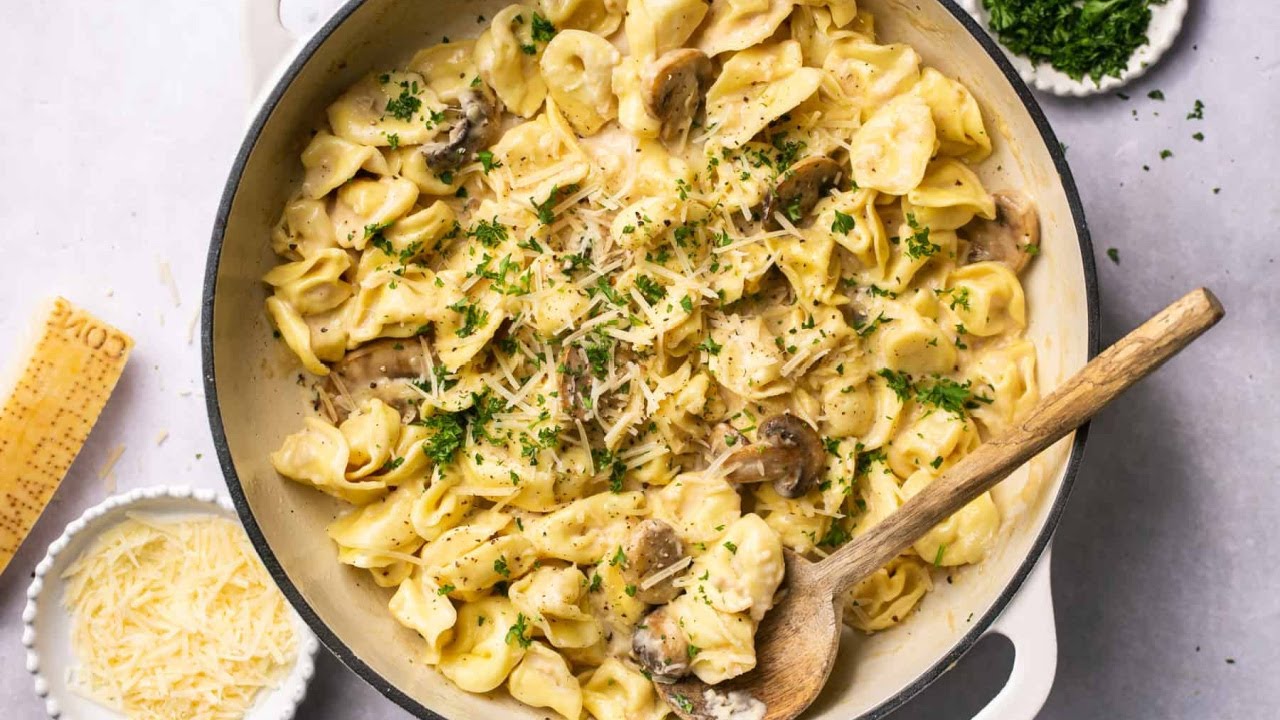
Cheese Tortellini Recipe: There are some meals that feel like a safety net in the kitchen, and cheese tortellini is one of them. It is quick enough for busy weeknights, comforting enough for chilly evenings, and flexible enough to dress up for guests without making you sweat over the stove for hours. That is the kind of recipe people return to again and again. A bowl of tender pasta stuffed with creamy cheese and coated in a rich sauce hits that sweet spot between easy and impressive. It feels like something you ordered at a cozy Italian restaurant, yet it is absolutely possible to make at home without any drama.
This guide walks you through the process in a way that feels manageable and practical. You will find a clearly listed ingredient section, step-by-step instructions, useful cooking tips, and serving suggestions that make the whole experience smoother. Whether you are cooking for yourself, your family, or guests, this cheese tortellini recipe can become one of those go-to meals you know by heart. And once that happens, dinner starts to feel a whole lot easier.
What Is Cheese Tortellini?
Cheese tortellini is a ring-shaped stuffed pasta that traditionally comes from Italy, especially the Emilia-Romagna region. It is usually filled with a blend of cheeses such as ricotta, Parmesan, Romano, or mozzarella, depending on the recipe and brand. The pasta itself is tender and delicate, while the filling adds a rich and creamy bite that turns a simple bowl of pasta into something much more satisfying. It is one of those foods that feels special even when it is incredibly easy to cook. Just looking at those little folded pasta pieces already makes the dish feel thoughtful and homemade.
The beauty of tortellini is that it gives you more flavor in every bite than plain pasta ever could. Instead of relying only on the sauce, the filling does part of the heavy lifting. That means even a basic sauce like melted butter and garlic can taste deeply satisfying when paired with cheese-stuffed pasta. It is a smart shortcut for home cooks because it creates a more layered flavor without demanding a lot of extra work. In a way, tortellini is like a ready-made flavor package wrapped in pasta.
Another reason cheese tortellini stands out is its versatility. You can boil it and toss it in marinara, cream sauce, pesto, olive oil, or even soup. It works in elegant dinners and in fast comfort meals. This flexibility is part of why it is so popular in home kitchens. People love recipes that give them room to adapt, and tortellini does exactly that. It is easy to personalize depending on what you have in the fridge, what your family likes, or how much effort you want to put in. That makes it not just delicious, but practical too.
Fresh vs. Frozen vs. Dried Tortellini
When shopping for cheese tortellini, you will usually see three main types: fresh, frozen, and dried. Fresh tortellini is often found in the refrigerated section and is the quickest to cook. It tends to have the softest texture and a more delicate bite, which many people prefer for creamy or buttery sauces. Frozen tortellini is another great option because it offers convenience and a longer shelf life while still holding onto a satisfying texture. Dried tortellini, found in the pasta aisle, is typically the most pantry-friendly and can be kept on hand for those nights when dinner needs to happen without a grocery run.
The best choice really depends on your priorities. If speed and texture matter most, fresh tortellini often wins. If you want something ready in the freezer for future meals, frozen is a smart pick. Dried tortellini is incredibly useful for stocking your pantry, and while it can be slightly firmer, it still delivers plenty of flavor when cooked correctly. Think of these choices like different routes to the same destination. One may be a little quicker, one may be more scenic, but they all get you to a good meal.
For this recipe, any of the three can work. The main thing is to follow the package cooking time and avoid overcooking. Tortellini cooks quickly, and once it goes too far, it can become mushy or even split open. That is why reading the label and testing one piece a minute early is such a smart move. It keeps the pasta tender while protecting the cheesy filling inside.
Why Cheese Tortellini Is a Weeknight Favorite
There is a reason cheese tortellini recipes keep showing up in busy households. They are fast, dependable, and incredibly satisfying. On a hectic evening, standing over a complicated recipe can feel exhausting before you even start. Tortellini changes that equation. It cuts down prep time and still gives you a meal that tastes like you made a real effort. That is a rare combination, and it is exactly why people lean on it so often.
Another advantage is how family-friendly it is. Cheese tortellini has a mild, creamy flavor that appeals to both kids and adults. It is filling without being too heavy, and it pairs well with common ingredients like garlic, cream, spinach, tomatoes, mushrooms, and chicken. So even picky eaters often find something to like. It is the sort of meal that can sit in the middle of the table and make everyone happy, which honestly feels like a small miracle on some nights.
Then there is the emotional factor. A warm pasta dinner has a comfort that goes beyond taste. It signals rest, ease, and the end of a long day. Cheese tortellini especially feels cozy because of the soft pasta and creamy filling. It is a little like wrapping dinner in a blanket. That comfort, paired with convenience, makes it a recipe worth learning well.
Ingredients You’ll Need
Below, the ingredients are broken into two categories so everything is easy to follow. The first list covers the essentials for making the main dish. The second includes optional ingredients that can add color, texture, or extra flavor if you want to customize the recipe. This makes the process much simpler because you can decide right away whether you are making a basic creamy cheese tortellini or a slightly more dressed-up version.
Ingredients for the Tortellini Dish
Here is the listed ingredient section for the main recipe:
- 20 ounces cheese tortellini (fresh, frozen, or dried)
- 2 tablespoons butter
- 3 cloves garlic, minced
- 1 tablespoon olive oil
- 1 cup heavy cream
- 1/2 cup grated Parmesan cheese
- 1/2 teaspoon salt
- 1/4 teaspoon black pepper
- 1/4 teaspoon Italian seasoning
- 1/4 teaspoon red pepper flakes (optional, for slight heat)
- 1/2 cup pasta water (reserved from boiling)
- 2 tablespoons chopped fresh parsley
- Extra Parmesan cheese, for serving
These ingredients create a creamy, savory, and balanced tortellini dish that feels restaurant-worthy without being difficult. The butter and olive oil form the flavor base, the garlic brings aroma, and the cream and Parmesan make the sauce rich and smooth. Reserved pasta water is a small but powerful detail because it helps loosen the sauce and bind everything together. That little splash can be the difference between a heavy sauce that sits on the pasta and a glossy one that hugs every bite.
Optional Add-Ins and Garnishes
If you want to customize the recipe, these optional ingredients work beautifully:
- 1 cup baby spinach
- 1/2 cup cherry tomatoes, halved
- 1/2 cup sautéed mushrooms
- Cooked shredded chicken or grilled chicken slices
- Cooked Italian sausage
- Fresh basil
- Toasted breadcrumbs
- Lemon zest for brightness
These extras can shift the whole personality of the dish. Spinach adds freshness and color, tomatoes give gentle acidity, and mushrooms bring earthy depth. Chicken or sausage can turn this into a heartier dinner for larger appetites. Even a sprinkle of toasted breadcrumbs can add a contrast that keeps the creamy texture from feeling too soft all the way through. It is like adding a crisp jacket to a soft sweater outfit; suddenly the whole thing feels more complete.
Kitchen Tools That Make the Process Easier
You do not need a fancy kitchen setup to make excellent cheese tortellini, but a few basic tools can make the cooking process much smoother. A large pot is essential because tortellini needs enough space to move around while boiling. Crowding the pasta can make it cook unevenly or stick together, and no one wants a clump of torn tortellini. A large skillet or sauté pan is also useful for making the sauce and tossing the cooked pasta. Ideally, it should be wide enough to allow the tortellini to coat evenly without breaking apart.
A slotted spoon can be surprisingly helpful here. Instead of draining the pasta completely in a colander, you can lift the tortellini gently out of the pot and transfer it straight into the sauce. That gives you better control and helps protect the delicate shape of the pasta. Measuring cups and spoons matter too, especially for cream, cheese, and seasoning, since balance is key in a simple recipe like this. A microplane or fine grater is another nice touch because freshly grated Parmesan melts better and tastes brighter than the pre-shredded kind.
What really matters is not having the trendiest equipment but understanding how your tools support the recipe. A good pan gives your sauce room to come together. A roomy pot gives your tortellini space to cook properly. These are not glamorous details, but they are the quiet helpers that keep the dish from becoming frustrating. In cooking, the right tool often feels less like a luxury and more like a shortcut to confidence.
How to Choose the Best Cheese Tortellini
Walking into the pasta aisle or refrigerated section can be a bit like scrolling a streaming app. There are so many options that even a simple choice can turn into a mini project. When choosing the best cheese tortellini, start by checking the type, filling, and ingredient list. Some brands lean heavily into ricotta, while others include Parmesan, Romano, or a blend of several cheeses. A good filling should sound flavorful, not vague. If the cheese blend looks rich and intentional, that is usually a promising sign.
Texture is another important factor. Fresh tortellini often gives the softest, most delicate result, which works beautifully in cream sauces like the one in this recipe. Frozen tortellini can be nearly as good and is often a reliable option for convenience. Dried tortellini is perfectly useful, but because it has a firmer structure, it may need a little extra care with timing. Overcooking is the real enemy here, no matter which type you choose. The filling should stay creamy, and the pasta should remain pleasantly tender rather than mushy.
Price does not always tell the full story, but quality usually shows up in the details. Look for tortellini with a visible shape and a decent amount of filling. If the pasta looks thin, compact, or poorly sealed, it may not hold up as well during cooking. The best package is the one that balances taste, texture, availability, and convenience for your kitchen. You are not just buying pasta; you are choosing the backbone of the meal.
Store-Bought Options
Store-bought tortellini is a lifesaver for home cooks because it cuts out the most labor-intensive part of the process. Making filled pasta from scratch can be rewarding, but it is not always realistic on a regular Tuesday night. Refrigerated tortellini tends to feel closest to homemade in texture, while frozen options are excellent for keeping on standby. Pantry-friendly dried tortellini is ideal for emergency dinners when the fridge looks uninspiring. Each type has its place, and there is no shame in taking the convenient route.
The trick is to buy from brands you trust and to test a few until you find your favorite. Sometimes one brand has a better pasta bite, while another has a richer cheese blend. That little bit of experimentation pays off because once you find a product you love, dinner planning becomes much easier. It is like finding a reliable coffee shop near home. Once you know it is good, you stop second-guessing and just enjoy the comfort.
Homemade vs. Packaged Tortellini
Homemade tortellini has undeniable charm. It feels personal, traditional, and deeply satisfying for people who enjoy making pasta by hand. The texture can be delicate and the filling can be customized exactly to your taste. But let us be honest: it is also a project. Rolling dough, filling each piece, and shaping the pasta takes time, patience, and some practice. It is wonderful for a weekend cooking adventure but not always practical for everyday life.
Packaged tortellini, on the other hand, brings speed and consistency. It lets you focus on building a great sauce and getting dinner on the table while still enjoying the flavor and comfort of stuffed pasta. For this recipe, packaged tortellini is the smartest choice for most people. It keeps things efficient without sacrificing the heart of the dish. Sometimes convenience is not cutting corners; it is just choosing the route that makes cooking feel enjoyable instead of exhausting.
Step-by-Step Guide to Making Cheese Tortellini
This is where the recipe really comes together. The process is straightforward, but timing and order matter more than you might think. Cheese tortellini cooks quickly, and cream sauce can shift from silky to too thick in a short amount of time.
Step 1 – Prepare Your Ingredients
Start by gathering everything you need before cooking. Set out the cheese tortellini, sauce ingredients, seasonings, and garnishes so the process feels easy and organized. This step may seem simple, but it makes a big difference because tortellini cooks quickly. When everything is ready, the whole dish comes together more smoothly.
Step 2 – Boil the Water Properly
Fill a large pot with water and bring it to a full boil. Add a good pinch of salt to the water, since this helps season the pasta as it cooks. The pot should be large enough to give the tortellini space to move around freely. Crowding the pasta can cause sticking, and nobody wants that.
Step 3 – Cook the Cheese Tortellini
Add the tortellini to the boiling water and cook according to the package directions. Stir gently once or twice so the pasta does not stick together. Cheese tortellini usually cooks quickly, and it is ready when it becomes tender and often floats to the top. Be careful not to overcook it, or the pasta may turn too soft.
Step 4 – Make the Sauce
While the tortellini cooks, prepare your sauce in another pan. You can use a simple butter and garlic sauce, a creamy sauce, or a light tomato sauce depending on your taste. Let it heat gently so the flavors blend well without burning. A good sauce should support the pasta, not overpower it.
Step 5 – Combine Everything Together
Drain the cooked tortellini and add it straight into the warm sauce. Toss gently so each piece gets coated without breaking apart. This is where the dish starts to feel complete and comforting.
Step 6 – Finish, Garnish, and Serve
Top with grated Parmesan, black pepper, chopped parsley, or fresh basil before serving. Serve the tortellini hot while the sauce is smooth and the pasta is tender. That final touch of garnish makes the dish look as good as it tastes.
Common Mistakes to Avoid
Even an easy cheese tortellini recipe can run into trouble if a few small details are missed. The most common mistake is overcooking the tortellini. Because it cooks so quickly, it can go from perfect to too soft in what feels like no time at all. Overcooked tortellini may split, lose the filling, or become mushy in the sauce. The fix is simple: start checking early and trust texture over the clock. Pasta should feel tender, not tired.
Another common issue is making the sauce too thick. Cream sauces reduce quickly, especially if the pan is too hot. If the sauce feels heavy or sticky, add reserved pasta water a little at a time to loosen it. That starch-rich water helps restore a smooth consistency without watering down the flavor. On the other hand, using too much cheese too quickly can also create clumping. Add Parmesan gradually and stir so it melts evenly into the cream.
Burning the garlic is another classic mistake. Garlic goes from fragrant to bitter very fast, which can shift the whole flavor of the dish. Medium heat is your friend here. A little patience gives you sweetness and aroma instead of bitterness. Finally, do not skip seasoning the pasta water. It may feel minor, but it shapes the flavor of the entire dish. In simple recipes, little details are not little at all. They are the difference between good and truly memorable.
Best Serving Ideas for Cheese Tortellini
A bowl of cheese tortellini can absolutely stand on its own, but pairing it with the right sides can turn a simple meal into a fuller dining experience. A crisp green salad with a lemony vinaigrette works beautifully because it cuts through the richness of the cream sauce. Garlic bread is another classic option, especially if you want something warm and comforting on the side. The crunch of toasted bread next to soft, creamy pasta creates a satisfying contrast that makes the whole meal feel more complete.
Roasted vegetables also pair well with tortellini. Broccoli, asparagus, zucchini, or Brussels sprouts add a savory bite and bring some balance to the plate. If you are serving guests, a platter with tortellini, a fresh salad, and roasted vegetables feels elegant without being overly formal. It is the kind of meal that looks like effort but does not require an all-day cooking session. That is always a win.
For heartier appetites, adding grilled chicken, shrimp, or Italian sausage makes the dish even more filling. These proteins blend especially well with creamy tortellini and help the meal stretch further for family dinners. You can also serve smaller portions of tortellini as a side dish next to baked chicken or fish. That flexibility makes the recipe practical for many kinds of meals, from cozy solo dinners to casual entertaining.
How to Store and Reheat Leftovers
Leftover cheese tortellini can be delicious the next day, but creamy pasta needs a little care if you want it to stay appealing. Store leftovers in an airtight container in the refrigerator for up to 3 days. The sauce will thicken as it sits, which is completely normal. Pasta absorbs moisture over time, so the dish may look drier the next day than it did fresh from the stove.
To reheat, place the tortellini in a skillet or saucepan over low heat. Add a splash of milk, cream, or even a little water to loosen the sauce. Stir gently until warmed through. This is much better than blasting it in the microwave until the edges turn rubbery and the center is still cold. Microwaving can work in a pinch, but use short intervals and stir between them for a more even result.
Freezing creamy tortellini dishes is possible, though the texture of the sauce may change slightly once thawed. If you know you want to freeze it, undercook the tortellini just a touch and reheat gently later. Still, this recipe is at its best fresh or refrigerated for a short time. Think of leftovers as a bonus lunch, not a long-term storage plan. They are delicious, but they do have a sweet spot.
FAQs about Cheese Tortellini Recipe
1. What is cheese tortellini made of?
Cheese tortellini is a stuffed pasta filled with a cheese mixture, often made with ricotta, Parmesan, mozzarella, or similar cheeses. The pasta itself is usually made from flour and eggs.
2. How long does cheese tortellini take to cook?
It usually cooks very quickly, often in about 3 to 7 minutes, depending on whether it is fresh, refrigerated, or frozen. It is usually ready when the pasta becomes tender and starts to float.
3. What sauce goes best with cheese tortellini?
Cheese tortellini pairs well with cream sauce, butter and garlic sauce, pesto, or tomato sauce. The best choice depends on whether you want something rich, light, or tangy.
4. Can I use frozen cheese tortellini?
Yes, frozen cheese tortellini works very well and is very convenient. You can cook it straight from frozen without thawing, though it may need a little extra cooking time.
5. How do I keep tortellini from falling apart?
Cook it gently in boiling water, stir carefully, and avoid overcooking it. Tortellini is delicate, so rough stirring or too much time in the pot can cause it to split.
6. Can I add vegetables or protein to cheese tortellini?
Yes, you can add ingredients like spinach, mushrooms, peas, chicken, or sausage to make the dish more filling and flavorful.
7. How should I store leftover cheese tortellini?
Store leftovers in an airtight container in the refrigerator for up to 3 days. Reheat gently on the stove or in the microwave with a little extra sauce or water to keep it from drying out.
Conclusion
The beauty of cheese tortellini is that it works for so many kinds of cooks and so many kinds of evenings. It is ideal when you need dinner fast, when you want something cozy, or when you want a recipe that leaves room for your own style. Add spinach, mushrooms, chicken, or tomatoes, or keep it beautifully simple with cream, garlic, and Parmesan. Either way, it delivers comfort in a very reliable way.
Once you make it a couple of times, this dish starts to feel like second nature. You stop reading every line, start trusting your timing, and find your own favorite version. That is when a recipe stops being just instructions and becomes part of your kitchen routine. And honestly, those are the recipes worth keeping.