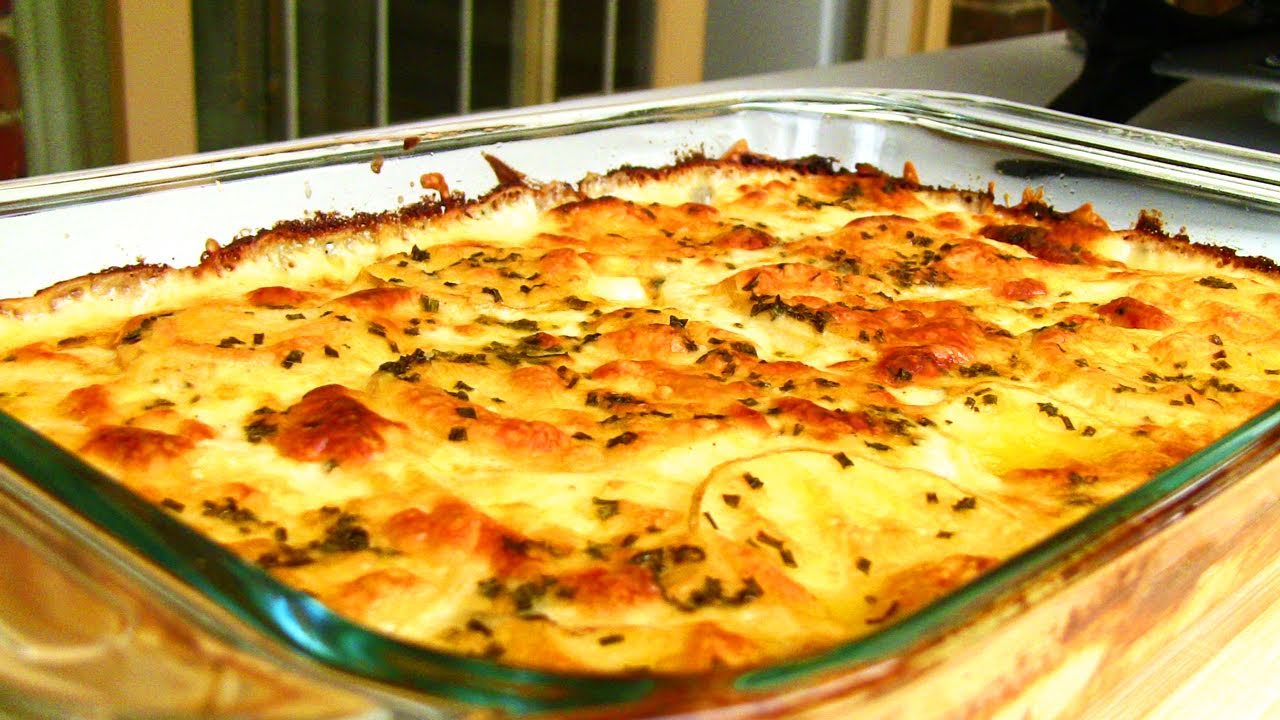
Cheese Potatoes Recipe: There is something almost impossible to resist about cheese potatoes. They bring together two comfort-food favorites in one dish: soft, hearty potatoes and rich, melty cheese. That combination feels warm, satisfying, and familiar, which is exactly why this recipe shows up everywhere from family dinners to holiday tables and potluck gatherings. It is the kind of side dish that disappears fast because it appeals to kids, adults, picky eaters, and people who simply love classic homemade food.
This guide is designed to make the process easy to follow from start to finish. Whether you are cooking for the first time or just looking for a better way to make cheesy baked potatoes, this recipe will help you create a dish that is flavorful, golden, creamy, and worth making again.
What Makes This Recipe Special
Not every cheese potatoes recipe turns out the way people hope. Sometimes the potatoes stay undercooked, the cheese becomes oily, or the whole dish feels heavy instead of comforting. This version is different because it focuses on balance. The potatoes become tender without turning mushy, and the cheese melts into a creamy mixture that coats every layer instead of sitting on top in a thick, greasy blanket. The result is rich, but still pleasant to eat.
This recipe also works well for home cooks because it uses everyday ingredients. There is no need for complicated sauces or hard-to-find cheeses. You can make a delicious tray of cheesy potatoes using common kitchen staples like potatoes, shredded cheese, butter, cream or milk, garlic, and seasoning. That simplicity makes the recipe practical, but the flavor still feels restaurant-worthy.
Another thing that makes this recipe stand out is the method. Instead of rushing straight into baking, each stage has a purpose. Washing and slicing the potatoes evenly helps them cook properly. Mixing the cheese base carefully prevents clumps and helps the texture stay smooth. Layering the ingredients evenly means every bite has the right amount of potato, cheese, and seasoning. It is like building a great sandwich—if each layer is done right, the whole thing becomes far better.
The recipe is also easy to adapt for your personal taste. You can keep it classic and creamy, or make it bold with herbs, chili flakes, or crispy bacon. You can serve it as a side dish or turn it into a more filling meal with extra toppings. That flexibility is part of what makes it such a strong recipe to keep in your kitchen rotation. Once you master the base version, you can play with it in all kinds of ways.
Ingredients You’ll Need
Below is a clear list of the ingredients you will need for a classic cheesy potato bake. This version serves around 6 people, depending on portion size and what else you are serving alongside it.
Main Ingredients
- 6 medium potatoes (Yukon Gold or Russet work best)
- 2 cups shredded cheddar cheese
- 1 cup mozzarella cheese
- 1 cup heavy cream or full-fat milk
- 2 tablespoons butter
- 3 cloves garlic, minced
- 1 small onion, finely chopped
- 1 teaspoon salt
- 1/2 teaspoon black pepper
- 1/2 teaspoon paprika
- 1 tablespoon chopped parsley for garnish
Optional Add-Ins
- 1/2 teaspoon chili flakes for heat
- 1/2 cup cooked bacon bits
- 2 tablespoons grated Parmesan cheese
- 1/2 teaspoon dried thyme or oregano
- 2 tablespoons cream cheese for extra richness
- Chopped green onions for topping
These ingredients work together in a very natural way. The cheddar gives the dish its bold, cheesy flavor, while mozzarella adds stretch and smoothness. Cream or milk softens everything and helps create that luscious texture people expect from cheesy potatoes. Butter adds richness, and garlic plus onion bring depth so the dish does not taste flat or one-dimensional.
The optional ingredients are useful if you want to put your own spin on the recipe. Bacon can add a smoky bite, Parmesan can make the top more savory, and herbs can freshen the overall flavor. Still, even the basic ingredient list is enough to make something memorable. That is the beauty of this dish: it starts with simple ingredients and turns them into something that feels generous and comforting.
Best Type of Potatoes for This Recipe
Choosing the right potato is more important than many people realize. Not all potatoes behave the same way in the oven, and the type you choose can affect whether your final dish is creamy, fluffy, firm, or watery. For a successful cheese potatoes recipe, the best options are usually Yukon Gold or Russet potatoes. Each has its own strength, and either one can work beautifully depending on the texture you want.
Yukon Gold potatoes are often the top choice for layered cheesy potatoes because they have a naturally buttery flavor and a creamy texture. They hold their shape well while still becoming soft when baked. That means you get neat layers and tender bites without everything falling apart. If you want a dish that feels smooth and rich without becoming too starchy, Yukon Gold potatoes are an excellent choice.
Russet potatoes, on the other hand, are higher in starch. They bake up softer and fluffier, which can make the dish feel extra comforting and hearty. They absorb cream and cheese very well, almost like a sponge soaking up flavor. The trade-off is that they can break down more easily, especially if sliced too thin or baked too long. Still, for people who love a softer, more casserole-like texture, Russets are a great option.
You should avoid waxy potatoes like red potatoes if you are aiming for a creamy, classic cheesy bake. They hold their shape well, but they do not absorb sauce the same way and can make the dish feel less cohesive. In the end, the best potato depends on the style you prefer, but for most home cooks, Yukon Gold offers the most reliable balance between structure, tenderness, and flavor.
Best Cheese to Use for Cheesy Potatoes
Cheese is the heart of this dish, so picking the right kind matters a lot. The best cheese potatoes recipe does not rely on just any cheese tossed over sliced potatoes. It uses cheese that melts well, tastes rich, and blends smoothly into the creamy base. That is why cheddar cheese is often the star of the recipe. It has a bold, savory taste that stands up well to the mild flavor of potatoes and gives the dish its signature cheesy character.
A mix of cheeses usually gives the best result. Sharp or medium cheddar adds depth and color, while mozzarella brings that soft, stretchy melt people love. Mozzarella alone can be too mild, but when paired with cheddar, it creates a texture that feels smooth and indulgent. It is a bit like combining strong coffee with cream—one brings intensity, the other balance. Together, they make the whole dish better.
If you want to add more flavor, a small amount of Parmesan can be sprinkled on top. It helps create a slightly crisp, golden surface and adds a salty, nutty finish. You can also try Monterey Jack, Gruyère, or Colby for variation, but it is best to keep at least one strong melty cheese in the mix so the potatoes do not taste bland. Pre-shredded cheese is convenient, but freshly grated cheese melts more smoothly because it usually contains fewer anti-caking agents.
One important tip is not to overload the recipe with too many cheese types. That can muddy the flavor and affect texture. A simple combination of cheddar and mozzarella is reliable, easy to find, and delicious. It creates the kind of cheesy bite that feels rich without becoming overwhelming. When the cheese is chosen well, it wraps around the potatoes like a warm blanket, turning a basic baked dish into something that feels deeply satisfying.
Kitchen Tools You Will Need
Before you begin cooking, it helps to have the right tools ready. A well-organized setup makes the whole recipe easier and reduces the chance of mistakes. The good news is that this cheese potatoes recipe does not require special equipment. Most of the tools are basic kitchen items that many people already have at home. Still, using the right ones can make the process smoother and help the dish turn out more evenly.
The most important item is a baking dish, preferably medium to large depending on how thick you want the layers. A glass or ceramic baking dish works especially well because it distributes heat nicely and lets you see how the potatoes are cooking around the edges. You will also need a sharp knife or mandoline slicer to cut the potatoes evenly. Even slices are key because they ensure all the potatoes cook at the same rate. If some pieces are thick and others are thin, the final texture can be inconsistent.
A mixing bowl is useful for combining the cheese, cream, seasoning, and other ingredients before layering. You will also want a cutting board, a small skillet or saucepan for sautéing onions and garlic if you choose to do that first, and a measuring cup and spoons so the seasoning stays balanced. A spoon or spatula helps spread the cheese mixture evenly between layers.
It is also a good idea to keep aluminum foil nearby. Covering the dish during the first stage of baking helps the potatoes soften without the cheese browning too quickly. Then you can remove the foil near the end to let the top turn golden and slightly crisp. These little tool choices may seem small, but they help the recipe come together with less stress and better results. Cooking becomes much easier when the setup supports the process.
How to Prepare Cheese Potatoes Properly
Step 1 – Wash, Peel, and Slice the Potatoes
Start by washing the potatoes thoroughly to remove any dirt. Peel them if you want a smoother texture, then slice them into even pieces so they cook at the same rate. Try not to cut some thick and others thin, or you may end up with a mix of soft and undercooked bites. Even slicing is like giving every potato piece the same chance to shine.
Step 2 – Prepare the Cheese Mixture
In a bowl, combine your cheese with ingredients like milk, cream, or a little butter, depending on the style you want. Stir until the mixture looks smooth and creamy. A good cheese mixture should be rich enough to coat the potatoes without becoming too heavy. This is what gives the dish its comforting, melt-in-your-mouth character.
Step 3 – Season Everything Well
Add salt, black pepper, garlic powder, onion powder, or a little paprika to boost the flavor. Seasoning matters because potatoes can taste plain on their own if left untouched. You want every layer to have a little personality, not just the cheese on top.
Step 4 – Layer the Potatoes and Cheese
Arrange a layer of potatoes in your baking dish, then spoon over some of the cheese mixture. Repeat the process until everything is used up. Layering helps spread the flavor evenly, so every serving tastes balanced and delicious.
Step 5 – Bake Until Tender and Golden
Bake in a preheated oven until the potatoes are soft and the top looks golden and bubbly. The edges should have a slightly crisp finish, while the inside stays creamy and tender.
Step 6 – Rest Before Serving
Let the dish rest for a few minutes before serving. This helps the layers settle and makes it easier to scoop. Serve warm for the best texture and flavor.
Tips for Making the Best Cheese Potatoes
A few practical tips can take your cheese potatoes recipe from decent to truly memorable. One of the most important is to slice the potatoes evenly. This sounds repetitive, but it matters that much. Even slices mean even cooking, which means you are far less likely to end up with half-tender and half-firm bites. A mandoline slicer is helpful, but careful knife work can do the trick just fine.
Another useful tip is to grate your own cheese whenever possible. Pre-shredded cheese is convenient, but it often contains anti-caking powders that can affect how smoothly it melts. Freshly grated cheddar and mozzarella usually create a creamier texture and better flavor. Since this recipe depends so heavily on the cheese itself, that one small change can improve the final dish more than people expect.
Do not skip the onion and garlic unless you really need a plain version. Those ingredients add depth and prevent the dish from tasting one-dimensional. Rich food needs a little structure underneath the surface, and aromatic ingredients provide that support. You should also avoid using too much liquid. More cream does not always mean better potatoes. If the mixture is too wet, the final bake can become heavy and watery instead of creamy.
Lastly, remember that golden color matters. Do not pull the dish out the moment the potatoes are soft. Give the top enough time to brown slightly because that toasted cheese layer adds contrast and flavor. The edges become a little crisp, the top turns inviting, and the whole tray looks much more appetizing. Great cheesy potatoes are not just soft and rich—they also have that irresistible baked finish that makes everyone want seconds.
Common Mistakes to Avoid
Even a simple dish like cheesy potatoes can go wrong if a few important details are missed. One of the biggest mistakes is slicing the potatoes too thick. Thick slices take much longer to cook, and by the time they soften, the cheese on top may already be overbrowned or oily. Thin, even slices are the best route to a balanced bake. Consistency here is everything.
Another common issue is using too much cheese without enough liquid or seasoning. More cheese sounds like a good idea in theory, but too much can create a greasy, heavy dish that lacks balance. Potatoes need moisture and seasoning as much as they need cheese. A well-made dish feels creamy and flavorful, not sticky and overloaded. Balance is what gives the recipe its comfort-food magic.
People also sometimes forget to cover the dish for the first part of baking. That often leads to a dark top and undercooked potatoes underneath. The foil traps heat and steam, helping the interior soften properly before the top gets its final color. Skipping that step is like trying to toast bread and bake dough at the same time—it rarely ends well. Another mistake is not resting the dish before serving, which can make it seem watery or unfinished.
One more thing to avoid is under-seasoning. Potatoes absorb flavor like a sponge, so they need enough salt and spice to come alive. Taste matters just as much as texture. When you avoid these simple mistakes, the whole recipe becomes more reliable. Instead of hoping the dish turns out well, you can cook with confidence and know it is likely to come out creamy, golden, and satisfying.
Easy Variations to Try
Once you have the classic version down, it becomes very easy to customize the recipe to suit your mood or the occasion. That is one of the reasons cheese potatoes are such a reliable favorite. The base recipe is comforting and simple, but it also leaves space for creativity. Small additions can completely change the flavor profile without making the cooking process more difficult.
One variation is to make the dish more savory and rich with bacon, green onions, and extra cheddar. Another is to add herbs, garlic, or chili flakes for a more aromatic and punchy result. You can even make it slightly lighter with milk instead of cream and a moderate amount of cheese, though the texture will be less indulgent. The nice thing is that the recipe is forgiving enough to handle these changes.
You can also adjust the form of the dish. Slice the potatoes thin for neat layers, or dice them into chunks for a more casual casserole style. Both approaches work, though the baking time may need slight adjustment. Some people even mix in cooked vegetables like broccoli or spinach to make the dish more substantial. That can be a great way to turn a side dish into something closer to a complete meal.
Below are two especially popular versions worth trying. They keep the spirit of the classic recipe intact while adding a little extra personality. If the original version is your cozy everyday sweater, these are like changing the color or adding a jacket—same comfort, slightly different style.
Garlic Cheese Potatoes
For garlic lovers, this variation is an easy winner. Increase the garlic from 3 cloves to 5 or 6 cloves, and consider using both sautéed garlic and a small pinch of garlic powder for a fuller flavor. Garlic works beautifully with potatoes because it adds warmth and aroma without overpowering the dish. When combined with melted cheese and cream, it creates a deep savory taste that feels bold but still comforting.
You can also add a little dried thyme or parsley to support the garlic notes. This version pairs especially well with roast chicken, grilled vegetables, or steak. The extra garlic gives the dish a slightly more grown-up flavor while still keeping it approachable. It is the sort of variation that makes people ask what you added because it tastes familiar, but somehow more intense in the best way.
Loaded Cheese Potatoes
This version takes inspiration from loaded baked potatoes and turns the recipe into something even more indulgent. Add cooked bacon bits, green onions, and an extra handful of cheddar cheese between layers or on top. You can also mix in a spoonful of sour cream or cream cheese for a richer finish. The result is hearty, savory, and packed with bold flavor.
Loaded cheese potatoes are perfect for gatherings, game nights, or meals where you want the side dish to feel almost like the main event. They are rich, yes, but also incredibly satisfying. Every bite has creamy potato, melted cheese, and salty smoky accents. It is the kind of dish that disappears quickly and gets talked about long after the plates are empty.
What to Serve with Cheese Potatoes
Cheese potatoes are rich and satisfying, so they pair best with foods that either complement their comfort-food vibe or balance their creaminess. One of the easiest pairings is roasted or grilled chicken. Chicken has a mild flavor that lets the potatoes shine, while the savory meat helps round out the plate. The same goes for grilled steak, meatloaf, or baked fish, depending on the mood of the meal.
If you want balance, fresh vegetables are a smart choice. A crisp green salad with a light dressing can cut through the richness of the cheese and cream. Steamed broccoli, green beans, or roasted carrots also work well because they bring freshness and texture contrast. Think of the meal like a conversation—cheesy potatoes are the loud, warm, charming guest, so it helps to invite a few calmer voices to the table.
Cheese potatoes also fit beautifully into holiday meals. They sit comfortably beside turkey, ham, or roast beef and feel right at home among other comforting sides. Their creamy texture and golden top make them ideal for occasions where people want generous, familiar food. At potlucks, they often become one of the most popular trays on the table because they are easy to serve and widely loved.
Even though they are usually considered a side dish, cheese potatoes can sometimes stand alone as a casual main meal, especially with toppings like bacon, green onions, or vegetables. Add a salad on the side, and you have a complete and satisfying dinner. That flexibility is part of what makes this recipe so useful. It can support the meal, or it can become the centerpiece depending on how you serve it.
How to Store and Reheat Leftovers
One of the best things about this recipe is that leftovers can still taste great the next day. To store them properly, let the dish cool completely first. Then transfer the leftovers to an airtight container or cover the baking dish tightly with foil or a fitted lid. Keep the potatoes in the refrigerator for up to 3 to 4 days. Because the dish contains dairy, it should not be left at room temperature for too long after serving.
When reheating, the oven is usually the best method if you want to preserve texture. Place the leftovers in an oven-safe dish, cover loosely with foil, and warm at 350°F (175°C) until heated through. Covering helps prevent the top from drying out too much. If the potatoes seem a little dry, add a small splash of milk or cream before reheating. That can bring back some of the original creamy texture.
The microwave works too, especially for individual portions, but the texture may become softer and less structured. It is convenient, though, and still delicious for a quick meal. Reheat in short intervals and stir gently if needed. Just be careful not to overheat, because cheese can become oily when pushed too far.
Freezing is possible, though the texture may change slightly after thawing because dairy-based sauces can separate. If you do freeze it, wrap it well and use it within about a month for best quality. Even with that small limitation, cheese potatoes remain a practical make-ahead or leftover-friendly dish. They are the sort of food that still comforts on day two, which is part of their charm.
FAQs about Cheese Potatoes Recipe
1. What type of potatoes are best for cheese potatoes?
Starchy or all-purpose potatoes like Russet or Yukon Gold work very well. Russet potatoes give a softer texture, while Yukon Gold potatoes offer a creamier and slightly buttery taste.
2. What cheese works best for cheese potatoes?
Cheddar is a popular choice because it melts well and has a rich flavor. You can also use mozzarella, Monterey Jack, Parmesan, or a blend of cheeses for extra depth.
3. Do I need to boil the potatoes first?
Not always. Thinly sliced potatoes can cook well in the oven without boiling first. If the slices are thicker, partially boiling them can help shorten the baking time and make sure they turn tender.
4. How do I keep cheese potatoes from becoming dry?
Use enough milk, cream, butter, or cheese sauce to keep the dish moist while baking. Covering the dish for part of the baking time can also help lock in moisture.
5. Can I add other ingredients to cheese potatoes?
Yes, you can add ingredients like onions, bacon, garlic, herbs, green onions, or peppers to make the dish more flavorful and satisfying.
6. How should I store leftover cheese potatoes?
Store leftovers in an airtight container in the refrigerator for up to 3 to 4 days. Reheat in the oven or microwave until warmed through.
7. Can cheese potatoes be made ahead of time?
Yes, you can assemble them ahead and refrigerate before baking. This makes them a convenient option for busy days, family meals, or holiday gatherings.
Conclusion
By listing the ingredients clearly and breaking down the method into easy stages, this guide turns a classic comfort food into something approachable and repeatable. Once you make it once, you will likely start thinking of your own variations, whether that means extra garlic, bacon, herbs, or a different cheese blend. That is the beauty of a strong recipe—it gives you both structure and freedom.
When made with care, cheesy potatoes are much more than a side dish. They become the tray everyone reaches for first and the recipe people quietly hope will show up again. That is a pretty great thing for a few potatoes and some cheese to accomplish.