Cheese Fries Recipe: There is something wildly satisfying about a plate of cheese fries. They hit that perfect sweet spot between crispy, salty, creamy, and rich, which is probably why they show up everywhere from diners and game-day tables to late-night cravings at home. A good cheese fries recipe is not just about pouring melted cheese over potatoes and calling it a day. The magic happens when the fries stay crisp, the cheese stays silky, and every bite feels like the kind of comfort food you did not know you needed until it was right in front of you. That balance is what separates average cheese fries from the kind people talk about long after the plate is empty.
This step-by-step cheese fries recipe is built for home cooks who want real results without guesswork. You will learn how to choose the right potatoes, how to make fries that stay crisp, how to prepare a smooth and creamy cheese sauce, and how to assemble everything so it tastes restaurant-quality at home. Whether you are cooking for family, guests, or just yourself after a long day, this guide will help you make homemade cheese fries that are golden, cheesy, and impossible to resist. And yes, the ingredients are clearly listed, so you can get started without digging around for missing details.
What Makes a Great Cheese Fries Recipe
A truly great cheese fries recipe is all about contrast and timing. Think about it like building a great song. The fries are the beat, the cheese is the melody, and the toppings are the little surprises that make everything memorable. If your fries are limp or your cheese is too thick, the whole thing falls flat. But when each part works together, the result feels effortless, even though the details matter a lot. The best cheese fries are crisp on the outside, fluffy on the inside, and coated with a cheese sauce that clings instead of sliding off.
Texture is the first big secret. The fries cannot just be cooked; they need to be properly crisp. That usually comes down to choosing the right potato, cutting the fries evenly, soaking them to remove extra starch, and cooking them at the right temperature. Cheese sauce matters just as much. You want a sauce that is creamy and pourable, not rubbery or grainy. That means using cheese that melts well and combining it with a smooth base so it stays luscious from the first bite to the last.
Flavor is the next piece of the puzzle. Salt is essential, of course, but so are little details like black pepper, garlic powder, paprika, or a pinch of chili flakes if you want extra depth. Some people love bold cheddar, while others prefer a blend of cheeses for better melt and balance. The best part is that this dish can be tailored to your taste without losing its classic appeal. Once you understand the structure of a solid homemade cheese fries recipe, you can tweak it however you like and still end up with something delicious.
Choosing the Right Potatoes
Not all potatoes are created equal, and when it comes to crispy cheese fries, the type of potato you choose can make or break the recipe. Starchy potatoes are usually the best option because they create that golden exterior and fluffy center everyone wants in a proper fry. Russet potatoes are the top choice for most home cooks, and for good reason. They are high in starch, relatively low in moisture, and they crisp up beautifully whether you are frying, baking, or air frying.
Waxy potatoes, on the other hand, tend to hold their shape more firmly, but they do not always give you that classic fry texture. They can work in a pinch, but they usually produce a denser bite, which is less ideal when you are planning to cover them with warm cheese sauce. Cheese fries need a base that can stand up to the sauce without becoming heavy and sad. Russets do that job well. They are like the sturdy stage beneath the spotlight.
Size matters too. Try to choose medium to large potatoes that are firm, smooth, and free from soft spots or green patches. Uniform potatoes are easier to cut into even fries, and even fries cook more consistently. That might sound like a small detail, but it saves you from having some fries burnt while others remain undercooked. Good fries are not random luck. They are the result of smart preparation, and it all begins with the potatoes sitting on your kitchen counter before the cooking even starts.
Picking the Best Cheese
The cheese is the heart of the dish, so choosing the right one is not just important, it is everything. A great cheese sauce for fries needs flavor, smoothness, and meltability. Sharp cheddar is the classic favorite because it brings that bold, familiar cheesy taste people expect from loaded fries. But cheddar alone can sometimes become oily or slightly grainy if overheated, which is why many cooks combine it with a smoother melting cheese like mozzarella, Monterey Jack, or processed cheese for a silkier finish.
If you want a stronger, pub-style flavor, extra sharp cheddar is a great option. If you are after a creamier, milder sauce, mixing cheddar with mozzarella works beautifully. Monterey Jack adds a rich, buttery feel, while a little cream cheese can help make the sauce extra smooth. That said, pre-shredded cheese is not always ideal because it often contains anti-caking agents that can affect how the cheese melts. Freshly grated cheese usually gives better results, and the texture difference is noticeable.
Cheese selection also depends on the mood you want your fries to have. Want them classic and crowd-pleasing? Stick with cheddar. Want them gooier and more indulgent? Blend cheeses. Want a spicy kick? Add pepper jack. Think of cheese like paint on a canvas. The potato gives you the blank surface, but the cheese decides the whole personality of the dish. The nice thing is that you do not need fancy ingredients to make it work. You just need the right combination and the confidence to let the cheese shine.
Ingredients You’ll Need
This ingredient list is designed to be practical and clear, especially since you specifically asked for the ingredients to be listed. That means no vague guessing, no hidden components tucked into later steps, and no surprise items appearing out of nowhere. Gather everything first, and the rest of the process becomes much easier. When cooking comfort food, a little organization goes a long way.
Ingredients for the Fries
To make the fries themselves, you will need:
- 4 large russet potatoes
- Cold water, for soaking
- 2 to 3 cups vegetable oil for deep frying, or 2 to 3 tablespoons oil for baking or air frying
- 1 teaspoon salt
- 1/2 teaspoon black pepper
- 1/2 teaspoon garlic powder
- 1/2 teaspoon paprika for light smoky flavor
These ingredients create the foundation of your homemade cheese fries. Russet potatoes are the star because of their crisping power, while the seasonings help the fries taste good even before the cheese goes on top. That part matters more than people think. If the fries are bland on their own, no amount of cheese can fully rescue them. The salt and spices make sure every layer of the recipe has flavor.
If you prefer convenience, frozen fries can also work, but homemade fries usually give a fresher taste and a better texture. They also let you control the thickness, seasoning, and cooking method. Whether you deep fry, bake, or use an air fryer, the ingredients stay nearly the same. The main difference is the amount of oil and the cooking time. Either way, the goal is crisp fries that can hold their own under a warm blanket of cheese sauce.
Ingredients for the Cheese Sauce
For the smooth, creamy cheese sauce, you will need:
- 2 tablespoons butter
- 2 tablespoons all-purpose flour
- 1 1/2 cups milk
- 2 cups shredded cheddar cheese
- 1/2 cup mozzarella or Monterey Jack cheese
- 1/4 teaspoon salt
- 1/4 teaspoon black pepper
- 1/4 teaspoon garlic powder
- A pinch of cayenne pepper or chili powder (optional)
This combination gives you a classic cheese sauce for fries that is rich without being too heavy. The butter and flour create a simple roux, which thickens the sauce and helps it stay smooth. The milk loosens everything into a creamy base, and the cheese melts into that base for the finish everyone is waiting for. Using two cheeses helps balance flavor and texture, which is why the sauce feels both bold and silky.
You can adjust the consistency by adding a little extra milk if needed. Some people prefer a thick sauce that sits on top, while others want something more pourable that seeps into every corner. Neither is wrong. It just depends on how dramatic you want the cheese moment to be. The seasonings are subtle, but they keep the sauce from tasting flat. Even a small pinch of spice can wake everything up.
Optional Toppings for Extra Flavor
If you want to turn plain cheese fries into loaded cheese fries, these toppings work beautifully:
- Cooked bacon bits
- Sliced jalapeños
- Chopped spring onions or chives
- Sour cream
- Diced tomatoes
- Caramelized onions
- Hot sauce
- Crushed red pepper flakes
Toppings are where personality enters the room. They let you shift the fries from classic to spicy, smoky, tangy, or fully indulgent. Bacon adds crunch and savory depth, jalapeños bring heat, and sour cream gives a cool contrast that plays well against the richness of the cheese. Spring onions add freshness, which may sound small, but that little pop of brightness can keep the dish from feeling too heavy.
The smartest way to handle toppings is to think about balance. You do not need to pile on everything just because you can. A few well-chosen extras often taste better than a mountain of random add-ons. Great cheese fries are like a good outfit. You want enough detail to make it interesting, but not so much that the main attraction gets lost. The fries and cheese should still lead the performance.
Kitchen Tools You Should Have Ready
You do not need a professional kitchen to make outstanding cheese fries at home, but having the right tools nearby makes the process easier and far less messy. At minimum, you will want a sharp knife, a chopping board, a large bowl for soaking the potatoes, a frying pan or deep pot if you are deep frying, and a saucepan for the cheese sauce. A slotted spoon or tongs also help a lot when handling hot fries, and paper towels are useful for draining excess oil after frying.
If you are baking or air frying instead, swap the deep pot for a baking tray or air fryer basket. Either method works, though they produce slightly different textures. Deep frying gives the most classic crispness, baking is easier and lighter, and air frying lands somewhere nicely in the middle. No matter which cooking route you choose, try to keep the tools laid out before you begin. Once the fries are hot and ready, you want the cheese sauce to be only a minute or two behind.
A small whisk is also worth having for the cheese sauce. It helps keep the roux smooth and prevents lumps from forming when you add the milk. A cheese grater matters too if you are shredding your own cheese, which is recommended for a better melt. These tools may sound basic, but together they make the cooking process feel much less chaotic. Good comfort food should feel enjoyable to make, not like a kitchen obstacle course with hot oil waiting at the finish line.
How to Prepare the Potatoes Properly
Potato preparation is one of those things that seems simple until you realize it has a huge effect on the final result. If your fries turn out floppy, uneven, or too dark on the outside while still raw inside, the issue often starts long before they hit the oil or oven. Proper prep gives you consistent shape, better texture, and fries that actually deserve the cheese sauce you are about to pour over them. Think of it as laying the groundwork. Great fries are built, not improvised.
The first goal is uniformity. If the fries are cut in uneven sizes, they will cook at different rates, and that means frustration. Some will turn crisp too fast, some will stay pale, and the whole batch becomes a game of rescue cooking. The second goal is removing excess surface starch, which helps the fries crisp up instead of steaming into softness. This is where soaking becomes your secret weapon. It is a simple step, but it makes a real difference.
The final goal is dryness before cooking. Water and hot oil are not friends, and even when baking or air frying, wet potatoes struggle to brown properly. After soaking, drying the potatoes thoroughly helps them crisp and color up beautifully. It is not the flashiest part of the recipe, but it is one of the most important. Cheese fries are only as good as the fries underneath, and that starts with prep done right.
Washing, Peeling, and Cutting
Start by washing the potatoes thoroughly under cool running water. Even if you plan to peel them, washing removes dirt and keeps your prep cleaner. Once they are washed, you can decide whether to peel them or leave the skins on. Both options work. Peeled fries give a cleaner, classic diner-style look, while skin-on fries feel more rustic and bring a little extra texture. There is no wrong answer here, just personal preference.
Next, cut each potato into evenly sized fry shapes. Aim for medium-thick fries, not too thin and not too chunky. Thin fries can crisp faster, but they are also more likely to overcook. Thick fries hold fluffiness well, but they need more cooking time. A balanced medium cut is ideal for homemade cheese fries because it gives you enough structure to support the sauce without collapsing into mush. Try to keep all pieces similar in width so they cook evenly.
After cutting, place the fries in a bowl of cold water as you work. This stops them from browning and begins the process of removing surface starch. Do not skip this just because you are in a hurry. Potato prep is one of those quiet steps that pays you back later when the fries come out crisp, golden, and ready for greatness. It may seem like a small ritual, but in a recipe like this, small rituals create big results.
Soaking the Potatoes for Crispier Fries
Soaking is one of the easiest ways to improve homemade fries, yet it is often the first step people skip. That is a mistake. When cut potatoes sit in cold water, some of the excess starch is pulled away from the surface. Less starch means the fries are less likely to stick together and more likely to crisp instead of turning soft and gummy. For best results, soak the cut potatoes for at least 30 minutes. If you have more time, soaking for 1 to 2 hours works even better.
After soaking, drain the potatoes and dry them very well using a clean kitchen towel or paper towels. This part is crucial. Wet fries do not fry well, and they do not roast well either. In hot oil, extra water causes dangerous splattering. In the oven or air fryer, moisture slows browning and leaves the fries pale. Dry potatoes cook better, plain and simple. It is one of those rules that never really changes.
If you are making cheese fries for guests or preparing ahead, soaking is also convenient because you can do it early in the day. Just keep the potatoes in cold water until you are ready to cook, then drain and dry them thoroughly. This gives you a head start without compromising texture. It is a smart trick, especially when cooking multiple things at once. When people rave about restaurant-style fries, this is often part of the reason why they taste so much better than rushed homemade ones.
Step-by-Step Guide to Making Cheese Fries
This guide is written to be practical and easy to follow, not overly technical. You do not need to be a chef to make this work. You just need a clear process, decent ingredients, and the willingness to give a little attention to texture..
Step 1: Heat the Oil or Preheat the Oven
Begin by preparing your cooking method. If you are frying, heat the oil in a deep pan or fryer until it reaches the right temperature for crisp fries. If you are baking, preheat the oven to 425°F (220°C) and line a tray with parchment paper. This first step sets the stage for fries that are crunchy outside and soft inside. A properly heated oven or oil works like a strong foundation for a house, because everything else depends on it.
Step 2: Cook the Fries Until Golden and Crisp
Cook the fries according to your chosen method until they are golden brown and crisp. If frying, avoid overcrowding the pan so the fries cook evenly. If baking, spread them in a single layer and flip them halfway through for a more even texture. The goal is to get fries that can hold the cheese without turning soggy too quickly.
Step 3: Make the Cheese Sauce
While the fries are cooking, prepare a simple cheese sauce. Melt butter in a saucepan, stir in a little flour, then whisk in milk until smooth. Add shredded cheese and stir until the sauce becomes creamy and glossy. This sauce should be thick enough to coat the fries but still pour easily.
Step 4: Assemble the Cheese Fries
Place the hot fries on a serving plate or tray, then pour the warm cheese sauce over them. Try to coat the fries evenly so every bite gets a little cheesy goodness. Warm fries and hot sauce come together perfectly.
Step 5: Add Toppings and Serve
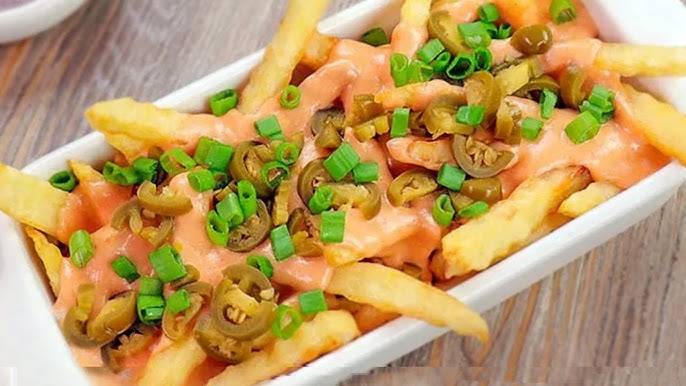
Finish with toppings like crispy bacon bits, sliced green onions, jalapeños, or a dollop of sour cream. Serve immediately while everything is hot, melted, and delicious. Cheese fries are best enjoyed fresh, when the contrast between crispy fries and creamy sauce is at its best.
Tips to Make Cheese Fries Crispy, Cheesy, and Delicious
The difference between decent cheese fries and unforgettable ones often comes down to a few small habits. First, never skip soaking and drying the potatoes if you are making fries from scratch. That step alone improves texture in a way that is hard to overstate. Second, avoid overcrowding during cooking. Whether frying, baking, or air frying, giving the fries room helps them brown instead of steam. Steam is the enemy of crispness, and crispness is the backbone of the whole dish.
Another important tip is to make the cheese sauce right before serving, or keep it warm on very low heat. Cheese sauce thickens as it cools, and once it becomes too stiff, it loses that smooth pourable quality that makes cheese fries so satisfying. Grating your own cheese also helps because it melts better than pre-shredded cheese. That one switch can make the sauce noticeably smoother. It is a small effort that pays off in texture and flavor.
Season in layers. Salt the fries when they are hot, season the cheese sauce properly, and use toppings that add contrast rather than just extra heaviness. Fresh onions, spicy jalapeños, or a spoonful of sour cream can make the whole plate feel more balanced. Think of cheese fries like a good movie scene. You need action, but you also need pacing. Too much richness with no contrast can feel overwhelming. A little brightness and crunch keep every bite interesting.
Common Mistakes to Avoid
One of the biggest mistakes people make with homemade cheese fries is pouring sauce over fries that are not crisp enough. The cheese is heavy and warm, which means weak fries collapse quickly. Another common problem is using cheese sauce that is too thick or too thin. If it is too thick, it clumps and cools fast. If it is too thin, it runs straight to the bottom and leaves the fries oddly bare. Getting the consistency right is one of the key details that turns the dish from messy to memorable.
Overheating the cheese sauce is another classic mistake. Cheese does not love aggressive heat. Push it too far, and it can become grainy or oily instead of smooth. Keep the heat low once the cheese goes in, and stir gently. Also, do not under-season the potatoes. Bland fries under rich cheese lead to a flat final result. The fries themselves need flavor, even if the cheese is doing the loudest talking on the plate.
The last mistake is waiting too long to serve. Cheese fries are not a make-now, eat-later dish. They are at their best right after assembly, when the fries still have edge, the cheese still flows, and the toppings are fresh. Delaying service turns a lively dish into a softer, heavier one. Still tasty, yes, but not nearly as exciting. Timing matters here, and serving fresh is part of what makes this recipe feel special.
Serving Ideas and Best Pairings
Cheese fries are wonderfully flexible, which makes them easy to serve in all kinds of settings. As an appetizer, they fit perfectly on a game-day table beside chicken wings, sliders, or nachos. As a side dish, they work beautifully with burgers, grilled chicken, steak sandwiches, or barbecue. They also make a fun casual dinner when topped with extras like bacon, pulled chicken, or spicy beans. They are the kind of food that can lean snacky or full-meal depending on your mood.
For drinks, something cold and refreshing usually works best because the fries are rich. Lemonade, iced tea, sparkling water, or a chilled soft drink pair nicely and cut through the heaviness. If you want dipping options beyond the cheese itself, ranch, spicy mayo, garlic aioli, and ketchup all work well. The trick is not to overcomplicate the plate. Cheese fries already bring a lot to the table. Supporting flavors should complement, not compete.
Presentation can be simple but appealing. Serve the fries on a wide platter so the toppings are visible, and add chopped chives or spring onions at the end for color. That little pop of green makes the whole dish look fresher and more inviting. Food that looks good tends to disappear faster, and cheese fries are already halfway out the door the moment they hit the table. They are comfort food with crowd-pleasing energy, and that combination is hard to beat.
FAQs about Cheese Fries Recipe
1. What kind of cheese is best for cheese fries?
Cheddar is one of the most popular choices because it melts well and has a rich flavor. You can also use mozzarella, Monterey Jack, Colby, or a cheese blend for a smoother and creamier result.
2. Can I use frozen fries for cheese fries?
Yes, frozen fries work very well and save time. Just cook them until golden and crisp before adding the cheese, so they do not become soft too quickly.
3. How do I keep cheese fries from getting soggy?
The best way is to make sure the fries are crispy before adding the cheese sauce. Serve them immediately after assembling, because cheese fries taste best fresh and hot.
4. Can I make cheese fries without a cheese sauce?
Yes, you can simply sprinkle shredded cheese over hot fries and place them in the oven for a minute or two until melted. This method is quicker and still very tasty.
5. What toppings go well with cheese fries?
Popular toppings include bacon bits, jalapeños, green onions, sour cream, diced tomatoes, and grilled chicken. You can keep them simple or load them up depending on your taste.
6. Are cheese fries better baked or fried?
Both methods work well. Fried fries are usually crispier, while baked fries can be lighter and easier to prepare at home. It really depends on your preference.
7. Can leftover cheese fries be reheated?
Yes, but they are best when fresh. To reheat, use an oven or air fryer instead of a microwave so the fries stay as crisp as possible.
Conclusion
This recipe gives you everything you need to make crispy homemade cheese fries with a rich cheese sauce and customizable toppings. You can keep it classic or turn it into loaded fries packed with bold extras. Either way, the result is warm, cheesy, and deeply satisfying. It is the kind of dish that disappears quickly and makes people reach for just one more bite, again and again.
Once you make cheese fries this way, it gets hard to go back to the disappointing versions that show up soggy and uneven. These are the real deal: crunchy fries, silky cheese, big flavor, and a process you can actually repeat with confidence. Whether you serve them for guests or keep the whole plate for yourself, this is one recipe that earns a permanent place in the comfort-food rotation.