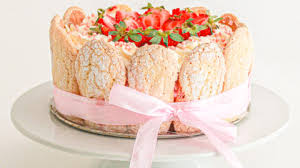
Charlotte Russe Recipe: Charlotte Russe is not just a dessert—it’s an experience wrapped in elegance. Imagine slicing into a chilled, creamy dome surrounded by delicate ladyfingers, revealing a cloud-like filling that melts on your tongue. That’s the magic of Charlotte Russe, a classic European dessert known for its light texture and refined presentation. It’s the kind of treat that looks like it belongs in a glass pastry case in Paris, yet it’s surprisingly achievable in your own kitchen.
At its heart, Charlotte Russe is a molded dessert made from ladyfinger biscuits (or sponge cake) lined around a mold and filled with a rich mixture of whipped cream, fruit purée, or custard stabilized with gelatin. Once chilled and set, it holds its shape beautifully when unmolded. The contrast between the soft, airy interior and the structured outer layer makes every bite feel luxurious yet balanced.
What makes this dessert stand out is its versatility. It can be fruity and refreshing, rich and chocolatey, or delicately flavored with vanilla or liqueur. Unlike baked cakes, Charlotte Russe is typically a no-bake dessert, which means it relies more on technique than oven timing. That alone makes it feel professional and refined.
If you’ve ever wanted to make a dessert that feels restaurant-worthy without being overly complicated, this is it. Think of Charlotte Russe as the elegant cousin of the trifle—more structured, more polished, and undeniably impressive.
The Origin and History of Charlotte Russe
The story of Charlotte Russe takes us back to 18th- and 19th-century Europe. Culinary historians often attribute its popularization to the legendary French chef Marie-Antoine Carême, who was known as one of the founders of haute cuisine. Carême reportedly created the dessert in honor of Tsar Alexander I of Russia, which is why the word “Russe” appears in the name.
Originally, the dessert may have evolved from earlier English charlottes—simple bread puddings baked in molds. Over time, French chefs refined the concept, replacing bread with sponge cake or ladyfingers and introducing Bavarian cream or fruit mousses as fillings. The result was a dessert that looked as sophisticated as it tasted.
By the 19th century, Charlotte Russe had spread across Europe and eventually made its way to America. In fact, it became especially popular in New York during the early 20th century. Street vendors even sold individual servings in paper cups with whipped cream on top—a far cry from its aristocratic beginnings.
Today, Charlotte Russe is considered a classic in professional pastry kitchens. While modern desserts come and go with trends, this one has stood the test of time. Why? Because it combines beauty, texture, and flavor in a way that feels both nostalgic and luxurious.
Why Charlotte Russe Remains a Timeless Dessert
Trends in the dessert world change fast. One year it’s lava cakes, the next it’s cronuts. Yet Charlotte Russe quietly remains relevant. The reason is simple: it delivers elegance without unnecessary complexity. Its visual appeal alone makes it perfect for birthdays, dinner parties, or holiday celebrations.
There’s something captivating about slicing into a perfectly set Charlotte and revealing those clean layers. It feels like unveiling a masterpiece. Unlike heavily frosted cakes, this dessert doesn’t rely on excessive sugar. Instead, it highlights balance—the airy whipped cream, the slight chew of ladyfingers, and the brightness of fruit or vanilla.
Another reason for its staying power is flexibility. You can adapt it to modern tastes by using fresh berries, mango purée, dark chocolate, or even coffee flavors. It’s like a blank canvas waiting for your creative touch.
From a professional standpoint, mastering Charlotte Russe teaches you valuable pastry techniques: stabilizing whipped cream with gelatin, folding mixtures gently to preserve air, and assembling desserts with precision. It’s a skill-building dessert that rewards patience.
In a world of over-the-top sweets, Charlotte Russe proves that refinement never goes out of style.
Ingredients You’ll Need
Before diving into the preparation, let’s gather everything you need. Precision is key in pastry-making, so having your ingredients measured and ready makes the process smooth and stress-free. Charlotte Russe may look sophisticated, but the ingredient list is refreshingly simple.
Core Ingredients for the Classic Version
Here are the essential ingredients for a traditional Vanilla Charlotte Russe:
- 24–30 ladyfinger biscuits (savoiardi)
- 2 cups (480 ml) heavy whipping cream
- ½ cup (100 g) granulated sugar
- 1 tablespoon unflavored gelatin
- 3 tablespoons cold water
- 1 teaspoon pure vanilla extract
- ½ cup (120 ml) whole milk
- Fresh berries (optional, for layering or garnish)
Each ingredient plays a specific role. Ladyfingers form the structured outer shell. Heavy cream creates that luscious, airy filling. Gelatin is the silent hero—it stabilizes the cream so your dessert holds its shape when unmolded. Without it, you’d have a delicious but collapsing cloud.
Using high-quality vanilla extract makes a noticeable difference. Since the flavor profile is relatively simple, every ingredient shines. Fresh, ripe berries can add a refreshing contrast and subtle tartness that balances the sweetness of the cream.
Optional Ingredients for Flavor Variations
Want to elevate your Charlotte Russe? Try these additions:
- Fruit purée (strawberry, raspberry, mango, or passion fruit)
- Melted dark or white chocolate
- Espresso or coffee extract
- Citrus zest (lemon or orange)
- A splash of liqueur (for adult versions)
Think of these as tools in your creative toolbox. A strawberry purée folded into the cream transforms it into a vibrant pink centerpiece. Melted chocolate adds depth and richness. Citrus zest brings brightness and complexity.
The beauty of this dessert lies in its adaptability. Once you master the base recipe, you can customize it endlessly.
Essential Tools and Equipment
Professional results require the right tools. Fortunately, you don’t need industrial pastry equipment—just a few kitchen basics.
You’ll need:
- A springform pan or Charlotte mold (8-inch recommended)
- Mixing bowls
- Electric hand mixer or stand mixer
- Rubber spatula
- Small saucepan
- Measuring cups and spoons
- Plastic wrap
Choosing the Right Mold or Pan
The mold determines the final presentation. A traditional Charlotte mold has sloped sides, but an 8-inch springform pan works beautifully and is easier to unmold. The removable sides allow you to reveal those perfectly aligned ladyfingers without damaging the structure.
If you want individual servings, you can even use ramekins or small cups lined with plastic wrap. Once chilled, simply lift them out for a neat, professional look.
Choosing the right pan is like choosing the right frame for a painting—it enhances the final result.
Step-by-Step Guide to Making Charlotte Russe
Step 1 – Preparing the Ladyfingers
Start by arranging the ladyfingers around the sides and bottom of your mold, bowl, or springform pan. If you like, lightly dip them in juice, syrup, or another flavored liquid so they soften slightly without becoming soggy. This creates the classic outer shell and gives the dessert its elegant shape.
Step 2 – Making the Gelatin Mixture
In a small bowl, sprinkle gelatin over cold water and let it bloom for a few minutes. Then warm it gently until it dissolves completely. This step is important because the gelatin helps the filling set properly and hold its shape after chilling.
Step 3 – Whipping the Cream to Perfection
In a chilled bowl, whip the heavy cream until soft to medium peaks form. Be careful not to overwhip, or the cream may become grainy. Smooth, airy whipped cream gives Charlotte Russe its light and delicate texture.
Step 4 – Folding and Flavoring the Filling
Mix your chosen flavoring, such as vanilla, fruit puree, or a custard base, with the dissolved gelatin. Let it cool slightly, then gently fold in the whipped cream. Fold slowly to keep the mixture light and fluffy.
Step 5 – Assembling the Charlotte
Pour the filling into the prepared ladyfinger-lined mold and smooth the top. Add another layer of ladyfingers on top if your recipe calls for it. Make sure everything is evenly spread so the dessert sets neatly.
Step 6 – Chilling and Setting
Place the Charlotte Russe in the refrigerator and chill until fully set. Once firm, carefully unmold it and decorate as desired. Serve it cold for the best texture and flavor.
Professional Tips for a Perfect Charlotte Russe
Creating a flawless Charlotte Russe is about more than following a recipe—it’s about understanding technique. Small adjustments can elevate your dessert from homemade to pastry-shop quality.
First, always use cold cream and chilled bowls when whipping. Temperature affects how well cream holds air. Second, never skip blooming gelatin properly. According to culinary science experts, improperly dissolved gelatin can create uneven texture and weak structure.
Balance sweetness thoughtfully. Because Charlotte Russe is served chilled, flavors mellow. Slightly stronger vanilla or fruit flavoring ensures the dessert doesn’t taste bland.
Another key tip: allow sufficient chilling time. Many professional pastry chefs recommend overnight refrigeration for optimal structure and flavor integration.
Finally, focus on presentation. Clean edges, aligned ladyfingers, and thoughtful garnishing make a dramatic difference. Remember, we eat with our eyes first.
Common Mistakes to Avoid
Even simple desserts have potential pitfalls. One of the most common mistakes is overwhipping cream. Once it becomes grainy, it’s nearly impossible to fix completely. Stop mixing as soon as medium peaks form.
Another issue is adding hot gelatin to whipped cream. Heat deflates air bubbles instantly. Always cool the gelatin mixture before incorporating.
Over-soaking ladyfingers can also ruin structure. A light brush of syrup is enough. Too much moisture leads to collapse.
Skipping adequate chilling time is another frequent error. If you attempt to unmold too early, the filling won’t hold. Patience is your best friend here.
Flavor Variations to Try
Charlotte Russe is wonderfully adaptable. Try a Strawberry Charlotte with fresh purée for spring gatherings. A Chocolate Charlotte with dark chocolate creates a richer, dinner-party-worthy dessert. For coffee lovers, adding espresso powder delivers a subtle mocha twist.
Seasonal fruits like mango or passion fruit can create vibrant summer versions. During holidays, consider adding orange zest and a splash of liqueur for warmth and complexity.
Each variation keeps the structure intact while transforming the flavor profile.
How to Decorate Charlotte Russe Like a Pastry Chef
Presentation can transform a simple dessert into a masterpiece. Professional pastry chefs often keep decoration elegant rather than excessive. A ring of piped whipped cream rosettes on top adds height and dimension. Fresh berries arranged in concentric circles create a striking visual effect.
Dusting powdered sugar lightly over the top gives a refined finish. For added drama, drizzle a thin fruit glaze over berries to create shine.
If you want a classic European look, tie a decorative ribbon around the ladyfinger border before serving. It’s simple but incredibly effective.
Storage and Shelf Life
Charlotte Russe should always be stored in the refrigerator. Cover it tightly with plastic wrap to prevent it from absorbing odors. Properly stored, it stays fresh for 2–3 days.
Freezing is not recommended, as it can affect the texture of the gelatin and whipped cream. For best flavor and texture, serve within 24 hours of setting.
FAQs about Charlotte Russe Recipe
1. What is Charlotte Russe?
Charlotte Russe is a classic chilled dessert made with ladyfingers and a light, creamy filling. The filling is often flavored with vanilla, fruit, or custard and set with gelatin for a smooth texture.
2. Do I have to use ladyfingers?
Ladyfingers are traditional and help create the dessert’s signature shape. Even so, some versions use sponge cake if ladyfingers are not available.
3. Why is gelatin used in Charlotte Russe?
Gelatin helps the filling set firmly so the dessert can hold its shape when sliced or unmolded. Without it, the filling may be too soft.
4. How long does Charlotte Russe need to chill?
It usually needs several hours in the refrigerator to set properly. For the best result, many people chill it until fully firm before serving.
5. Can I make Charlotte Russe ahead of time?
Yes, it is a great make-ahead dessert. In fact, preparing it in advance gives it enough time to chill, set, and develop a better texture before serving.
Conclusion
Charlotte Russe is the perfect blend of elegance and simplicity. With just a handful of ingredients and careful technique, you can create a dessert that looks straight from a professional patisserie. From the delicate ladyfinger border to the cloud-like filling, every element works together harmoniously.
Mastering this dessert builds confidence in classic pastry techniques while giving you endless room for creativity. Whether you stick with traditional vanilla or experiment with bold flavors, Charlotte Russe remains a timeless showpiece that never fails to impress.