Chanterelle Mushroom Recipe: If you’ve ever spotted golden, trumpet-shaped mushrooms at a farmers’ market and wondered how to turn them into something unforgettable, you’re in the right place. Chanterelle mushrooms are one of nature’s most prized culinary treasures. Their vibrant yellow-orange color makes them look almost too beautiful to cook, yet once they hit a hot pan with butter and herbs, they transform into something extraordinary. Cooking chanterelles isn’t complicated—but it does require a bit of finesse and understanding.
Unlike common button mushrooms, chanterelles have a delicate structure and a naturally rich, earthy aroma. They’re often described as having subtle notes of apricot and pepper, which makes them uniquely flavorful. Because of this complexity, they don’t need heavy sauces or overpowering spices. In fact, the simpler the preparation, the better the results. Think of them as the fine wine of the mushroom world—treat them gently, and they reward you generously.
This professional step-by-step guide will walk you through everything you need to know, from selecting the right ingredients to mastering the sauté technique. You’ll learn how to clean them without ruining their texture, how to cook them so they’re tender—not rubbery—and how to elevate their natural flavor with complementary ingredients. Whether you’re a home cook looking to impress guests or a food enthusiast exploring gourmet ingredients, this chanterelle mushroom recipe will help you cook with confidence.
By the end, you won’t just be following a recipe—you’ll understand the process. And that’s when cooking becomes art.
What Are Chanterelle Mushrooms?
Before we jump into the cooking process, let’s talk about what makes chanterelles so special. Chanterelle mushrooms (Cantharellus cibarius) are wild mushrooms commonly found in forests across North America, Europe, and parts of Asia. Unlike commercially farmed mushrooms, chanterelles are typically foraged, which adds to their exclusivity and price. According to agricultural market data, chanterelles can cost significantly more per pound than standard cultivated mushrooms due to their seasonal and wild-harvest nature.
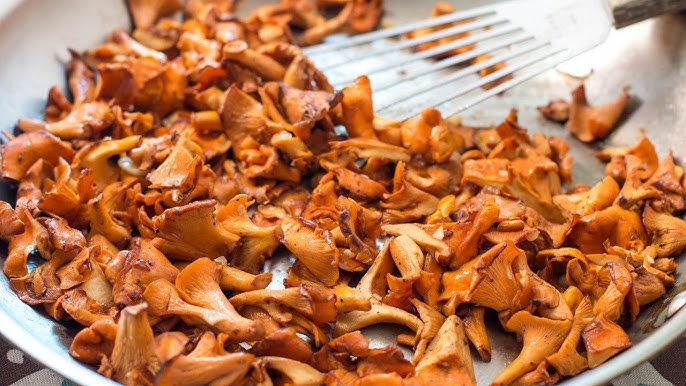
They’re easily recognizable by their golden color, wavy caps, and ridged undersides that resemble false gills. Their firm yet tender flesh sets them apart from softer mushroom varieties. Because they grow symbiotically with trees, they absorb subtle environmental flavors that contribute to their complex taste profile.
What makes chanterelles particularly appealing to chefs is their versatility. They shine in simple sautés, creamy pastas, risottos, omelets, and even as a topping for toasted sourdough. Their texture holds up well during cooking, provided you avoid excessive moisture and overcrowding in the pan.
Another reason they’re so admired? Their aroma. When fresh, chanterelles have a slightly fruity scent—some compare it to apricots. Once cooked, that fragrance deepens into a warm, nutty earthiness that fills the kitchen. It’s the kind of smell that makes people wander in and ask, “What are you cooking?”
Understanding what chanterelles are—and how they behave—lays the foundation for cooking them properly. Treat them as a premium ingredient, not just another mushroom.
Nutritional Profile of Chanterelles
Beyond their flavor, chanterelle mushrooms offer impressive nutritional benefits. They are low in calories yet rich in essential nutrients, making them a fantastic addition to a balanced diet. A one-cup serving of cooked chanterelles contains approximately 20–30 calories, making them ideal for those seeking nutrient-dense foods without excess calories.
Chanterelles are a natural source of vitamin D, particularly when exposed to sunlight. This is noteworthy because very few plant-based foods contain meaningful amounts of this crucial vitamin, which supports bone health and immune function. They also provide B vitamins such as niacin and riboflavin, which play key roles in energy metabolism.
Minerals are another strength. Chanterelles contain potassium, copper, and iron. Copper, in particular, supports red blood cell formation and nerve health. They also contain antioxidants, including carotenoids, which contribute to their golden hue and help combat oxidative stress in the body.
What’s remarkable is how such a small, delicate ingredient can pack such a nutritional punch. They’re naturally fat-free, cholesterol-free, and low in sodium. When cooked simply—without heavy cream or excessive oil—they remain a health-conscious choice.
So while you’re savoring their buttery texture and earthy flavor, you’re also fueling your body with beneficial nutrients. It’s a rare win-win in the culinary world.
Flavor and Texture Profile
Describing the flavor of chanterelles is like trying to describe a sunset—it’s nuanced and layered. Their taste is often called earthy, slightly peppery, and subtly fruity. Some chefs even mention hints of apricot or almond. This balance between savory and delicate sweetness makes them unique among mushrooms.
Texture-wise, chanterelles are firm yet tender. When cooked properly, they have a slight chew that feels satisfying without being rubbery. Unlike button mushrooms, they don’t release as much water when sautéed correctly. That’s why dry heat and proper spacing in the pan are essential.
Imagine biting into a perfectly sautéed chanterelle. The outside has a gentle golden sear, while the inside remains tender and juicy. The flavor unfolds gradually—first buttery, then earthy, followed by a mild peppery finish. It’s not overpowering; it’s refined.
This delicate balance means they pair beautifully with ingredients like butter, garlic, thyme, shallots, white wine, and cream. But they don’t compete well with aggressive spices. Strong chili powders or heavy sauces can drown their subtle complexity.
Understanding their flavor and texture helps you respect the ingredient. You’re not just cooking mushrooms—you’re highlighting a natural delicacy.
Why Cook with Chanterelle Mushrooms?
So why choose chanterelles over more common varieties like cremini or portobello? The answer lies in their elegance. Chanterelle mushrooms elevate a dish instantly, turning something ordinary into restaurant-quality cuisine. Their rarity and seasonal availability make them feel special, almost celebratory.
They’re also incredibly versatile. You can fold them into scrambled eggs for a luxurious breakfast, toss them into pasta for a comforting dinner, or spoon them over grilled steak for a gourmet touch. Their flavor adapts while still maintaining its identity.
Another reason is their structure. Because they’re sturdier than many mushrooms, they hold their shape beautifully when sautéed. That means no mushy texture—just tender bites with depth.
There’s also the experience factor. Cooking chanterelles feels intentional. You clean them carefully, slice them thoughtfully, and cook them attentively. It slows you down in the best possible way. And in a world of rushed meals, that’s refreshing.
Choosing chanterelles isn’t just about taste. It’s about appreciating ingredients at their peak and creating a dish that feels crafted rather than assembled.
Ingredients You’ll Need
When preparing a professional chanterelle mushroom recipe, simplicity is key. The goal is to enhance—not mask—the mushroom’s natural flavor. High-quality, fresh ingredients make all the difference here.
Core Ingredients
Here are the essential components for a classic sautéed chanterelle dish:
- Fresh chanterelle mushrooms (1 pound)
- Unsalted butter (2–3 tablespoons)
- Olive oil (1 tablespoon)
- Garlic cloves (2–3, minced)
- Shallot (1 small, finely chopped)
- Fresh thyme (1–2 sprigs)
- Salt (to taste)
- Freshly ground black pepper (to taste)
Each ingredient plays a specific role. Butter provides richness and promotes browning. Olive oil prevents the butter from burning. Garlic and shallots add aromatic depth without overpowering the mushrooms. Thyme complements the earthiness perfectly.
Quality matters. Choose firm, dry chanterelles with a vibrant color and no slimy spots. Fresh herbs will always outperform dried ones in this recipe.
Optional Add-Ins for Extra Flavor
If you’d like to elevate the dish further, consider these additions:
- Splash of dry white wine for deglazing
- Heavy cream for a silky finish
- Fresh parsley for garnish
- Lemon zest for brightness
- Grated Parmesan cheese
These optional ingredients allow you to customize the dish while maintaining balance. A small splash of wine adds acidity and depth, while cream turns it into a luxurious sauce.
Kitchen Tools Required
Before you turn on the stove, let’s talk about something most home cooks overlook—tools. Cooking chanterelle mushrooms isn’t complicated, but the right equipment makes a noticeable difference in texture and flavor. Think of it like painting: even the best artist struggles with poor brushes. The same goes for cooking.
First, you’ll need a large skillet or sauté pan, preferably stainless steel or cast iron. Why large? Because chanterelles need space. Overcrowding traps moisture, and trapped moisture leads to steaming instead of browning. Browning equals flavor. Steaming equals soggy mushrooms. If you only remember one rule from this entire guide, let it be this: give your mushrooms room to breathe.
A wooden spoon or silicone spatula is ideal for stirring. Metal utensils can break apart delicate chanterelles if you’re too aggressive. A sharp chef’s knife is also essential for trimming and slicing cleanly without crushing the mushroom’s structure. Pair that with a sturdy cutting board, and you’re set for prep.
You’ll also want paper towels or a soft mushroom brush for cleaning. Avoid soaking chanterelles in water—more on that soon—but having the right cleaning tools makes the process easier and protects their flavor.
Finally, keep a small bowl nearby for deglazing liquid if you’re adding wine, and a plate lined with paper towel if you need to rest them briefly. Organization matters. When everything is within reach, you cook calmly and confidently.
Good cooking isn’t about fancy gadgets. It’s about control, heat management, and timing. And with chanterelles, precision pays off.
Step-by-Step Guide for Chanterelle Mushroom
Now we get to the heart of the recipe. This is where technique transforms simple ingredients into something memorable. Follow each step carefully, and you’ll achieve perfectly sautéed chanterelle mushrooms with golden edges and deep flavor.
Step 1 – Cleaning the Chanterelles Properly
Start by cleaning the chanterelles gently, because they can be delicate and absorb water easily. Use a soft brush, paper towel, or slightly damp cloth to remove dirt and forest debris. If they are very dirty, rinse them quickly and dry them right away. Keeping them as dry as possible helps them sauté better later.
Step 2 – Prepping and Slicing
Trim off the tough or dirty ends of the stems. Small chanterelles can be left whole, while larger ones can be torn or sliced into even pieces. Try not to cut them too thin, because they shrink a bit as they cook. Even pieces help them cook at the same pace.
Step 3 – Sautéing to Perfection
Heat butter or oil in a pan over medium heat. Add the chanterelles in a single layer and let them cook without overcrowding the pan. Stir occasionally as they release moisture and begin to turn golden. This step brings out their rich, earthy flavor.
Step 4 – Deglazing for Depth of Flavor
Once the mushrooms are lightly browned, add a small splash of white wine, broth, or lemon juice to the pan. Stir gently to lift the flavorful bits from the bottom. This adds extra depth and makes the dish taste more refined.
Step 5 – Finishing Touches and Seasoning
Season the chanterelles with salt, black pepper, garlic, parsley, or fresh thyme. Cook for another minute or two until everything smells fragrant and well combined. Serve them warm as a side dish, over toast, with pasta, or alongside meat.
Pro Tips for Perfect Texture and Flavor
Professional chefs often say mushrooms should be treated with respect—and that’s especially true for chanterelles. One critical tip is controlling heat. Too low, and they release water without browning. Too high, and butter burns before flavor develops. Medium-high heat is the sweet spot.
Another important factor is patience. Resist the urge to stir constantly. Let the mushrooms sit long enough to develop caramelization. Browning equals flavor due to the Maillard reaction—a chemical process that creates complex savory notes.
Salt timing matters too. Adding salt too early can draw out excess moisture. Light seasoning midway through cooking works best.
Finally, always taste before serving. Small adjustments make a big difference. A squeeze of lemon or a sprinkle of flaky salt can elevate the entire dish.
Cooking chanterelles isn’t difficult—but precision transforms them from good to exceptional.
Common Mistakes to Avoid When Cooking Chanterelles
Even experienced cooks make mistakes with wild mushrooms. The most common error? Washing them excessively. Waterlogged mushrooms never brown properly.
Another mistake is overcrowding the pan. When mushrooms steam instead of sauté, they become soft and pale. Cook in batches if necessary.
Overseasoning is also a problem. Chanterelles have delicate flavor notes. Heavy spices can overpower their natural complexity. Keep it simple.
Finally, overcooking can make them rubbery. Once they’re golden and tender, remove them from heat. They don’t need prolonged cooking.
Avoid these pitfalls, and your dish will taste refined rather than rushed.
Serving Suggestions and Perfect Pairings
Sautéed chanterelle mushrooms are incredibly versatile. Spoon them over toasted sourdough with ricotta for a gourmet appetizer. Toss them with fresh pasta and Parmesan for an elegant dinner. Serve alongside roasted chicken or grilled steak for earthy contrast.
They also pair beautifully with risotto, polenta, or creamy scrambled eggs. Their earthy notes complement mild cheeses and herb-forward dishes.
For wine pairing, a dry white like Chardonnay or Sauvignon Blanc enhances their subtle fruitiness. Light-bodied reds such as Pinot Noir also work well.
Chanterelles aren’t just a side dish—they can be the highlight. And when presented thoughtfully, they turn any meal into something memorable.
FAQs about Chanterelle Mushroom Recipe
1. What do chanterelle mushrooms taste like?
Chanterelle mushrooms have a delicate, earthy, and slightly fruity flavor. Many people describe them as rich, buttery, and a little peppery, which makes them very special in simple dishes.
2. Do I need to wash chanterelle mushrooms?
It is better to clean them gently with a soft brush, paper towel, or damp cloth. They can absorb water easily, so avoid soaking them unless absolutely necessary.
3. What is the best way to cook chanterelle mushrooms?
One of the best ways is to sauté them in butter or oil over medium heat. This method helps them turn tender and golden while bringing out their natural flavor.
4. What goes well with chanterelle mushrooms?
Chanterelles pair well with butter, garlic, shallots, thyme, parsley, cream, pasta, toast, eggs, and roasted meats. Their flavor is rich but still delicate, so simple ingredients often work best.
5. Can I store chanterelle mushrooms for later?
Yes, but they are best when used fresh. Store them in the refrigerator in a paper bag or breathable container and use them within a few days for the best taste and texture.
Conclusion
Cooking chanterelle mushrooms is about balance—between heat and patience, simplicity and technique. With proper cleaning, thoughtful preparation, and controlled sautéing, you can transform these golden forest treasures into a dish worthy of any fine dining table.
Their earthy aroma, tender texture, and subtle sweetness make them one of the most rewarding ingredients to cook. And now you have the step-by-step knowledge to do it confidently and professionally.
Master the method once, and you’ll return to it again and again. Because when ingredients are this good, all they need is careful handling and a little respect.