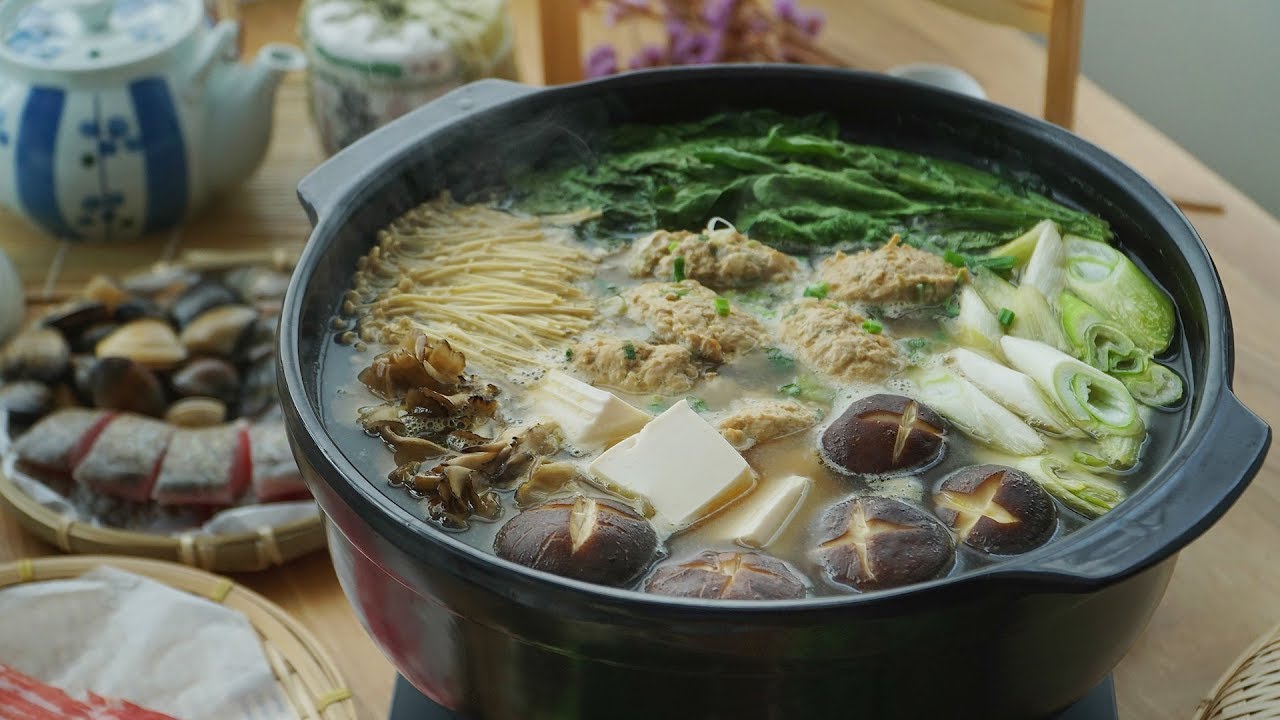
Chanko Nabe Recipe: If you’ve ever been fascinated by Japanese cuisine beyond sushi and ramen, then Chanko Nabe is something you absolutely need to try. This hearty, protein-packed hot pot is famously known as the staple meal of Japan’s elite sumo wrestlers. But don’t let that intimidate you—this dish isn’t just for athletes the size of mountains. It’s actually one of the most comforting, customizable, and surprisingly healthy Japanese meals you can make at home.
At its core, Chanko Nabe is a one-pot dish filled with meat, seafood, tofu, and a mountain of fresh vegetables simmered in a deeply flavorful broth. Think of it as Japan’s answer to chicken soup—but turned up to ten. It’s warm, nourishing, and perfect for family dinners or cozy evenings when you want something satisfying without being overly complicated.
What makes this dish special is its versatility. There’s no single strict recipe. In fact, every sumo stable in Japan has its own secret variation. Some prefer soy sauce-based broth, while others lean toward miso or salt-based flavors. The beauty lies in how adaptable it is—you can tailor it to your taste while still preserving its authentic roots.
In this professional guide, you’ll learn not just how to make Chanko Nabe, but how to prepare it the right way. From selecting ingredients to layering flavors like a pro, we’ll walk through everything step by step. Ready to cook like a sumo champion? Let’s dive in.
The History and Origin of Chanko Nabe
To truly appreciate Chanko Nabe, you have to understand where it comes from. This isn’t just food—it’s tradition served in a pot. The dish dates back to Japan’s Edo period (1603–1868), when sumo wrestling was becoming a formalized sport. Sumo wrestlers needed high-calorie, high-protein meals to maintain their massive physiques, and Chanko Nabe quickly became the perfect solution.
Interestingly, the word “chanko” refers to any meal prepared within a sumo stable. However, over time, it became synonymous specifically with this nourishing hot pot dish. Wrestlers typically eat Chanko Nabe twice a day during training seasons, sometimes consuming several bowls in one sitting. Because it’s packed with protein and vegetables, it supports muscle growth while still providing balanced nutrition.
One fascinating tradition involves the use of chicken as the primary meat. Why chicken? Sumo wrestlers stand on two legs, so eating four-legged animals like beef or pork was once considered symbolic of falling in the ring. Chicken, which stands on two legs, became a symbol of stability and victory. Cultural beliefs like these shaped the evolution of the recipe.
Today, many retired sumo wrestlers open Chanko Nabe restaurants across Japan, sharing their stable’s unique recipe with the public. This has helped transform the dish from an athlete’s necessity into a beloved national comfort food. When you cook Chanko Nabe at home, you’re not just making dinner—you’re participating in centuries of Japanese culinary history.
Why Chanko Nabe Is the Heart of Sumo Culture
Food builds community, and nowhere is that more evident than inside a sumo stable. Chanko Nabe is more than fuel—it’s a bonding ritual. Junior wrestlers typically prepare the meal for senior members, reinforcing discipline, respect, and hierarchy within the stable. Cooking becomes part of their training.
Picture a large pot bubbling in the center of a room while wrestlers gather around, sharing stories and strategy after intense practice. The act of eating together strengthens unity. This communal dining style is deeply embedded in Japanese culture, and Chanko Nabe embodies it perfectly.
Nutritionally speaking, it’s also a smart meal plan. A typical serving can contain lean protein, fiber-rich vegetables, and essential nutrients. According to Japan’s Ministry of Agriculture, traditional Japanese diets rich in vegetables and seafood contribute to one of the highest life expectancies in the world—over 84 years on average. While sumo wrestlers consume larger portions for weight gain, the base ingredients themselves are wholesome and nutrient-dense.
Beyond sumo, the dish has become popular during colder months throughout Japan. Families gather around portable gas stoves with steaming pots placed in the center of the table. It’s interactive. It’s comforting. It feels alive.
So when you prepare Chanko Nabe in your kitchen, you’re recreating more than a recipe. You’re bringing home a piece of Japanese heritage rooted in strength, discipline, and shared experience.
What Makes Chanko Nabe Unique?
At first glance, Chanko Nabe might look like just another hot pot. But once you taste it, you realize there’s something deeper going on. The uniqueness lies in its balance of simplicity and depth. Unlike heavily spiced stews, Chanko Nabe relies on clean, natural flavors that build gradually in the broth.
One defining feature is its flexibility. There is no rigid ingredient list carved in stone. Chicken, fish, beef, pork, tofu, napa cabbage, mushrooms, carrots—you name it. If it works in a simmering broth, it can probably work here. That freedom makes it approachable for home cooks everywhere.
Another standout element is how the flavors evolve. As proteins cook and vegetables release their juices, the broth becomes richer and more layered. It’s like a living recipe that transforms while you eat it. Each ingredient contributes something subtle yet important. Mushrooms add umami depth. Leafy greens bring freshness. Tofu absorbs the savory base like a sponge.
The communal cooking process also makes it unique. Ingredients are often added gradually at the table, allowing everyone to customize their bowl. It’s interactive dining at its finest—almost like a Japanese fondue experience.
From a professional culinary perspective, Chanko Nabe teaches a valuable lesson: you don’t need complicated techniques to create extraordinary flavor. Sometimes, the magic happens when quality ingredients meet gentle simmering and a bit of patience.
Nutritional Value and Health Benefits
When people hear that Chanko Nabe is the primary meal of sumo wrestlers, they often assume it must be greasy, heavy, or unhealthy. The truth is quite the opposite. At its core, Chanko Nabe is built around lean proteins, fresh vegetables, tofu, and mineral-rich broth. It’s actually one of the most balanced one-pot meals you can prepare. The difference lies not in the ingredients themselves, but in portion sizes. Sumo wrestlers eat large quantities to gain mass, but the nutritional composition of the dish remains surprisingly wholesome.
A typical serving of chicken-based Chanko Nabe contains high-quality protein essential for muscle repair and growth. Chicken thighs, breast meat, or meatballs provide amino acids, while tofu adds plant-based protein and calcium. If seafood like shrimp or white fish is included, you also benefit from omega-3 fatty acids, which support heart and brain health. According to global nutrition data, diets rich in lean protein and vegetables are associated with reduced risk of cardiovascular disease and improved metabolic health. That’s a powerful benefit hidden inside this humble hot pot.
Vegetables play an equally important role. Napa cabbage, spinach, carrots, mushrooms, and leeks are commonly used, offering fiber, antioxidants, and essential vitamins like A, C, and K. Fiber supports digestion and helps stabilize blood sugar levels, making this dish filling without being overly heavy. The broth, often made with kombu (kelp) and sometimes bonito flakes, delivers natural umami along with trace minerals such as iodine.
What makes Chanko Nabe especially appealing today is its adaptability to modern dietary needs. You can make it low-carb, gluten-free, dairy-free, or even vegetarian with a simple swap of ingredients. It’s nourishing, satisfying, and customizable—proof that comfort food doesn’t have to compromise health.
Flavor Profile and Texture
Close your eyes and imagine lifting a spoonful of steaming broth to your lips. The first thing you notice is warmth—not just temperature, but depth. Chanko Nabe’s flavor profile is layered yet clean, subtle yet satisfying. It’s not aggressively spicy or overly salty. Instead, it builds gently, allowing each ingredient to shine.
The foundation of flavor comes from the broth. Whether soy sauce-based (shoyu), miso-based, or salt-based (shio), the liquid carries a deep umami backbone. Kombu seaweed releases glutamates naturally, creating that savory taste we instinctively crave. If dashi is added, it introduces a slightly smoky, oceanic note that enhances the entire dish. This balance of savory elements is what gives Chanko Nabe its signature depth without heaviness.
Texture is where the magic really happens. You have tender slices of chicken or delicate meatballs, silky cubes of tofu that soak up broth like little flavor sponges, and crisp-tender vegetables that retain a gentle bite. Mushrooms add a slightly chewy earthiness, while napa cabbage softens into sweet, melt-in-your-mouth layers. Each spoonful feels dynamic, almost like a symphony of textures working together.
Another fascinating aspect is how the flavor evolves as the pot continues to simmer. Proteins release juices, vegetables contribute natural sweetness, and the broth gradually intensifies. By the time you reach the bottom of the pot, the liquid has transformed into something richer and more complex than when you started. Some families even add rice or noodles at the end to absorb the remaining broth, creating a deeply satisfying final course.
Chanko Nabe isn’t about overpowering your senses. It’s about harmony. Every ingredient plays its part, creating a balanced and comforting experience that feels both light and indulgent at the same time.
Ingredients You’ll Need
Before you turn on the stove, let’s talk ingredients. The beauty of Chanko Nabe lies in its flexibility, but certain components create that authentic foundation. Think of this section as your professional shopping guide. You don’t need anything overly exotic, and most ingredients are available at Asian grocery stores—or even standard supermarkets with a good international aisle.
Here’s a complete breakdown of what you’ll need:
Essential Proteins
- 1 lb (450g) chicken thighs or breast, sliced
- 1 cup ground chicken (for meatballs)
- ½ lb shrimp (optional)
- 1 block firm tofu, cubed
Fresh Vegetables and Greens
- 4 cups napa cabbage, chopped
- 1 cup shiitake mushrooms (or button mushrooms)
- 1 carrot, thinly sliced
- 1 leek or 2 green onions, sliced diagonally
- 2 cups spinach or mizuna greens
- 1 cup bean sprouts (optional)
Broth Base and Seasonings
- 6 cups chicken stock or dashi
- 2 tablespoons soy sauce
- 1 tablespoon miso paste (optional)
- 1 tablespoon mirin
- 1 teaspoon sesame oil
- 1-inch piece kombu (optional but recommended)
- 1 clove garlic, minced
- 1 teaspoon grated ginger
Optional Add-Ons and Variations
- Udon noodles
- Cooked rice (for finishing)
- Thinly sliced beef or pork
- Chili oil for heat
- Ponzu dipping sauce
When selecting ingredients, freshness matters. Crisp vegetables and high-quality broth will dramatically impact the final taste. If you can source authentic Japanese soy sauce and miso, you’ll notice a deeper, more rounded flavor compared to generic alternatives.
The combination of protein, vegetables, and umami-rich broth is what defines Chanko Nabe. Once you gather these ingredients, you’re already halfway to creating something special. Now it’s time to bring everything together.
Kitchen Tools Required
You don’t need professional culinary equipment to make Chanko Nabe, which is part of its charm. Traditionally, it’s prepared in a large, wide pot called a “donabe,” a Japanese clay pot designed to retain heat evenly. But if you don’t have one, don’t worry. A heavy-bottomed Dutch oven or deep stainless-steel pot works perfectly fine.
The most important factor is heat distribution. Since Chanko Nabe simmers gently rather than boiling aggressively, you want a pot that maintains steady, even heat. Uneven heating can cause proteins to toughen or vegetables to overcook on one side.
You’ll also need a sharp knife for slicing vegetables and proteins uniformly. Consistent cuts ensure even cooking and better presentation. A ladle is essential for serving the broth, and small bowls allow guests to enjoy the dish communally.
If you want to recreate the authentic experience, consider placing the pot on a portable tabletop burner. This allows everyone to gather around as ingredients cook gradually. It transforms dinner into an interactive event rather than a simple plated meal.
Minimal tools, maximum flavor—that’s the philosophy behind this dish. Now that your kitchen is ready, let’s move into the step-by-step cooking process.
Step-by-Step Guide to Making Chanko Nabe
Step 1 – Preparing the Ingredients
Start by preparing all your ingredients before cooking. Chanko nabe usually includes chicken, fish, tofu, napa cabbage, mushrooms, carrots, daikon, and noodles. Cut the vegetables into bite-sized pieces and slice the protein into manageable portions. Having everything ready makes the cooking process smooth and organized.
Step 2 – Making the Flavorful Broth
In a large pot, prepare the broth using ingredients like dashi, soy sauce, miso, sake, mirin, garlic, or ginger, depending on the flavor you want. Bring it to a gentle simmer and taste it to make sure the balance is savory and comforting. The broth is the heart of the dish, so it should be rich but not too heavy.
Step 3 – Cooking the Proteins
Add the proteins first, especially chicken or other meats that need a little more time to cook through. Let them simmer gently in the broth until they begin to turn tender and flavorful. This step helps the broth absorb even more depth from the meat.
Step 4 – Adding Vegetables in Layers
Add the vegetables in stages, starting with firmer ones like carrots and daikon, then softer ingredients like napa cabbage, mushrooms, and tofu. Layering them this way helps everything cook evenly without becoming too soft too soon.
Step 5 – Simmering to Perfection
Let the pot simmer gently until all the ingredients are tender and the flavors come together beautifully. Avoid boiling too hard, because a gentle simmer keeps the ingredients delicate and the broth clear.
Step 6 – Serving and Presentation
Serve the chanko nabe hot, straight from the pot, with bowls for each person. You can garnish it with spring onions, sesame seeds, or a little chili if you like. It is often enjoyed family-style, which makes it feel warm and comforting.
Tips for Authentic Taste
Creating an authentic Chanko Nabe recipe doesn’t require secret ingredients, but it does demand attention to detail. Small adjustments can dramatically influence the final outcome. First, focus on quality broth. If possible, prepare homemade dashi using kombu and bonito flakes. The depth of flavor far surpasses most store-bought stocks.
Second, don’t overcrowd the pot. While it may be tempting to add everything at once, overcrowding lowers the temperature and results in uneven cooking. Build layers gradually, maintaining that steady simmer.
Another professional tip is balance. Japanese cuisine emphasizes harmony rather than bold dominance. Avoid oversalting early. Since the broth intensifies as ingredients cook, it’s better to season lightly at first and adjust toward the end.
Texture matters just as much as flavor. Slice vegetables thoughtfully. Thin cuts cook quickly and integrate smoothly, while thicker cuts provide bite. Aim for a combination that keeps each spoonful interesting.
Finally, respect simplicity. Authentic Chanko Nabe isn’t overloaded with spices or heavy sauces. It celebrates natural flavors. When you focus on freshness and balance, the dish speaks for itself.
Common Mistakes to Avoid
Even though Chanko Nabe is straightforward, a few common mistakes can affect the result. One major error is boiling too aggressively. High heat can toughen meat, cloud the broth, and turn vegetables mushy. Always aim for a gentle simmer.
Another mistake is adding all ingredients simultaneously. Different components require different cooking times. Layering ensures optimal texture and prevents overcooking delicate items like tofu or shrimp.
Over-seasoning early in the process can also backfire. Remember, flavors concentrate as the broth reduces. Taste gradually and adjust slowly.
Using low-quality soy sauce or stock can make the dish taste flat. Since the broth is the foundation, invest in good ingredients whenever possible. The difference is noticeable.
Lastly, neglecting presentation can diminish the experience. This is a communal, visual dish. Arrange ingredients thoughtfully and serve with care. Attention to detail elevates the meal from simple stew to professional-quality hot pot.
Best Side Dishes to Serve with Chanko Nabe
While Chanko Nabe is satisfying on its own, pairing it with complementary sides enhances the meal. Steamed white rice is the most traditional option, providing a neutral base that balances the savory broth. Light Japanese pickles (tsukemono) add acidity and crunch, refreshing the palate between bites.
A simple cucumber salad with rice vinegar and sesame seeds works beautifully. The brightness contrasts the warm, savory pot. You might also consider tamagoyaki (Japanese rolled omelet) for a slightly sweet counterpoint.
If you want something heartier, serve chilled soba noodles or small plates of grilled fish. The goal is balance—nothing too heavy or overpowering. Since Chanko Nabe already contains protein and vegetables, sides should complement rather than compete.
When paired thoughtfully, the entire meal feels cohesive, layered, and satisfying from start to finish.
FAQs about Chanko Nabe Recipe
1. What is chanko nabe?
Chanko nabe is a Japanese hot pot dish made with a flavorful broth, proteins, tofu, and lots of vegetables. It is especially known as a hearty meal associated with sumo wrestlers, but anyone can enjoy it.
2. What protein is best for chanko nabe?
Chicken is one of the most common choices, but you can also use fish, beef, pork, shrimp, or tofu. The dish is flexible, so you can choose ingredients based on your taste.
3. What kind of broth is used in chanko nabe?
The broth is often made with dashi, soy sauce, miso, or a combination of savory seasonings. Some versions are lighter, while others are richer and deeper in flavor.
4. What vegetables go well in chanko nabe?
Popular vegetables include napa cabbage, mushrooms, carrots, daikon, spinach, and green onions. These ingredients make the dish filling, colorful, and balanced.
5. Can I make chanko nabe ahead of time?
Yes, you can prepare the broth and cut the ingredients in advance. Then, when you are ready to eat, simply cook everything together fresh so the vegetables stay tender and the flavors taste their best.
Conclusion
What makes it truly special is its adaptability. You can tailor the ingredients to your preferences while maintaining authenticity through technique and balance. When prepared with care—layered thoughtfully, simmered gently, and served communally—it transforms into an experience rather than just a recipe.
Cooking Chanko Nabe at home invites warmth into your kitchen. It encourages sharing, conversation, and slowing down. With the step-by-step guide you’ve just followed, you’re fully equipped to prepare it like a professional. Gather your ingredients, keep the simmer gentle, and let the flavors build naturally. The result is a dish that feels both humble and extraordinary at the same time.