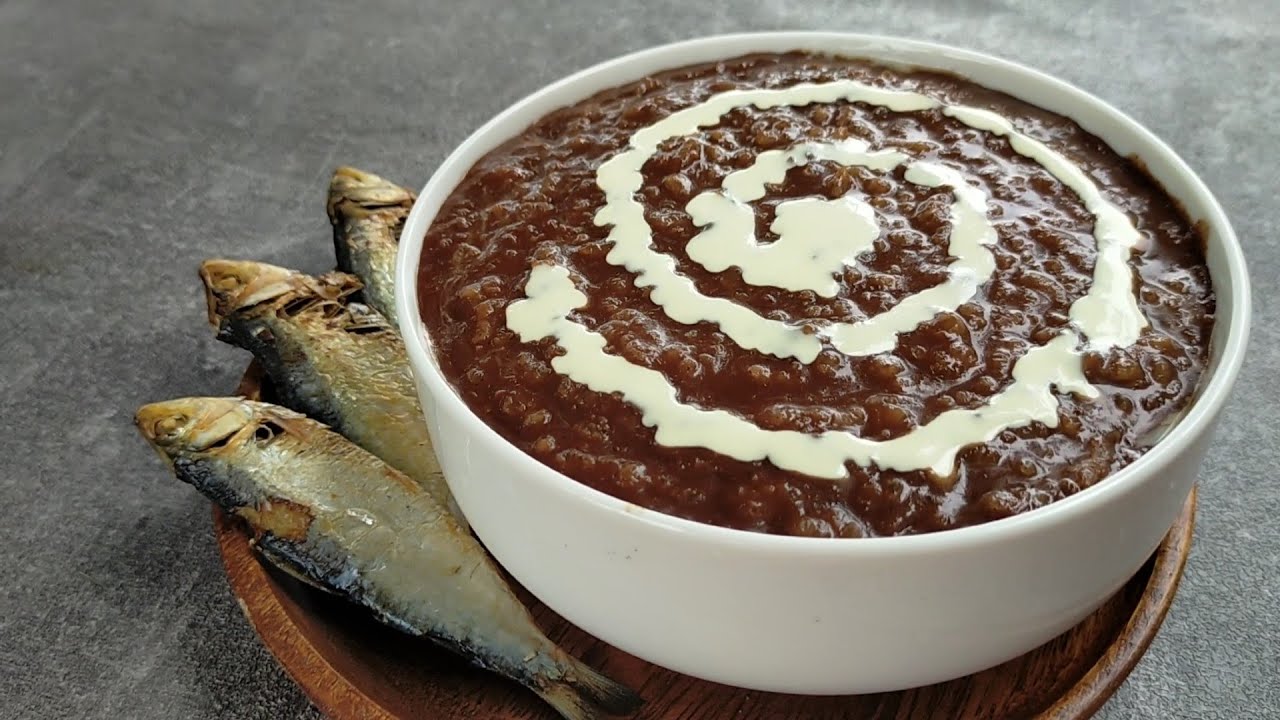
Champorado Recipe: Champorado is a warm, comforting Filipino chocolate rice porridge that combines the creamy texture of sticky rice with the rich flavor of cocoa or tablea (pure cacao blocks). Traditionally enjoyed for breakfast, it’s often paired with a side of salty dried fish called tuyo, creating a sweet-and-savory harmony that’s surprisingly addictive. Unlike your typical breakfast cereals, champorado isn’t just a quick sugar rush—it’s a heartwarming dish that feels like a hug in a bowl.
This beloved porridge is deeply woven into the culinary fabric of the Philippines, enjoyed by both children and adults. Imagine the smell of chocolate wafting through the house on a rainy morning—that’s the magic of champorado. Its simplicity is part of the charm; with just rice, chocolate, sugar, and water (plus milk if you like it creamier), you can create a meal that feels indulgent yet homey.
Origins and History of the Dish
Champorado’s roots trace back to the Spanish colonization of the Philippines. Inspired by the Mexican champurrado—a thick chocolate drink made with masa (corn dough) and cacao—the Filipinos adapted the recipe using sticky rice instead of corn, creating a heartier, porridge-like meal. Over time, tablea (locally processed cacao tablets) became the traditional base for champorado, giving it an authentic earthy taste.
Historically, champorado was prepared during cold mornings or rainy days, serving as comfort food to warm the body. It wasn’t just breakfast—it was a way for families to gather around the table, share stories, and start the day with something special. Even today, the recipe remains mostly unchanged, proving that good food really does stand the test of time.
Why Champorado is a Filipino Breakfast Staple
Cultural Significance
For many Filipinos, champorado isn’t just food—it’s nostalgia in a bowl. It reminds people of childhood mornings when their mothers or grandmothers would prepare it before school. Some families even have their own twist on the recipe, adding condensed milk for extra sweetness or coconut milk for a tropical flair.
Its pairing with tuyo might seem unusual to outsiders, but it perfectly reflects the Filipino love for balancing flavors. Sweetness from the porridge and saltiness from the dried fish creates a yin-yang of taste that keeps you coming back for more. This sweet-salty combo is a staple in Filipino cuisine, much like peanut butter and jelly in the West.
Why it’s Loved Across Generations
Part of champorado’s charm lies in how it bridges generations. Grandparents pass down their techniques to parents, who then teach their children, making it a cherished family recipe. Unlike more modern breakfast options that come in a box, champorado is handmade, and that effort adds to its sentimental value.
Moreover, it’s a budget-friendly dish that doesn’t compromise on flavor. The ingredients are simple and accessible, making it easy to prepare regardless of location or season. Whether you’re in the Philippines or living abroad, a bowl of champorado can instantly transport you back to those rainy mornings when life felt slower and sweeter.
Ingredients You’ll Need
Core Ingredients
Here’s the essential list for making traditional champorado:
- Glutinous rice (malagkit rice) – This is the foundation of champorado. Its sticky texture creates that creamy, pudding-like consistency.
- Tablea de cacao – Pure, unsweetened cacao tablets that give the dish its deep, authentic chocolate flavor.
- Sugar – White sugar is traditional, but you can also use brown sugar or muscovado for a richer taste.
- Water – Used to cook the rice and dissolve the chocolate.
- Milk – Evaporated, condensed, or fresh milk, depending on how creamy and sweet you want it.
Optional Add-ons for Flavor Variations
While the classic recipe is beloved, adding extra touches can elevate your champorado:
- Coconut milk for a tropical twist
- Vanilla extract for a hint of warmth
- Cinnamon for a cozy flavor layer
- Chocolate chips for extra richness
- Whipped cream for indulgence
- Sea salt flakes for a gourmet touch
Equipment You’ll Need
Basic Cooking Tools
Making champorado doesn’t require fancy equipment—just a few kitchen essentials:
- Medium to large cooking pot – Wide enough to allow the rice to cook evenly.
- Wooden spoon or silicone spatula – For stirring without scratching your pot.
- Measuring cups and spoons – Precision ensures perfect consistency.
- Serving bowls – Deep bowls to hold that steaming, chocolatey goodness.
Helpful Kitchen Tips for Preparation
- Rinse the rice before cooking to remove excess starch, which can make the porridge too gummy.
- Low and slow cooking is key—rushing the process may result in unevenly cooked rice.
- Constant stirring prevents the rice from sticking to the pot’s bottom.
- Dissolve chocolate separately before mixing it into the rice to ensure an even distribution of flavor.
Step-by-Step Guide to Making Champorado
Step 1 – Preparing the Rice
Start by rinsing 1 cup of glutinous rice under cold water until the water runs clear. This removes surface starch and prevents the porridge from becoming overly thick. In a medium pot, bring 5 cups of water to a gentle boil. Add the rinsed rice and reduce the heat to low. Stir occasionally to keep the grains from sticking.
Allow the rice to simmer gently for 15–20 minutes, or until the grains are soft and plump. Patience is key here—rushing will either undercook the rice or make it mushy. By the end of this step, your kitchen will already smell inviting, hinting at the chocolatey treat to come.
Step 2 – Melting the Chocolate
While the rice is cooking, it’s time to work on the star of the show—the chocolate. If you’re using tablea de cacao, place 4–5 tablets into a small saucepan with 1 cup of water. Over low heat, stir continuously until the chocolate dissolves completely.
Tablea is unsweetened, so don’t panic if it tastes bitter at this stage. That bitterness is exactly what balances the sugar later. If you can’t find tablea, you can substitute with unsweetened cocoa powder or even dark chocolate bars—just be sure to adjust the sugar accordingly.
The goal is to create a smooth, lump-free chocolate mixture before combining it with the rice. If you want extra creaminess, replace some of the water with milk at this stage. This trick infuses the chocolate with a richer flavor right from the start.
Step 3 – Combining Rice and Chocolate
Once the rice is tender, slowly pour the melted chocolate mixture into the pot of simmering rice. Stir gently but consistently, making sure every grain of rice gets coated in chocolatey goodness.
This is where champorado starts to come alive—your kitchen fills with the deep, comforting scent of cacao. Keep the heat low and continue cooking for another 10–15 minutes, stirring occasionally. You’ll notice the mixture thicken as the rice releases its starch.
Tip: If the porridge gets too thick, you can always add more water or milk to loosen it to your preferred consistency. Champorado is flexible—you can make it thin like hot chocolate or thick like pudding.
Step 4 – Sweetening and Adjusting Flavor
Now comes the customization part. Add sugar a little at a time, tasting as you go. Start with about ½ cup and adjust to your liking. Some people prefer it just lightly sweet, while others go for a dessert-level sweetness.
You can also add a pinch of salt to bring out the chocolate flavor. If you’re going for a richer, creamier profile, pour in some evaporated milk or condensed milk at this stage. Condensed milk will not only sweeten the champorado but also give it a velvety texture.
Once the flavor is exactly how you want it, turn off the heat. Cover the pot and let it sit for 5 minutes—this allows the flavors to settle and the texture to become even creamier.
Cooking Tips for the Perfect Champorado
- Use the right rice: Glutinous rice is non-negotiable if you want authentic champorado. Regular rice just won’t give you the same creaminess.
- Mind the heat: Always cook over low to medium heat to avoid burning the rice or chocolate.
- Stir often: This prevents lumps and ensures even cooking.
- Don’t skimp on chocolate: The richer the cacao, the deeper the flavor.
- Serve fresh: Champorado is best enjoyed hot, though you can chill it for a dessert-like treat later.
One pro tip that seasoned home cooks swear by is cooking the rice separately from the chocolate, then combining them at the end. This prevents the chocolate from burning during long simmering times and gives you better control over flavor balance.
Traditional vs. Modern Variations
Champorado has stood the test of time, but modern cooks have found fun ways to reinvent it without losing its essence.
Traditional Version:
- Uses tablea de cacao
- Sweetened with white or brown sugar
- Served with tuyo on the side
Modern Twists:
- Using Belgian dark chocolate or Nutella for a more indulgent taste
- Swapping cow’s milk for coconut milk for a dairy-free, tropical spin
- Adding matcha powder for a chocolate-green tea fusion
- Topping with whipped cream, berries, or granola for a brunch-worthy bowl
Some restaurants even serve iced champorado, where the porridge is cooled, topped with vanilla ice cream, and served as a dessert. It’s proof that a humble breakfast dish can adapt and thrive in gourmet settings.
How to Serve Champorado
Champorado’s charm doesn’t stop at cooking—it’s also in the way it’s served. Traditionally, it’s ladled into deep bowls and topped with a generous swirl of evaporated milk. The milk forms little white ribbons across the dark chocolate surface, creating a beautiful contrast before it swirls into a creamy blend.
For the full Filipino breakfast experience, pair champorado with tuyo (salted dried fish). The combination may sound odd to those unfamiliar with Filipino cuisine, but it’s a culinary magic trick. The salty, crispy tuyo cuts through the sweetness of the porridge, creating a balance that wakes up your palate.
If you prefer a dessert-style serving, skip the tuyo and instead top your champorado with:
- Whipped cream
- Fresh strawberries or banana slices
- A dusting of cocoa powder
- Crushed nuts for texture
Whether served piping hot on a rainy morning or chilled as an afternoon snack, champorado fits the mood. It’s versatile enough to be comfort food or a dinner party conversation starter.
Common Mistakes and How to Avoid Them
Even though champorado is simple, a few missteps can ruin the texture or flavor. Here’s how to dodge the common pitfalls:
- Using the wrong rice – Regular rice results in a watery, loose porridge instead of the creamy, sticky consistency that defines champorado. Always use glutinous rice.
- Burning the chocolate – Adding cacao too early while cooking the rice can scorch it. Melt separately or wait until the rice is mostly cooked.
- Overcooking the rice – Over-simmering can make the porridge too mushy. Keep it just tender enough to have a slight chew.
- Adding too much sugar at once – Champorado thickens as it cools, and sweetness can intensify. Add sugar gradually.
- Skipping the stir – Without regular stirring, rice clumps and sticks to the pot, leading to uneven texture.
By avoiding these errors, you’ll ensure your champorado turns out silky, chocolatey, and satisfying every time.
Nutritional Value of Champorado
Champorado isn’t just a treat—it can also be a source of energy and nutrients, depending on how you prepare it.
Nutritional breakdown per serving (traditional recipe):
- Calories: ~250–350 kcal
- Carbohydrates: 50–60g (mainly from rice and sugar)
- Protein: 4–6g (more if served with tuyo)
- Fat: 4–8g (from chocolate and milk)
- Fiber: 2–4g (from cacao)
Health considerations:
- Energy boost: The carbohydrates make it an excellent pre-workout or breakfast meal.
- Mineral content: Tablea cacao is rich in magnesium, iron, and antioxidants.
- Customization for health: Swap white sugar with honey or coconut sugar for a lower glycemic index. Use skim milk or coconut milk for a lighter version.
While champorado isn’t a low-calorie food, it’s perfect for occasional indulgence—especially when balanced with a protein source like fish or eggs.
Storage and Reheating Tips
One of the best things about champorado is that it can be made ahead of time and reheated.
To store:
- Transfer cooled champorado into an airtight container.
- Store in the refrigerator for up to 3 days.
To reheat:
- Place in a saucepan over low heat.
- Add a splash of milk or water to loosen the consistency.
- Stir continuously until warmed through.
Freezing tip:
You can freeze champorado for up to 1 month, but note that the rice may become softer upon thawing. To reheat, thaw overnight in the fridge and warm gently with added milk.
Champorado for Special Occasions
While champorado is a daily breakfast in many homes, it can also be dressed up for special occasions. For birthdays, brunches, or holiday mornings, you can:
- Serve it in glass dessert cups layered with whipped cream.
- Drizzle with caramel or chocolate sauce for extra flair.
- Sprinkle with gold sugar or edible glitter for a festive look.
- Create a “champorado bar” with toppings like fruits, nuts, and syrups so guests can customize their bowls.
In the Philippines, champorado is also a rainy-day comfort dish—almost a tradition when storms roll in. It’s not unusual for families to gather, watching the rain with steaming bowls of chocolate rice porridge, creating memories that last a lifetime.
FAQs about Champorado Recipe
1. Can I make champorado without glutinous rice?
Yes, but the texture will be different—less creamy and more like regular porridge.
2. What’s the best substitute for tablea cacao?
Unsweetened cocoa powder or dark chocolate bars work well, just adjust the sugar to taste.
3. Is champorado served hot or cold?
Traditionally hot, but chilled champorado makes a refreshing dessert.
4. How can I make champorado vegan?
Use coconut milk instead of dairy milk and sweeten with coconut sugar or maple syrup.
5. Why is champorado paired with dried fish?
The saltiness of tuyo balances the sweetness of the porridge, creating a harmonious flavor contrast.
Conclusion
Champorado is more than just food—it’s a warm embrace in edible form. Rooted in history yet adaptable to modern tastes, it’s a dish that tells the story of Filipino culture with every spoonful. Whether you stick to the traditional tablea and tuyo combo or explore creative variations, champorado proves that simple ingredients can deliver extraordinary comfort.
The next time you wake up to a rainy morning, consider making a pot of champorado. It’s a reminder that sometimes, happiness is just a bowl of chocolatey rice away.