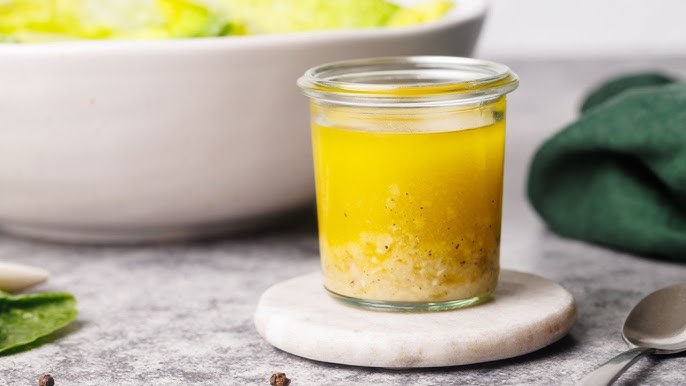
Champagne Vinaigrette Recipe: Champagne vinaigrette is a light, tangy, and slightly sweet salad dressing made primarily with champagne vinegar, olive oil, and a selection of herbs or seasonings. Unlike heavier dressings like creamy ranch or Caesar, champagne vinaigrette offers a fresh, crisp taste that enhances rather than overpowers your salad ingredients. The base ingredient—champagne vinegar—is made from the same grapes used to produce champagne, giving the vinaigrette its subtle elegance and distinct character.
When you drizzle champagne vinaigrette over greens, grilled vegetables, or even seafood, you get a burst of brightness that wakes up the palate. This makes it a favorite in gourmet kitchens and among home cooks who appreciate clean flavors. While it may sound fancy, champagne vinaigrette is surprisingly easy to prepare at home, requiring only a handful of ingredients and a few minutes of your time.
Its lightness and sophistication make it an ideal choice for those who want a dressing that complements without masking the natural flavors of fresh produce. Once you try making it yourself, you may find it difficult to go back to store-bought dressings that often contain unnecessary additives or artificial flavors.
The Origin and Popularity of Champagne Vinaigrette
The concept of vinaigrette dates back centuries to European cuisine, where vinegar and oil were combined with herbs to season vegetables. Champagne vinaigrette, however, gained prominence in modern culinary circles due to its association with French gastronomy and fine dining. As chefs began experimenting with different vinegar types, champagne vinegar stood out for its delicate acidity and fruity undertones.
The recipe found its way into upscale restaurants and quickly became a signature dressing for elegant salads and seafood dishes. Today, champagne vinaigrette has transcended restaurant menus and found a home in everyday kitchens worldwide. With the growing popularity of fresh, wholesome eating, more people are embracing vinaigrettes over heavier dressings—and champagne vinaigrette, with its refined yet approachable flavor, is a top choice.
Why It’s a Must-Have in Your Kitchen
There are three main reasons why champagne vinaigrette should have a permanent spot in your recipe repertoire:
- Versatility – It pairs beautifully with leafy greens, roasted vegetables, grilled meats, and even fruits like strawberries or peaches.
- Health Benefits – Unlike cream-based dressings, it’s lower in calories and often made with heart-healthy oils.
- Ease of Preparation – With just five minutes and a few pantry staples, you can whip up a batch anytime.
If you love serving salads that look and taste like they came from a restaurant, champagne vinaigrette is your secret weapon.
Benefits of Champagne Vinaigrette
Nutritional Advantages
One of the major appeals of champagne vinaigrette is its health profile. Since it’s oil-based rather than cream-based, it tends to be lower in saturated fats and calories. The olive oil provides healthy monounsaturated fats, which can help support heart health and maintain healthy cholesterol levels. Champagne vinegar also brings its own benefits—it’s naturally low in calories and can aid digestion by promoting stomach acid production.
If you make it at home, you control the quality of ingredients, ensuring you avoid preservatives, excess sodium, or refined sugars. Adding fresh herbs, garlic, or citrus juice not only boosts flavor but also adds antioxidants and vitamins to your dressing. Compared to store-bought dressings that can contain hidden sugars and artificial additives, homemade champagne vinaigrette is a cleaner, fresher choice.
Flavor Profile and Versatility
Champagne vinaigrette has a uniquely mild yet tangy flavor that makes it incredibly versatile. Its subtle acidity is softer than red or white wine vinegar, and its fruity undertones make it pair well with a variety of foods. It’s equally at home in a summer strawberry salad as it is drizzled over grilled chicken or roasted vegetables.
This adaptability means you can customize it for different occasions—adding honey for sweetness, Dijon mustard for tang, or fresh herbs for an earthy note. The beauty is that the basic ratio of vinegar to oil remains the same; you simply tweak the extras based on your dish.
Perfect Pairings for Champagne Vinaigrette
- Salads: Mixed greens, arugula, spinach, or butter lettuce.
- Proteins: Grilled salmon, chicken breast, shrimp, or seared scallops.
- Vegetables: Asparagus, zucchini, roasted carrots, or bell peppers.
- Fruits: Strawberries, apples, pears, or peaches for a sweet-savory contrast.
- Cheeses: Goat cheese, feta, or fresh mozzarella for creaminess.
Essential Ingredients for Champagne Vinaigrette
Understanding Champagne Vinegar
Champagne vinegar is made from fermented champagne grapes, typically Chardonnay or Pinot Noir. It’s lighter in acidity than other vinegars, with a delicate, fruity aroma. This makes it perfect for dressings, as it enhances flavors without being harsh. While it may sound luxurious, champagne vinegar is readily available in most grocery stores and online.
If you can’t find it, you can substitute white wine vinegar with a splash of actual champagne for a similar effect. However, using real champagne vinegar will give your vinaigrette the most authentic taste.
Choosing the Right Olive Oil
The olive oil you choose will heavily influence the flavor of your vinaigrette. A high-quality extra virgin olive oil will lend a fruity, slightly peppery note that complements champagne vinegar beautifully. Avoid overly bitter or heavily processed oils, as they can overpower the delicate acidity of the vinegar.
Some people prefer to blend olive oil with a lighter oil, like grapeseed or avocado oil, for a smoother flavor. This is entirely a matter of taste.
Complementary Ingredients for Flavor Balance
A basic champagne vinaigrette contains just vinegar, oil, salt, and pepper—but adding a few extra elements can elevate it:
- Dijon mustard – for creaminess and tang.
- Honey or maple syrup – for sweetness.
- Fresh garlic or shallots – for aromatic depth.
- Fresh herbs – like parsley, basil, or tarragon for freshness.
Tools and Equipment You’ll Need
Mixing Tools
A small whisk is ideal for emulsifying your vinaigrette, though you can also use a fork or a handheld blender. If you want a perfectly smooth dressing, a blender or food processor works best.
Storage Containers
Glass jars with tight-fitting lids are perfect for shaking and storing vinaigrette. Mason jars are a favorite because they allow you to mix and store in the same container.
Measuring Tools for Accuracy
While vinaigrettes can be adjusted by taste, starting with precise measurements ensures a balanced flavor. A set of measuring spoons and a liquid measuring cup will help you maintain consistency.
Step-by-Step Champagne Vinaigrette Recipe
Step 1 – Gather Ingredients
Before you start mixing, make sure you have all your ingredients prepped and measured. This will save time and help you achieve the right flavor balance.
Step 2 – Mix the Base
Start by combining your champagne vinegar and Dijon mustard in a mixing bowl. The mustard serves two purposes—it adds a subtle tang and also acts as an emulsifier, helping the oil and vinegar blend together smoothly. Whisk these two ingredients until the mustard is fully dissolved into the vinegar.
For the classic ratio, you’ll want 1 part vinegar to 3 parts oil. This balance ensures your vinaigrette isn’t overly acidic. If you prefer a sharper bite, reduce the oil slightly; if you want something milder, increase the oil proportion.
This step is crucial because the base sets the foundation for the rest of your flavors. If your base is well-balanced, the rest of the ingredients will shine naturally without needing too much adjustment later.
Step 3 – Add Flavor Enhancers
Once the base is ready, it’s time to add your flavor boosters. Here are some popular additions:
- Honey or Maple Syrup: Adds sweetness to balance acidity.
- Freshly Minced Shallots or Garlic: Gives aromatic depth and savory notes.
- Fresh Herbs (Basil, Tarragon, Parsley): Brings freshness and complexity.
Whisk these into the base slowly so they incorporate evenly. Keep in mind that fresh garlic and herbs can intensify over time in the fridge, so you may want to start with smaller amounts and adjust later.
Step 4 – Whisk or Blend to Perfection
Now comes the emulsification stage. Slowly pour the olive oil into your vinegar mixture while continuously whisking. The slow pour is essential—it allows the oil to break into tiny droplets that stay suspended in the vinegar, creating a creamy, unified texture without separation.
If whisking feels tedious, you can use a blender. Add all ingredients except the oil, blend, and then slowly drizzle the oil into the running blender for a perfectly smooth vinaigrette.
A properly emulsified champagne vinaigrette will look slightly opaque, with a silky consistency that clings to your salad leaves instead of pooling at the bottom of the bowl.
Step 5 – Taste and Adjust
Once your vinaigrette is emulsified, taste it before serving. Here’s what to check:
- Too Sour? Add more oil or a touch of sweetener.
- Too Bland? Add a pinch of salt or more mustard.
- Too Thick? Whisk in a teaspoon of water to loosen the texture.
Tasting is key because small adjustments can transform a good vinaigrette into a perfect one. Remember—this dressing should feel bright and lively, not heavy or overpowering.
Variations of Champagne Vinaigrette
Honey Champagne Vinaigrette
For a sweeter profile, blend in 1–2 teaspoons of honey. This variation works beautifully with fruit-based salads, especially those featuring apples, strawberries, or peaches. The honey adds a smooth, rounded sweetness that softens the vinegar’s tang.
Dijon Mustard Champagne Vinaigrette
Increase the Dijon mustard to 2 teaspoons for a bolder, spicier edge. This version pairs perfectly with roasted vegetables or grain salads like quinoa or farro. The mustard not only boosts flavor but also enhances emulsification.
Herb-Infused Champagne Vinaigrette
Chop fresh herbs like basil, thyme, or dill and stir them in after emulsifying. Let the vinaigrette sit for at least 30 minutes before serving so the flavors infuse. This variation is ideal for summertime salads or as a marinade for chicken and fish.
Best Dishes to Pair with Champagne Vinaigrette
Salads That Shine
Champagne vinaigrette elevates simple green salads into something special. Try it on:
- Baby spinach with strawberries, pecans, and goat cheese.
- Arugula with roasted beets and feta.
- Butter lettuce with avocado and grapefruit segments.
Beyond Salads
Don’t limit this dressing to just greens. Drizzle it over:
- Roasted Vegetables: Asparagus, zucchini, carrots.
- Grilled Seafood: Shrimp, scallops, salmon.
- Fruit Platters: Especially melon, berries, and stone fruits.
Its versatility means you can keep a jar in the fridge and reach for it any time a dish needs a quick flavor boost.
Common Mistakes to Avoid
Overpowering Acidity
One of the most common mistakes with vinaigrettes is going too heavy on the vinegar. While champagne vinegar is milder than many other varieties, using too much can make your dressing harsh and unpleasant. Always start with the classic ratio of 1 part vinegar to 3 parts oil, then adjust gradually. Remember—it’s easier to add more vinegar later than to try to fix an overly acidic dressing.
Skipping Emulsification
If you simply mix vinegar and oil without emulsifying, the dressing will separate quickly, leaving a slick layer of oil floating on top. This not only looks unappetizing but also leads to uneven flavor distribution. Always whisk slowly while adding the oil, or use a blender to create a smooth, creamy emulsion.
Using Low-Quality Ingredients
With a recipe this simple, the quality of each ingredient really matters. A cheap, overly processed oil or a harsh vinegar will stand out immediately in the finished dressing. Always opt for extra virgin olive oil and a reputable brand of champagne vinegar.
How to Store and Preserve Champagne Vinaigrette
Refrigeration Tips
Homemade champagne vinaigrette will keep well in the refrigerator for up to 7–10 days. Store it in a clean, airtight glass jar to preserve freshness and prevent any unwanted flavors from developing.
Shaking Before Use
Even well-emulsified vinaigrettes can separate over time. Simply give the jar a vigorous shake before serving to recombine the ingredients. If the dressing has thickened in the fridge due to the olive oil solidifying slightly, let it sit at room temperature for 5–10 minutes before shaking.
Avoiding Ingredient Spoilage
If you’ve added fresh garlic, herbs, or shallots, the vinaigrette may have a shorter shelf life—around 5 days—because fresh ingredients can spoil faster. For longer storage, keep the base dressing plain and add these extras right before serving.
Expert Tips for Perfect Champagne Vinaigrette
Balancing Flavors Like a Pro
Think of vinaigrette like music—each ingredient is a note, and together they create harmony. The vinegar provides brightness, the oil gives smoothness, and the seasoning rounds everything out. Always taste as you go, and remember that a little salt can bring out hidden flavors.
Letting Flavors Marry
While you can serve champagne vinaigrette immediately, it often tastes even better after resting for 30 minutes. This allows the flavors to meld, creating a richer, more cohesive taste.
Double Up for Convenience
Since vinaigrette keeps well in the fridge, consider making a double batch. This way, you have a ready-to-use dressing for salads, marinades, or quick drizzles over roasted vegetables all week long.
Vegan and Gluten-Free Champagne Vinaigrette
The classic champagne vinaigrette is naturally vegan and gluten-free as long as you choose Dijon mustard without added gluten and avoid any sweeteners containing honey (for strict vegan diets). You can easily swap honey with maple syrup or agave nectar without compromising flavor.
For a gluten-free guarantee, check all your ingredient labels—some vinegars, mustards, or pre-mixed seasonings can contain gluten as additives.
Champagne Vinaigrette for Special Occasions
This dressing is elegant enough for dinner parties, weddings, or holiday gatherings. For extra flair:
- Add edible flowers to your salad for a romantic presentation.
- Infuse the vinaigrette with herbs like rosemary or thyme for a more complex flavor.
- Serve it alongside champagne or sparkling wine for a luxurious pairing.
Homemade vs. Store-Bought
While store-bought champagne vinaigrettes can be convenient, they often contain preservatives, added sugars, and lower-quality oils. Homemade allows you to:
- Control Ingredients: No unnecessary additives.
- Customize Flavors: Adjust sweetness, acidity, and herbs to your liking.
- Ensure Freshness: Use it at its peak flavor.
FAQs about Champagne Vinaigrette Recipe
Q1: Can I substitute champagne vinegar with another type of vinegar?
Yes—white wine vinegar is the closest match, though you may need to add a pinch of sugar for balance.
Q2: How long does homemade champagne vinaigrette last?
Typically 7–10 days in the fridge; shorter if it contains fresh herbs or garlic.
Q3: Can I make champagne vinaigrette without mustard?
Yes, but the dressing may separate more quickly. You can replace mustard with a small amount of mayonnaise for a creamy effect.
Q4: Can I freeze champagne vinaigrette?
Freezing is not recommended, as the texture may change when thawed.
Q5: What’s the best oil-to-vinegar ratio?
Start with 3 parts oil to 1 part vinegar, then adjust based on your taste preference.
Conclusion
Champagne vinaigrette is more than just a salad dressing—it’s a versatile, elegant flavor enhancer that can elevate everything from fresh greens to roasted vegetables and grilled seafood. By using high-quality ingredients, mastering emulsification, and experimenting with variations, you can create a dressing that’s far superior to anything store-bought. Whether for a quick weekday lunch or a special dinner party, this recipe is a simple yet sophisticated addition to your kitchen repertoire.