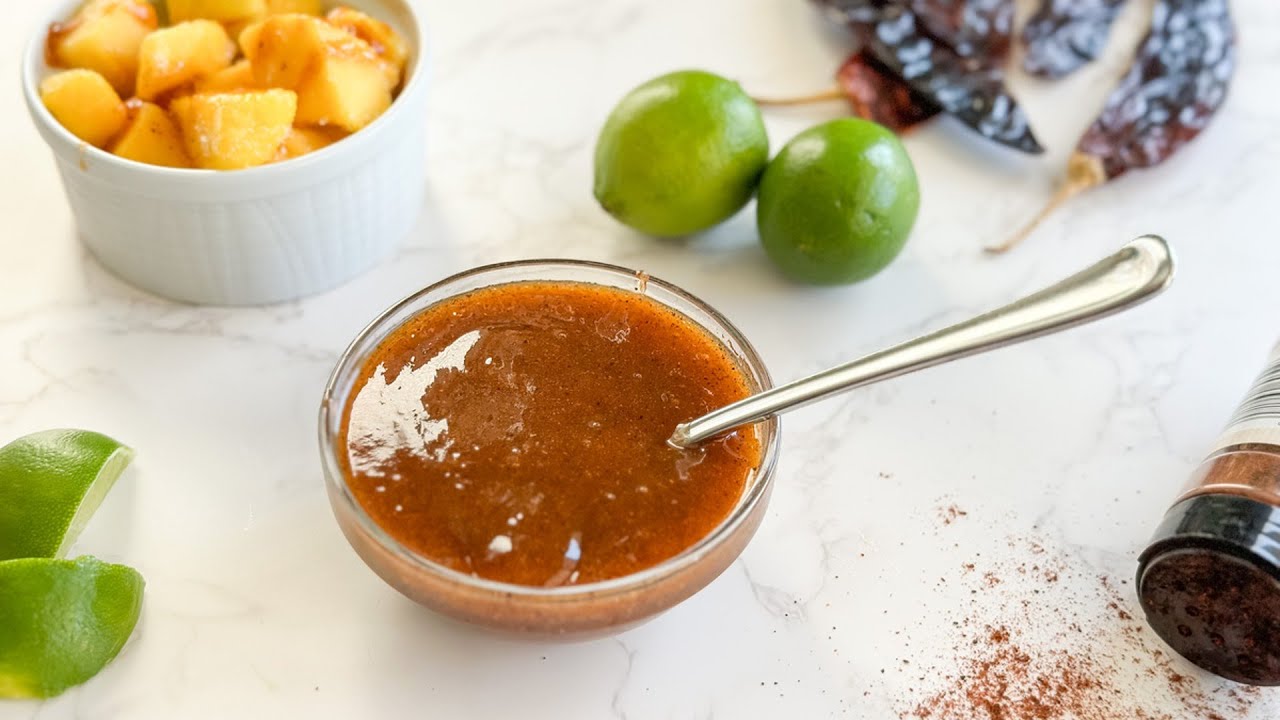
Chamoy Sauce Recipe: If you’re craving that perfect balance of sweet, sour, salty, and spicy, Chamoy sauce is the flavor bomb you’ve been missing in your life.
Whether you’re drizzling it over fruit, spicing up your popcorn, or stirring it into drinks, this iconic Mexican condiment is incredibly versatile—and even better when made at home.
What is Chamoy Sauce?
Chamoy is a traditional Mexican condiment made from a blend of dried fruits, chilies, vinegar, sugar, and salt. The magic of Chamoy lies in its flavor complexity—it’s tangy, sweet, sour, salty, and spicy all at once. Think of it as the Mexican answer to every taste craving you’ve ever had!
It usually comes in liquid or paste form and is often used as a topping or dip. You’ll find Chamoy sold in bottles or as a powdered seasoning, but nothing compares to the taste of fresh, homemade Chamoy.
History and Origins of Chamoy
Chamoy is believed to have roots in Asia, specifically inspired by Chinese umeboshi (pickled plums). Through trade and cultural exchange, the recipe evolved in Mexico into the vibrant, spicy, and fruity sauce we know today.
In Mexican street food culture, Chamoy is a staple. You’ll see it on everything from fresh mango to corn, candy, and even micheladas (beer cocktails). Over time, it has become an integral part of Mexican flavor identity—just like salsa or mole.
What Does Chamoy Taste Like?
The taste of Chamoy is unforgettable. It hits your tongue with a combination of:
- Sweetness from dried fruits like apricots or prunes.
- Tanginess from lime juice and vinegar.
- Saltiness to balance the sweetness.
- Spiciness from chilies like chile de árbol or guajillo.
This medley of flavors makes it perfect for enhancing everything from fresh fruits to meat dishes. If your taste buds are bored, a spoonful of Chamoy will wake them right up!
Common Uses of Chamoy Sauce
Wondering what to do with Chamoy? Here are some delicious ideas:
- Drizzle over fresh fruits like mango, pineapple, watermelon, or cucumber.
- Use as a dip for chips, veggies, or candies.
- Add to cocktails like micheladas or margaritas.
- Top ice cream, shaved ice, or sorbet for a spicy twist.
- Coat rim of cups for spicy drinks and cocktails.
- Mix into dressings or marinades for meats.
Chamoy’s flexibility means it works just as well in snacks as it does in savory dishes.
Why Make Homemade Chamoy?
Sure, you can buy Chamoy at the store—but why settle for mass-produced when you can have fresh, preservative-free, and perfectly balanced Chamoy made in your kitchen?
Homemade Chamoy lets you:
- Control the ingredients (no artificial stuff).
- Adjust the heat and sweetness to your taste.
- Get creative with your favorite dried fruits and chilies.
- Make it in batches and store it for weeks.
It’s cheaper, tastier, and way more satisfying!
Ingredients You’ll Need
Here’s a breakdown of everything you’ll need to make authentic Chamoy at home:
Dried Fruits
- ½ cup dried apricots (can substitute with prunes, raisins, or mango)
- Optional: mix of your favorite dried fruits
Chilies
- 3-5 dried guajillo chilies (mild)
- 1-2 dried chile de árbol (for extra heat)
Acidic Components
- 2 tablespoons apple cider vinegar
- Juice of 1-2 limes (adjust to taste)
Sweetener
- 3 tablespoons brown sugar or piloncillo (Mexican raw cane sugar)
- Optional: honey or agave syrup
Salt
- 1 teaspoon sea salt (or to taste)
Water
- 1 to 1½ cups water for blending and simmering
Want a more tropical taste? Try adding tamarind paste or a touch of pineapple juice for a twist.
Choosing the Right Dried Fruits
Your choice of dried fruit will significantly impact the flavor of your Chamoy. Each option brings something different to the table:
- Dried apricots: tart and sweet—perfect base.
- Prunes: rich and earthy, adds depth.
- Raisins: naturally sweet and dark.
- Mango: tropical twist and milder sweetness.
Feel free to experiment or even combine two or three types. Just avoid fruits with added sugars or preservatives when possible.
Types of Chilies to Use in Chamoy
Chilies are key to Chamoy’s spicy kick. Here are some top choices:
- Guajillo: mild, smoky, fruity—perfect for balance.
- Chile de árbol: small but mighty, brings the heat.
- Ancho chilies: deep, slightly sweet, and mild in spice.
- Pasilla: dark and rich, adds complexity.
Want a no-heat version? Use only mild chilies like guajillo or skip them altogether for a sweet-sour version.
Equipment Needed for the Recipe
Here’s what you’ll need:
- Saucepan or small pot
- Blender or food processor
- Fine mesh strainer (optional)
- Airtight container or glass jar for storage
- Measuring spoons and cups
- Knife and cutting board
Make sure your blender is strong enough to puree dried fruits and chilies into a smooth consistency.
Step-by-Step Guide to Making Chamoy
Chamoy is a bold, sweet-sour-spicy sauce made from dried fruit and chilies. It’s perfect for fruit, snacks, or drinks. Follow these easy steps to make it at home.
Step 1: Soak the Dried Fruits and Chilies
Place dried apricots, prunes, or mango along with dried chilies into a bowl. Cover with hot water and let them soak for 20–30 minutes until softened. Soaking rehydrates the ingredients, making them easier to blend and helping release their natural flavors.
Step 2: Blend the Ingredients
Transfer the soaked fruits and chilies to a blender, including some of the soaking liquid. Add lime juice, salt, and a small amount of sugar if needed. Blend until smooth. For a thinner chamoy, add more soaking liquid; for thicker texture, blend with less liquid.
Step 3: Cook the Mixture
Pour the blended mixture into a saucepan and cook over medium heat for 10–15 minutes, stirring often. Cooking helps deepen the flavor, reduce raw fruit notes, and slightly thicken the chamoy. Avoid high heat to prevent burning.
Step 4: Adjust Seasoning and Consistency
Taste the chamoy and adjust as needed. Add more lime juice for tang, salt for balance, or sugar to mellow the heat. If it’s too thick, stir in a little water; if too thin, simmer a few minutes longer.
Step 5: Cool and Store
Remove from heat and let the chamoy cool completely. Transfer to a clean jar or bottle and refrigerate. It keeps well for up to 2 weeks and gets even better as the flavors meld.
How to Store Homemade Chamoy
Once you’ve made your Chamoy, storage is key to keeping it fresh and flavorful. Homemade Chamoy doesn’t contain preservatives like store-bought versions, so how you store it really matters.
Here’s how to do it right:
- Use airtight containers: Glass jars or bottles with tight-fitting lids work best. They don’t retain odors and are easy to clean.
- Refrigerate immediately: Once the sauce has cooled completely, pop it in the fridge. This slows down spoilage and keeps your Chamoy safe to eat.
- Use clean utensils: Always use a clean spoon or utensil when scooping out Chamoy. This prevents contamination and extends shelf life.
- Label with date: Homemade Chamoy is best consumed within 2 to 3 weeks. Adding a date to your container helps keep track.
Want to make it last even longer? You can freeze Chamoy in ice cube trays and just thaw what you need later!
Tips for Customizing Your Chamoy
The beauty of homemade Chamoy is that it’s totally customizable. Whether you like it super spicy, extra tangy, or a bit sweeter, here’s how to make it your own:
- Adjust sweetness: Add more sugar or honey if you like a sweeter Chamoy. For a lower-sugar version, cut the sweetener in half.
- Change the fruit: Use mango or tamarind for a tropical twist. Dried blueberries or cranberries also give unique results.
- Boost the heat: Add extra chile de árbol or use habanero for serious spice lovers.
- Make it smoky: Add a small chipotle chili or a dash of smoked paprika.
- Turn it into a dip: Simmer the sauce longer for a thicker consistency, perfect for dipping fruit or chips.
Chamoy is like a blank canvas. Play around until you find your signature version.
How to Use Chamoy in Everyday Meals
Chamoy isn’t just for snacking—it’s a flavor enhancer that can jazz up a ton of dishes. Here’s how to sneak it into your everyday eats:
1. With Fresh Fruits and Veggies
- Drizzle over sliced mango, pineapple, watermelon, jicama, or cucumber.
- Sprinkle some Tajín on top for extra flavor.
2. On Snacks
- Add it to popcorn, potato chips, or tortilla chips for a sweet-spicy combo.
- Stir it into peanuts or roasted corn for a savory snack.
3. In Drinks
- Use it to rim the glass of micheladas, Bloody Marys, or margaritas.
- Mix into aguas frescas, smoothies, or lemonade for a bold punch.
4. As a Topping
- Spoon over vanilla ice cream, sorbet, or paletas (Mexican popsicles).
- Add a swirl to yogurt or cottage cheese for a tangy treat.
5. With Meats
- Use as a glaze for grilled chicken or pork.
- Mix into marinades or dressings for tacos and salads.
Trust me—once you start using Chamoy, you’ll be putting it on everything.
Common Mistakes to Avoid
Even though Chamoy is simple to make, a few common mistakes can mess with your flavor or texture. Here’s what to watch out for:
- Using too much chili: Start small and build heat gradually. You can always add more, but you can’t take it out.
- Skipping the soak: Dried fruits and chilies need time to soften or your blend will be chunky.
- Overcooking: If you cook it too long, the sugars may caramelize and affect the taste.
- Not straining: If your blender isn’t super powerful, you might get a gritty texture. Strain it for a smooth sauce.
- Poor storage: Leaving it out or using dirty utensils can spoil the sauce fast.
Avoiding these little pitfalls will make a big difference in your final result.
Is Chamoy Sauce Spicy?
Chamoy can be as spicy—or as mild—as you like. Traditionally, it has a mild to medium heat, thanks to guajillo or chile de árbol, but the heat level is totally adjustable.
Want it mild?
- Use only sweet dried fruits and skip the spicy chilies.
Craving heat?
- Add more chile de árbol, or even use habanero or chipotle for extra kick.
Remember, spice tolerance varies from person to person. It’s always smart to taste as you go and build the heat to your liking.
Chamoy Variations Around the World
Chamoy may be Mexican at heart, but similar flavor combos exist in other cultures:
- China: Umeboshi (pickled plums) inspired the concept with its salty-sour-sweet profile.
- Thailand: Sauces like tamarind chili paste share that spicy-sweet character.
- Philippines: Sweet and spicy sauces made with mango and vinegar are common in street food.
Global tastes love bold, punchy flavors—Chamoy just happens to combine all of them in one saucy package.
Health Benefits and Nutritional Info
Chamoy isn’t exactly a health food, but in moderation, it can be part of a flavorful, balanced diet. Here’s what you need to know:
- Low in fat: Most of the ingredients are fruit-based, so there’s very little fat involved.
- Moderate in sugar: You control the sweetness, which is great if you’re cutting back on sugar.
- Natural ingredients: No artificial preservatives or chemicals like store-bought versions.
- Spices boost metabolism: Chilies contain capsaicin, which may help burn calories.
Still, keep portions in check—Chamoy is meant to be a condiment, not a full meal.
FAQs about Chamoy Sauce Recipe
1. How long does homemade Chamoy last?
Homemade Chamoy lasts up to 3 weeks in the fridge when stored in an airtight container. For longer storage, freeze it in portions.
2. Can I make Chamoy without chilies?
Absolutely! Skip the chilies for a sweet and tangy version that’s perfect for kids or spice-sensitive folks.
3. Is Chamoy vegan?
Yes! This recipe uses only plant-based ingredients, making it 100% vegan.
4. What fruits go best with Chamoy?
Mango, pineapple, watermelon, jicama, and cucumber are classic pairings that taste amazing with Chamoy.
5. Can I make Chamoy powder instead of sauce?
Yes, but it’s a different process. Chamoy powder is made by dehydrating and blending the ingredients into a seasoning mix. It’s often used as a rim salt or fruit sprinkle.
Conclusion
Making your own Chamoy sauce at home is not only easy but also incredibly rewarding. You get to tailor every element—from the heat level to the sweetness—to fit your personal taste. Whether you’re drizzling it over fruit, mixing it into a cocktail, or just licking it off a spoon (we won’t judge), homemade Chamoy hits different.
It’s one of those recipes that makes you wonder: why didn’t I make this sooner?