Chai ka Masala Recipe: If you’ve ever walked past an Indian kitchen early in the morning, chances are you’ve smelled something magical floating in the air. That warm, spicy, slightly sweet aroma? That’s chai ka masala at work. Chai masala is a carefully blended mix of whole spices that transforms ordinary tea into a rich, flavorful, and comforting beverage known as masala chai.
At its core, chai masala is not just a spice blend—it’s an experience. It’s the heart of Indian households, street-side tea stalls, and cozy conversations. Unlike plain black tea, masala chai carries depth. It has warmth from spices like ginger and black pepper, sweetness from cinnamon, and a bold kick from cloves and cardamom. Each sip feels layered, almost like a story unfolding on your taste buds.
What makes chai masala so fascinating is that there is no single “correct” recipe. Every family has its own variation. Some prefer it strong and peppery, while others like it mildly sweet and aromatic. This flexibility is what makes it so personal. You’re not just making tea; you’re crafting a signature flavor.
Traditionally, chai masala is made using whole spices that are lightly roasted and ground into a coarse or fine powder. This blend is then added directly to boiling tea with milk and sugar. The result? A creamy, spicy, soul-soothing drink that feels like a warm hug in a cup.
In recent years, masala chai has gained global popularity. Cafés worldwide now serve versions of it, though many lack the authenticity of a freshly ground homemade spice mix. That’s why learning how to make chai ka masala from scratch is a game-changer. Once you taste the real thing, there’s no going back.
Why Homemade Chai Masala Is Better Than Store-Bought
Let’s be honest—store-bought spice blends are convenient. You grab a packet, sprinkle it into your tea, and you’re done. But convenience often comes at a cost, especially when it comes to flavor and freshness. Homemade chai ka masala delivers a depth and richness that pre-packaged versions simply can’t match.
First, freshness matters more than most people realize. Spices contain natural oils responsible for their aroma and flavor. Once ground and stored for long periods, these oils start to fade. According to culinary experts, ground spices can lose up to 50% of their potency within six months. When you make chai masala at home using freshly roasted whole spices, you capture those essential oils at their peak. The difference is instantly noticeable in your cup.
Another advantage is control. Store-bought blends often contain fillers, preservatives, or an imbalanced ratio of spices. Sometimes they’re too heavy on cinnamon. Other times, the clove overpowers everything else. When you prepare your own mix, you adjust it according to your taste. Love a strong ginger kick? Add more. Prefer a subtle sweetness from cardamom? Balance it your way.
There’s also the question of purity. Homemade spice blends contain exactly what you put into them—nothing more, nothing less. No hidden additives. No artificial flavors. Just pure, aromatic spices working together.
And then there’s the emotional element. Grinding your own chai masala connects you to tradition. The sound of spices crackling in a dry pan, the rich aroma filling your kitchen—it turns a simple task into a ritual. It’s like crafting your own perfume, except this one you get to drink.
When you switch to homemade chai masala, tea stops being routine. It becomes intentional, flavorful, and deeply satisfying.
The Secret Behind Authentic Indian Chai Flavor
Have you ever wondered why chai from an Indian roadside stall tastes so incredibly bold and unforgettable? The secret isn’t just in the tea leaves or milk—it’s in the balance of spices and the technique used to release their full potential.
Authentic Indian chai flavor relies on layering. Think of it like building music. Each spice plays a different note. Cardamom provides a sweet floral top note. Cinnamon adds warmth and subtle sweetness. Cloves bring intensity and depth. Black pepper delivers a gentle heat that lingers. Ginger introduces freshness and spice. When combined correctly, these spices create harmony rather than chaos.
One major secret lies in dry roasting the spices before grinding them. Roasting activates essential oils and intensifies aroma. It’s similar to how toasting bread enhances its flavor. Just a few minutes on low heat can completely transform the spice profile.
Another critical factor is texture. Authentic chai masala is often ground slightly coarse rather than into a super-fine powder. This allows the spices to infuse slowly while the tea simmers, creating a richer and more layered flavor.
Temperature control also plays a role. Traditional masala chai is simmered—not rushed. The spices need time to release their essence into the water and milk. Boiling the mixture gently for several minutes allows the flavors to marry beautifully.
Finally, quality matters. Using fresh, whole spices makes all the difference. The stronger and fresher your base ingredients, the more authentic your chai will taste.
The beauty of authentic chai lies in its imperfection. It’s not overly polished or artificially sweet. It’s bold, slightly spicy, creamy, and deeply comforting. Once you understand the science and soul behind it, you’ll never settle for bland tea again.
Health Benefits of Chai Masala Spices
Beyond its irresistible taste, chai ka masala offers impressive health benefits. For centuries, the spices used in masala chai have been part of Ayurvedic traditions, valued not just for flavor but for their healing properties.
Take cardamom, for example. Often called the “queen of spices,” it’s known to aid digestion and reduce bloating. Studies suggest that cardamom contains antioxidants that may help combat oxidative stress in the body. That’s quite powerful for something so small and fragrant.
Ginger is another star ingredient. It’s widely recognized for its anti-inflammatory properties. Many people drink ginger-infused chai during cold weather to soothe sore throats and improve immunity. Research indicates that ginger can also help with nausea and improve gut health.
Then there’s cinnamon, which has been studied for its potential to regulate blood sugar levels. Some research suggests that cinnamon may improve insulin sensitivity when consumed regularly in moderate amounts.
Cloves contain eugenol, a compound known for its antimicrobial and anti-inflammatory effects. Black pepper, often underestimated, enhances nutrient absorption and adds a metabolism-boosting kick.
When these spices come together in chai, they don’t just create flavor—they create synergy. The warmth of masala chai can improve circulation, aid digestion after heavy meals, and provide comforting relief during colder months.
Of course, balance is key. Masala chai often includes sugar, so moderation matters. But when prepared thoughtfully, chai masala can be more than a delicious beverage—it can be part of a mindful wellness routine.
Drinking chai becomes more than habit. It becomes nourishment with purpose.
Ingredients You’ll Need for Chai Ka Masala
Creating the perfect chai ka masala begins with selecting the right spices in the right proportions. This isn’t just about throwing random spices into a grinder and hoping for magic. It’s about balance, aroma, and depth. Each ingredient plays a specific role, almost like instruments in an orchestra. When measured properly, they create a harmonious blend that transforms ordinary tea into something extraordinary.
The beauty of chai masala lies in its simplicity. You don’t need exotic or hard-to-find ingredients. Most of the spices are likely already sitting in your kitchen cabinet. The key is to use whole spices rather than pre-ground powders whenever possible. Whole spices retain their essential oils much longer, which means stronger flavor and better aroma when you grind them fresh.
Here’s a traditional list of ingredients you’ll need:
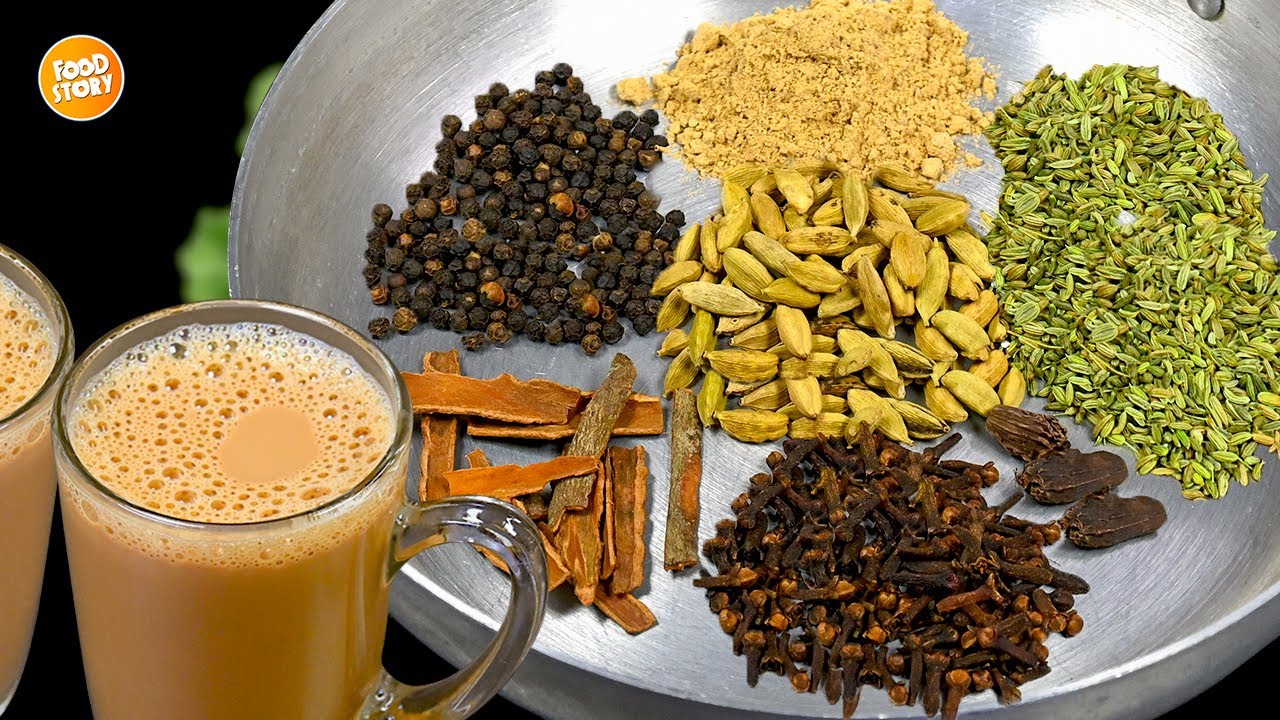
- 2 tablespoons green cardamom pods
- 1 tablespoon cloves
- 3–4 medium sticks of cinnamon
- 1 tablespoon black peppercorns
- 1 tablespoon fennel seeds (optional but recommended)
- 1 teaspoon dry ginger powder or 1 tablespoon dried ginger pieces
- 1 small nutmeg (optional)
These quantities create a balanced blend that works beautifully for daily masala chai. However, think of this as a foundation rather than a strict rulebook. Some people prefer a stronger pepper kick, while others enjoy a sweeter cinnamon-forward flavor. Adjusting the ratios allows you to customize the blend to suit your taste.
When choosing spices, freshness is everything. If your spices have been sitting for over a year and have lost their aroma, it’s time to replace them. Fresh spices release a fragrance so strong that you’ll notice it instantly when roasting them.
Once you gather these ingredients, you’re already halfway to creating a rich, aromatic chai masala that will elevate every cup of tea you brew.
Core Spices for Traditional Flavor
The backbone of authentic chai ka masala lies in its core spices. These are the non-negotiables—the ingredients that define the classic taste of masala chai across India. Without them, the blend simply wouldn’t have the same identity.
First comes green cardamom, often called the soul of chai. Its flavor is sweet, floral, and slightly citrusy. When crushed or ground, it releases an intoxicating aroma that instantly signals comfort. Cardamom provides brightness and prevents the chai from tasting too heavy.
Next is cinnamon, which adds warmth and gentle sweetness. True cinnamon (Ceylon cinnamon) has a softer, more delicate flavor compared to cassia cinnamon, which is stronger and more common. Either works, but the key is moderation. Too much cinnamon can overpower the blend.
Cloves are powerful and intense. Just a small amount goes a long way. They add depth and a slightly bitter-spicy note that balances sweetness from milk and sugar in chai.
Black peppercorns bring subtle heat. Not the kind that burns your mouth, but a warming spice that lingers gently at the back of your throat. This is what gives authentic masala chai its signature kick.
Finally, dry ginger ties everything together. It adds sharpness and warmth, especially during winter months. Ginger also enhances the overall spiciness and complements black tea beautifully.
These core spices create the foundation. When combined correctly, they produce a bold yet balanced blend that defines traditional Indian chai.
Optional Spices for Extra Aroma
While the core spices create the foundation, optional ingredients allow you to personalize your chai masala recipe. Think of these as flavor enhancers that add complexity and character.
Fennel seeds are a popular addition in many households. They introduce a mild sweetness and refreshing aroma. Fennel softens the sharper edges of cloves and pepper, creating a smoother cup of chai.
Nutmeg is another optional but delightful spice. Just a pinch adds a warm, slightly sweet undertone. It’s powerful, so it should be used sparingly. Too much can dominate the blend.
Some regional variations include star anise, which adds a licorice-like sweetness, or dried rose petals for a subtle floral note. In Kashmiri versions, you might even find saffron threads for a luxurious twist.
Adding optional spices allows you to experiment and create your own signature blend. Want something more warming for winter? Add extra ginger and black pepper. Prefer a milder, aromatic version? Increase fennel and cardamom.
This flexibility is what makes homemade chai masala so special. You’re not bound by commercial formulas. You’re free to create a blend that matches your mood, your climate, and your cravings.
Choosing the Best Quality Spices
High-quality spices are the secret weapon behind an unforgettable cup of masala chai. You can follow every step perfectly, but if your spices are stale, the result will fall flat. So how do you choose the best ones?
Start with appearance. Whole spices should look vibrant and intact. Cardamom pods should be plump and green, not pale or shriveled. Cinnamon sticks should feel firm and fragrant. Cloves should be dark brown and slightly oily. If they look dusty or faded, they’ve likely lost potency.
Next comes aroma. Fresh spices have a strong, unmistakable fragrance even before roasting. If you rub a spice between your fingers and barely smell anything, it’s time to replace it.
Buying from trusted spice stores or markets with high turnover ensures freshness. Spices sitting too long on supermarket shelves can lose their essential oils.
Storage also matters. Once purchased, keep spices in airtight containers away from sunlight and moisture. Heat and humidity are enemies of flavor.
Investing in quality spices may seem minor, but it’s the difference between average chai and exceptional chai. Think of it like cooking with fresh herbs versus dried ones—the flavor impact is undeniable.
Whole Spices vs Ground Spices – What Works Best?
When it comes to making chai ka masala, the debate between whole and ground spices often arises. While ground spices are convenient, whole spices are undeniably superior in terms of flavor and freshness.
Whole spices protect their essential oils until you’re ready to use them. Grinding them fresh ensures maximum potency. Pre-ground spices, on the other hand, start losing flavor almost immediately after processing.
Another advantage of whole spices is control. You can roast them lightly to enhance their aroma before grinding. This step intensifies flavor in a way that pre-ground spices simply can’t match.
However, if you’re short on time, high-quality ground spices can still work. Just make sure they’re fresh and stored properly.
For the most authentic and aromatic chai masala, whole spices are the clear winner. They require a little extra effort, but the payoff in flavor is worth it.
Step-by-Step Guide to Making Chai Ka Masala
Let’s break it down carefully so you can create the perfect blend every time.
Step 1 – Measuring the Spices Correctly
Accuracy matters when balancing strong spices like cloves and pepper. Use measuring spoons rather than estimating. Even a slight excess of cloves can overpower the entire blend.
Lay out all your spices before starting. This prevents mistakes and ensures consistency. Consistency is especially important if you plan to make chai masala regularly.
Measuring properly ensures harmony in flavor. Think of it as setting the foundation before building a house.
Step 2 – Dry Roasting for Maximum Aroma
Place a heavy-bottom pan on low heat. Add whole spices (except dry ginger powder if using). Stir continuously for 2–3 minutes until fragrant.
You’ll notice the aroma intensifying quickly. That’s the essential oils releasing. Be careful not to burn the spices, as this will make the blend bitter.
Dry roasting enhances depth and gives chai masala its signature warmth.
Step 3 – Cooling the Spices Properly
After roasting, transfer the spices to a plate immediately. Allow them to cool completely before grinding.
Grinding hot spices can create moisture inside the grinder, affecting texture and shelf life. Cooling preserves aroma and ensures a smooth grinding process.
Patience here makes a big difference in final quality.
Step 4 – Grinding to the Perfect Texture
Use a spice grinder or high-speed blender. Grind until you achieve a fine or slightly coarse powder, depending on preference.
A slightly coarse texture allows slower infusion when brewing chai. Sieve if necessary for uniform consistency.
Freshly ground chai masala will release an incredible aroma at this stage.
Step 5 – Storing for Long-Lasting Freshness
Transfer the powder to an airtight glass jar. Store in a cool, dry place away from sunlight.
Properly stored chai masala can last up to 3–4 months while retaining flavor. Always use a dry spoon when scooping.
Freshness equals flavor, so make small batches for best results.
How to Use Chai Masala in Tea
Now that your homemade chai ka masala is ready, the next question is obvious—how exactly do you use it to make the perfect cup of masala chai? The beauty of this spice blend is that a little goes a long way. You don’t need spoonfuls of it. In fact, too much can overpower the tea and make it bitter instead of beautifully balanced.
For one cup of chai, use about ¼ teaspoon of chai masala. If you prefer stronger spice notes, you can increase it slightly, but start small. It’s always easier to add more than to fix an overly intense brew. The traditional method involves adding water to a saucepan, bringing it to a gentle boil, and then stirring in the chai masala before adding tea leaves. This allows the spices to release their flavors directly into the water.
Once the water turns aromatic—usually within 1–2 minutes—add black tea leaves (preferably Assam tea for a bold flavor). Let it simmer briefly before pouring in milk. Whole milk creates the richest texture, but you can adjust based on preference. Simmer everything together for a few minutes. You’ll notice the color deepen into a warm caramel brown, and the aroma will fill your kitchen like a cozy blanket wrapping around you.
Sweeten with sugar or jaggery according to taste. Some people prefer honey, though it’s best added after turning off the heat to preserve its nutrients. Strain the chai into cups and serve hot.
The key is simmering, not rushing. Let the spices mingle with the tea and milk. Think of it like letting a story unfold—each minute adds more depth. When done right, your masala chai won’t just taste good. It’ll feel comforting, bold, and unforgettable.
Pro Tips for the Perfect Masala Chai
Making masala chai isn’t complicated, but mastering it requires attention to detail. Small adjustments can elevate your tea from good to exceptional. If you want your chai to taste like it came from a bustling Indian tea stall, these practical tips will make all the difference.
First, always simmer instead of boiling aggressively. High heat can make the milk split or cause the spices to taste harsh. A gentle simmer extracts flavor gradually and keeps the texture creamy. Patience truly pays off here.
Second, crush your tea leaves slightly before adding them. This releases more flavor quickly. Assam tea works best because of its strong, malty profile. Lighter teas may get overshadowed by the spices.
Third, adjust spice intensity according to season. During winter, increasing ginger and black pepper adds warmth and comfort. In summer, reducing heavy spices and adding a hint of fennel can make the chai feel lighter and refreshing.
Water-to-milk ratio also matters. A common ratio is 1:1, but if you prefer stronger tea flavor, use slightly more water than milk. More milk makes it creamier and softer in taste.
Another insider tip? Add sugar while the chai is simmering rather than at the end. This helps the sweetness blend smoothly with the spices.
Finally, strain immediately after turning off the heat. Letting the tea sit too long with spices can make it slightly bitter.
Perfect masala chai isn’t about following rigid rules. It’s about understanding balance. Once you find your ideal ratio, your morning tea ritual will feel less like routine and more like a small daily celebration.
Common Mistakes to Avoid
Even though chai ka masala is simple to prepare, certain mistakes can ruin the final flavor. If your chai ever tasted too bitter, too spicy, or strangely flat, chances are one of these errors was the culprit.
One common mistake is over-roasting the spices. While roasting enhances aroma, burning them creates bitterness that carries into the tea. Always roast on low heat and stir constantly. If the spices turn too dark or smell smoky, it’s better to start fresh.
Another mistake is using stale spices. Old spices may look fine but lack aroma and potency. This results in bland chai that lacks character. Always check freshness before grinding.
Many people also add too much clove or black pepper. These spices are powerful and can dominate the blend. Measure carefully rather than guessing quantities.
Grinding spices while they’re still warm is another error. Heat can create condensation inside the grinder, affecting shelf life and texture. Always cool completely before grinding.
Some rush the brewing process. Masala chai needs a few minutes to simmer so the spices can infuse properly. Cutting this step short leads to weak flavor.
Lastly, improper storage can reduce shelf life. Always use airtight containers and keep them away from moisture.
Avoiding these small mistakes ensures your chai remains aromatic, balanced, and deeply satisfying every single time.
Variations of Chai Masala Across India
India is vast, and so is its diversity in food traditions. Just as every region has its own dialect, it also has its own interpretation of chai masala. Exploring these variations adds excitement to your spice blend and opens doors to new flavor profiles.
In North India, chai tends to be strong and bold. Black pepper and ginger are often more prominent, especially during colder months. The spice level is slightly higher, creating a warming effect that suits the climate.
In Maharashtra, fennel seeds are commonly added, lending a mild sweetness and refreshing aroma. The chai here feels slightly softer and more aromatic.
Kashmiri chai sometimes includes saffron and almonds, creating a luxurious and fragrant experience. While technically different from regular masala chai, it shows how spices can transform tea into something royal.
In Gujarat, chai often leans sweeter, with a stronger emphasis on cardamom. The balance shifts slightly toward sweetness rather than heat.
Some South Indian versions include more ginger and occasionally tulsi (holy basil), adding herbal depth and wellness benefits.
These variations prove there’s no single “correct” recipe. Chai masala evolves based on geography, climate, and personal preference. Trying different regional styles can help you discover your own favorite blend.
How Long Does Homemade Chai Masala Last?
Freshness is the soul of chai masala. When stored properly in an airtight container away from heat and moisture, homemade chai masala typically lasts 3 to 4 months while maintaining strong aroma and flavor. After that, it’s still usable, but the potency gradually decreases.
The biggest enemies of spice blends are air, light, and humidity. Glass jars with tight lids work best. Avoid storing near the stove, as constant heat exposure reduces shelf life.
If you want maximum freshness, make smaller batches every couple of months. Grinding fresh spices periodically ensures your chai always tastes vibrant and aromatic.
A simple test to check freshness is the smell test. Open the jar and inhale deeply. If the aroma feels strong and inviting, it’s good. If it smells faint or dull, it’s time for a new batch.
Homemade chai masala isn’t meant to sit forgotten in a cabinet. It’s meant to be used, enjoyed, and refreshed regularly.
FAQs about Chai Ka Masala Recipe
1. What is chai ka masala made of?
Chai ka masala is a fragrant spice blend usually made with cardamom, cinnamon, cloves, black pepper, fennel seeds, and dry ginger. Some versions also include nutmeg or star anise for extra warmth and depth.
2. Do I need to roast the spices first?
Roasting is not always required, but it is highly recommended. Light dry roasting helps release the natural oils in the spices, making the masala more aromatic and flavorful.
3. How should I use chai ka masala?
You can add a small amount directly to your tea while it simmers. It can also be used in milk tea, desserts, or baked treats that need a warm spiced flavor.
4. How long does homemade chai ka masala last?
When stored in an airtight container in a cool, dry place, it usually stays fresh for several weeks to a few months. For the best flavor, use it while the aroma is still strong.
5. Can I adjust the spices in chai ka masala?
Yes, homemade chai ka masala is very flexible. You can make it stronger in cardamom, ginger, or pepper depending on the flavor you enjoy most.
Conclusion
Homemade chai masala delivers unmatched freshness, stronger aroma, and customizable flavor compared to store-bought versions. Whether you prefer bold and spicy or sweet and aromatic, you have complete control.
Once you start using your own blend in masala chai, ordinary tea will feel incomplete. The warmth of cinnamon, the sweetness of cardamom, the kick of ginger and pepper—they come together in perfect harmony.
A simple cup of chai can transform a hectic morning into a calm moment of comfort. And when that chai is made with your own handcrafted masala, it tastes even better.