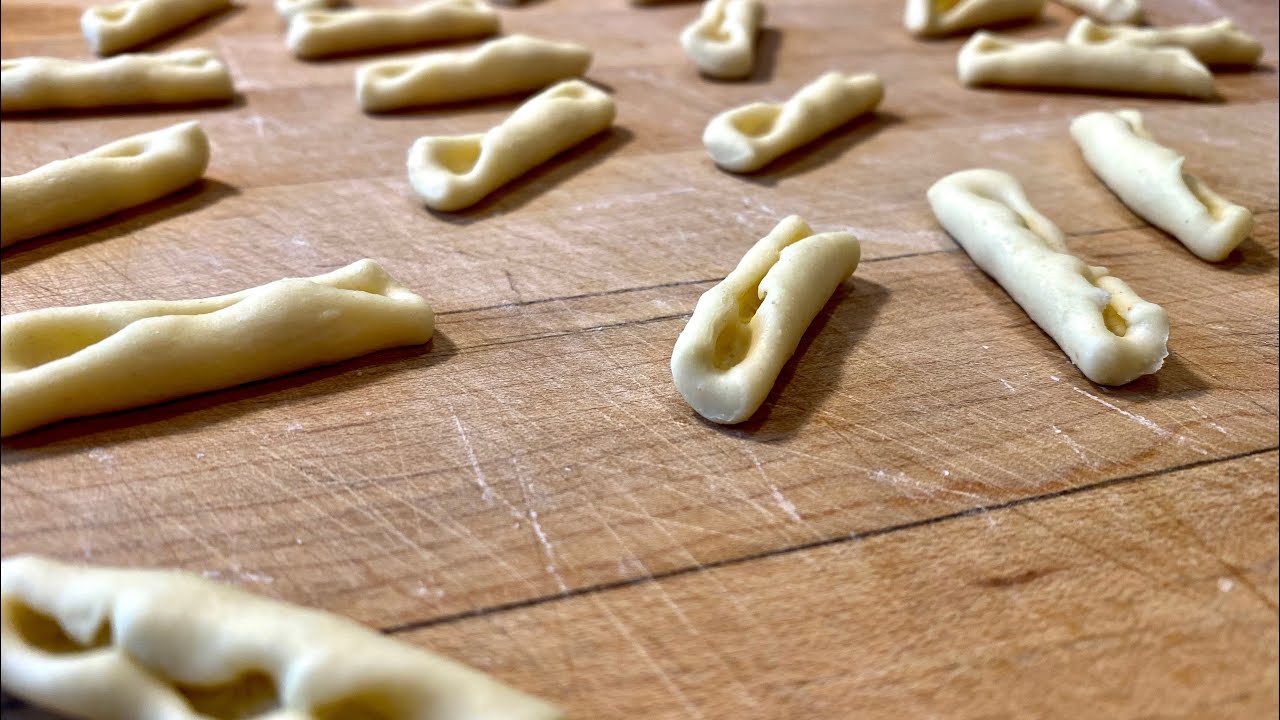
Cavatelli Pasta Recipe: There’s nothing quite like the taste of fresh, homemade pasta—and cavatelli, with its soft, pillowy texture and ridged surface that clings perfectly to any sauce, is one of the best traditional Italian pastas you can make at home.
This step-by-step guide will walk you through everything from the tools and ingredients to cooking tips and pairing ideas so you can master the art of cavatelli.
What is Cavatelli Pasta?
Cavatelli is a traditional Southern Italian pasta that resembles tiny hot dog buns or miniature shells. These small, rolled pieces of dough are usually made without eggs—just semolina flour and water—but regional variations include ricotta cheese or even spinach. The signature feature of cavatelli is its curved shape and ridged surface, perfect for gripping sauce.
Unlike machine-extruded pasta like penne or spaghetti, cavatelli is hand-formed, giving it a rustic and homemade charm. It’s ideal for hearty sauces and works beautifully in everything from tomato-based dishes to creamy or olive oil-based recipes. Cavatelli is especially popular in the regions of Molise, Apulia (Puglia), and Basilicata, where it’s often served with broccoli rabe or sausage.
Why You’ll Love Homemade Cavatelli
Sure, you can buy packaged cavatelli at the store—but once you taste the homemade version, there’s no going back. Homemade cavatelli has a superior texture, a fresher flavor, and that satisfying feeling of creating something from scratch. Here’s why it’s worth the effort:
- Customizable: You can play with ingredients like ricotta or spinach to suit your taste or dietary needs.
- Fun to make: Shaping cavatelli is hands-on and satisfying. It’s a great weekend cooking project or even a family activity.
- Freezable: You can make a big batch and freeze it for later, making weeknight dinners a breeze.
- Impressive: It looks fancy, but the process is surprisingly easy—perfect for impressing friends and family.
So, if you’re ready to roll up your sleeves, let’s dive into the ingredients and process!
Tools & Equipment You’ll Need
Before we start, gather the right tools. You don’t need anything fancy, but having these on hand will make things smoother.
Rolling Tools
- Rolling pin or pasta machine (for rolling out the dough)
- Clean surface (wooden board or countertop)
Cavatelli Board or Fork
- A cavatelli board gives you the signature ridges.
- A fork can work in a pinch.
Mixing Equipment
- Large mixing bowl
- Measuring cups
- Clean towel or plastic wrap (for dough resting)
Optional but helpful: Bench scraper, food processor (for quicker dough mixing), kitchen scale for precision.
List of Ingredients You’ll Need
Let’s get into the real heart of the recipe—what you’ll need to make cavatelli dough. The ingredient list is simple, which makes quality all the more important.
Traditional Dough Ingredients
- 2 cups semolina flour (plus extra for dusting)
- 1/2 cup warm water
- 1/2 tsp salt
That’s it. Just three ingredients! The flour and water method is traditional, egg-free, and vegan-friendly. Semolina flour is preferred because of its high gluten content and coarse texture, which gives the pasta structure and bite.
Optional Add-ins & Substitutes
- Ricotta cheese (for a softer dough; replace half the flour with ricotta)
- All-purpose flour (you can substitute for semolina in a pinch, but the texture will differ)
- Spinach purée (add color and nutrients to your dough)
- Olive oil (optional, for a bit more elasticity)
Now that we’ve got everything ready, let’s start making the dough.
Step-by-Step Guide to Making Cavatelli Pasta
Cavatelli is a classic Italian pasta known for its small, shell-like shape that holds sauce beautifully. Making it at home is simple and deeply satisfying.
Step 1: Measure & Prepare Ingredients
Measure your flour and place it in a large bowl or directly on a clean work surface. Make a well in the center. Have warm water and a pinch of salt ready. Accurate measuring ensures the dough has the right balance of firmness and elasticity.
Step 2: Mix the Dough
Gradually pour warm water into the center of the flour well. Using a fork or your fingers, slowly bring the flour into the water. Continue mixing until a rough, shaggy dough forms. It may look dry at first—this is normal.
Step 3: Knead the Dough
Transfer the dough to a lightly floured surface and knead for 8–10 minutes. Use the heel of your hand to push the dough forward, then fold it back. The dough should become smooth, elastic, and slightly firm, not sticky.
Step 4: Let the Dough Rest
Form the dough into a ball and cover it with a clean towel or plastic wrap. Let it rest at room temperature for 20–30 minutes. Resting relaxes the gluten, making the dough easier to roll and shape.
Step 5: Roll the Dough into Ropes
Divide the rested dough into smaller portions. Roll each piece into long ropes about ½ inch thick. Keep unused dough covered to prevent it from drying out while you work.
Step 6: Cut and Shape the Cavatelli
Cut the ropes into small pieces, about ¾ inch long. Using your fingers or a cavatelli board, press and roll each piece to create the signature hollow shape. Light pressure helps form the curl without tearing the dough.
Step 7: Dry or Cook Immediately
You can cook cavatelli right away in boiling salted water for 3–4 minutes until they float. Alternatively, let them dry on a floured tray for 20–30 minutes before storing or cooking later.
How to Cook Cavatelli Pasta Perfectly
Cooking cavatelli is simple but following a few tips can make a big difference in the final result:
- Use a large pot of boiling, heavily salted water.
- Don’t overcrowd the pot—cook in batches if needed.
- Gently stir in the first 30 seconds to prevent sticking.
- Fresh cavatelli: Cook 4–5 minutes.
- Frozen cavatelli: Cook 5–6 minutes, straight from frozen (don’t thaw).
Once cooked, drain with a slotted spoon or pasta strainer and toss immediately with your sauce of choice.
Sauce Pairings for Cavatelli Pasta
Thanks to its ridged texture and firm bite, cavatelli pairs well with all kinds of sauces. Whether you’re craving something light or rich, here are a few winning combos:
Classic Tomato Sauce
The ultimate comfort food—slow-simmered tomatoes with garlic, olive oil, and basil. A sprinkle of Parmesan brings it all together.
Garlic & Olive Oil (Aglio e Olio)
Simple but bold. Sauté garlic in olive oil, toss in cooked cavatelli, add chili flakes, parsley, and lemon zest.
Cream-Based Sauces
Cavatelli holds creamy sauces like Alfredo, gorgonzola, or carbonara beautifully. Great with sautéed mushrooms or pancetta.
Pesto Variations
Try basil pesto, sun-dried tomato pesto, or even arugula walnut pesto. Toss with cavatelli and finish with toasted pine nuts.
Traditional Pairings
In Southern Italy, it’s often served with:
- Sausage and broccoli rabe
- Lamb ragù
- Chickpeas and pancetta
Tips for Perfect Cavatelli Every Time
Want your homemade pasta to turn out amazing every single time? Keep these tips in mind:
- Use the right flour: Semolina is best. All-purpose can work but might yield softer dough.
- Don’t skip the rest: Resting the dough improves texture and makes shaping easier.
- Flour your surface: Prevent sticking without over-dusting.
- Keep the dough covered: It dries out quickly. Wrap unused portions.
- Practice your shaping: Don’t stress about perfection—rustic = authentic.
Troubleshooting Common Issues
Even if you follow the recipe closely, you might hit a snag. Here’s how to fix common problems:
| Issue | Cause | Fix |
|---|---|---|
| Dough is too dry | Not enough water | Add a teaspoon of water and knead |
| Dough is too sticky | Too much water or humidity | Add a little flour while kneading |
| Pasta is tough after cooking | Over-kneading or undercooking | Cook slightly longer or knead less next time |
| Dough won’t roll into ropes | Not rested enough | Let it rest longer, up to 1 hour |
| Pasta sticks together after shaping | No flour on tray | Dust with semolina as you go |
How to Store Homemade Cavatelli
Whether you’re meal prepping or saving leftovers, storing your cavatelli properly is key.
Fresh (Uncooked) Cavatelli:
- Fridge: Up to 2 days in an airtight container
- Freezer: Lay on a tray to freeze separately, then transfer to a bag
Cooked Cavatelli:
- Store in the fridge for up to 3 days
- Reheat in a skillet with a splash of water or sauce to avoid drying out
Tip: Don’t refrigerate uncooked pasta more than 2 days—flavor and texture degrade.
Variations of Cavatelli Pasta
Feeling creative? Mix things up with these tasty cavatelli variations:
Ricotta Cavatelli
Replace half the flour with ricotta cheese. It makes the dough softer and adds richness.
Whole Wheat Cavatelli
Use 50/50 whole wheat and all-purpose flour. It’s nuttier and higher in fiber, but may require more water.
Spinach Cavatelli
Add 2 tablespoons of spinach puree to your dough. It turns the pasta green and adds subtle flavor.
Other fun additions:
- Beet puree for pink pasta
- Turmeric or saffron for yellow hue
- Chopped herbs for flavor specks
Cavatelli in Italian Culture & History
Cavatelli has deep roots in the culinary traditions of Southern Italy. In regions like Puglia and Molise, it’s a go-to pasta for Sunday dinners, festivals, and family gatherings. You’ll find it in everything from peasant-style dishes with legumes to elaborate meat ragù recipes.
What makes cavatelli unique is that it’s one of the few pastas shaped entirely by hand—no need for machines or special gadgets. It’s a pasta that reflects the simplicity and heart of Italian home cooking.
Serving Ideas for Homemade Cavatelli
Need inspiration for your next pasta night? Try these serving ideas:
- Weeknight Dinner: Cavatelli + marinara + garlic bread
- Rustic Sunday Lunch: Cavatelli with sausage & broccoli rabe
- Dinner Party: Cavatelli in creamy mushroom sauce, garnished with fresh herbs
- Comfort Meal: Baked cavatelli with cheese and tomato sauce
- Light & Fresh: Cavatelli with cherry tomatoes, olive oil, and basil
Add a side salad, a glass of wine, and you’re all set.
FAQs about Cavatelli Pasta Recipe
1. Can I make cavatelli without a cavatelli board?
Yes! A fork works just as well. Just press and roll each piece on the back of the fork to create ridges.
2. How long can I store fresh cavatelli?
Fresh cavatelli can be stored in the fridge for 1–2 days or frozen for up to 2 months.
3. What flour is best for cavatelli?
Semolina flour is ideal for texture and bite, but all-purpose flour works if needed.
4. Can I use gluten-free flour?
You can try a gluten-free flour blend, but the texture may be softer and harder to shape.
5. Why is my dough too sticky or too dry?
It’s all about moisture balance. Add water a little at a time if dry, or dust with flour if sticky.
Conclusion
There’s something timeless about the process of making pasta from scratch—especially when it’s as approachable as cavatelli. Whether you stick to the traditional flour-and-water version or get creative with ricotta or spinach, cavatelli brings that handmade warmth to your table. With just a few basic ingredients and a little bit of practice, you’ll be making batches of this chewy, sauce-loving pasta like a pro.
Give it a try this weekend. Once you taste the results, you’ll understand why homemade cavatelli is a tradition worth keeping alive.