Cava Chicken Recipe: If you’ve ever stood in line at Cava, staring at the colorful ingredients behind the glass and wondering how something so simple tastes so ridiculously good, you’re not alone. That bold, juicy, perfectly seasoned Cava chicken has become a Mediterranean favorite across the United States. The good news? You don’t have to leave your kitchen—or spend restaurant money—to enjoy it. With the right ingredients and technique, you can recreate that same vibrant flavor at home.
This guide walks you through everything in detail. From understanding what makes Cava chicken special to mastering the marinade and assembling a restaurant-style bowl, every step is explained clearly. No guesswork. No bland chicken. Just bold Mediterranean flavor layered the right way.
Let’s dive in.
What Is Cava Chicken?
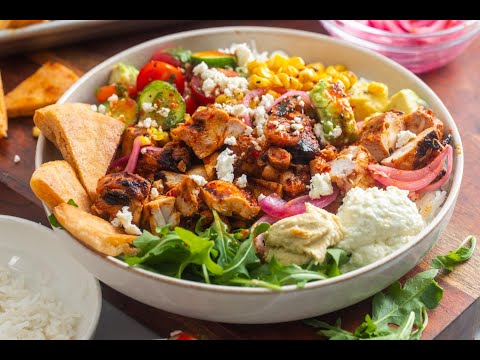
Cava chicken is a Mediterranean-inspired dish typically served in customizable bowls featuring grilled or roasted marinated chicken, fresh vegetables, grains, dips, and sauces like hummus or tzatziki. What sets it apart from ordinary grilled chicken is the bold marinade, which blends olive oil, lemon juice, garlic, and aromatic spices such as oregano and cumin. The result is tender, juicy chicken packed with bright, herby flavor.
Unlike heavy, cream-based dishes, Cava chicken leans on clean, fresh ingredients. It’s satisfying without feeling greasy. The seasoning penetrates deeply into the meat, giving every bite a balance of tangy, savory, and slightly smoky notes. When paired with fluffy rice, crisp greens, pickled onions, feta cheese, and a drizzle of garlic yogurt sauce, it becomes a complete, well-rounded meal.
The beauty of Cava chicken lies in its simplicity. There are no complicated culinary techniques involved. The secret is in layered flavor. Each component complements the other—acid from lemon, richness from olive oil, earthiness from spices, freshness from herbs. It’s Mediterranean cooking at its best: straightforward, wholesome, and deeply flavorful.
The Mediterranean Inspiration Behind Cava
Mediterranean cuisine is rooted in countries like Greece, Lebanon, Turkey, and Italy, where food revolves around fresh produce, lean proteins, olive oil, and herbs. Cava chicken draws heavily from this tradition. The marinade closely resembles classic Greek souvlaki seasoning, while the bowl-style presentation echoes Middle Eastern mezze platters.
Research consistently shows that the Mediterranean diet is one of the healthiest in the world. According to studies published in the New England Journal of Medicine, this style of eating has been linked to reduced risks of heart disease and improved longevity. That’s not just a trend—it’s decades of research supporting a diet rich in vegetables, healthy fats, and lean proteins.
When you make Cava chicken at home, you’re not just recreating a restaurant favorite—you’re embracing a globally respected approach to balanced eating. The use of olive oil instead of processed fats, herbs instead of artificial flavorings, and fresh vegetables instead of fried sides reflects a philosophy of nourishment and enjoyment combined.
And let’s be honest—food tastes better when it’s built on centuries of culinary wisdom.
Why Cava Chicken Became So Popular
Cava has grown rapidly across the U.S., with hundreds of locations and a cult-like following. So why did it take off so quickly? Simple: it hits the sweet spot between fast food convenience and wholesome, high-quality ingredients.
People today want meals that are customizable, healthy, and flavorful. Cava delivers exactly that. You choose your base—rice, greens, or both—add protein, layer vegetables, then finish with dips and dressings. It’s interactive and personal. No two bowls are exactly the same.
Another reason for its popularity is the focus on bold seasoning. Many fast-casual restaurants play it safe with mild flavors. Cava leans into garlic, lemon, herbs, and spice blends. That vibrant flavor keeps customers coming back.
Recreating it at home gives you even more control. Want extra garlic? Add it. Prefer it spicier? Increase the cumin and paprika. Cooking it yourself allows you to tailor every bite exactly to your taste.
Why You’ll Love This Homemade Cava Chicken Recipe
Making Cava chicken at home isn’t just about saving money—it’s about control, freshness, and customization. When you prepare it yourself, you choose the quality of the chicken, the type of olive oil, and the balance of spices. You avoid unnecessary preservatives and control sodium levels.
There’s also something incredibly satisfying about mastering a restaurant-style dish in your own kitchen. Once you taste that juicy, herb-packed chicken straight from your skillet or grill, you’ll realize how simple it actually is.
Meal prep lovers will especially appreciate this recipe. The chicken stores well in the refrigerator for up to four days, making it perfect for weekday lunches. Cook once, enjoy multiple meals. Add it to wraps, salads, or grain bowls—it’s versatile and reliable.
If you’re hosting guests, this dish becomes a conversation starter. Set up a “build-your-own bowl” bar with rice, greens, toppings, and sauces. It’s interactive and impressive without being stressful.
Health Benefits of Mediterranean-Style Chicken
This recipe isn’t just delicious—it’s nutritionally smart. Skinless chicken breast is high in lean protein, which supports muscle repair and keeps you full longer. Olive oil provides heart-healthy monounsaturated fats. Garlic contains compounds linked to immune support and cardiovascular health.
Lemon juice adds vitamin C, while herbs like oregano contain antioxidants. Compared to fried chicken dishes, this preparation method drastically reduces unhealthy fats and excess calories.
According to the American Heart Association, diets emphasizing lean protein, vegetables, and healthy fats contribute to improved heart health. That’s exactly what this recipe embodies.
Eating well doesn’t mean sacrificing flavor. In fact, bold herbs and spices often reduce the need for excess salt or heavy sauces.
Cost Savings Compared to Eating Out
Let’s talk numbers. A typical Cava bowl can cost between $12 and $15 depending on location and add-ons. Making it at home significantly reduces that expense. A pound of chicken breast, rice, vegetables, and pantry spices can produce multiple servings for the price of one restaurant bowl.
Cooking at home also eliminates delivery fees and tipping costs. Over time, those savings add up quickly.
More importantly, you gain portion control. Restaurants sometimes serve larger rice portions than necessary. At home, you balance protein, grains, and vegetables exactly how you prefer.
Ingredients You’ll Need
Now let’s get practical. The key to authentic flavor is using fresh, high-quality ingredients. Don’t skip the lemon juice or fresh garlic—they’re foundational to the flavor profile.
Here’s everything you’ll need to create a restaurant-style Cava chicken bowl at home.
Ingredients for the Marinated Chicken
- 2 pounds boneless, skinless chicken breasts (or thighs for extra juiciness)
- 3 tablespoons extra virgin olive oil
- 3 tablespoons fresh lemon juice
- 4 cloves garlic, minced
- 1 teaspoon dried oregano
- 1 teaspoon ground cumin
- 1 teaspoon paprika
- ½ teaspoon salt
- ½ teaspoon black pepper
Each ingredient plays a role. Olive oil locks in moisture. Lemon juice tenderizes the meat. Garlic adds depth. Oregano delivers that unmistakable Mediterranean aroma. Cumin and paprika add warmth and subtle smokiness.
Fresh ingredients truly make a difference here. Bottled lemon juice won’t deliver the same brightness. Pre-minced garlic lacks punch. If you want bold flavor, fresh is non-negotiable.
Ingredients for the Signature Cava Bowl
Once your Cava chicken is marinated and ready to cook, the real magic happens when you start building the bowl. This is where textures, colors, and flavors come together in layers that make every bite exciting. Think of it like constructing a Mediterranean mosaic—each piece adds character, and together they create something vibrant and satisfying.
For the base, you’ll need:
- 2 cups cooked basmati rice or jasmine rice
- 2 cups fresh mixed greens (arugula, romaine, or spinach work well)
You can use either rice, greens, or a combination of both. Rice gives the bowl heartiness and warmth, while greens add freshness and crunch. Many people love doing half-and-half to strike the perfect balance.
For the toppings, gather:
- 1 cup cherry tomatoes, halved
- 1 cup diced cucumbers
- ½ cup thinly sliced red onions
- ½ cup crumbled feta cheese
- ½ cup hummus
- ½ cup tzatziki sauce
- ¼ cup pickled onions (optional but highly recommended)
- Fresh parsley for garnish
Each topping brings something important to the table. Cucumbers add crunch and hydration. Tomatoes bring natural sweetness and acidity. Red onions provide bite. Feta contributes creamy saltiness that contrasts beautifully with the lemony chicken. Hummus adds smooth, nutty richness, while tzatziki introduces cool, garlicky creaminess.
What makes this bowl special isn’t any single ingredient—it’s the balance. You get creamy, crunchy, tangy, savory, and fresh in one forkful. That’s why Cava-style bowls are so addictive. They hit multiple taste notes at once, keeping your palate engaged from the first bite to the last.
Optional Add-Ons for Extra Flavor
Want to take your homemade bowl to the next level? These optional additions can elevate your dish from “really good” to “restaurant-quality amazing.” The best part is that they’re easy to prepare and customize.
Consider adding:
- Roasted red peppers for smoky sweetness
- Kalamata olives for briny depth
- Harissa sauce for a spicy kick
- Toasted pita chips for crunch
- Avocado slices for creamy richness
- Tahini drizzle for nutty flavor
Adding a spicy element like harissa can completely transform the bowl, especially if you love heat. If you prefer mild flavors, stick to tahini and roasted vegetables. It’s all about tailoring the experience to your taste.
Texture is just as important as flavor. Crunchy pita chips or roasted chickpeas create contrast against the soft rice and tender chicken. When building your bowl, think about variety. A mix of soft, crisp, creamy, and juicy components makes each bite feel layered and intentional.
The beauty of making this recipe at home is freedom. You’re not limited by what’s behind a restaurant counter. You can experiment, adjust, and create a bowl that feels uniquely yours.
Step-by-Step Guide to Making Cava Chicken
Now it’s time to bring everything together. Follow these steps carefully, and you’ll end up with juicy, flavorful chicken that tastes like it came straight from a Mediterranean grill.
Step 1 – Preparing the Marinade
Start by making a flavorful marinade with ingredients like olive oil, lemon juice, garlic, oregano, paprika, cumin, salt, and black pepper. Whisk everything together until well combined. This marinade gives the chicken that bold, fresh Mediterranean-style flavor.
Step 2 – Marinating the Chicken Properly
Place the chicken in a bowl or zip-top bag and pour the marinade over it. Make sure each piece is well coated, then cover and refrigerate for at least 30 minutes to a few hours. Marinating helps the chicken stay juicy and allows the flavors to soak in deeply.
Step 3 – Cooking the Chicken (Grill, Oven, or Skillet)
Cook the chicken using your preferred method. Grill it for a smoky flavor, bake it for an easy hands-off option, or sear it in a skillet for a quick stovetop version. Cook until the chicken is fully done and nicely browned on the outside. Let it rest for a few minutes, then slice it into strips or bite-sized pieces.
Step 4 – Preparing the Base and Toppings
While the chicken cooks, prepare your bowl ingredients. A Cava-style bowl often includes rice, greens, lentils, cucumbers, tomatoes, pickled onions, feta, hummus, or tzatziki. Chop and organize everything so the bowl comes together easily.
Step 5 – Assembling the Perfect Cava Bowl
Add your base to a bowl, then layer on the cooked chicken and your favorite toppings. Finish with sauces like garlic dressing, tahini, or spicy yogurt sauce. Serve right away while the chicken is warm and the vegetables are fresh.
Pro Tips for Authentic Flavor
- Use fresh lemon juice only.
- Don’t skip resting the chicken.
- Toast your spices lightly before mixing for deeper flavor.
- Add a final drizzle of olive oil before serving.
Small details make a big difference.
Nutritional Information and Health Benefits
A typical homemade Cava chicken bowl averages around 500–700 calories, depending on portion size and toppings. It provides high-quality protein, fiber from vegetables, and healthy fats from olive oil and hummus.
Compared to fried fast-food meals that can exceed 1,000 calories, this option is balanced and nutrient-dense. It supports energy, muscle maintenance, and heart health.
Common Mistakes to Avoid
One common mistake is under-seasoning. Mediterranean food relies on bold flavors. Don’t be shy with herbs and garlic.
Another mistake is overcooking the chicken. Always use a thermometer. Dry chicken ruins the bowl.
Lastly, avoid overdressing. Too much sauce can overpower the fresh ingredients.
FAQs about Cava Chicken Recipe
1. What is Cava chicken made of?
Cava-style chicken is usually made with chicken marinated in olive oil, lemon juice, garlic, and Mediterranean-inspired spices such as oregano, paprika, cumin, salt, and pepper. The result is flavorful, juicy, and slightly tangy.
2. How long should I marinate Cava chicken?
For good flavor, marinate the chicken for at least 30 minutes. For deeper flavor, you can leave it for a few hours in the refrigerator. Avoid marinating too long if the marinade is very acidic.
3. Can I cook Cava chicken without a grill?
Yes, you can cook it in the oven, on a skillet, or in an air fryer. A grill adds smoky flavor, but the other methods still work very well and keep the chicken tender.
4. What can I serve with Cava chicken?
Cava chicken pairs well with rice, greens, lentils, hummus, pita, cucumbers, tomatoes, pickled onions, and feta. It is perfect for building a Mediterranean-style bowl or wrap.
5. How do I keep Cava chicken juicy?
Use a good marinade, avoid overcooking, and let the chicken rest for a few minutes after cooking before slicing. This helps the juices stay inside the meat.
Conclusion
Making Cava chicken at home is easier than you might think. With a simple marinade, fresh toppings, and proper cooking technique, you can recreate that restaurant-quality bowl in your own kitchen. It’s flavorful, customizable, budget-friendly, and packed with wholesome ingredients.
Once you master it, this recipe will likely become a weekly favorite. It’s not just a meal—it’s a vibrant Mediterranean experience built right in your bowl.