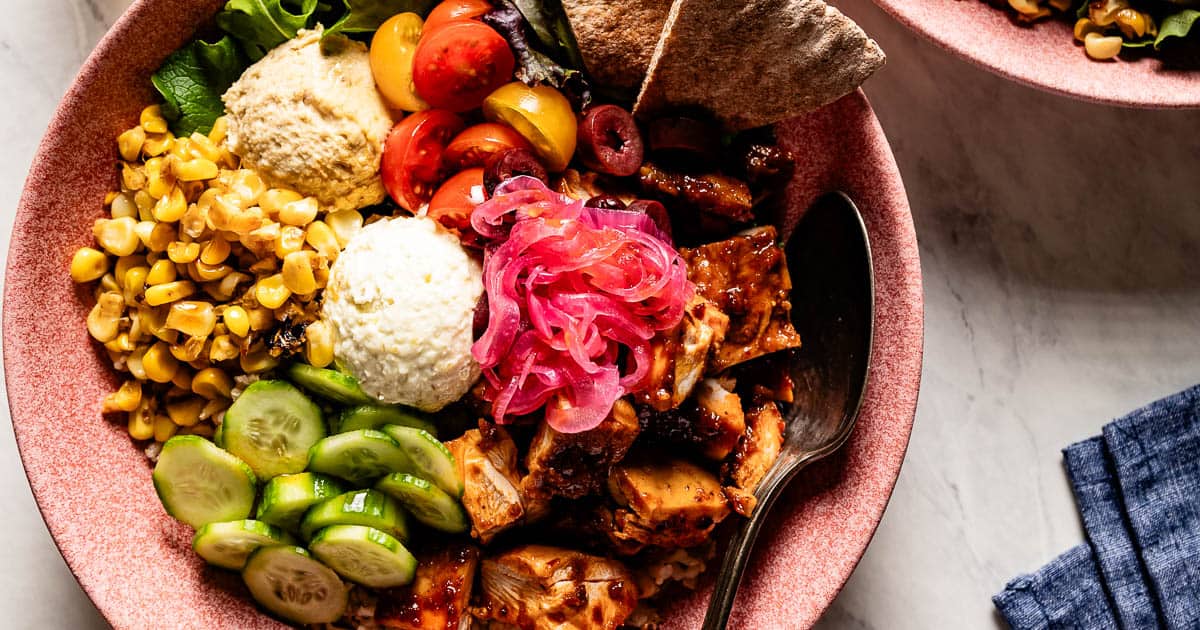
Cava Bowl Recipe: If you’ve ever walked into a Cava restaurant, you know the experience is more than just ordering food—it’s building your own Mediterranean masterpiece. A Cava bowl is essentially a customizable grain bowl inspired by Mediterranean flavors, packed with fresh vegetables, bold proteins, creamy dips, and vibrant sauces. Think of it as the Mediterranean cousin of a burrito bowl, but lighter, brighter, and bursting with herbs and spices.
At its core, a Cava bowl combines a base like rice or greens, a protein such as grilled chicken or falafel, fresh toppings like tomatoes and cucumbers, and signature spreads like hummus or tzatziki. What makes it so addictive is the layering of textures and flavors. You get creamy, crunchy, smoky, tangy, and savory all in one bite. It’s like a perfectly composed symphony where every ingredient plays its role without overpowering the others.
The Mediterranean diet, which heavily influences Cava’s menu, is consistently ranked among the healthiest eating patterns in the world. According to Harvard Health Publishing, this diet is linked to reduced risk of heart disease, improved brain health, and better weight management. So when you build a Cava bowl at home, you’re not just making something delicious—you’re creating a nutrient-dense, balanced meal.
What’s even better? You don’t have to wait in line or spend extra money to enjoy it. With the right ingredients and a little preparation, you can recreate that same restaurant-quality bowl in your own kitchen. And honestly, once you learn how to do it, you may never go back to ordering out again.
Why You’ll Love This Homemade Cava Bowl Recipe
Let’s be honest—restaurant meals are great, but they add up quickly. A single Cava bowl can cost anywhere between $12 to $16 depending on your location and add-ons. Making it at home? You can cut that cost in half while controlling exactly what goes into your food. That alone is a huge win.
But it’s not just about saving money. When you prepare your own homemade Cava bowl, you have complete creative control. Want extra feta? Go for it. Prefer brown rice over white? Done. Need a dairy-free option? Easy swap. Cooking at home means no limitations and no compromises.
Another reason you’ll love this recipe is its versatility. You can prep the ingredients ahead of time and mix and match throughout the week. It works perfectly for lunch, dinner, or even meal prep. Imagine opening your fridge and assembling a colorful, healthy bowl in under five minutes. That’s convenience without sacrificing quality.
There’s also something deeply satisfying about building your bowl layer by layer. It feels intentional. It feels nourishing. It feels like you’re treating your body well. And when you take that first bite and realize it tastes just as good—if not better—than the restaurant version, it’s incredibly rewarding.
Plus, Mediterranean flavors are universally loved. The garlic, lemon, olive oil, oregano, cumin—these ingredients create bold taste without feeling heavy. You walk away feeling energized instead of sluggish. And in today’s fast-paced world, that kind of meal is exactly what we need.
Ingredients You’ll Need
Below is a complete breakdown of what you’ll need to build your Mediterranean bowl masterpiece.
Base Ingredients
The base sets the foundation for your entire bowl. It’s like the canvas for your edible artwork. Popular choices include:
- Basmati rice (white or brown)
- Jasmine rice
- Quinoa
- Mixed greens
- Arugula
- Spinach
Rice is the classic choice because it absorbs sauces beautifully. Brown rice adds a nutty depth and extra fiber, while quinoa boosts protein content. If you’re going low-carb, mixed greens work perfectly and keep the bowl light and refreshing.
To elevate the flavor, cook your grains in vegetable or chicken broth instead of plain water. Add a squeeze of lemon and a drizzle of olive oil after cooking. These small touches make a massive difference in taste.
Protein Options
Protein transforms your bowl from a side dish into a satisfying meal. Traditional options include:
- Grilled chicken
- Harissa honey chicken
- Falafel
- Lamb meatballs
- Grilled steak
- Roasted vegetables (for plant-based protein support)
Seasoning is everything here. Use Mediterranean spices like paprika, cumin, coriander, garlic powder, and oregano. Marinating chicken in olive oil, lemon juice, and garlic for at least 30 minutes will dramatically improve flavor.
Falafel is an excellent vegetarian option, made from chickpeas blended with herbs and spices. It’s crispy on the outside and tender on the inside—an ideal texture contrast for your bowl.
Fresh Toppings and Vegetables
This is where your Cava bowl comes alive with color and crunch. Consider adding:
- Cherry tomatoes
- Persian cucumbers
- Pickled onions
- Shredded lettuce
- Roasted red peppers
- Kalamata olives
- Crumbled feta cheese
- Corn salsa
- Cabbage slaw
Each topping adds a unique texture and flavor. The acidity from pickled onions cuts through creamy sauces. Cucumbers add freshness. Feta introduces a salty tang that ties everything together.
Signature Sauces and Dressings
No Cava bowl is complete without sauce. In fact, the sauce is what makes it unforgettable. Popular options include:
- Tzatziki
- Hummus
- Harissa
- Garlic yogurt sauce
- Lemon tahini dressing
- Spicy feta dip
A simple homemade tzatziki combines Greek yogurt, grated cucumber, garlic, lemon juice, and dill. Lemon tahini dressing blends tahini, lemon juice, garlic, olive oil, and water until smooth. These sauces add creaminess and bold flavor that transforms your bowl from good to extraordinary.
Essential Kitchen Tools for Preparation
You don’t need a professional kitchen to make a restaurant-quality Cava bowl at home, but having the right tools makes the process smoother and more enjoyable. Think of your kitchen tools as your supporting cast—quietly doing the heavy lifting while you focus on flavor and creativity.
First, a good chef’s knife is non-negotiable. Since this recipe involves chopping multiple vegetables, slicing proteins, and finely dicing herbs, a sharp knife saves time and ensures clean cuts. Clean cuts matter more than you think. They preserve the texture of vegetables and prevent bruising delicate ingredients like tomatoes and cucumbers.
Next, you’ll need a sturdy cutting board, preferably separate ones for vegetables and protein to maintain food safety. Cross-contamination can ruin not only flavor but also your health, so keeping things organized is key.
A non-stick skillet or grill pan is ideal for cooking chicken, steak, or lamb meatballs. If you want that slightly charred, smoky restaurant-style flavor, a cast-iron skillet works beautifully. It retains heat exceptionally well and creates that golden crust we all love.
For grains like rice or quinoa, a medium saucepan with a lid is essential. If you cook grains regularly, a rice cooker can simplify your life dramatically. Consistent, fluffy rice every time? That’s a game-changer.
Finally, keep a few mixing bowls handy for sauces and toppings. Small bowls allow you to prepare each component separately, which makes assembly easier later. A whisk or small blender also helps achieve smooth, creamy dressings without lumps.
With these tools in place, you’re fully equipped to move into the exciting part—actually building your Cava bowl from scratch.
Step-by-Step Guide to Making a Cava Bowl
The magic of a great bowl lies in layering flavors thoughtfully. Instead of tossing everything together randomly, we’re going to build it strategically so every bite feels balanced, flavorful, and satisfying. Ready? Let’s break it down.
Step 1 – Prepare the Base
Start by choosing and preparing your base. A Cava-style bowl often begins with rice, greens, lentils, or a mix of these. Cook the rice or grains until tender, and wash and dry any fresh greens. The base gives the bowl structure and helps balance all the toppings.
Step 2 – Cook and Season the Protein
Prepare your protein of choice, such as grilled chicken, roasted lamb, falafel, or spicy meatballs. Season it well with ingredients like garlic, lemon, olive oil, paprika, cumin, and salt. Cook until flavorful and tender, then set it aside.
Step 3 – Chop and Prep the Vegetables
Wash and chop your vegetables into bite-sized pieces. Popular options include cucumbers, tomatoes, red onions, cabbage, olives, and pickled onions. Fresh vegetables add crunch, color, and brightness to the bowl.
Step 4 – Make the Signature Sauces
Prepare simple sauces such as tzatziki, hummus, garlic dressing, or spicy harissa yogurt. These sauces add creaminess and bold flavor. You can keep them smooth or a little thick, depending on how you like your bowl.
Step 5 – Assemble Your Cava Bowl Like a Pro
Layer the base into a bowl, then add your protein, vegetables, dips, and sauces. Finish with toppings like feta, pita crisps, herbs, or a squeeze of lemon. Build each section neatly so every bite has a mix of textures and flavors.
Tips to Make Your Cava Bowl Taste Like the Restaurant Version
Restaurant food often tastes better because of attention to seasoning and layering. Don’t be shy with salt, lemon, and olive oil. Mediterranean dishes rely heavily on these simple ingredients for depth.
Use fresh herbs generously. Parsley, dill, and mint brighten the bowl dramatically. Warm your grains slightly before serving so sauces melt into them slightly. Temperature contrast—warm base, cool toppings—creates a more dynamic bite.
Marinate proteins properly. According to culinary experts, even 30 minutes of marination can improve flavor absorption significantly. If possible, grill proteins instead of pan-frying to achieve subtle smokiness.
Lastly, balance acidity. A squeeze of fresh lemon right before serving can wake up the entire dish. It’s like turning up the volume on flavor.
Nutritional Breakdown of a Cava Bowl
One reason Cava bowls are so popular is their nutritional balance. A typical bowl with grilled chicken, rice, vegetables, and tzatziki ranges between 500–750 calories, depending on portion size and sauces. It provides a healthy mix of protein, fiber, and healthy fats.
Olive oil and tahini supply monounsaturated fats, which research from the American Heart Association associates with improved heart health. Vegetables contribute antioxidants and vitamins, while lean protein supports muscle maintenance.
Here’s a simplified comparison:
| Component | Average Calories | Key Nutrients |
|---|---|---|
| Grilled Chicken (4 oz) | 180 | Protein, B vitamins |
| Brown Rice (1 cup) | 215 | Fiber, magnesium |
| Tzatziki (2 tbsp) | 60 | Calcium, probiotics |
| Mixed Vegetables | 80 | Vitamins A & C |
When balanced properly, a Cava bowl isn’t just delicious—it’s genuinely nourishing.
Customization Ideas for Different Diets
The beauty of this recipe is flexibility. For a keto-friendly version, skip rice and double up on greens and protein. Use full-fat tzatziki and olive oil for healthy fats.
For a vegan bowl, choose falafel or roasted chickpeas and use dairy-free tahini sauce instead of yogurt-based dressings. Add avocado for creaminess.
If you’re following a high-protein diet, increase your chicken portion or add both chicken and hummus for extra protein density.
Gluten-free? You’re already covered, since rice and quinoa are naturally gluten-free. Just double-check store-bought sauces for hidden ingredients.
Customizing ensures you never get bored. It’s like having a Mediterranean flavor palette at your fingertips.
Common Mistakes to Avoid When Making a Cava Bowl
Overcooking rice is a common mistake. Mushy grains ruin texture. Measure liquids carefully and avoid stirring too much while cooking.
Another mistake is under-seasoning. Mediterranean cuisine depends on herbs, salt, and acid. Taste as you go. Adjust accordingly.
Adding too much sauce can also overpower the bowl. Start small and build up gradually.
Finally, skipping fresh elements like lemon juice or herbs can make the bowl feel flat. Freshness is what separates a good bowl from a great one.
How to Store and Meal Prep Cava Bowls
Cava bowls are excellent for meal prep. Store each component separately in airtight containers. Cooked grains last up to four days in the fridge. Proteins typically stay fresh for three to four days as well.
Keep sauces in small containers to prevent sogginess. Assemble just before eating for best texture.
If reheating, warm only the rice and protein. Add fresh toppings afterward. This keeps vegetables crisp and vibrant.
Meal prepping saves time while ensuring you always have a healthy option ready. It’s convenience without compromise.
FAQs about Cava Bowl Recipe
1. What is usually in a Cava bowl?
A Cava-style bowl usually includes a base, protein, vegetables, dips, toppings, and sauce. Common choices are rice, greens, grilled chicken, falafel, hummus, cucumbers, tomatoes, feta, and garlic dressing.
2. Can I make a Cava bowl vegetarian?
Yes, it is very easy to make a vegetarian version. You can use falafel, roasted vegetables, lentils, hummus, and extra fresh toppings for a filling and flavorful bowl.
3. What base works best for a Cava bowl?
Popular bases include rice, lettuce, lentils, or a combination of them. The best one depends on whether you want the bowl to be lighter, heartier, or more balanced.
4. What sauces go well in a Cava bowl?
Great options include tzatziki, hummus, tahini, garlic sauce, or spicy yogurt sauce. These add creaminess and help bring all the ingredients together.
5. Can I meal prep a Cava bowl?
Yes, Cava bowls are great for meal prep. Keep the sauces separate until serving so the vegetables stay fresh and the bowl does not become soggy.
Conclusion
Making a Cava bowl at home isn’t just about copying a restaurant recipe. It’s about embracing Mediterranean flavors, experimenting with textures, and creating a meal that feels both indulgent and nourishing. When you layer seasoned grains, juicy protein, crisp vegetables, and creamy sauces, you’re building something greater than the sum of its parts.
Once you master the basics, you’ll realize how adaptable this dish truly is. It fits busy weeknights, meal prep routines, and even casual dinner gatherings. And the best part? Every bowl can be completely different, depending on your mood and cravings.
So grab your ingredients, heat up that skillet, and start building your own Mediterranean masterpiece.