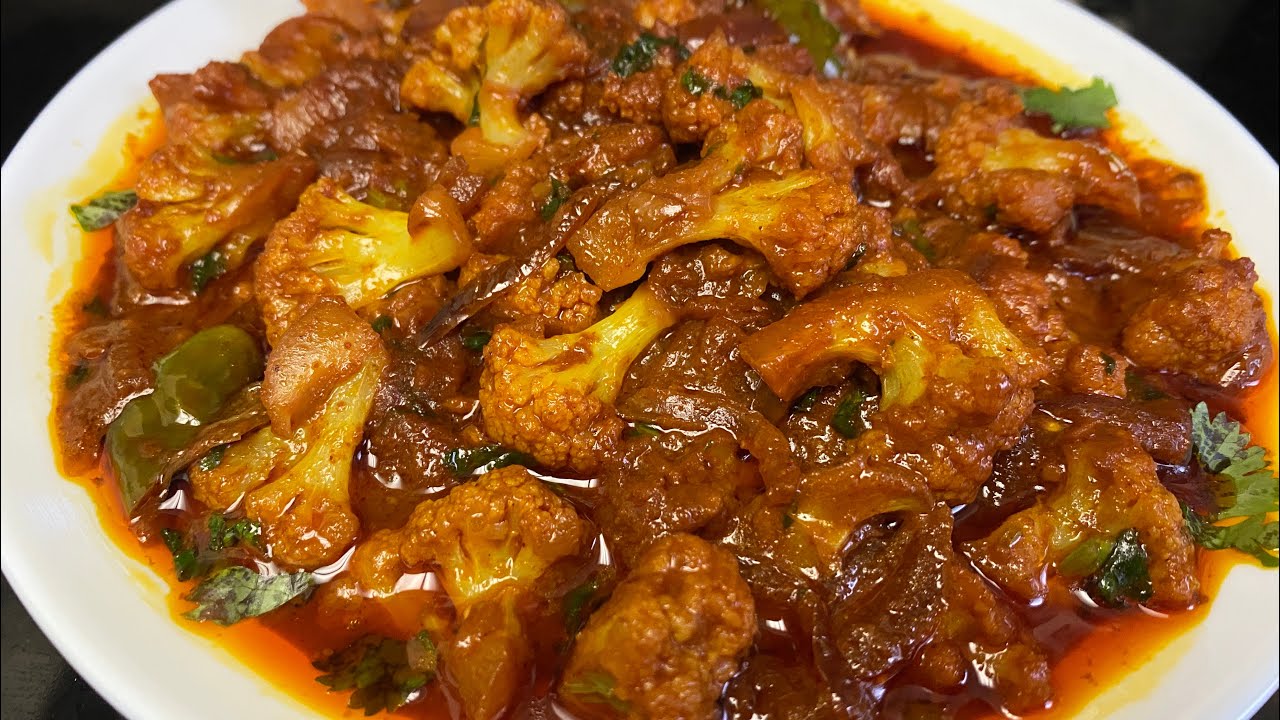
Cauliflower Curry Recipe: If you think cauliflower is boring, this cauliflower curry recipe is about to change your mind completely. Imagine tender cauliflower florets soaking up a rich, aromatic sauce infused with warming spices, creamy textures, and layers of deep flavor. That’s exactly what you get here—a dish that turns a simple vegetable into something truly irresistible.
This recipe is perfect whether you’re cooking for your family on a busy weeknight or hosting friends for dinner. It’s hearty without being heavy, flavorful without being complicated, and comforting without requiring hours in the kitchen. Think of it as the cozy sweater of meals—warm, reliable, and always welcome.
You don’t need to be a professional chef to make this. Even if you’ve never cooked curry before, this step-by-step cauliflower curry guide will walk you through everything clearly and confidently. By the end, you’ll not only know how to cook it—you’ll understand how flavors build and how spices transform simple ingredients into something magical.
Ready to turn that humble cauliflower into a masterpiece? Let’s keep going.
Why You’ll Love This Cauliflower Curry
There are countless curry recipes out there, so what makes this one special? First, it strikes the perfect balance between bold spices and creamy comfort. The sauce wraps around each cauliflower floret like a warm blanket, creating a bite that’s both tender and flavorful.
Another reason you’ll love this recipe is its flexibility. Whether you prefer mild flavors or crave something spicy, you can easily adjust the heat level. Want to make it vegan? It already is. Prefer adding protein? Toss in chickpeas or tofu. This dish adapts to your preferences without losing its identity.
It’s also budget-friendly. Cauliflower is widely available and generally affordable throughout the year. When combined with pantry staples like onions, garlic, tomatoes, and spices, you get a restaurant-quality meal at a fraction of the cost. Why order takeout when you can make something even better at home?
Let’s talk about texture for a second. When cooked properly, cauliflower becomes tender yet slightly firm—never mushy. It absorbs flavor like a sponge but still maintains structure. That balance is what makes this curry so satisfying. Every bite delivers softness from the sauce and subtle bite from the vegetable.
And here’s the best part: this dish tastes even better the next day. The spices deepen overnight, blending into an even richer flavor profile. So not only are you making dinner—you’re setting yourself up for an incredible leftover meal.
If you’ve ever doubted the power of vegetables, this curry will prove that simple ingredients, when treated right, can create something unforgettable.
Health Benefits of Cauliflower
Cauliflower isn’t just versatile—it’s incredibly nutritious. If you’re looking for a meal that satisfies both your taste buds and your health goals, this recipe checks all the boxes.
Nutritional Value of Cauliflower
Cauliflower is often described as a “superfood,” and that’s not just marketing hype. It’s low in calories yet packed with essential nutrients. One cup of raw cauliflower contains about 25 calories but delivers a solid dose of vitamin C, vitamin K, folate, and fiber. That’s impressive for such a mild-tasting vegetable.
Vitamin C supports your immune system, helping your body fight off illness. Fiber promotes healthy digestion and keeps you feeling full longer. This means a bowl of cauliflower curry isn’t just comforting—it’s sustaining. You’re not going to feel hungry again in an hour.
Cauliflower also contains antioxidants and compounds like glucosinolates, which are being studied for their potential protective health effects. While it’s not a miracle food, incorporating vegetables like cauliflower into your diet consistently can contribute to overall well-being.
And here’s something interesting: cauliflower is naturally low in carbohydrates compared to grains and legumes. That makes it a favorite among people following low-carb or keto-friendly diets. In curry form, it becomes a flavorful alternative to heavier meals without sacrificing satisfaction.
Why Cauliflower Is Perfect for Curry Dishes
Why does cauliflower work so well in curry? Think of it like a blank canvas. It doesn’t overpower the spices—instead, it absorbs them beautifully. The natural mildness allows turmeric, cumin, coriander, and garam masala to shine.
When simmered in sauce, cauliflower softens just enough to soak in flavor while retaining its shape. Unlike some vegetables that fall apart, cauliflower holds up remarkably well during cooking. That makes it ideal for stews and curries where texture matters.
Its subtle nutty undertone also complements creamy ingredients like coconut milk. Together, they create a balance of earthiness and richness that feels indulgent without being heavy.
So when you choose cauliflower for curry, you’re not just picking a vegetable—you’re selecting the perfect foundation for bold, aromatic flavors.
Ingredients You’ll Need
Before we dive into cooking, let’s gather everything you need. A great curry starts with quality ingredients. The good news? Most of them are pantry staples you probably already have.
Main Ingredients
Here’s what you’ll need for a classic cauliflower curry recipe:
- 1 large head of cauliflower (cut into florets)
- 1 medium onion (finely chopped)
- 2–3 cloves garlic (minced)
- 1 tablespoon fresh ginger (grated)
- 2 medium tomatoes (chopped) or 1 cup canned tomatoes
- 1 cup coconut milk
- 2 tablespoons cooking oil (vegetable or coconut oil)
- Salt to taste
- Fresh cilantro for garnish
Each ingredient plays a crucial role. The onion, garlic, and ginger create the aromatic base. Tomatoes provide acidity and depth. Coconut milk adds creaminess and balances the spices.
Spices and Seasonings
Spices are the heart of any curry. For this recipe, you’ll need:
- 1 teaspoon turmeric powder
- 1 teaspoon cumin powder
- 1 teaspoon coriander powder
- 1 teaspoon garam masala
- ½ teaspoon red chili powder (adjust to taste)
- 1 teaspoon cumin seeds (optional but recommended)
These spices work together like instruments in an orchestra. Turmeric adds color and earthiness. Cumin and coriander build warmth. Garam masala brings complexity. Chili powder introduces heat.
Optional Add-Ons for Extra Flavor
Want to elevate your curry even more? Consider adding:
- ½ cup green peas
- 1 diced potato
- 1 cup cooked chickpeas
- A squeeze of fresh lemon juice
These additions enhance texture and nutrition while giving the dish a unique twist.
With your ingredients ready, you’re officially prepared to start cooking.
Essential Kitchen Tools
You don’t need fancy equipment to make an incredible cauliflower curry. In fact, this recipe thrives on simplicity. Still, having the right tools makes the process smoother and more enjoyable.
First, you’ll need a large skillet, sauté pan, or deep pot. A heavy-bottomed pan works best because it distributes heat evenly and prevents spices from burning. Curry relies heavily on properly toasted spices, and uneven heat can quickly turn them bitter.
A sharp knife is essential for cutting cauliflower into evenly sized florets. Uniform pieces ensure consistent cooking. If some pieces are too small, they’ll become mushy while larger ones remain undercooked. Precision matters more than you might think.
You’ll also want a wooden spoon or silicone spatula for stirring. Metal utensils can sometimes scrape the bottom of certain pans, especially non-stick ones. Stirring regularly helps prevent sticking and allows flavors to blend properly.
Measuring spoons are important, particularly if you’re new to cooking with spices. While experienced cooks often eyeball measurements, beginners benefit from accuracy. Too much turmeric can overpower the dish, and too little garam masala might leave it tasting flat.
Finally, have a lid ready for your pan. Simmering the curry covered allows the cauliflower to cook through while retaining moisture. That trapped steam helps soften the florets perfectly.
Cooking is like building something with your hands—you don’t need an entire workshop, just the right basic tools. Once everything is in place, you’re ready to transform simple ingredients into something extraordinary.
Step-by-Step Guide to Making Cauliflower Curry
Take your time with each phase. Smell the spices as they bloom, listen to the sizzle of onions turning golden, and watch the sauce thicken into something rich and glossy. That’s where the magic happens.
Step 1 – Preparing the Cauliflower
Wash the cauliflower thoroughly and cut it into bite-sized florets. Try to keep the pieces fairly even so they cook at the same rate. If you like, you can also prepare extra vegetables such as peas or potatoes to cook along with it.
Step 2 – Sautéing the Aromatics
Heat oil in a large pan or pot over medium heat. Add chopped onion, garlic, and ginger, then cook until softened and fragrant. This step creates the flavorful base that gives cauliflower curry its rich and comforting taste.
Step 3 – Adding Spices and Building Flavor
Stir in your spices, such as curry powder, turmeric, cumin, coriander, and chili powder. Let the spices cook briefly so their flavors bloom in the oil. You can also add chopped tomatoes or tomato paste at this stage for more depth and color.
Step 4 – Cooking the Cauliflower
Add the cauliflower florets to the pan and stir well so they are coated in the aromatic spice mixture. This helps the vegetables absorb the flavor before the liquid goes in. If you are using other vegetables, add them here as well.
Step 5 – Simmering to Perfection
Pour in coconut milk, broth, or water, depending on the style of curry you want. Let everything simmer gently until the cauliflower becomes tender and the sauce thickens slightly. Taste and adjust the seasoning before serving, then enjoy it hot with rice or flatbread.
Tips for Making the Best Cauliflower Curry
Want to elevate your curry from good to unforgettable? Focus on details.
Always cook your spices properly. Undercooked spices taste raw and chalky. Slightly overcooked ones taste bitter. Aim for fragrant and vibrant, not dark and burnt.
Don’t overcrowd the pan. If doubling the recipe, use a larger pot. Crowding causes steaming instead of proper sautéing, which can dilute flavor.
Control heat gradually. Curries are about balance, not overwhelming spice. Add chili powder in small increments and taste as you go.
Use full-fat coconut milk for the richest texture. Light versions work, but the curry may feel thinner and less indulgent.
And finally, let the curry rest before serving. Even 10 minutes makes a noticeable difference in depth of flavor.
Common Mistakes to Avoid
One common mistake is rushing the onion stage. Pale onions equal weak flavor. Take your time.
Another mistake is adding too much water. Curry should be saucy but not soupy. Add liquid gradually.
Overcooking cauliflower is another issue. Keep an eye on texture—fork-tender is the goal.
Lastly, avoid skipping salt adjustments. Salt enhances spices and ties everything together.
Serving Suggestions
Cauliflower curry pairs beautifully with steamed basmati rice. The fluffy grains soak up the creamy sauce perfectly.
It also works wonderfully with warm naan or roti. Tear off a piece, scoop up the curry, and enjoy that comforting combination.
For a lighter option, serve it alongside quinoa or cauliflower rice. A side of cucumber raita adds cooling contrast if you prefer a spicy curry.
Storing and Reheating Leftovers
Store leftovers in an airtight container in the refrigerator for up to 4 days. The flavors deepen over time, making it even more delicious the next day.
To reheat, warm gently on the stove over low heat. Add a splash of water or coconut milk if it has thickened too much.
This curry also freezes well for up to 2 months. Thaw overnight in the refrigerator before reheating.
Variations of Cauliflower Curry
You can easily customize this recipe. Add spinach for extra greens. Include tofu for protein. Swap coconut milk for yogurt if you prefer tanginess.
For a Thai-inspired twist, add red curry paste and a splash of lime juice. For a richer Indian-style variation, stir in a tablespoon of cashew paste.
Cooking is creative—don’t be afraid to experiment.
FAQs about Cauliflower Curry Recipe
1. Can I use frozen cauliflower for cauliflower curry?
Yes, you can use frozen cauliflower if fresh is not available. It is convenient and still works well, though it may become a little softer than fresh cauliflower during cooking.
2. What spices are commonly used in cauliflower curry?
Common spices include curry powder, turmeric, cumin, coriander, garlic, ginger, and chili powder. These spices give the curry its warm, rich, and flavorful taste.
3. Can I add other vegetables to cauliflower curry?
Yes, cauliflower curry pairs well with potatoes, peas, carrots, spinach, or chickpeas. Adding extra vegetables can make the dish more filling and colorful.
4. Is cauliflower curry spicy?
It can be, but it does not have to be. You can easily adjust the heat by using less chili or choosing a milder curry blend.
5. What can I serve with cauliflower curry?
Cauliflower curry tastes great with rice, naan, roti, or other flatbreads. It can also be served on its own for a lighter meal.
Conclusion
This cauliflower curry recipe proves that simple ingredients can create extraordinary flavor. With the right spices, careful layering, and a bit of patience, you can transform humble cauliflower into a comforting, aromatic dish that rivals restaurant quality.
Whether you’re cooking for family, meal-prepping for the week, or exploring plant-based meals, this curry delivers warmth, nutrition, and satisfaction in every bite.