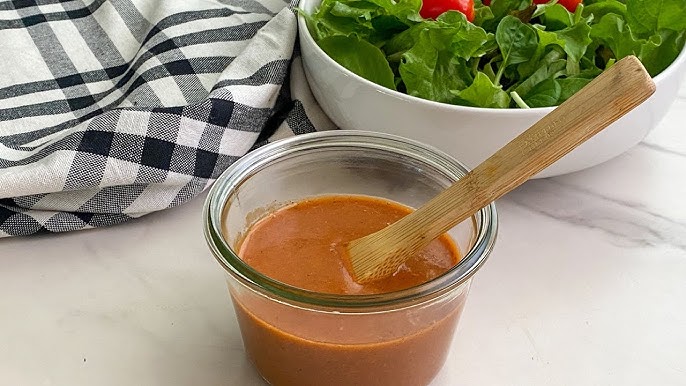
Catalina Salad Dressing Recipe: If you’ve ever spotted that bright red-orange bottle sitting on a grocery store shelf, you’ve probably already met Catalina salad dressing. It’s sweet, tangy, slightly smoky, and surprisingly versatile. But what exactly is it? Catalina dressing is a tomato-based vinaigrette-style dressing that blends sweetness, acidity, and mild spice into one bold flavor profile. It’s thinner than creamy dressings like ranch or blue cheese, yet richer and smoother than traditional oil-and-vinegar blends.
At its core, Catalina dressing combines ingredients like ketchup or tomato paste, vinegar, sugar, oil, and seasonings. The result is a glossy, vibrant dressing that adds color and flavor to almost anything it touches. Think of it as the extrovert of salad dressings—it doesn’t quietly sit in the background. It shows up and makes itself known.
One of the reasons this dressing has stood the test of time is its balance. It’s sweet but not cloying. Tangy but not sharp. Smooth but not heavy. That harmony makes it perfect for salads loaded with crunchy vegetables, grilled chicken, or even taco-inspired bowls. If you enjoy bold flavors that wake up your taste buds, Catalina dressing will likely become one of your favorites.
The real magic, though, happens when you make it at home. Fresh ingredients transform this classic dressing from “pretty good” to unforgettable. And once you see how simple it is to prepare, you may never grab the bottled version again.
The Origin and Popularity of Catalina Dressing
Catalina dressing rose to popularity in the United States during the mid-20th century when convenience foods and bottled dressings began dominating supermarket shelves. Brands like Kraft introduced Catalina as a sweeter, tomato-forward alternative to traditional French dressing. Over time, it carved out its own loyal fan base.
The name “Catalina” evokes a sunny, coastal feel—possibly inspired by Santa Catalina Island in California. While the exact historical roots remain somewhat unclear, what is certain is that this dressing became a staple at backyard barbecues, potlucks, and family dinners across America. Its vibrant red color made salads look more appealing, and its sweet tang balanced savory dishes beautifully.
By the 1970s and 1980s, Catalina dressing wasn’t just for salads anymore. Home cooks began using it as a marinade for chicken, a glaze for meatballs, and even a base for slow-cooker recipes. Its versatility helped cement its popularity in American kitchens.
Today, while many store-bought versions are still available, there’s a growing movement toward homemade alternatives. With people paying closer attention to ingredients and nutrition labels, making Catalina dressing from scratch has become an easy and rewarding upgrade.
How Catalina Differs from French Dressing
At first glance, Catalina and French dressing look almost identical. Both share a reddish hue and a sweet-tangy flavor. So what’s the difference?
French dressing traditionally contains oil, vinegar, sugar, and paprika, giving it a slightly creamy yet pourable texture. Catalina dressing, on the other hand, leans more heavily into the tomato base. It often includes ketchup or tomato paste, which gives it a richer depth and a smoother consistency.
Flavor-wise, Catalina is typically sweeter and bolder. French dressing can be mildly tangy with subtle spice notes, while Catalina embraces sweetness with confidence. Some versions of Catalina also include Worcestershire sauce or onion powder, adding layers of savory complexity.
Texture is another subtle distinction. Catalina tends to be silkier and slightly thicker than classic French dressing. It coats lettuce and vegetables more evenly, making each bite consistent in flavor.
Understanding this difference helps you choose the right dressing for your dish. If you want something lighter and mildly sweet, French dressing may work. But if you’re craving bold flavor with a sweet-savory kick, homemade Catalina dressing is the clear winner.
Why Make Catalina Salad Dressing at Home?
You might be wondering, “Why not just buy a bottle?” It’s a fair question. After all, store-bought Catalina dressing is convenient and widely available. But once you make it from scratch, you’ll quickly see why homemade is a game changer.
First, there’s the flavor. Fresh ingredients simply taste better. When you control the quality of your oil, vinegar, and tomato base, the final result becomes brighter and more vibrant. There’s no artificial aftertaste or overly processed sweetness.
Second, homemade Catalina dressing gives you full control over sugar and sodium levels. Many commercial brands contain high-fructose corn syrup, preservatives, and artificial coloring. By making your own, you can swap refined sugar for honey, adjust the salt, or even experiment with apple cider vinegar for a deeper tang.
Another big advantage? Customization. Like it spicier? Add a pinch of cayenne. Prefer it less sweet? Reduce the sugar slightly. Want a smoky twist? A dash of smoked paprika does wonders. When you make it yourself, you become the chef—and that flexibility makes all the difference.
And let’s not forget the cost factor. A homemade batch often costs significantly less per serving compared to premium bottled options. You likely already have most of the ingredients sitting in your pantry.
Making Catalina dressing at home isn’t complicated. It’s fast, affordable, and healthier. Once you try it, going back to bottled versions might feel like settling for less.
Ingredients You’ll Need
The beauty of this Catalina salad dressing recipe lies in its simplicity. You don’t need exotic ingredients or hard-to-find spices. Everything required is likely already in your kitchen. Let’s break it down.
Essential Core Ingredients
Here are the key ingredients that form the foundation of authentic Catalina dressing:
- 1 cup ketchup (or tomato paste diluted slightly)
- ½ cup red wine vinegar
- ½ cup vegetable oil or olive oil
- ¼ to ½ cup sugar (adjust to taste)
- 1 teaspoon Worcestershire sauce
- 1 teaspoon paprika
- ½ teaspoon onion powder
- ½ teaspoon garlic powder
- Salt and black pepper to taste
Each ingredient plays a specific role. The ketchup provides sweetness and body. Vinegar delivers tang. Oil creates that smooth, pourable texture. Sugar balances acidity. Seasonings add complexity and warmth.
The combination of these simple pantry staples creates a dressing that tastes surprisingly layered and bold.
Optional Add-Ins for Extra Flavor
Want to elevate your dressing? Consider adding:
- A pinch of cayenne pepper for heat
- A teaspoon of Dijon mustard for depth
- A splash of lemon juice for brightness
- A drizzle of honey instead of refined sugar
- A touch of smoked paprika for subtle smokiness
These additions allow you to tailor the dressing to your preferences. Think of the base recipe as a blueprint—you can tweak it until it feels uniquely yours.
Kitchen Tools Required
You don’t need fancy equipment to make homemade Catalina dressing. In fact, that’s part of its charm. Simplicity rules here.
At minimum, you’ll need a medium mixing bowl and a whisk. That’s enough to combine everything into a smooth dressing. If you prefer ultra-silky texture, a blender or food processor works beautifully. It emulsifies the oil and vinegar more thoroughly, creating a restaurant-quality consistency.
A measuring cup and spoons are essential for accuracy, especially when balancing sweetness and acidity. Since this dressing relies heavily on proportion, precise measurements help you nail the flavor the first time.
For storage, a glass jar with a tight-fitting lid is ideal. Mason jars are perfect because you can shake the dressing before each use. Plus, they make your homemade creation look charming and professional.
That’s it. No complicated gadgets. No specialty equipment. Just basic kitchen tools and about ten minutes of your time.
Step-by-Step Guide to Making Catalina Salad Dressing
Now comes the fun part—bringing everything together. Making Catalina dressing is incredibly straightforward, but following each step carefully ensures the perfect texture and flavor balance.
Step 1 – Prepare and Measure Your Ingredients
Start by gathering and measuring all your ingredients. Typical Catalina dressing ingredients include ketchup, vinegar, sugar, onion powder, paprika, Worcestershire sauce, and oil. Having everything ready makes the mixing process easier and helps you get a balanced flavor.
Step 2 – Mix the Dry Ingredients
In a bowl, combine the dry ingredients such as sugar, paprika, onion powder, salt, and black pepper. Mixing them first helps spread the seasonings evenly through the dressing. This step also prevents clumping later.
Step 3 – Add the Wet Ingredients
Pour in the wet ingredients, including ketchup, vinegar, Worcestershire sauce, and oil. Stir gently at first so the mixture starts to come together. The ketchup gives the dressing its signature color and slight sweetness, while the vinegar adds tang.
Step 4 – Emulsify Until Smooth
Whisk the mixture well or blend it until smooth and fully combined. This helps the oil mix properly with the other ingredients, creating a creamy and even texture. A well-emulsified dressing looks glossy and pours easily.
Step 5 – Taste and Adjust Seasoning
Taste the dressing and adjust it if needed. Add a little more vinegar for extra tang, a bit more sugar for sweetness, or a pinch of salt to bring the flavors together. Small adjustments can make a big difference.
Step 6 – Store Properly for Maximum Freshness
Pour the dressing into a clean jar or airtight container and refrigerate it. Letting it chill for a little while helps the flavors blend better. Shake or stir before serving, since homemade dressings can separate over time.
Nutritional Value of Catalina Salad Dressing
Understanding the nutritional profile of your homemade Catalina salad dressing helps you make informed choices. While exact values depend on ingredient proportions, a typical two-tablespoon serving contains approximately 80–120 calories, primarily from oil and sugar. By making it at home, you can easily reduce these numbers.
Oil contributes healthy fats, especially if you choose options like olive oil or avocado oil. These contain monounsaturated fats, which are often associated with heart health when consumed in moderation. Vinegar, particularly apple cider vinegar, contains minimal calories and adds flavor without increasing fat content.
Sugar is the ingredient most people choose to adjust. Many store-bought dressings contain high-fructose corn syrup, which increases overall sugar content significantly. By preparing your own version, you can reduce sugar or substitute natural sweeteners like honey or maple syrup.
Sodium levels also become manageable when you control the salt. Commercial dressings sometimes contain over 200 milligrams of sodium per serving. Homemade versions often contain much less, depending on your preference.
The key takeaway? This dressing can fit into a balanced diet when used mindfully. It adds excitement to vegetables, which encourages healthier eating overall. A flavorful dressing often means you’ll actually enjoy your salad rather than viewing it as a chore.
Tips for the Perfect Catalina Dressing Every Time
Consistency makes the difference between a good dressing and a great one. To ensure your Catalina salad dressing recipe turns out perfect every time, keep a few practical tips in mind.
First, balance is everything. The ratio of oil to vinegar typically hovers around 1:1 in this recipe because the tomato base already adds body. If you dramatically increase vinegar, the dressing may become too sharp. If you add too much oil, it can feel heavy.
Second, use fresh spices. Ground spices lose potency over time. If your paprika or garlic powder has been sitting in your cabinet for years, the flavor won’t be as vibrant. Fresh spices deliver noticeable impact.
Third, blend thoroughly. Proper emulsification prevents rapid separation and creates that silky texture people love. If whisking feels insufficient, use a blender for a smoother finish.
Another tip is to allow resting time. Letting the dressing chill in the refrigerator for at least 30 minutes before serving allows flavors to deepen and harmonize. It’s like letting a good stew simmer—the magic happens gradually.
Finally, taste before serving. Refrigeration can slightly mute flavors, so a quick adjustment before pouring over your salad ensures perfection.
Delicious Ways to Use Catalina Dressing
Catalina dressing isn’t limited to basic green salads. Its bold flavor makes it incredibly versatile.
Best Salads to Pair with Catalina
Catalina dressing pairs beautifully with hearty salads that include crunchy vegetables and proteins. Think chopped romaine, shredded carrots, cucumbers, red onions, and grilled chicken. It also complements taco salads loaded with seasoned beef, black beans, corn, and crushed tortilla chips.
The sweetness balances spicy or savory ingredients wonderfully. If your salad includes sharp cheese like cheddar or feta, Catalina dressing softens those strong notes.
Creative Recipes Using Catalina Dressing
Beyond salads, Catalina dressing shines as a marinade. Brush it over chicken before grilling for a caramelized glaze. Toss it with meatballs in a slow cooker for a sweet-and-tangy appetizer. Use it as a dipping sauce for roasted vegetables or drizzle it over grain bowls.
Some home cooks even mix Catalina dressing with a bit of barbecue sauce to create a hybrid glaze for ribs. The possibilities expand the more you experiment.
Common Mistakes to Avoid
Even simple recipes can go wrong if certain details are overlooked. One common mistake is adding oil too quickly, which prevents proper emulsification. Another is over-sweetening without balancing acidity.
Using low-quality ketchup can also affect flavor significantly. Choose one with minimal additives for the best result. Skipping the resting period is another frequent error—flavors need time to blend.
Lastly, improper storage can shorten shelf life. Always refrigerate promptly and keep the container sealed tightly.
FAQs about Catalina Salad Dressing Recipe
1. What is Catalina salad dressing?
Catalina dressing is a sweet, tangy, tomato-based salad dressing known for its bright red color and smooth texture. It is often compared to French dressing, but it usually has a slightly sweeter and bolder flavor.
2. What ingredients are usually in Catalina dressing?
Most Catalina dressing recipes include ketchup, vinegar, sugar, oil, onion powder, paprika, and Worcestershire sauce. Some versions also add garlic powder or a little mustard for extra depth.
3. Is Catalina dressing the same as French dressing?
They are similar, but not always exactly the same. Catalina dressing is often sweeter, thinner, and more vibrant red, while French dressing can be creamier or more orange depending on the recipe.
4. How long does homemade Catalina dressing last?
Homemade Catalina dressing usually stays fresh for about 5 to 7 days in the refrigerator when stored in an airtight container. Shake or stir it before using because the ingredients may separate over time.
5. What can I use Catalina dressing for besides salad?
Catalina dressing works well as a marinade, dipping sauce, or glaze for chicken and other dishes. It can also be used in pasta salads or poured over roasted vegetables for extra flavor.
Conclusion
Making your own Catalina salad dressing is simple, affordable, and incredibly rewarding. With just a handful of pantry ingredients and a few minutes of preparation, you can create a bold, sweet, and tangy dressing that tastes fresher than any store-bought bottle. The ability to adjust sweetness, spice, and texture gives you complete control over flavor.
Once you try this homemade version, salads become more exciting, marinades become richer, and everyday meals gain a vibrant upgrade. It’s proof that small homemade touches can make a big difference in your kitchen.