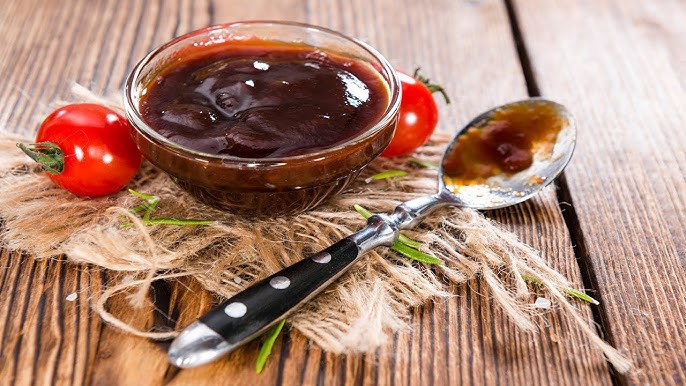
Carolina BBQ Sauce Recipe: Carolina BBQ sauce isn’t just a condiment; it’s a tradition, a culinary legacy that’s been perfected over generations in the Carolinas. Unlike the thick, sweet tomato-heavy sauces found in many parts of the United States, Carolina BBQ sauces lean toward tangy, spicy, and sometimes mustard-forward flavors. This sauce is more than a topping—it’s a flavor enhancer that seeps into the meat, balancing smoky richness with a bright, sharp bite.
The Carolinas are known for their BBQ culture, with each region boasting its own interpretation of the sauce. The variations are a reflection of local agricultural resources, history, and the taste preferences passed down from pitmaster to pitmaster. Whether you’re smoking pork shoulder, grilling chicken, or even jazzing up vegetables, Carolina BBQ sauce transforms the dish into something extraordinary.
What Makes Carolina BBQ Sauce Unique
If you’ve ever tasted traditional BBQ sauce from Kansas City or Texas, you might expect a heavy, molasses-rich sweetness with a deep tomato base. Carolina BBQ sauce flips that script. The star ingredient? Vinegar—either apple cider vinegar or white vinegar—giving the sauce a sharp, mouthwatering tang.
The magic lies in its balance. Vinegar cuts through the fattiness of slow-cooked meats, allowing each bite to stay fresh and flavorful. It’s the culinary equivalent of a reset button for your taste buds—you never get palate fatigue. Some Carolina sauces are as thin as water, designed to soak into the meat, while others have just a hint of body from mustard or tomato.
This sauce is unapologetically bold. The tang from the vinegar, the heat from crushed red pepper, and the occasional touch of sweetness from brown sugar or honey create a flavor profile that dances between savory, tangy, spicy, and sweet without leaning too heavily in one direction.
Origins and History of Carolina BBQ Sauce
The story of Carolina BBQ sauce is rooted in history and migration. Eastern Carolina BBQ sauce, in particular, can trace its vinegar-heavy influence back to British colonial cooking, where vinegar was used both for preservation and as a flavor booster. Over time, as BBQ culture evolved in the United States, this vinegar-based sauce became a staple in the coastal Carolinas.
Western Carolina—or Lexington-style—came later, adding tomato or ketchup to the vinegar base, possibly influenced by the growing popularity of tomato products in the early 20th century. South Carolina’s mustard-based variation reflects the influence of German immigrants, who brought mustard-forward cooking traditions to the region.
Each style developed in response to local tastes and available ingredients. What they all share is a deep respect for the meat itself—these sauces are designed to enhance, not overpower, the smoky, tender texture of slow-cooked BBQ. Today, Carolina BBQ sauce is celebrated nationwide, with enthusiasts making pilgrimages to the Carolinas to taste authentic versions right from the source.
Types of Carolina BBQ Sauce
Eastern Carolina Vinegar-Based Sauce
The Eastern Carolina sauce is as old-school as BBQ gets. It’s simple—apple cider vinegar, crushed red pepper, salt, and a touch of sugar. No tomato. No mustard. The thin consistency means it doesn’t coat the meat; instead, it seeps into it, flavoring it from the inside out. This sauce is most often paired with pulled pork, where the vinegar cuts through the richness beautifully.
Eastern Carolina sauce isn’t boiled; it’s mixed and allowed to rest so the flavors can meld naturally. It’s tangy, spicy, and addictive—if you like a bold kick, this is the one for you.
Western Carolina (Lexington) Style
Head west in North Carolina, and you’ll find Lexington-style sauce, which keeps the vinegar base but adds tomato ketchup or paste. This addition gives the sauce a reddish hue and a bit more body while softening the sharp vinegar punch.
Lexington-style sauce is often served with chopped pork shoulder and is used both as a basting sauce during cooking and a table condiment. The mild sweetness from the tomato balances beautifully with the acidity, making it a crowd-pleaser for those who might find Eastern Carolina’s version a little too intense.
South Carolina Mustard-Based Sauce
South Carolina takes a sharp turn away from the vinegar-tomato rivalry and embraces mustard as the star. Known as “Carolina Gold,” this sauce blends yellow mustard, vinegar, sugar, and spices into a golden, tangy glaze. The German immigrant influence is unmistakable here, and the flavor is distinctive—slightly sweet, sharp from the mustard, and perfect with pork, chicken, or even sausages.
Mustard-based Carolina sauce is slightly thicker than vinegar styles and works beautifully as both a grilling glaze and a dipping sauce.
Essential Ingredients for Carolina BBQ Sauce
Choosing the Right Vinegar
Vinegar is the soul of Carolina BBQ sauce, so choosing the right one matters. Apple cider vinegar is the most common, offering a fruity tang that pairs beautifully with smoky meats. White vinegar delivers a sharper, cleaner bite, while red wine vinegar can add complexity and depth.
For a truly authentic Eastern Carolina sauce, stick with apple cider vinegar. Its natural sweetness helps balance the heat from the pepper flakes, creating a flavor that’s sharp but not harsh.
Sweeteners – Balancing Flavor
A little sweetness goes a long way in Carolina BBQ sauce. While sugar isn’t the main focus, it’s essential for rounding out the acidity and heat. Brown sugar adds a molasses note, white sugar keeps it clean, and honey brings a floral undertone. In mustard-based sauces, sugar is especially important to mellow the mustard’s bite.
The key is balance. Too much sweetness and you’ll stray into Kansas City territory; too little and the sauce can taste overly sharp.
Spices and Seasonings for Authentic Taste
Crushed red pepper is the backbone of Carolina heat, but black pepper, cayenne, paprika, and garlic powder all play important supporting roles. For a mustard-based sauce, turmeric (already present in yellow mustard) adds warmth and color, while onion powder enhances the savory depth.
The spice profile can be adjusted to suit your heat tolerance, but traditionalists argue that a Carolina BBQ sauce without pepper flakes just isn’t the real deal.
Tools and Equipment You’ll Need
Kitchen Tools for Preparation
You don’t need fancy equipment to make Carolina BBQ sauce, but a few tools make the process smoother:
- Medium saucepan (for heating ingredients)
- Whisk (for blending and emulsifying)
- Measuring cups and spoons
- Heatproof mixing bowl
- Wooden spoon for stirring
If you’re making larger batches for canning, a canning pot and jars with sealing lids will be necessary.
Storage Containers for Sauce
Glass jars are ideal for storing Carolina BBQ sauce because they preserve the flavor without leaching any unwanted tastes. Mason jars are a classic choice, especially for gifting. If you plan to refrigerate and use the sauce within a week, airtight plastic squeeze bottles work well for easy application.
Step-by-Step Guide to Making Carolina BBQ Sauce
Preparing Your Ingredients
Before you turn on the stove, gather all your ingredients and measure them out. This makes the process faster and prevents mistakes. For a basic Eastern Carolina sauce, you’ll need:
- 2 cups apple cider vinegar
- 2 tablespoons brown sugar
- 1 tablespoon crushed red pepper flakes
- 1 teaspoon salt
- 1 teaspoon black pepper
Once everything is ready, you’ll simply combine and heat gently until the sugar dissolves.
Cooking the Sauce
Cooking Carolina BBQ sauce is more about coaxing flavors together than creating a thick gravy-like texture. For vinegar-based versions, you don’t want to boil the liquid too hard—just heat it gently until the sugar dissolves and the spices bloom. Overheating can make the vinegar too harsh and volatile.
- Combine Ingredients – Place vinegar, sugar, pepper flakes, salt, and black pepper in a medium saucepan.
- Gentle Heat – Set the burner to low-medium and stir continuously to prevent the sugar from settling at the bottom.
- Flavor Infusion – Let the sauce warm for 5–7 minutes, never allowing it to boil vigorously. This step allows the spices to infuse without breaking down the vinegar’s brightness.
- Taste and Adjust – Take a spoonful and test for balance. Add more sugar if it’s too tart, or more vinegar if you prefer sharper notes.
For Western Carolina (Lexington) style, you’ll add ketchup or tomato paste at this stage, whisking until smooth. For South Carolina mustard sauce, mustard goes in first, then vinegar, sugar, and spices, whisked until uniform.
Adjusting Flavors for Preference
One of the best things about Carolina BBQ sauce is its adaptability. The traditional recipes are tried-and-true, but don’t be afraid to tweak them to your taste. Here’s how to customize:
- For More Heat – Add extra crushed red pepper or a dash of cayenne.
- For More Sweetness – Use honey or molasses for a richer profile.
- For Smokiness – Add a teaspoon of smoked paprika or a splash of liquid smoke.
- For Milder Acidity – Mix apple cider vinegar with a small amount of water to soften the tang.
The key is to make adjustments gradually—small additions can dramatically change the sauce’s balance. And remember, Carolina BBQ sauce is best after resting for a few hours to let the flavors marry.
How to Store and Preserve Carolina BBQ Sauce
Refrigeration Tips
For short-term use, store the sauce in an airtight glass jar or bottle and refrigerate. Vinegar acts as a natural preservative, so a vinegar-based Carolina sauce can last 3–4 weeks in the fridge without issue. Mustard-based sauces have a similar shelf life, provided they’re kept cold and sealed. Always label jars with the date you made the sauce so you know when it’s freshest.
Before each use, give the jar a good shake or stir, as spices can settle at the bottom over time.
Long-Term Canning Method
If you’re making a large batch for future use or gifting, canning is your best option:
- Sterilize Jars – Wash glass jars in hot, soapy water, then sterilize in boiling water for 10 minutes.
- Fill Jars – Pour the hot sauce into jars, leaving ½ inch of headspace.
- Seal Lids – Wipe jar rims, place sterilized lids, and screw on bands until fingertip-tight.
- Water Bath Process – Place jars in boiling water for 10 minutes to seal.
- Cool and Store – Remove jars, let cool, and check seals. Store in a cool, dark place for up to a year.
Proper canning locks in flavor and ensures safety, so you can enjoy authentic Carolina BBQ sauce any time without worrying about spoilage.
Serving Suggestions
Pairing with Different Meats
Carolina BBQ sauce shines brightest with pork, especially pulled pork and pork shoulder, but its uses go far beyond that:
- Pulled Pork – Eastern Carolina vinegar sauce keeps every bite juicy and tangy.
- Grilled Chicken – Mustard-based sauce doubles as a marinade and glaze.
- Beef Brisket – Western Carolina tomato-vinegar sauce cuts through the richness.
- Ribs – Brush on during the last 10 minutes of cooking for a tangy finish.
The thin consistency of vinegar-based sauces makes them perfect for soaking into shredded meat, while thicker mustard or ketchup-based sauces are great for brushing onto meat during grilling.
Creative Uses Beyond BBQ
Think outside the smoker—Carolina BBQ sauce works wonders in unexpected dishes:
- Salad Dressing – Whisk with olive oil for a tangy vinaigrette.
- Sandwich Spread – Drizzle over pulled chicken or turkey sandwiches.
- Dipping Sauce – Serve with fried chicken, hush puppies, or roasted potatoes.
- Flavor Boost for Beans – Stir into baked beans for a smoky, tangy twist.
Once you start experimenting, you’ll find that Carolina BBQ sauce can sneak its way into almost any savory dish.
Tips for Perfecting Carolina BBQ Sauce
Common Mistakes to Avoid
Even a simple sauce like Carolina BBQ can go wrong if you’re not careful:
- Boiling Too Hard – This intensifies vinegar harshness and can ruin the sauce’s balance.
- Over-Sweetening – Carolina sauce should never taste like candy; sugar is just a background note.
- Not Resting the Sauce – Freshly made sauce is good, but letting it rest makes it great.
- Skipping the Pepper Flakes – They’re not optional—they’re the sauce’s signature heat source.
Flavor Boosting Hacks
Want to elevate your sauce game? Try these tweaks:
- Add a splash of bourbon for depth.
- Infuse with fresh herbs like thyme or rosemary for a gourmet twist.
- Stir in roasted garlic for a mellow, earthy sweetness.
- Use smoked sea salt instead of regular salt for layered smokiness.
Even small changes can take your sauce from backyard BBQ to restaurant-worthy.
Health and Nutrition Information
Calorie and Nutrient Breakdown
Carolina BBQ sauce is generally lower in calories than thick, sugary sauces because vinegar is calorie-free and the sweetener content is moderate. A tablespoon typically contains:
- Calories: 10–20
- Carbs: 2–4g
- Fat: 0g
- Sugar: 2–3g
- Sodium: 100–150mg
Because the sauce is thin and flavorful, you need less to get big flavor—making it a better option for those watching calories or sugar.
Healthier Ingredient Substitutions
If you want a lighter, cleaner sauce:
- Use honey or maple syrup instead of refined sugar.
- Reduce sodium by using low-salt mustard or salt-free seasoning blends.
- Add more herbs for natural flavor without extra calories.
These swaps keep the sauce authentic while making it more diet-friendly.
FAQs about Carolina BBQ Sauce Recipe
1. Can I make Carolina BBQ sauce without vinegar?
No, vinegar is the defining ingredient—it’s what gives the sauce its signature tang. You could reduce the vinegar’s intensity with water or fruit juice, but removing it entirely would make it a different style of sauce.
2. Is Carolina BBQ sauce good for chicken?
Absolutely! Both mustard-based and vinegar-based versions work beautifully on chicken, either as a marinade or finishing sauce.
3. How long does homemade Carolina BBQ sauce last?
When refrigerated in a sealed jar, it lasts about 3–4 weeks. Properly canned, it can last up to a year.
4. Can I freeze Carolina BBQ sauce?
Yes, you can freeze it for up to 6 months. Just thaw in the fridge and shake well before use.
5. Which type of Carolina BBQ sauce is the most authentic?
That depends on where you’re asking—Eastern Carolina purists will swear by vinegar-only, while South Carolina locals love their mustard gold.
Conclusion
Carolina BBQ sauce isn’t just a recipe—it’s a piece of Southern heritage that’s been perfected over centuries. Whether you prefer the sharp tang of Eastern vinegar, the balanced richness of Lexington-style, or the bold bite of South Carolina mustard, there’s a version for every BBQ lover. It’s simple to make, endlessly adaptable, and versatile enough to use beyond the smoker.
Once you’ve made your first batch, you’ll wonder how you ever grilled without it. So grab your vinegar, fire up the stove, and bring a taste of the Carolinas to your next BBQ feast.