Carne Asada Taco Recipe: If you’ve ever bitten into a taco that instantly transported you to a bustling Mexican street corner, chances are you were eating a carne asada taco. At its core, carne asada simply means “grilled meat” in Spanish. But in reality, it’s so much more than that. It’s thinly sliced, marinated beef grilled to smoky perfection, tucked into warm tortillas, and topped with fresh, vibrant ingredients. The result? A flavor explosion that feels both rustic and refined at the same time.
Carne asada tacos are typically made using flank steak or skirt steak, marinated in a bold blend of citrus juices, garlic, spices, and herbs. The marinade tenderizes the meat while infusing it with tangy, savory notes. Once grilled over high heat, the outside develops a delicious char while the inside stays juicy and flavorful. It’s the contrast between smoky crust and tender interior that makes this dish unforgettable.
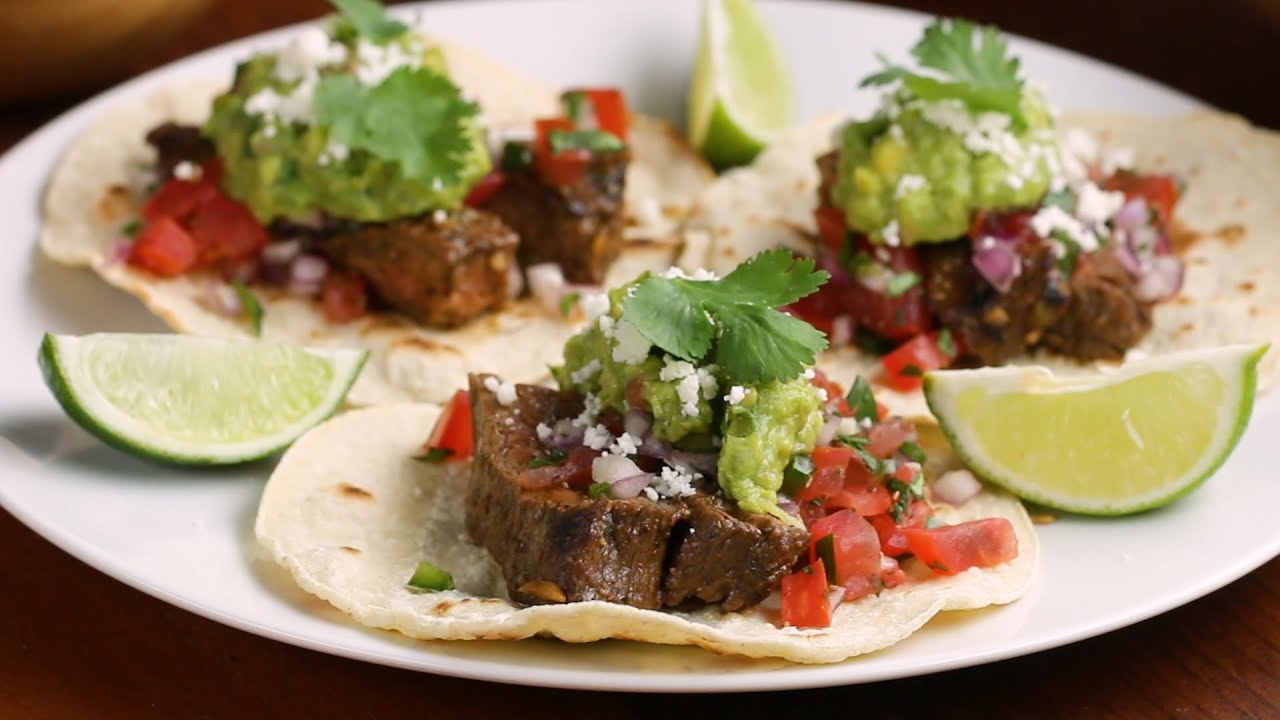
Unlike heavily loaded Tex-Mex tacos, authentic carne asada tacos keep it simple. Think chopped onions, fresh cilantro, maybe a squeeze of lime, and a spoonful of salsa. That’s it. No complicated layers—just quality ingredients working together. And honestly, that simplicity is the magic. When done right, every bite feels balanced, bright, and satisfying.
So if you’re ready to recreate that authentic taco stand experience at home, you’re in the right place. Let’s dig deeper.
The History and Cultural Roots of Carne Asada
Carne asada has deep roots in Mexican culinary tradition, particularly in northern Mexico. In regions like Sonora and Baja California, cattle ranching has long been part of the culture. Naturally, grilled beef became a staple of social gatherings and celebrations. Carne asada isn’t just food—it’s an event. Families gather around open flames, grilling meat and sharing stories late into the evening.
In Mexico, carne asada is often cooked over charcoal grills called “parrillas.” The smoky flavor from natural wood or charcoal plays a huge role in defining the dish. Over time, this style of cooking crossed borders into the United States, especially in California, Texas, and Arizona. Today, it’s a cornerstone of both authentic Mexican cuisine and Mexican-American food culture.
Street vendors, known as taqueros, helped popularize carne asada tacos worldwide. Their method is simple but precise: grill the meat hot and fast, chop it finely, and serve immediately in soft corn tortillas. The focus is always on freshness and speed. That immediacy is part of the experience—you’re eating something that was just kissed by fire moments ago.
What makes carne asada truly special is how it blends tradition and adaptability. While the foundation remains authentic, variations have emerged across regions. Some add beer to the marinade, others incorporate soy sauce, and some experiment with spice levels. But at its heart, carne asada remains a celebration of grilled beef, community, and bold flavor.
Why Carne Asada Tacos Are So Popular
Why do carne asada tacos consistently rank among the most searched taco recipes online? According to Google food trend data, “carne asada tacos” remain one of the top taco-related searches year after year. The answer is simple: they hit every flavor note we crave.
First, there’s the texture. The steak develops a slightly crispy, caramelized crust from high-heat grilling, while staying tender inside. Then there’s the marinade—a tangy, garlicky blend that penetrates every bite. Add the freshness of chopped cilantro and onions, and suddenly you have contrast: smoky, citrusy, herbal, savory. It’s balanced without being complicated.
Another reason for their popularity is versatility. Carne asada tacos work for casual weeknight dinners, backyard barbecues, game-day spreads, and even upscale gatherings. You can keep them classic or customize them with gourmet toppings. They’re approachable yet impressive.
And let’s be honest—there’s something incredibly satisfying about assembling your own taco. Warm tortilla in hand, juicy steak piled high, salsa spooned carefully on top. It’s interactive. It feels personal. Food tastes better when you’re part of the process, doesn’t it?
Carne asada tacos also appeal to health-conscious eaters. Grilled lean beef, fresh herbs, and simple ingredients make them lighter than many fried alternatives. When paired with corn tortillas and fresh salsa, they offer protein, nutrients, and bold flavor without feeling heavy.
It’s this perfect storm of taste, texture, tradition, and simplicity that keeps people coming back for more.
Choosing the Best Cut of Beef for Carne Asada
When it comes to authentic carne asada, your choice of beef makes all the difference. You can have the perfect marinade and flawless grilling technique, but if the cut isn’t right, the texture won’t deliver that signature tenderness. Traditionally, skirt steak is the gold standard. It’s prized for its rich beefy flavor and loose grain, which absorbs marinade beautifully.
Skirt steak comes from the plate section of the cow and has long muscle fibers. This means it cooks quickly and develops a flavorful crust when grilled over high heat. However, it can be tough if overcooked or sliced incorrectly. The key? Cook it fast and slice it against the grain.
Flank steak is another popular option. It’s leaner than skirt steak and slightly thicker. While it doesn’t have quite the same intense beef flavor, it’s still an excellent choice and often easier to find in grocery stores. When marinated properly, flank steak becomes tender and juicy.
Some home cooks experiment with sirloin or ribeye, but these aren’t traditional choices. While they can taste delicious, they don’t quite replicate the authentic texture of skirt or flank steak. If you’re aiming for restaurant-quality authenticity, stick with those two classics.
The takeaway here is simple: choose quality over convenience. Look for bright red meat with fine marbling and no excessive liquid in the packaging. Good beef is the foundation of great carne asada tacos.
Flank Steak vs. Skirt Steak
Let’s settle the debate—flank steak or skirt steak? Both are excellent, but they offer slightly different experiences.
Skirt steak is thinner, more marbled, and intensely flavorful. It cooks in just a few minutes per side and delivers that classic taco-stand texture. Because it’s thinner, it also absorbs marinade quickly, making it ideal if you’re short on time. However, it can be pricier and sometimes harder to find.
Flank steak, on the other hand, is leaner and thicker. It requires a slightly longer marinade time to achieve optimal tenderness. The benefit? It slices beautifully and is often more affordable. If cooked to medium-rare and sliced properly, flank steak produces incredibly satisfying results.
The real secret isn’t just the cut—it’s how you handle it. Always slice against the grain. Think of the muscle fibers as tiny lines running through the meat. Cutting against them shortens those fibers, making each bite easier to chew.
In the end, both cuts work wonderfully. If you want bold, traditional flavor, go with skirt steak. If you want a slightly leaner option that’s easier to find, flank steak won’t disappoint.
How to Select Fresh, High-Quality Beef
Choosing the right cut is only half the battle. The real difference between average and unforgettable carne asada tacos often comes down to the quality of the beef you bring home. So how do you spot fresh, high-quality meat without second-guessing yourself at the butcher counter?
Start with color. Fresh beef should have a vibrant, cherry-red appearance. If it looks dull, brownish, or gray around the edges, that’s a sign it may not be at peak freshness. While some slight darkening can occur due to oxygen exposure, the overall color should still look rich and lively. Trust your eyes—they’re usually right.
Next, examine the marbling. Those thin white streaks running through the meat aren’t flaws—they’re flavor. Marbling melts during cooking, keeping the steak juicy and tender. Skirt steak naturally has good marbling, which is one reason it’s so flavorful when grilled. Flank steak is leaner, so you’ll want to make sure it doesn’t look overly dry.
Texture matters too. The meat should feel firm but not stiff. If it’s sticky or overly wet in the packaging, that’s not ideal. Fresh beef should have minimal liquid pooled at the bottom of the tray. And if you’re buying from a butcher, don’t hesitate to ask questions. A knowledgeable butcher can guide you toward the freshest cut available that day.
Whenever possible, look for grass-fed or high-quality sourced beef. While not mandatory, many chefs agree that grass-fed beef offers a deeper, more pronounced flavor profile. As chef Rick Bayless once said, “Great Mexican cooking begins with great ingredients.” That philosophy applies perfectly to carne asada.
At the end of the day, remember this: your tacos are only as good as your meat. Invest wisely, and the payoff will be obvious in every bite.
Essential Ingredients You’ll Need
Before firing up the grill, let’s gather everything required for an authentic and flavorful carne asada taco recipe. The beauty of this dish lies in its simplicity. You don’t need a long list of complicated ingredients—just fresh, high-quality staples that work harmoniously together.
Here’s what you’ll need:
For the Carne Asada Marinade:
- 2 pounds skirt steak or flank steak
- ¼ cup fresh lime juice (about 2–3 limes)
- ¼ cup fresh orange juice
- 3 tablespoons olive oil
- 4 cloves garlic, minced
- 1 teaspoon ground cumin
- 1 teaspoon chili powder
- 1 teaspoon smoked paprika
- ½ teaspoon black pepper
- 1 teaspoon salt (adjust to taste)
- ½ cup chopped fresh cilantro
- Optional: 1 tablespoon soy sauce for deeper umami flavor
For the Tacos:
- 12 small corn tortillas (traditional) or flour tortillas
- 1 cup finely chopped white onion
- 1 cup chopped fresh cilantro
- Fresh lime wedges
- Your favorite salsa (roja or verde)
These ingredients may look straightforward, but together they create complex layers of flavor. The citrus tenderizes the beef. Garlic and cumin provide warmth and depth. Cilantro adds freshness. And when that marinated steak hits high heat, everything caramelizes into smoky perfection.
Notice what’s not on the list: shredded cheese, sour cream, or heavy sauces. Authentic carne asada tacos keep toppings minimal so the beef remains the star of the show. That simplicity is intentional. When the meat is properly seasoned and grilled, it doesn’t need much else.
With ingredients ready, it’s time to break down the marinade and understand why each component matters.
Marinade Ingredients Explained
A great marinade isn’t random—it’s balanced. Every ingredient in a traditional carne asada marinade plays a specific role. When combined correctly, they create a harmony of acid, fat, salt, and aromatics.
Citrus juice forms the backbone. Lime juice brings brightness and acidity, while orange juice adds subtle sweetness to round out the sharp edges. Together, they tenderize the meat and infuse it with fresh, vibrant flavor. The acidity breaks down tough muscle fibers, making each bite more tender.
Olive oil serves as the carrier. It helps distribute fat-soluble flavors and prevents the steak from sticking to the grill. Oil also locks in moisture during cooking, keeping the meat juicy.
Garlic delivers punch. Freshly minced garlic releases aromatic compounds that deepen as they cook. Cumin and chili powder add earthiness and mild heat. Smoked paprika enhances that grilled flavor even before the meat hits the flame.
Salt and pepper are non-negotiable. Salt penetrates the meat, amplifying every other ingredient. Without enough salt, even the best marinade will taste flat.
Some modern variations include soy sauce for added umami. While not strictly traditional, it can enhance savory depth without overpowering the classic flavor profile.
When you mix these ingredients, you’re not just seasoning meat—you’re building layers. And those layers are what separate good tacos from unforgettable ones.
The Role of Citrus Juice
Citrus is the heartbeat of authentic carne asada. Without it, the dish loses its brightness and signature tang. Lime juice, in particular, provides sharp acidity that wakes up the palate. It’s like turning on a light switch for your taste buds.
Orange juice balances that sharpness with natural sweetness. The sugars in orange juice caramelize beautifully when grilled, helping create those golden-brown edges we all crave. It’s subtle, but it makes a difference.
Timing matters. While citrus tenderizes, too much time can actually start to “cook” the meat chemically, similar to ceviche. That’s why most experts recommend marinating for 2–4 hours. Enough to flavor deeply, but not so long that the texture becomes mushy.
Fresh juice is essential. Bottled varieties often contain preservatives and lack the brightness needed for authentic flavor. Squeeze your citrus fresh—it’s worth the extra minute.
When you taste properly marinated carne asada, you’ll notice something remarkable. It doesn’t taste sour. It tastes balanced. The citrus enhances the beef instead of overpowering it. That’s the goal.
Spices and Aromatics That Elevate Flavor
While citrus tenderizes, spices define personality. Cumin offers warmth and slight nuttiness. Chili powder provides mild heat without overwhelming the palate. Smoked paprika enhances that outdoor-grill essence, even if you’re cooking indoors.
Fresh cilantro is crucial. Its herbal brightness contrasts beautifully with rich beef. Some people claim they don’t like cilantro, but in carne asada, it blends seamlessly into the background, adding freshness without dominating.
Garlic, when grilled, transforms. Raw garlic is sharp and intense, but once exposed to high heat, it becomes mellow and slightly sweet. That transformation adds depth to every slice of steak.
Together, these aromatics create complexity without clutter. They don’t mask the beef—they elevate it. Think of them as a supporting cast that allows the main character, the steak, to shine even brighter.
Step-by-Step Guide to Making Carne Asada Tacos
Now comes the exciting part—bringing everything together. Follow these steps carefully, and you’ll create restaurant-quality carne asada tacos at home.
Step 1 – Preparing the Marinade
In a medium bowl, whisk together lime juice, orange juice, olive oil, garlic, cumin, chili powder, smoked paprika, salt, pepper, and chopped cilantro. Mix until fully combined.
Place the steak in a large resealable plastic bag or shallow dish. Pour the marinade over the meat, ensuring every surface is coated. Massage gently to distribute evenly.
Seal tightly and refrigerate for at least 2 hours, ideally 3–4 hours. Turn occasionally for even marination.
Step 2 – Marinating the Meat Properly
Marination is not a passive step. Time and temperature matter. Always marinate in the refrigerator to prevent bacterial growth. Avoid exceeding 8 hours, especially with citrus-heavy marinades.
Remove the steak from the fridge about 30 minutes before grilling. Letting it come closer to room temperature ensures even cooking.
Pat off excess marinade before placing on the grill. Too much liquid can cause flare-ups and prevent proper searing.
Step 3 – Grilling the Carne Asada
Preheat your grill to high heat (around 450–500°F). Clean and oil the grates.
Place the steak directly over the flame. Grill for 3–5 minutes per side for medium-rare, depending on thickness. You’re looking for a beautifully charred crust.
Avoid flipping repeatedly. Let it sear properly before turning. Use tongs, never a fork, to prevent juices from escaping.
Step 4 – Resting and Slicing the Steak
Once grilled, transfer the steak to a cutting board and let it rest for 5–10 minutes. Resting allows juices to redistribute throughout the meat.
Slice thinly against the grain. This step is critical. Cutting against the grain shortens muscle fibers, ensuring tenderness.
Chop into small, taco-friendly pieces if desired.
Step 5 – Warming the Tortillas
Warm corn tortillas directly over a flame for 20–30 seconds per side or heat in a dry skillet.
Keep them wrapped in a clean towel to stay warm and pliable.
Step 6 – Assembling the Perfect Taco
Place a generous portion of chopped carne asada onto each tortilla. Top with chopped onion and fresh cilantro. Add salsa and a squeeze of lime.
That’s it. Simple. Authentic. Perfect.
Traditional Toppings and Garnishes
When it comes to authentic carne asada tacos, less is more. That might sound surprising in a world where loaded tacos dominate social media feeds, piled high with cheese, crema, guacamole, and every topping imaginable. But if you walk up to a traditional taco stand in northern Mexico, you’ll notice something refreshingly simple. The focus is always on the meat. Everything else is there to support it, not overshadow it.
The classic combination includes finely chopped white onion and freshly chopped cilantro. That’s it. The sharp bite of raw onion cuts through the richness of the grilled beef, while cilantro adds brightness and a subtle herbal note. It’s like adding a squeeze of sunshine to every bite. Then comes a fresh squeeze of lime juice right before eating. That citrus pop wakes up the smoky flavors and ties the entire taco together.
Salsa is another essential element, but even here, restraint is key. A spoonful of salsa roja (made with roasted tomatoes and dried chilies) or salsa verde (made with tomatillos and green chilies) adds heat and depth without drowning the beef. The goal isn’t to mask the flavor of the carne asada—it’s to enhance it.
In some regions, you might also see sliced radishes served on the side. Their crisp texture and peppery bite provide contrast, almost like a palate cleanser between bites. Pickled jalapeños and carrots are also common additions, offering acidity and mild heat.
What you won’t traditionally find are heavy toppings like shredded cheddar cheese or sour cream. While those can be delicious in Tex-Mex cuisine, authentic carne asada tacos celebrate simplicity. When your steak is perfectly marinated, expertly grilled, and sliced properly, it doesn’t need much dressing up.
Think of it this way: if the beef is the lead singer, toppings are the backup vocals. They harmonize, but they don’t steal the spotlight.
Best Salsas for Carne Asada Tacos
No carne asada taco recipe is complete without the right salsa. Salsa isn’t just a condiment—it’s a flavor amplifier. The right one can elevate your taco from great to unforgettable.
Let’s start with salsa roja. This red salsa typically combines roasted tomatoes, dried guajillo or ancho chilies, garlic, and onion. The roasting process adds smokiness, which pairs beautifully with grilled steak. Salsa roja tends to be slightly earthy and moderately spicy, making it ideal for those who enjoy depth without overwhelming heat.
Then there’s salsa verde. Made with tomatillos, jalapeños or serrano peppers, cilantro, onion, and lime, it’s bright, tangy, and fresh. Its acidity cuts through the richness of the beef, creating balance. If your carne asada has a strong smoky char, salsa verde provides contrast that keeps each bite lively.
For spice lovers, a smoky chipotle salsa can add bold heat. Chipotle peppers in adobo bring a deep, smoky spice that complements grilled meat exceptionally well. Just remember, a little goes a long way.
Fresh pico de gallo is another excellent choice. Made with diced tomatoes, onion, cilantro, lime juice, and salt, it adds freshness and texture. While it’s milder than traditional cooked salsas, its brightness works beautifully with citrus-marinated steak.
The best part? You don’t have to choose just one. Many taco stands offer multiple salsa options so you can customize each taco. Try a spoonful of salsa roja on one taco and salsa verde on the next. Notice how the same carne asada tastes slightly different depending on the salsa pairing. That’s the beauty of contrast and balance.
Ultimately, the best salsa is the one that complements your personal heat tolerance and flavor preference. Just remember: salsa should enhance the steak, not overpower it.
Common Mistakes to Avoid
Even a simple recipe like carne asada tacos can go wrong if certain steps are overlooked. Avoiding a few common mistakes can be the difference between chewy disappointment and tender, juicy perfection.
One of the biggest mistakes is over-marinating the meat. While citrus tenderizes, too much time in an acidic marinade can break down the meat excessively, leading to a mushy texture. Two to four hours is the sweet spot. Overnight might seem convenient, but it often compromises texture.
Another frequent error is under-seasoning. Some home cooks are hesitant with salt, but proper seasoning is essential. Salt doesn’t just add flavor—it enhances the natural beefiness of the steak and balances the acidity of the citrus.
Overcooking is perhaps the most common problem. Skirt and flank steak are best served medium-rare to medium. Cooking them beyond that can result in tough, dry meat. Because these cuts are thin, they cook quickly. Keep a close eye on them and use a meat thermometer if necessary. Aim for an internal temperature of about 130–135°F for medium-rare.
Failing to rest the meat is another mistake. Cutting into steak immediately after grilling causes juices to spill out onto the cutting board instead of staying in the meat. Let it rest for at least 5–10 minutes before slicing.
And finally, slicing with the grain instead of against it can ruin texture. Always identify the direction of the muscle fibers and cut perpendicular to them. This simple step dramatically improves tenderness.
Avoid these pitfalls, and you’re already ahead of the game.
Pro Tips for Restaurant-Quality Carne Asada
If you want your homemade tacos to taste like they came straight from a top-rated taqueria, a few professional techniques can elevate your results instantly.
First, use extremely high heat. Authentic carne asada is grilled over intense flame, which creates that signature char and smoky aroma. If you’re using a charcoal grill, let the coals get hot and ashy before cooking. Gas grill users should preheat thoroughly for at least 10–15 minutes.
Second, don’t overcrowd the grill. Proper airflow ensures even cooking and beautiful sear marks. If needed, cook in batches.
Third, consider finishing the steak with a light sprinkle of flaky sea salt after slicing. This small touch enhances flavor and provides subtle texture contrast.
Another insider trick? Warm your tortillas directly over an open flame for a few seconds. This adds slight charring and enhances flavor. According to many professional chefs, properly heated tortillas make a bigger difference than most people realize.
Finally, serve immediately. Carne asada tastes best fresh off the grill. The longer it sits, the more juices escape and the cooler it becomes. Assemble tacos just before serving to preserve warmth and texture.
Restaurant-quality results aren’t about fancy equipment. They’re about attention to detail. Small adjustments can transform good tacos into unforgettable ones.
What to Serve with Carne Asada Tacos
While carne asada tacos can absolutely stand alone, pairing them with complementary sides turns a simple meal into a full feast.
Mexican rice is a classic companion. Its mild tomato flavor and fluffy texture balance the boldness of the steak. Refried beans or charro beans add heartiness and protein, rounding out the plate.
Grilled vegetables like poblano peppers, onions, and zucchini pair beautifully with the smoky meat. Their slight sweetness complements the savory steak.
Elote, or Mexican street corn, is another popular option. Slathered lightly with mayo, chili powder, lime, and cotija cheese, it mirrors the bold flavors found in the tacos.
For drinks, consider agua fresca, horchata, or even a crisp Mexican lager. The refreshing nature of these beverages balances the rich, smoky meat.
By pairing thoughtfully, you create a dining experience that feels cohesive and satisfying.
How to Store and Reheat Leftovers
If you somehow have leftover carne asada, proper storage is essential to maintain flavor and texture.
Allow the meat to cool completely before placing it in an airtight container. Store in the refrigerator for up to 3–4 days. For longer storage, freeze in sealed freezer bags for up to three months.
When reheating, avoid the microwave if possible. Instead, warm the steak quickly in a hot skillet for a few minutes. This helps restore some of the original texture without drying it out.
Add a small splash of water or broth to prevent over-drying. Heat just until warmed through—overcooking during reheating can toughen the meat.
Leftover carne asada also works beautifully in burritos, quesadillas, or taco bowls. Its versatility makes it just as delicious the next day.
FAQs about Carne Asada Taco Recipe
1. What cut of meat is best for carne asada tacos?
Flank steak and skirt steak are the most popular choices. They cook quickly, absorb marinade well, and give you the bold, beefy flavor that makes carne asada tacos so satisfying.
2. How long should I marinate the steak?
For the best flavor, marinate the steak for at least 2 to 6 hours. Even a short marinating time helps, but too long can affect the texture because of the citrus in the marinade.
3. How do I keep carne asada tender?
Cook the steak over high heat, avoid overcooking it, and always let it rest before slicing. Cutting the meat against the grain also makes each bite much more tender.
4. What toppings go well on carne asada tacos?
Classic toppings include chopped onion, fresh cilantro, salsa, avocado, and lime wedges. Some people also like radishes, cheese, or a little sour cream for extra flavor.
5. Are corn or flour tortillas better for carne asada tacos?
Both work well, but corn tortillas are more traditional and add a slightly toasted flavor that pairs beautifully with grilled steak. Flour tortillas are softer and slightly richer, so it comes down to personal preference.
Conclusion
Mastering an authentic carne asada taco recipe isn’t about complexity—it’s about technique, balance, and quality ingredients. From choosing the right cut of beef to preparing a vibrant citrus marinade, every step contributes to the final flavor. Grilling over high heat creates that signature smoky crust, while slicing against the grain ensures tenderness in every bite.
Keeping toppings simple allows the beef to shine, and pairing the tacos with fresh salsa elevates the experience. By avoiding common mistakes and following professional tips, you can recreate restaurant-quality tacos right in your own kitchen.
When done correctly, carne asada tacos aren’t just food—they’re an experience. The aroma of grilled meat, the warmth of fresh tortillas, the burst of lime and cilantro—it all comes together in perfect harmony. And once you make them from scratch, you may never look at tacos the same way again.