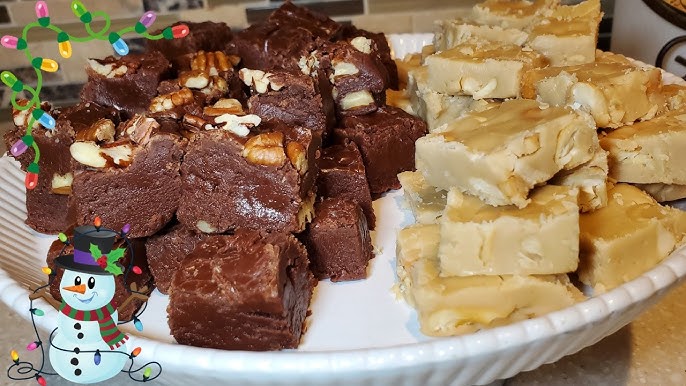
Carnation Fudge Recipe: There’s something almost magical about homemade Carnation fudge. The rich chocolate aroma filling your kitchen, the glossy mixture bubbling gently on the stove, and the anticipation of that first smooth, creamy bite—it’s pure comfort wrapped in sweetness. If you’ve ever tasted properly made fudge, you know it’s in a league of its own. It’s not just candy; it’s nostalgia in edible form.
Carnation fudge stands out because it uses Carnation evaporated milk, which gives the fudge a velvety texture and consistent structure. Unlike shortcuts that rely on condensed milk or marshmallows, this traditional method demands attention, patience, and a bit of technique. But don’t worry—it’s absolutely achievable, even if you’re new to candy-making.
Why does this recipe remain so popular year after year? Because it works. It’s reliable. And when done right, it produces fudge that’s creamy yet firm, sweet but not overpowering, and perfectly sliceable without crumbling apart.
In this comprehensive, step-by-step guide, you’ll learn everything—from selecting the right ingredients to mastering the soft ball stage. By the time you’re done, you won’t just follow a recipe—you’ll understand the science behind it. Ready to create fudge that rivals any professional confectioner’s batch? Let’s dive in.
Why Carnation Evaporated Milk Makes a Difference
When it comes to homemade fudge recipes, the type of milk you use can completely change the outcome. Carnation evaporated milk isn’t just another ingredient—it’s the backbone of this classic recipe. So what makes it so special?
Evaporated milk is regular milk that has had about 60% of its water removed. This concentration creates a richer flavor and creamier consistency without adding extra sugar. Unlike sweetened condensed milk, evaporated milk allows you to control the sweetness of your fudge. That means your final result won’t taste cloyingly sugary—it’ll taste balanced and smooth.
The proteins and fats in Carnation evaporated milk also contribute to the fudge’s structure. During cooking, sugar crystals form as the mixture cools. The milk proteins help regulate crystal formation, resulting in that signature creamy texture instead of a grainy one. Think of it like building a house—without a strong foundation, everything falls apart. Carnation provides that foundation.
Professional bakers often prefer evaporated milk because it offers consistency. Each can delivers predictable fat content and moisture levels, which is crucial in candy-making. According to culinary experts, precision is everything when working with sugar at high temperatures. One small imbalance can mean the difference between silky fudge and sugary crumble.
Using Carnation evaporated milk isn’t just tradition—it’s technique. It ensures reliability, flavor depth, and that melt-in-your-mouth quality everyone loves. Once you’ve tried it this way, you’ll understand why it’s the gold standard.
The History Behind Carnation Fudge
Fudge has been delighting sweet lovers for more than a century. Its origins date back to the late 19th century in the United States, where it reportedly began as a happy accident during caramel-making. Someone “fudged” a batch—and the result was softer, creamier, and absolutely irresistible.
By the early 1900s, fudge became a popular homemade treat, especially in women’s colleges. Students would gather in dormitory kitchens, stirring large pots of sugary mixtures, sharing stories while waiting for the candy thermometer to hit the perfect temperature. It wasn’t just dessert—it was a social experience.
Carnation entered the scene in 1899, introducing shelf-stable evaporated milk. As refrigeration wasn’t common in every home, evaporated milk quickly became a kitchen staple. It didn’t take long before creative home cooks started incorporating it into fudge recipes. The result? A more reliable and creamier texture that didn’t depend on fresh dairy.
Throughout the mid-20th century, Carnation fudge recipes were printed on cans and passed down through generations. Holiday gatherings, church bake sales, and family celebrations often featured neatly cut squares of chocolate fudge wrapped in wax paper. It became a symbol of homemade care and tradition.
Even today, despite modern shortcuts and microwave versions, traditional Carnation fudge remains beloved. It represents craftsmanship, patience, and the joy of creating something from scratch. In a fast-paced world, making fudge the classic way feels almost rebellious—and incredibly rewarding.
How Fudge Became a Classic Homemade Dessert
What makes fudge different from other candies? Texture. It’s not chewy like caramel, nor brittle like toffee. Instead, it occupies that luxurious middle ground—firm enough to hold its shape, yet soft enough to melt effortlessly on your tongue.
The secret lies in sugar crystallization. When sugar dissolves in liquid and is heated, it forms a syrup. As it cools, tiny crystals begin to develop. The goal in fudge-making is to create millions of microscopic crystals, resulting in a smooth, creamy consistency. Too many large crystals? You get grainy fudge. Too few? It won’t set properly.
During the Great Depression and wartime rationing, fudge became especially popular because it required simple pantry ingredients—sugar, milk, butter, and cocoa. No elaborate tools or exotic items. Just patience and technique.
Today, fudge remains a staple during holidays like Christmas and Valentine’s Day. According to confectionery industry trends, chocolate fudge continues to rank among the top homemade candy recipes searched online each year. Its appeal spans generations because it blends nostalgia with indulgence.
Making Carnation fudge connects you to this long tradition. Every stir of the spoon echoes decades of home cooks perfecting their craft. It’s more than a dessert—it’s edible history.
Ingredients You’ll Need
Before you turn on the stove, let’s talk about what you’ll need. Quality ingredients matter immensely when making Carnation fudge, because every component plays a critical role in texture and flavor.
Core Ingredients for Traditional Carnation Fudge
Here’s what you’ll need for the classic version:
- 1 can (12 fl oz) Carnation evaporated milk
- 3 cups granulated sugar
- 3 tablespoons unsweetened cocoa powder
- 2 tablespoons light corn syrup
- 2 tablespoons unsalted butter
- 1 teaspoon pure vanilla extract
- Pinch of salt
Each ingredient serves a specific purpose. The sugar forms the structure. Cocoa powder delivers deep chocolate flavor. Corn syrup helps prevent unwanted crystallization. Butter adds richness and smoothness. Vanilla enhances aroma. Salt balances sweetness and intensifies the chocolate notes.
Using high-quality cocoa powder can elevate your fudge from good to exceptional. Look for Dutch-processed cocoa if you prefer a darker, smoother flavor profile.
Accuracy matters. Even a slight variation in sugar quantity can affect consistency. Candy-making is chemistry in action, and precision ensures success.
Optional Add-Ins for Flavor Variations
Want to get creative? Once you’ve mastered the base recipe, try adding:
- Chopped walnuts or pecans
- Sea salt flakes
- Mini marshmallows
- Crushed peppermint
- Peanut butter swirl
- Espresso powder for mocha flavor
These additions should be folded in at the right stage—usually just before pouring into the pan. Remember, moderation is key. Overloading the mixture can interfere with setting.
With your ingredients ready, you’re officially prepared to begin the process.
Essential Tools and Equipment
Before you even think about turning on the heat, let’s talk about the tools that will make or break your Carnation fudge recipe. Candy-making is not complicated, but it is precise. Having the right equipment isn’t about being fancy—it’s about being accurate and consistent.
First and foremost, you’ll need a heavy-bottomed saucepan. This is non-negotiable. A thin pan distributes heat unevenly, which can cause scorching on the bottom while the rest of the mixture remains undercooked. A heavy pan ensures steady heat, which is crucial when working with sugar at high temperatures. Think of it like driving a car—you want smooth acceleration, not sudden jerks.
Next comes the candy thermometer. While experienced confectioners can test sugar stages by eye and touch, beginners and even professionals rely on thermometers for precision. For traditional Carnation fudge, reaching the soft ball stage (234–240°F or 112–116°C) is essential. Even a few degrees off can result in fudge that’s too soft or too crumbly. According to culinary experts, temperature control accounts for nearly 70% of candy-making success.
You’ll also need a wooden spoon or heat-resistant silicone spatula for stirring. Metal spoons conduct heat and can become uncomfortable to hold during extended stirring. A 9×9-inch square baking pan, parchment paper, and a small bowl of cold water (for soft ball testing) round out your setup.
Preparation is key. When everything is within arm’s reach, you’ll feel calm and in control. And trust me—confidence makes the entire process smoother.
Preparation Before You Start Cooking
Making homemade chocolate fudge isn’t something you want to rush. Preparation isn’t just helpful—it’s strategic. Sugar changes quickly once it starts boiling, and scrambling for ingredients mid-process can lead to mistakes.
Start by lining your baking pan with parchment paper. Leave a slight overhang on two sides so you can lift the fudge out easily once it sets. Lightly grease the parchment to prevent sticking. This simple step saves you from frustration later.
Measure all ingredients precisely and place them in separate bowls. This technique, often called mise en place, is widely used by professional chefs. It ensures you won’t forget anything and keeps the process flowing smoothly. Remember, candy-making waits for no one. Once the sugar reaches temperature, timing becomes everything.
Keep your thermometer clipped to the side of the saucepan before you begin heating. Make sure it doesn’t touch the bottom of the pan, as that can give a false reading. Accuracy is everything here.
Finally, clear your workspace. Turn off distractions. Making Carnation fudge requires attention for about 15–20 minutes of active cooking. That’s it. A small window of focus for a batch of rich, creamy perfection.
Measuring Ingredients Accurately
Let’s talk about precision because this is where many home cooks go wrong. Baking can sometimes tolerate a little improvisation. Candy-making cannot.
When measuring granulated sugar, use a dry measuring cup and level it off with a straight edge. Do not pack it down. Too much sugar increases the risk of crystallization problems. For cocoa powder, sift it lightly before measuring to remove lumps. Lumps can create uneven texture in the finished fudge.
Liquid ingredients like Carnation evaporated milk should be measured at eye level in a clear measuring cup. Even small discrepancies in liquid volume can alter the final consistency.
Professional pastry chefs emphasize weight measurements for ultimate accuracy. If you have a kitchen scale, consider weighing your ingredients. Three cups of sugar, for example, equal approximately 600 grams. Consistency equals confidence.
When you measure correctly, you remove guesswork. And when you remove guesswork, you dramatically increase your success rate. It’s that simple.
Step-by-Step Guide to Making Carnation Fudge
Now comes the exciting part—the actual cooking process. Follow these steps carefully, and you’ll produce smooth, rich, perfectly set Carnation fudge every time.
Step 1 – Preparing the Pan
Start by lining a square baking pan or tin with parchment paper or lightly greasing it with butter. This helps prevent the fudge from sticking and makes it easier to lift out once set. Have your pan ready before you begin cooking, because fudge sets quickly.
Step 2 – Combining the Ingredients
In a heavy saucepan, combine your ingredients, usually Carnation evaporated milk, sugar, butter, and marshmallows or chocolate, depending on the recipe. Stir everything together over medium heat until the butter melts and the mixture becomes smooth. Make sure the sugar begins to dissolve evenly.
Step 3 – Boiling to the Perfect Temperature
Bring the mixture to a gentle boil while stirring constantly. Keep cooking until it reaches the right temperature, usually checked with a sugar thermometer. Careful boiling is important because undercooking can make the fudge too soft, while overcooking can make it crumbly.
Step 4 – Testing for the Soft Ball Stage
If you do not have a thermometer, test the fudge by dropping a little into cold water. If it forms a soft ball that holds its shape but still feels soft, it is ready. This stage is key for getting that classic smooth fudge texture.
Step 5 – Cooling and Beating the Fudge
Remove the pan from the heat and let the mixture cool slightly. Then beat it until it thickens and loses some of its glossy shine. This step helps create a creamy, firm texture.
Step 6 – Pouring and Setting
Pour the fudge into the prepared pan and spread it evenly. Let it cool completely until firm, then cut it into squares and serve.
Common Mistakes and How to Avoid Them
Even experienced cooks occasionally struggle with fudge. The most common mistake? Not reaching the correct temperature. Undercooked fudge won’t set. Overcooked fudge becomes dry and crumbly.
Another issue is stirring during boiling. Resist the urge. It interferes with crystal control.
Humidity can also affect results. On extremely humid days, sugar absorbs moisture from the air, making it harder to set properly. If possible, choose a dry day for candy-making.
Precision, patience, and focus eliminate most problems.
Tips for Perfectly Smooth and Creamy Fudge
Let’s be honest—when you bite into Carnation fudge, you expect silkiness. You want that melt-in-your-mouth texture that feels rich but not gritty, firm but not dry. Achieving that flawless consistency isn’t luck; it’s technique layered with small, intentional habits that professionals swear by.
First, control sugar crystallization like a pro. The number one cause of grainy fudge is uncontrolled crystal growth. To prevent this, avoid scraping the sides of the saucepan once the mixture starts boiling. Even one rogue sugar crystal falling back into the mixture can trigger a chain reaction, turning your smooth base into a sandy disappointment. Some confectioners lightly butter the inside walls of the pan before cooking to reduce crystal cling—small trick, big impact.
Second, don’t rush the cooling stage. When the mixture reaches the soft ball stage and comes off the heat, patience becomes your best friend. Let it cool undisturbed to around 110°F before beating. Stirring too early creates large crystals; stirring too late makes it difficult to achieve the right structure. It’s like timing a photograph—you want to capture the perfect moment.
Humidity also plays a bigger role than most people realize. Sugar absorbs moisture from the air, which can interfere with setting. On very humid days, fudge may take longer to firm up. If you’ve ever wondered why grandma checked the weather before making candy, now you know why.
Finally, use quality ingredients. Premium cocoa powder creates depth, while real vanilla extract enhances aroma. These details elevate your fudge from homemade to bakery-worthy. When each step is handled with care, the result isn’t just good—it’s exceptional.
How to Store and Preserve Carnation Fudge
You’ve made a perfect batch. Now what? Proper storage ensures your homemade chocolate fudge stays fresh, flavorful, and beautifully textured for days—or even weeks.
Once fully set and cut, store fudge in an airtight container at room temperature. Separate layers with parchment or wax paper to prevent sticking. At room temperature (around 65–70°F), fudge can stay fresh for up to two weeks. That’s assuming it lasts that long without being eaten.
Refrigeration is optional but not always necessary. While it can extend shelf life slightly, refrigeration may dry out the texture if the fudge isn’t sealed tightly. If you do refrigerate it, bring it back to room temperature before serving to restore its creamy consistency.
Want to store it longer? Fudge freezes surprisingly well. Wrap individual pieces tightly in plastic wrap, then place them in a freezer-safe bag or container. Properly wrapped fudge can last up to three months in the freezer. Thaw it slowly at room temperature—never microwave it, as that can alter texture.
Keep fudge away from heat and direct sunlight. Sugar is sensitive to temperature shifts, and warmth can cause softening or sweating on the surface. Treat it like a fine chocolate bar—cool, dry, and protected.
Stored correctly, your Carnation fudge will maintain its smooth bite and deep chocolate flavor, ready whenever a sweet craving hits.
Creative Serving Ideas
Sure, classic squares are timeless. But why stop there? Carnation fudge is incredibly versatile, and with a little creativity, you can transform it into something truly memorable.
For elegant presentation, cut the fudge into uniform cubes and dust lightly with cocoa powder or powdered sugar. Arrange them in mini cupcake liners for a professional confectionery look—perfect for gifting during holidays or special occasions. Presentation alone can elevate homemade fudge into something that feels gourmet.
Hosting a dinner party? Serve small fudge bites alongside espresso or dark roast coffee. The bitterness of coffee balances the sweetness of fudge beautifully. It’s a pairing that feels sophisticated yet comforting.
You can also crumble fudge over vanilla ice cream for a decadent topping. The contrast between cold, creamy ice cream and rich chocolate chunks creates texture and flavor complexity. Or melt a few pieces gently and drizzle over brownies for a double-chocolate experience.
Feeling adventurous? Dip half of each fudge square into melted dark chocolate and sprinkle with sea salt flakes. That sweet-salty combination taps into flavor science—our taste buds love contrast.
Fudge can even be shaped using silicone molds for themed occasions—hearts for Valentine’s Day, trees for Christmas, or simple geometric designs for modern flair. It’s amazing how a classic recipe can feel brand new with a small twist.
Nutritional Information
Let’s talk numbers for a moment. While Carnation fudge is undeniably indulgent, understanding its nutritional profile helps you enjoy it mindfully.
A typical 1-inch square (about 25–30 grams) contains approximately:
| Nutrient | Approximate Amount |
|---|---|
| Calories | 110–130 kcal |
| Total Fat | 3–4 g |
| Saturated Fat | 2 g |
| Carbohydrates | 20–22 g |
| Sugars | 18–20 g |
| Protein | 1–2 g |
These values can vary slightly depending on portion size and add-ins like nuts or marshmallows.
Fudge is primarily a sugar-based confection, meaning it’s energy-dense. That’s not necessarily a bad thing—it simply means moderation is key. Think of fudge as a celebratory treat rather than an everyday snack.
Interestingly, dark cocoa contains antioxidants known as flavonoids, which are linked to heart health benefits. While fudge isn’t a health food, the cocoa component does contribute small amounts of beneficial compounds.
Balance is everything. Enjoy a piece slowly. Savor it. Let it melt instead of rushing through it. Sometimes the key to indulgence is simply mindfulness.
FAQs about Carnation Fudge Recipe
1. What is Carnation fudge made with?
Carnation fudge is usually made with Carnation evaporated milk, sugar, butter, and chocolate. Some recipes also include marshmallows, nuts, or vanilla for extra flavor and texture.
2. Why is my Carnation fudge too soft?
Fudge often turns out too soft when it is undercooked or not boiled to the correct temperature. It can also stay soft if the mixture is not beaten enough before setting.
3. Why did my fudge turn grainy?
Grainy fudge usually happens when the sugar does not dissolve properly or the mixture is overcooked. Stirring carefully and following the correct temperature helps keep the texture smooth and creamy.
4. Do I need a thermometer to make Carnation fudge?
A thermometer is helpful because it makes it easier to reach the right stage. Even so, you can still use the soft ball test if you do not have one.
5. How should I store Carnation fudge?
Store the fudge in an airtight container at room temperature for several days. You can also refrigerate it for longer freshness, but let it sit a little before serving so it softens slightly.
Conclusion
The beauty of this recipe lies in its balance. Carnation evaporated milk delivers richness without overwhelming sweetness. Controlled sugar crystallization creates smoothness instead of grit. Attention to detail transforms everyday pantry staples into creamy chocolate squares that rival professional confectioneries.
Once you’ve mastered it, you’ll realize fudge isn’t intimidating at all. It’s simply a process—one that rewards focus and care. And honestly, there’s something deeply satisfying about creating something this indulgent with your own hands.
Now that you know the technique, the science, and the secrets, there’s only one thing left to do: grab your saucepan and make a batch.