Caribbean Jerk Seasoning Recipe: If you’ve ever tasted authentic Caribbean jerk seasoning, you know it’s not just a spice blend—it’s an experience. The first bite hits you with warmth, then comes the smoky sweetness, and finally, that slow-building heat that lingers just long enough to make you crave another bite. It’s bold, it’s unforgettable, and honestly, once you make it at home, you’ll never look at store-bought seasoning the same way again.
Jerk seasoning is most famously associated with Jamaica, but its influence stretches across the Caribbean and beyond. Today, it’s a global favorite used on chicken, pork, seafood, vegetables, and even tofu. According to global food trend reports, Caribbean flavors have steadily grown in popularity over the past decade, with jerk seasoning leading the charge. And it’s easy to see why—it transforms simple ingredients into something magical.
What makes this recipe special is that it’s both authentic and practical. You don’t need to travel to Montego Bay or Kingston to experience real jerk flavor. With the right ingredients, a blender, and a little patience, you can create a seasoning that rivals any Caribbean kitchen. Whether you’re grilling in your backyard or cooking indoors, this guide will walk you through everything step by step.
Ready to bring the islands into your kitchen? Let’s dive deeper.
The History and Cultural Roots of Jerk Seasoning
To truly appreciate Caribbean jerk seasoning, you need to understand its roots. Jerk cooking dates back centuries to the indigenous Taíno people of Jamaica. They developed a method of preserving and flavoring meat using a mixture of native spices and slow cooking over pimento wood. When African slaves were brought to the island, they adapted and refined this method, combining their own culinary traditions with local ingredients. What we now call “jerk” was born from resilience, creativity, and survival.
The word “jerk” is believed to come from the Spanish word charqui, meaning dried or preserved meat. Over time, it evolved into a cooking style that involves seasoning meat heavily and slow-cooking it over an open flame. Traditional jerk pits are lined with green pimento wood, which gives the meat its signature smoky flavor. While most of us won’t be digging a pit in our backyard, we can still capture the essence with smart techniques and authentic ingredients.
Jerk seasoning became internationally popular in the late 20th century as Caribbean communities spread across the globe. Restaurants in New York, London, and Toronto introduced jerk chicken to wider audiences, and soon it became a staple on grills everywhere. Today, jerk is more than just a spice blend—it’s a symbol of Caribbean identity and pride.
When you make this recipe, you’re not just mixing spices. You’re connecting with centuries of culinary tradition. That’s powerful, isn’t it?
What Makes Jerk Seasoning Unique?
You might wonder: what sets jerk seasoning apart from other spice blends? After all, many cuisines use chili peppers, garlic, and herbs. The difference lies in the harmony of flavors. Jerk is not just spicy—it’s layered, complex, and deeply aromatic.
At its core, jerk seasoning combines heat from Scotch bonnet peppers, warmth from allspice, freshness from herbs like thyme, and sweetness from brown sugar. This combination creates a flavor profile that dances between fiery and comforting. Unlike dry rubs that focus heavily on salt and chili powder, jerk seasoning balances sweet, savory, spicy, and herbal notes in a way that feels almost orchestral.
Another defining trait is its versatility. You can use it as a wet marinade or dry rub. It works beautifully on grilled meats, roasted vegetables, and even in soups and stews. The blend penetrates deeply, infusing food with bold flavor rather than just coating the surface.
What really makes jerk stand out, though, is the emotional response it creates. It’s vibrant and lively—just like Caribbean culture itself. One taste, and you’re transported to a beachside cookout with reggae music playing in the background. That’s the magic of jerk seasoning.
The Balance of Heat and Sweetness
The secret behind unforgettable Caribbean jerk seasoning lies in its balance. Too much heat, and it becomes overwhelming. Too much sweetness, and it loses its edge. The art is in finding that perfect middle ground.
Scotch bonnet peppers are incredibly spicy—measuring between 100,000 and 350,000 Scoville Heat Units. That’s significantly hotter than jalapeños. But jerk seasoning doesn’t rely on heat alone. Brown sugar is added to soften the intensity, creating a subtle caramelized note when cooked. This contrast keeps your taste buds engaged rather than exhausted.
Think of it like a well-written song. The spicy notes are the drumbeats, bold and commanding. The sweetness is the melody, smooth and inviting. Together, they create harmony. When grilling, the sugar also helps form a slightly charred crust that locks in moisture and flavor.
If you’re sensitive to spice, you can reduce the number of Scotch bonnets or remove the seeds. The beauty of homemade seasoning is customization. You’re in control. Just remember—jerk should have a kick. It’s meant to wake up your palate, not lull it to sleep.
The Importance of Allspice and Scotch Bonnet
Two ingredients define authentic Caribbean jerk seasoning: allspice and Scotch bonnet peppers. Without them, it simply isn’t jerk.
Allspice, also known as pimento, is native to the Caribbean. Its flavor resembles a combination of cinnamon, cloves, and nutmeg. That’s why it’s called “allspice”—it tastes like multiple spices rolled into one. In jerk seasoning, it provides warmth and depth that can’t be replicated with substitutes.
Scotch bonnet peppers bring the heat and fruity undertones that make jerk distinctive. Unlike other chilies, they have a slightly sweet, tropical aroma that complements the spices rather than overpowering them.
Many store-bought blends cut corners by replacing Scotch bonnets with generic chili powder. The result? A seasoning that’s spicy but lacks authenticity. When you use the real ingredients, you’ll notice the difference immediately. The aroma alone will tell you—you’re on the right track.
Ingredients You’ll Need
Creating authentic Caribbean jerk seasoning starts with gathering the right ingredients. Freshness matters here. High-quality spices and fresh herbs will dramatically elevate your final result.
Fresh Ingredients
- 3–4 Scotch bonnet peppers (adjust for heat preference)
- 4 cloves garlic
- 1 small onion
- 3 green onions (scallions)
- 1 tablespoon fresh thyme leaves
- 1 tablespoon fresh grated ginger
- 2 tablespoons lime juice
- 2 tablespoons soy sauce
Dry Spices and Pantry Essentials
- 1 tablespoon ground allspice
- 1 teaspoon ground cinnamon
- 1 teaspoon ground nutmeg
- 1 teaspoon black pepper
- 1 tablespoon brown sugar
- 1 teaspoon salt
- 1 tablespoon olive oil
These ingredients combine to create a bold, aromatic paste that works as both marinade and seasoning. Each component plays a specific role—heat, sweetness, earthiness, brightness. Remove one, and the balance shifts.
In the next section, we’ll go step by step through the preparation process so you can make this seasoning perfectly every single time.
Kitchen Tools Required
Before diving into the actual preparation, let’s talk about something many people overlook—your kitchen tools. You don’t need fancy equipment to make authentic Caribbean jerk seasoning, but using the right tools makes the process smoother and ensures the best texture and flavor integration. Think of this as setting the stage before the performance begins.
First and foremost, you’ll need a high-powered blender or food processor. Traditional jerk seasoning was hand-crushed using mortars and pestles, and while that method still works beautifully, most modern kitchens rely on blending for convenience and consistency. A blender helps transform all those bold ingredients—Scotch bonnet peppers, garlic, onion, thyme—into a smooth, cohesive paste that clings perfectly to meat and vegetables. If you prefer a chunkier texture, you can pulse instead of fully blending.
You’ll also need a sharp chef’s knife and a sturdy cutting board. Precision matters when handling hot peppers. A dull knife can crush instead of slice, releasing more heat onto your hands and making it harder to control. Speaking of heat, wearing kitchen gloves while handling Scotch bonnet peppers is highly recommended. These peppers are powerful, and the oils can linger on your skin long after prep is done.
Measuring spoons are essential for balancing spices accurately. Jerk seasoning thrives on harmony, and eyeballing ingredients—especially allspice and cinnamon—can throw off the entire flavor profile. Lastly, keep a glass jar or airtight container ready for storage. Glass is preferable because it doesn’t absorb odors or stains like plastic sometimes can.
With your tools lined up and ready, you’re prepared to create something extraordinary. Let’s move into the heart of this guide—the step-by-step process.
Step-by-Step Guide to Making Caribbean Jerk Seasoning
Ready? Let’s break it down carefully.
Step 1 – Prepare the Fresh Ingredients
Start by gathering and preparing your fresh ingredients. Common choices include scotch bonnet peppers, garlic, ginger, green onions, thyme, and onion. Wash everything well, peel where needed, and chop the ingredients into smaller pieces so they blend more easily. Fresh ingredients give jerk seasoning its bold, vibrant character.
Step 2 – Measure and Combine Dry Spices
In a bowl, measure out your dry spices. Traditional jerk seasoning often includes allspice, cinnamon, nutmeg, black pepper, salt, brown sugar, and sometimes cloves or paprika. Mixing the dry ingredients first helps distribute the flavors evenly before blending.
Step 3 – Blend Everything Together
Add the fresh ingredients and dry spice mixture to a blender or food processor. Blend until the mixture forms a smooth or slightly coarse paste, depending on your preference. You can add a little oil, soy sauce, vinegar, or lime juice to help everything combine and create a richer marinade texture.
Step 4 – Adjust Flavor and Heat
Taste the seasoning carefully and adjust it as needed. Add more scotch bonnet for extra heat, more sugar for balance, or a little more salt and spice for depth. The goal is to create a mix that is spicy, savory, and slightly sweet all at once.
Step 5 – Store Properly for Maximum Freshness
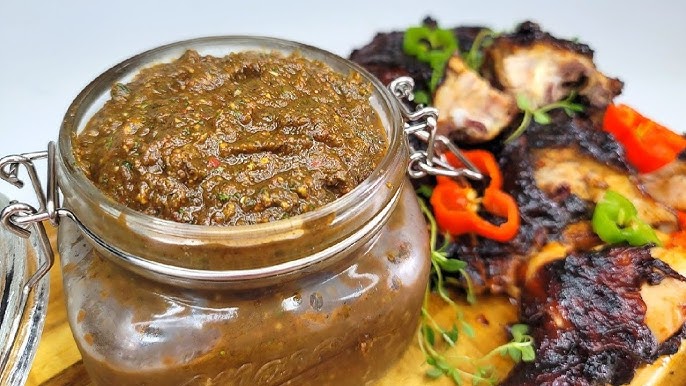
Transfer the jerk seasoning to a clean jar or airtight container. Store it in the refrigerator if it contains fresh blended ingredients, and use it within several days for the best flavor. You can also freeze portions for longer storage.
How to Use Caribbean Jerk Seasoning
The beauty of Caribbean jerk seasoning lies in its versatility. While jerk chicken is the most famous application, limiting yourself to just one dish would be a missed opportunity. This seasoning transforms everyday ingredients into something extraordinary.
When using jerk seasoning as a marinade, coat your protein generously and allow it to rest for at least two hours—overnight is even better. The acids and spices penetrate deeply, creating layers of flavor. For dry rub applications, simply massage the paste onto the surface and cook immediately.
Grilling delivers the most authentic taste, especially over charcoal. The smoke interacts with the spices, creating that signature island aroma. However, baking, pan-searing, or air frying can also produce excellent results if grilling isn’t an option.
Let’s explore a couple of classic applications.
Jerk Chicken
Jerk chicken is arguably the crown jewel of Caribbean cuisine. To prepare it, coat chicken thighs or drumsticks thoroughly with the seasoning, ensuring every crevice is covered. Let it marinate for at least 4–24 hours in the refrigerator.
Grill over medium heat, turning occasionally to prevent burning. Because of the sugar content, flare-ups can happen, so monitor carefully. Cook until the internal temperature reaches 165°F (75°C). The outside should develop a dark, slightly charred crust while the inside remains juicy and tender.
The result? Smoky, spicy, slightly sweet perfection. Serve with rice and peas, fried plantains, or a simple cabbage slaw to balance the heat.
Jerk Seafood and Vegetables
Jerk seasoning isn’t limited to poultry. It pairs beautifully with shrimp, salmon, and even firm white fish. Because seafood cooks quickly, marinate for only 20–30 minutes to avoid overpowering the delicate texture.
Vegetables like bell peppers, zucchini, mushrooms, and corn absorb jerk flavors exceptionally well. Toss them lightly in the seasoning and roast or grill until tender. The natural sweetness of vegetables complements the spice blend, creating a balanced and satisfying dish.
Plant-based eaters can also use jerk seasoning on tofu or tempeh. Press tofu thoroughly before marinating to help it absorb maximum flavor. The result is bold, hearty, and satisfying.
Tips for Authentic Caribbean Flavor
If you really want your Caribbean jerk seasoning to taste like it came straight from a beachside grill in Jamaica, there are a few insider tips that make all the difference. It’s not just about mixing ingredients correctly—it’s about understanding how flavor develops and how traditional methods influence the final result.
First, whenever possible, cook over charcoal instead of gas. Authentic jerk is traditionally prepared over pimento wood, which comes from the same tree that produces allspice berries. While pimento wood may not be easy to find outside the Caribbean, charcoal grilling still adds that smoky backbone that defines true jerk flavor. You can even toss a small handful of soaked wood chips onto the coals to intensify the smokiness. That subtle char interacting with the sugar and spices creates a depth that oven cooking simply can’t fully replicate.
Another important tip is allowing your meat to marinate overnight. Many people rush this step, but patience rewards you with deeper flavor penetration. The acids from lime juice and the natural enzymes in ginger help tenderize proteins while the spices seep into every bite. According to culinary experts, marinating for 12–24 hours can increase flavor absorption by up to 40% compared to a quick two-hour soak.
Don’t forget about resting time after cooking. Once your jerk chicken or seafood comes off the grill, let it rest for at least 5–10 minutes. This helps redistribute juices and ensures every bite is moist and flavorful. Cutting too soon causes precious juices to escape, leaving the meat drier than it should be.
Lastly, balance your plate. Authentic Caribbean meals often pair jerk dishes with cooling sides like rice and peas, coleslaw, mango salsa, or fried plantains. The sweetness and creaminess of these sides tame the heat and create harmony on your palate. Jerk seasoning is bold, but it shines brightest when supported by complementary flavors.
Common Mistakes to Avoid
Even though making homemade jerk seasoning is straightforward, a few common mistakes can affect the final result. Knowing what to avoid can save you from disappointment and help you achieve that authentic island taste on the first try.
One of the biggest mistakes is substituting key ingredients. Replacing Scotch bonnet peppers with mild chili powder dramatically changes the flavor profile. While habanero peppers can work as a substitute because they share a similar heat level and fruity undertone, generic red pepper flakes won’t deliver the same complexity. The same applies to allspice—leaving it out strips jerk seasoning of its defining warmth.
Another frequent error is using dried herbs instead of fresh ones, particularly thyme and green onions. Fresh herbs bring brightness and vibrancy that dried versions simply can’t match. If you absolutely must substitute, reduce the quantity since dried herbs are more concentrated, but understand that the flavor will differ slightly.
Over-blending can also be an issue. While you want a smooth paste, blending too long can create a watery consistency if the ingredients release excess moisture. A thin marinade won’t cling properly to meat, leading to uneven seasoning during cooking.
Skipping proper marination time is another common pitfall. Jerk seasoning needs time to work its magic. Applying it just before cooking may result in surface flavor only, rather than the deep infusion that makes jerk so memorable.
Finally, avoid cooking over extremely high heat without monitoring. Because of the brown sugar content, jerk seasoning can burn quickly. Aim for medium heat and turn your protein regularly to prevent charring from turning bitter.
Avoid these mistakes, and you’ll be well on your way to mastering authentic Caribbean jerk flavor.
Health Benefits of Key Jerk Ingredients
Beyond its bold flavor, Caribbean jerk seasoning offers surprising nutritional benefits thanks to its natural ingredients. While it’s often associated with indulgent grilled meats, the seasoning itself contains components known for their health-supporting properties.
Scotch bonnet peppers, for example, are rich in capsaicin, the compound responsible for their heat. Capsaicin has been studied for its potential to boost metabolism and support cardiovascular health. Some research suggests that spicy foods may temporarily increase calorie burning and reduce appetite. While jerk seasoning isn’t a magic health solution, incorporating spicy ingredients can add both excitement and potential metabolic benefits to your meals.
Garlic and ginger, both staples in jerk seasoning, are widely recognized for their anti-inflammatory and immune-supporting properties. Garlic contains allicin, a compound linked to heart health and reduced blood pressure. Ginger has long been used to aid digestion and reduce nausea. Together, they not only enhance flavor but also contribute to overall wellness.
Allspice, often overlooked nutritionally, contains antioxidants that help combat oxidative stress. Thyme is another powerhouse herb, packed with vitamin C and antimicrobial properties. Even lime juice adds a boost of vitamin C and enhances iron absorption from other foods.
The beauty of making jerk seasoning at home is that you control the salt and sugar levels. Store-bought blends often contain preservatives and excessive sodium. By preparing your own, you can keep it fresh, natural, and balanced.
So while jerk seasoning delivers bold, unforgettable flavor, it also brings along a collection of natural ingredients that support a healthier approach to cooking. Flavor and function working together—that’s a win in any kitchen.
FAQs about Caribbean Jerk Seasoning Recipe
1. What is Caribbean jerk seasoning made of?
Caribbean jerk seasoning is usually made with a bold mix of allspice, thyme, garlic, ginger, onion, scotch bonnet peppers, cinnamon, nutmeg, salt, and brown sugar. Some versions also include soy sauce, vinegar, or lime juice to turn it into a paste or marinade.
2. Is jerk seasoning always very spicy?
Jerk seasoning is known for its heat, especially when made with scotch bonnet peppers, but you can adjust the spice level. Use fewer peppers if you want a milder flavor while still keeping the classic Caribbean taste.
3. What can I use jerk seasoning on?
It works well on chicken, fish, shrimp, pork, vegetables, and even roasted potatoes. You can use it as a dry rub or as a wet marinade, depending on the recipe.
4. How long does homemade jerk seasoning last?
If it is a dry spice blend, it can last for several months in an airtight container. If it is a fresh blended paste, it should be kept in the refrigerator and used within a few days, or frozen for longer storage.
5. Can I make jerk seasoning without scotch bonnet peppers?
Yes, you can replace them with another hot pepper or reduce the amount for a milder version. The flavor will be a little different, but it can still be delicious and well balanced.
Conclusion
Making your own Caribbean jerk seasoning is more than following a recipe—it’s embracing a tradition rooted in history, culture, and bold expression. From its origins with the Taíno people and African influences to its global popularity today, jerk seasoning carries a story in every bite. When you blend Scotch bonnet peppers, allspice, thyme, garlic, and ginger together, you’re recreating a flavor profile that has stood the test of time.
If you’ve never made jerk seasoning from scratch, now you have a clear, step-by-step guide to do it confidently. Gather your ingredients, take your time, and let the aromas transport you. Once you taste the depth and complexity of homemade Caribbean jerk seasoning, you may never go back to store-bought versions again.