Cardamom Bun Recipe: There’s something almost magical about the aroma of freshly baked cardamom buns filling your kitchen. That warm, slightly citrusy, spicy fragrance drifting through the air? It’s comforting, inviting, and almost impossible to resist. Cardamom buns, often compared to cinnamon rolls, offer a more complex and sophisticated flavor profile that sets them apart. While cinnamon delivers sweetness and heat, cardamom brings a floral, slightly peppery depth that lingers beautifully on the palate.
These soft, buttery pastries are especially popular in Scandinavian countries, where they’re enjoyed during coffee breaks known as “fika.” Imagine sitting by a window on a chilly afternoon, sipping hot coffee, and biting into a warm, fluffy bun layered with fragrant spice. That’s the experience we’re recreating here.
Unlike basic bread recipes, cardamom bun recipes require attention to detail. From activating yeast correctly to mastering the art of shaping the dough, each step contributes to the final texture and flavor. But don’t worry—it’s not complicated when broken down properly. This professional, step-by-step guide will walk you through every stage, ensuring bakery-quality results at home.
Ready to transform simple pantry ingredients into golden, aromatic perfection? Let’s dive deeper into what makes these buns so special.
The Scandinavian Origin of Cardamom Buns
Cardamom buns, known as kardemummabullar in Sweden, hold deep cultural significance in Nordic baking traditions. While many people associate sweet rolls with cinnamon, Scandinavians often favor cardamom as their spice of choice. In fact, Sweden is one of the highest consumers of cardamom per capita in the world.
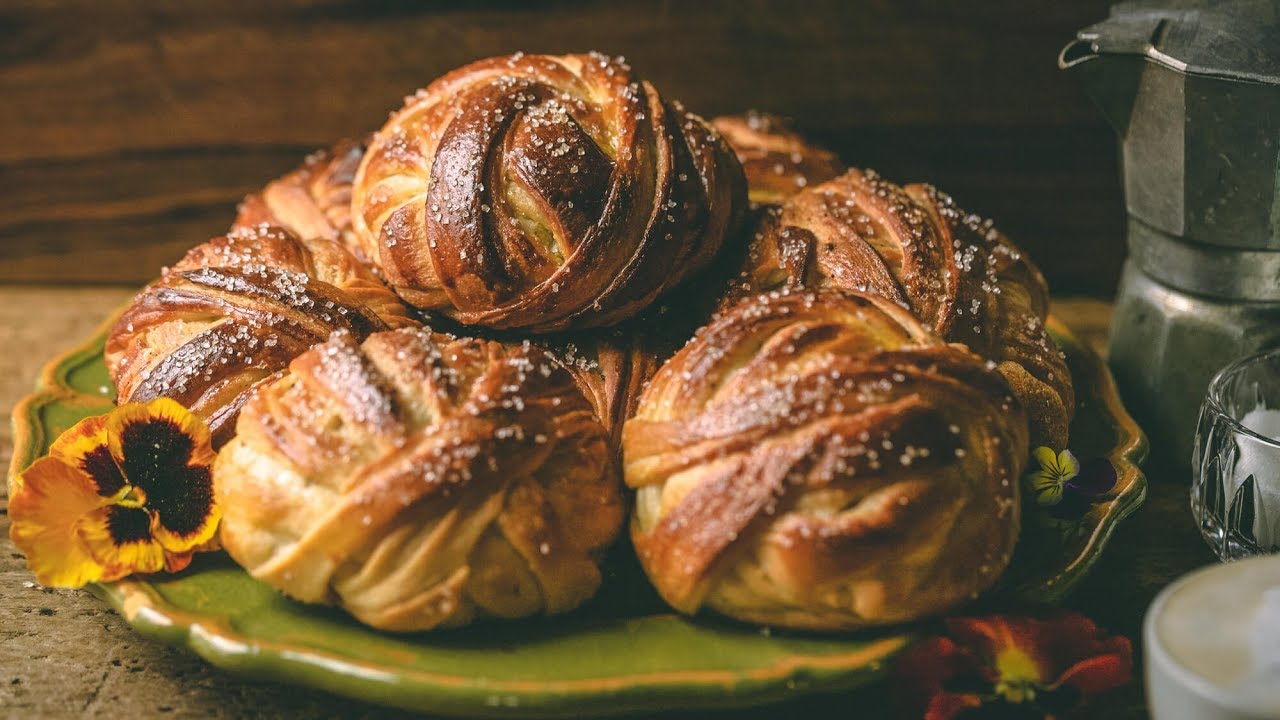
Historically, cardamom arrived in Northern Europe through trade routes from Asia and the Middle East. What began as an exotic spice eventually became a staple in Scandinavian kitchens. Over time, bakers incorporated it into breads, pastries, and festive desserts. The result? Soft, twisted buns infused with aromatic spice and brushed with syrup for a glossy finish.
Unlike American-style cinnamon rolls, Scandinavian cardamom buns are typically less sweet and more spice-forward. The dough itself often contains ground cardamom, creating layers of flavor rather than concentrating it solely in the filling. This technique produces a balanced pastry where sweetness complements rather than overpowers.
Another defining characteristic is the intricate knot or twist shape. These buns aren’t just delicious—they’re visually stunning. Bakers take pride in mastering the twisting technique, which allows the filling to peek through delicate folds of dough.
Understanding their origin adds depth to the baking process. You’re not just making sweet bread; you’re participating in a centuries-old tradition that celebrates warmth, craftsmanship, and the joy of sharing food.
Why Cardamom Is the Star Ingredient
So what makes cardamom so special? Why not just stick with cinnamon? The answer lies in its complexity. Cardamom has a layered flavor profile—citrusy, minty, slightly sweet, and subtly spicy all at once. It’s bold without being overwhelming.
There are two main types: green and black cardamom. For baking, green cardamom is the preferred choice. It offers a bright, aromatic quality that pairs beautifully with butter and sugar. When freshly ground from pods, it releases essential oils that elevate the entire recipe.
Professional bakers often recommend grinding whole pods instead of using pre-ground powder. Why? Because cardamom loses potency quickly once ground. Freshly crushed seeds deliver a more vibrant aroma and deeper flavor.
Beyond taste, cardamom has been valued for centuries for its digestive and aromatic properties. It’s commonly used in chai, Middle Eastern desserts, and Indian sweets. Its versatility makes it one of the most treasured spices globally.
In cardamom bun recipes, the spice is usually incorporated into both the dough and filling. This layered approach ensures every bite carries warmth and fragrance. The result isn’t just sweet—it’s aromatic, balanced, and unforgettable.
Now that we understand the history and flavor foundation, let’s move to the most important part: the ingredients.
Ingredients You’ll Need
Great baking starts with quality ingredients. When making homemade cardamom buns, precision matters. Each component plays a specific role in texture, structure, and flavor.
Below is a complete breakdown of what you’ll need.
Ingredients for the Dough
To create soft and fluffy cardamom buns, gather:
- 4 cups all-purpose flour
- 2 ¼ teaspoons active dry yeast (1 packet)
- 1 cup warm whole milk (about 110°F / 43°C)
- ⅓ cup granulated sugar
- 1 large egg (room temperature)
- 6 tablespoons unsalted butter (softened)
- 1 teaspoon salt
- 1 ½ teaspoons freshly ground cardamom
The flour forms the structural base. Whole milk enriches the dough, creating tenderness. Butter adds richness, while sugar feeds the yeast and enhances browning. The egg improves elasticity and softness.
Using room-temperature ingredients ensures smoother mixing and better yeast activity. Cold ingredients can slow fermentation, resulting in dense buns.
Ingredients for the Filling
For that irresistible swirl:
- ½ cup unsalted butter (softened)
- ½ cup brown sugar
- 2 teaspoons ground cardamom
- 1 teaspoon cinnamon (optional for depth)
The butter acts as a spreadable base, allowing sugar and spices to adhere evenly. Brown sugar adds moisture and caramel-like sweetness, complementing the floral spice.
Ingredients for the Glaze and Topping
For the finishing touch:
- ¼ cup water
- ¼ cup granulated sugar
- ½ teaspoon vanilla extract
- Pearl sugar (optional but traditional)
The simple syrup glaze gives the buns their signature shine and slight stickiness. Pearl sugar adds crunch and visual appeal.
With ingredients ready, let’s move into the professional step-by-step method.
Essential Baking Tools for Perfect Cardamom Buns
Baking success isn’t just about ingredients—it’s also about using the right tools. While you don’t need commercial equipment, having a few essentials makes the process smoother and more consistent.
A sturdy mixing bowl and measuring cups ensure accuracy. A stand mixer with a dough hook simplifies kneading, though kneading by hand works just as well if you enjoy a hands-on approach. A rolling pin is essential for evenly flattening the dough before spreading the filling.
You’ll also need a sharp knife or pizza cutter for clean slices when shaping. A baking tray lined with parchment paper prevents sticking and promotes even browning. Finally, a pastry brush helps apply glaze evenly without soaking the buns.
Precision tools reduce guesswork. When dough thickness is even, baking becomes predictable. When measurements are exact, texture improves dramatically.
Now, it’s time to start baking.
Step-by-Step Guide to Making Cardamom Buns
Step 1 – Activating the Yeast
Mix the yeast with warm milk or warm water and a little sugar. Let it sit for a few minutes until it becomes foamy. This shows the yeast is active and ready to help the dough rise.
Step 2 – Preparing the Dough
In a large bowl, combine flour, sugar, ground cardamom, softened butter, and the activated yeast mixture. Add an egg if your recipe uses one, then mix until a soft dough forms.
Step 3 – Kneading to Perfection
Knead the dough until it becomes smooth and elastic. This step builds structure and gives the buns a soft, fluffy texture after baking.
Step 4 – First Rise
Place the dough in a lightly greased bowl, cover it, and let it rise in a warm place until doubled in size. This usually takes about 1 hour, depending on the room temperature.
Step 5 – Making the Cardamom Filling
Mix softened butter with sugar and ground cardamom to create a fragrant filling. This filling gives the buns their rich flavor and signature sweetness.
Step 6 – Shaping the Buns
Roll out the dough, spread the filling over it, then fold or roll it as your recipe directs. Cut and twist the pieces into bun shapes.
Step 7 – Second Rise
Arrange the shaped buns on a baking tray and let them rise again until puffy. This second rise helps make them light and tender.
Step 8 – Baking the Buns
Bake in a preheated oven until the buns are golden brown and fragrant. Watch them closely so they do not overbake.
Step 9 – Glazing and Finishing Touches
Brush the warm buns with a simple syrup or melted butter for shine and softness. Finish with a light sprinkle of sugar or extra cardamom if desired.
Professional Tips for Soft and Fluffy Cardamom Buns
Perfecting homemade cardamom buns comes down to technique. Always measure flour accurately using the spoon-and-level method to avoid dense dough. Freshly grind cardamom for maximum aroma. Maintain consistent proofing temperature to encourage even fermentation.
Humidity also plays a role. In drier climates, dough may require slightly less flour. Trust texture over strict measurement. Dough should feel soft and pliable, not stiff.
Baking is science and art combined. Master both, and your results will rival any bakery.
Common Mistakes to Avoid
Using expired yeast tops the list of common errors. Always check expiration dates. Another frequent mistake is overheating milk, which kills yeast instantly.
Over-flouring during kneading leads to dry buns. Resist adding excess flour unless absolutely necessary. Under-proofing results in tight texture, while over-proofing can cause collapse during baking.
Precision and patience prevent most issues.
Variations of Cardamom Buns
You can experiment by adding orange zest to the filling for citrus brightness. Chopped nuts introduce crunch. Some bakers incorporate almond paste for richness.
For a dairy-free version, substitute plant-based milk and butter alternatives. The spice remains the star regardless of variation.
Storage and Reheating Tips
Store cooled buns in an airtight container at room temperature for up to two days. For longer storage, freeze them individually wrapped.
Reheat in a 300°F (150°C) oven for 5–7 minutes to restore softness. Avoid microwaving for too long, as it can make them chewy.
Freshness preserves flavor and texture.
FAQs about Cardamom Bun Recipe
1. What do cardamom buns taste like?
Cardamom buns have a warm, sweet, and slightly spicy flavor. The cardamom gives them a fragrant, cozy taste that feels rich but not overpowering.
2. Can I use instant yeast instead of active dry yeast?
Yes, you can use instant yeast in most cardamom bun recipes. It usually does not need to be activated first, which can save a little time.
3. Why is my dough not rising properly?
This often happens if the yeast is old or the liquid was too hot or too cold. The dough also rises best in a warm, draft-free place.
4. Can I make cardamom buns ahead of time?
Yes, you can prepare the dough or shape the buns ahead and refrigerate them before baking. This can make the process easier and may even improve the flavor.
5. How should I store cardamom buns?
Store them in an airtight container at room temperature for up to 2 days, or refrigerate for longer storage. You can also freeze them and warm them before serving for the best texture.
Conclusion
Baking cardamom buns from scratch is more than following a recipe—it’s embracing a craft rooted in tradition and aroma. From activating yeast to glazing golden knots, each step builds toward a pastry that’s soft, fragrant, and deeply satisfying. With careful attention to detail and quality ingredients, you can achieve bakery-level results in your own kitchen.