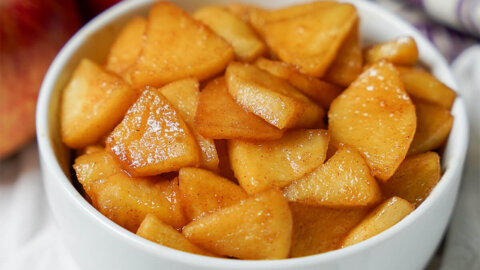
Caramelised Apples Recipe: Caramelised apples are pure magic—tender, golden, and infused with the rich flavors of butter and sugar, sometimes with a touch of spice. These glossy, sticky slices are the kind of thing that makes you close your eyes when you take a bite. Whether you’re topping your morning pancakes, adding depth to a dessert, or just sneaking a sweet snack straight from the pan, caramelised apples have your back.
So, why do people love this recipe so much? Simple. It’s quick, delicious, and made with ingredients you already have in your kitchen. Plus, the smell alone—warm apples, melted butter, bubbling sugar—is enough to make the entire house feel cozy and welcoming.
You can make them fancy for guests, serve them at a brunch, or spoon them into your late-night ice cream. There’s no wrong time for caramelised apples. Let’s break it down and get started with what you’ll need.
List of Ingredients You’ll Need
Making caramelised apples doesn’t require anything fancy. You’ll find most of these ingredients sitting in your pantry or fridge already. Here’s your grocery list:
Core Ingredients
- Apples (3–4 medium apples) – Choose firm apples that hold their shape well (more on that later).
- Unsalted butter (2–3 tablespoons) – Adds richness and helps the caramel form.
- Brown sugar (¼ to ⅓ cup) – Gives the caramel its deep, molasses-like flavor.
- Granulated sugar (optional, 1 tablespoon) – Boosts the sweetness if needed.
- Cinnamon (½ teaspoon) – For warmth and spice.
Optional Add-ons
- Vanilla extract (½ teaspoon) – Adds complexity to the flavor.
- Salt (a pinch) – Balances the sweetness and enhances flavor.
- Lemon juice (1 teaspoon) – Helps cut the sweetness and keeps apples fresh.
- Nutmeg or allspice (a dash) – For extra spice if you’re feeling fancy.
- Bourbon or dark rum (1 tablespoon) – For an adult twist.
With these ingredients, you’re fully equipped to whip up something seriously delicious.
Tools and Equipment Needed
Before we dive into the steps, make sure you’ve got the right tools on hand. This keeps things running smoothly and safely.
- Large non-stick or stainless steel skillet – You need space to spread the apples out so they cook evenly.
- Wooden spoon or heat-resistant spatula – For stirring and flipping.
- Cutting board – For prepping apples.
- Sharp knife or apple slicer – To core and slice apples evenly.
- Measuring spoons and cups – For precise measuring of sugar and spices.
- Peeler – Optional, if you prefer skinless apples.
Pro tip: have everything ready before you start—caramel moves fast, and there’s not a lot of time to search for cinnamon when things are bubbling on the stove.
Choosing the Right Apples
Not all apples are created equal, especially when it comes to caramelising. You want apples that are firm and hold up under heat without turning into mush. The wrong apple can turn your sweet treat into apple sauce real quick.
Best Apples for Caramelising
- Granny Smith – Tart, crisp, and perfect for cutting through the sweetness.
- Honeycrisp – Sweet and firm, a great balanced choice.
- Fuji – Naturally sweet and holds its shape well.
- Braeburn – A flavorful choice that caramelises beautifully.
- Pink Lady – Sweet-tart and pretty in color when cooked.
Avoid soft apples like Red Delicious—they tend to fall apart under heat.
Preparation Tips
- Peel or not to peel? That’s up to you. The peel adds texture and color, but some prefer the soft melt-in-your-mouth feel of peeled apples.
- Cut evenly. Slice the apples uniformly (¼ inch thick) so they cook at the same pace.
Prepping Your Ingredients
Getting everything ready before you start cooking is half the battle. Caramelised apples come together quickly, and timing is everything once the heat is on.
- Wash and dry the apples.
- Peel them (optional) and slice into even wedges or rings.
- Measure out your butter, sugars, and spices.
- Set your skillet on the stove, but don’t turn the heat on yet.
Having a “mise en place” (that’s French for everything in its place) will make your cooking smoother and more fun. Trust me, once that caramel starts bubbling, you’ll want both hands free.
Step-by-Step Guide to Make Caramelised Apples
Step 1: Melting the Butter
Start by placing your skillet over medium heat and adding the butter. Let it melt slowly—don’t rush it! Swirl the pan to coat the bottom and let the butter get slightly golden for a rich, nutty flavor.
Step 2: Add Sugar and Stir
Once the butter is melted, add the brown sugar (and a touch of granulated sugar if using). Stir gently until the sugar begins to dissolve and bubble. This forms the caramel base. If you’re adding vanilla or a pinch of salt, now’s a good time.
Step 3: Add the Apples
Carefully lay the apple slices into the bubbling caramel in a single layer. Stir to coat every piece in that buttery goodness. It’s okay if you need to cook in batches—overcrowding leads to steaming instead of caramelising.
Step 4: Cook Until Caramelised
Let the apples cook for 8–10 minutes, turning occasionally. You’ll see the sauce thicken and the apples soften, turning golden and glossy. The edges might brown slightly, and that’s what you want.
Step 5: Spice and Finish
Add your cinnamon and any extra flavorings—nutmeg, rum, or lemon juice—for a final layer of taste. Let it simmer another minute to combine.
Once done, remove from heat and let cool slightly before serving.
Tips for Perfect Caramelisation
Caramelising apples might sound simple—and it is—but a few insider tips can help take your apples from “meh” to masterpiece. Caramel is sensitive, so understanding how it behaves under heat is key to getting that deep golden color and rich flavor without burning it or ending up with soggy apples.
Control the Temperature
Always cook on medium to medium-low heat. High heat might seem faster, but it will likely burn the sugar before the apples are fully cooked. If your caramel smells bitter or turns too dark, it’s probably overheated.
Stir with Purpose
Stirring too much can break up the apples, especially once they begin to soften. Gently stir just enough to coat the apples and ensure even caramel distribution. Use a heatproof spatula or wooden spoon, and try to flip the apples instead of vigorously stirring.
Watch for the Signs
The moment the sugar has fully melted and starts bubbling with a golden-brown color, you’re entering caramel territory. From here, keep a close eye—there’s a thin line between caramelised and burnt.
Avoid Overcrowding
If your apples are crammed in the pan, they’ll steam rather than caramelise. Make sure they’re spread out enough to allow the sugar and butter to coat each piece evenly. If you’re working with a lot of apples, cook them in batches.
Add Spices Toward the End
Spices like cinnamon or nutmeg can burn if added too early. Add them during the last minute of cooking so they release their flavor without scorching.
Following these simple but crucial tips can transform your caramelised apples into a next-level treat you’ll want to make again and again.
Flavor Variations
Want to mix it up a bit? Caramelised apples are incredibly versatile and can be customized to match your mood, the season, or your dessert goals. Here’s how you can take your recipe to the next level:
Cinnamon Caramelised Apples
This is the classic combo. Add ½ to 1 teaspoon of ground cinnamon during the last minute of cooking. It adds warmth and balances the sweetness with a subtle spice. A pinch of nutmeg or allspice also pairs well here.
Vanilla Infused Apples
Vanilla brings a mellow, rich background note. Add ½ teaspoon of vanilla extract once the sugar has melted but before you add the apples. This small addition adds a bakery-quality depth to the flavor.
Boozy Caramel Apples
Want something more grown-up? Stir in a tablespoon of dark rum, bourbon, or brandy right before finishing. Alcohol burns off during cooking but leaves behind a complex, rich undertone. Just be careful when adding—stand back to avoid steam.
Maple Caramel Apples
Swap out the brown sugar for pure maple syrup for a distinctly autumnal flavor. Add a little cinnamon and chopped pecans, and you’ve got a topping that screams fall.
Mix and match these variations, or even create your own twist. The beauty of caramelised apples is how easily they adapt to your flavor preferences.
Serving Suggestions
Caramelised apples are incredibly flexible—they can go sweet or savory, simple or decadent. Here are some of the best ways to enjoy them:
1. Over Ice Cream
The warm apples melting into cold vanilla ice cream? Absolute heaven. Top with chopped nuts or a drizzle of extra caramel for a full dessert experience.
2. On Pancakes or Waffles
Move over maple syrup—caramelised apples are the ultimate breakfast upgrade. Just spoon them over a stack of pancakes or waffles and add a dollop of whipped cream.
3. As a Pie or Tart Filling
These apples make a killer shortcut filling for tarts, galettes, or mini pies. Just scoop them into a pre-baked crust, top with crumble, and bake until golden.
4. With Oatmeal or Yogurt
Upgrade your breakfast game. Add a spoonful to a bowl of hot oats or swirl it into creamy Greek yogurt. Instant flavor boost!
5. On Toast or Biscuits
Spread cream cheese or nut butter on toast or a biscuit, then pile on the caramelised apples. It’s like dessert for breakfast.
Serving caramelised apples isn’t just about topping—it’s about transforming simple dishes into showstoppers.
Storing and Reheating Leftovers
Yes, caramelised apples store well! You don’t have to eat them all in one go (unless you want to).
Storing Tips
- Refrigerator: Let the apples cool completely, then transfer to an airtight container. Store in the fridge for up to 4–5 days.
- Freezer: Place cooled apples in a freezer-safe bag or container. They’ll keep for up to 2 months. Thaw overnight in the fridge before reheating.
Reheating Tips
- Microwave: Heat in 30-second bursts, stirring in between, until warm.
- Stovetop: Reheat gently in a nonstick pan over low heat. Add a splash of water or butter if needed to loosen the sauce.
Just be sure not to overheat them, or the sugar may crystallize or burn. Handle them gently to preserve that lovely texture.
Caramelised Apples for Meal Prep
Believe it or not, these apples are meal prep gold. You can make a big batch ahead of time and use them throughout the week in different ways.
How to Prep Ahead
- Cook a full batch and portion into individual containers.
- Let them cool fully before sealing to avoid excess moisture buildup.
Storage and Use
Keep them in small containers or jars for easy grab-and-go breakfast or snack options. Toss them into:
- Yogurt bowls
- Oatmeal
- Toast toppings
- Dessert layers (like trifles or parfaits)
They even make great lunchbox add-ins—just pack them chilled with some granola or plain cookies for dipping.
Using Caramelised Apples in Other Recipes
Once you’ve made caramelised apples once, you’ll start seeing them as the secret weapon they are. Here’s where to use them beyond just topping.
In Baking
- Muffins or Cupcakes: Fold into the batter before baking.
- Coffee Cake: Layer them into the middle of your favorite cake recipe.
- Tarts or Galettes: Use as a shortcut filling with puff pastry.
In Breakfast Dishes
- French Toast Casseroles: Layer with custard-soaked bread before baking.
- Parfaits: Layer with yogurt and granola in a glass jar.
- Crepes or Blintzes: Fill and roll with caramelised apples for a fancy twist.
Savory Ideas
Surprise—caramelised apples can also play in the savory world. Try serving them alongside:
- Pork chops or roasted chicken
- Brie or goat cheese on toast or flatbread
Their sweet and tangy flavor can add contrast to richer or salty dishes.
Nutritional Information
Now let’s talk about what’s in a serving of these dreamy caramelised apples. While they’re definitely a sweet treat, they can also be part of a balanced diet—especially when made at home where you control the ingredients.
Estimated Nutritional Values (Per Serving – approx. ½ cup)
- Calories: 160–200 kcal
- Total Fat: 6–8g (from the butter)
- Saturated Fat: 4–5g
- Carbohydrates: 30–35g
- Sugars: 20–25g
- Fiber: 2–3g
- Protein: <1g
These numbers can vary depending on how much sugar or butter you use, what kind of apples you choose, and whether you add extras like nuts or alcohol.
Want a Healthier Version? Try These Swaps:
- Butter: Use half butter and half coconut oil.
- Sugar: Cut down the sugar or use coconut sugar or maple syrup for a more natural touch.
- Add Fiber: Leave the peels on for more fiber and texture.
- Less Sweet: Use tart apples like Granny Smith and skip the extra granulated sugar.
Remember, homemade always beats store-bought when it comes to both flavor and nutrition. With just a few small changes, you can customize the recipe to suit your health goals.
Common Mistakes to Avoid
Even though caramelised apples are pretty simple to make, there are a few pitfalls that can trip up beginners. Here’s what to watch out for so your apples turn out perfect every time.
1. Using the Wrong Apples
Soft or mealy apples will fall apart and turn into mush. Stick to firmer varieties like Granny Smith, Honeycrisp, or Fuji.
2. Overcrowding the Pan
Too many apples in the skillet means they’ll steam, not caramelise. Cook in batches if necessary.
3. Burning the Sugar
Caramel happens fast and burns even faster. Keep the heat at medium and don’t walk away from the stove.
4. Adding Spices Too Early
Spices like cinnamon or nutmeg can burn if added when the sugar is still hot and dry. Always add them toward the end.
5. Not Stirring Enough—or Stirring Too Much
Stir occasionally to prevent burning, but don’t go overboard. Too much stirring breaks up the apples.
Avoiding these simple mistakes can make the difference between “pretty good” and “absolutely amazing.”
FAQs about Caramelised Apples Recipe
1. Can I make caramelised apples ahead of time?
Absolutely! Caramelised apples can be made 3–4 days ahead. Store them in an airtight container in the fridge and reheat gently before serving.
2. Do I need to peel the apples?
Not necessarily. It’s totally up to your texture preference. Peeled apples give a softer feel, while unpeeled ones add more bite and fiber.
3. Can I use white sugar instead of brown sugar?
You can, but brown sugar gives a deeper, richer flavor. If using white sugar, consider adding a tablespoon of maple syrup or molasses for that extra depth.
4. What if my apples turn mushy?
That usually means they were overcooked or the wrong variety was used. Choose firmer apples and keep an eye on cooking time and heat.
5. Can I freeze caramelised apples?
Yes! Cool them completely and store in a freezer-safe container for up to 2 months. Thaw overnight in the fridge and reheat gently before using.
Final Thoughts
Caramelised apples are one of those classic, feel-good recipes that never go out of style. They’re incredibly easy to make, ridiculously delicious, and endlessly versatile. With just a handful of ingredients and a few simple steps, you can create a dish that brings comfort, warmth, and maybe even a bit of nostalgia to your table.
Whether you’re spooning them over breakfast, layering them in a pie, or just sneaking a bite from the pan, they’re guaranteed to make your day a little sweeter. Don’t be afraid to experiment—try different spices, add nuts, or take a grown-up twist with a splash of bourbon.
Most importantly, have fun with it. Cooking should be joyful, and recipes like this one are the perfect way to build confidence and creativity in the kitchen.