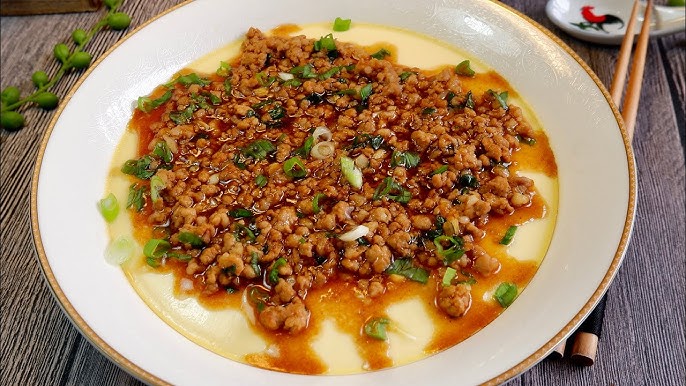
Cantonese Steamed Egg Recipe: Cantonese steamed egg, often referred to as “water egg” or “steamed egg custard,” is one of those deceptively simple dishes that quietly steals the spotlight. At first glance, it looks almost too plain to impress anyone. But once you scoop into that silky, tender surface and taste its delicate, savory flavor, you understand why this humble dish has stood the test of time in Chinese households for generations. It’s comfort food at its finest—soft, warm, and soothing.
In professional kitchens across Hong Kong and Guangdong province, chefs treat this dish with great respect. Why? Because simplicity leaves no room for error. There’s nowhere to hide imperfections. If the heat is too high or the egg mixture isn’t strained properly, the silky custard can turn into a bubbly, uneven mess.
That’s exactly why mastering this recipe feels so rewarding. And today, you’re going to learn how to make it perfectly, step by step.
Cultural Significance in Cantonese Cuisine
Cantonese cuisine is known worldwide for its focus on freshness, balance, and natural flavors. Unlike cuisines that rely heavily on spices, Cantonese cooking highlights the intrinsic taste of ingredients. Cantonese steamed egg embodies this philosophy beautifully.
In many Cantonese households, this dish appears on the dinner table several times a week. It’s affordable, nourishing, and pairs well with rice and vegetables. For many people, it brings back childhood memories of sitting at the dinner table, spooning soft egg custard over hot jasmine rice.
It’s also a dish commonly served during times of illness or recovery. Because of its soft texture and gentle flavor, it’s easy to eat even when someone doesn’t have much appetite. In that sense, it’s more than just food—it’s comfort and care served in a bowl.
Restaurants often elevate it by adding seafood like shrimp, scallops, or minced pork. Despite these variations, the core remains the same: smooth steamed egg custard.
Understanding its cultural roots helps you appreciate why technique matters so much. This isn’t just scrambled eggs steamed in a bowl. It’s a dish that reflects balance, patience, and respect for ingredients—values deeply rooted in Cantonese culinary tradition.
What Makes Cantonese Steamed Egg Unique?
At first glance, you might wonder: isn’t this just steamed scrambled eggs? Not quite. Cantonese steamed egg is closer to a savory custard than traditional eggs. The key difference lies in the water-to-egg ratio and the gentle steaming technique that transforms liquid into something silky and delicate.
Most Western egg dishes rely on direct heat—frying, scrambling, or baking. Cantonese steamed egg, however, uses indirect moist heat. This allows the proteins in the egg to coagulate slowly and evenly, preventing curdling. The result? A texture so smooth it almost trembles when you gently shake the bowl.
Another defining characteristic is its subtle flavor profile. Instead of overwhelming spices, you’ll typically find light soy sauce, sesame oil, or a splash of chicken broth enhancing the egg’s natural taste. It’s minimalist cooking at its finest.
Texture is everything here. A properly made Cantonese steamed egg should have:
- A glossy, smooth surface
- No air bubbles
- No cracks
- A custard-like consistency
Even small bubbles can indicate the steaming temperature was too high. That’s how precise this dish can be.
Professional chefs often compare making steamed egg to making crème brûlée—but savory. Both require controlled heat, proper ratios, and patience. Too much heat and you’ll get a rubbery texture. Too little, and it won’t set properly.
So what makes it truly unique? It’s the balance between simplicity and precision. With just a handful of ingredients, you create something that feels refined and comforting at the same time.
Texture, Flavor, and Simplicity Explained
The texture is what truly sets Cantonese steamed egg apart. Imagine silken tofu but softer, warmer, and more delicate. When you scoop it with a spoon, it should barely resist. That softness comes from the right egg-to-liquid ratio, typically about 1:1.5 or 1:2 (egg to water or broth).
Flavor-wise, it’s light yet savory. The egg flavor remains front and center, supported by subtle seasoning. Some people drizzle soy sauce and sesame oil on top just before serving, creating a fragrant finish that enhances without overpowering.
The simplicity of the ingredients might trick you into thinking this is an easy dish. But in reality, it’s a technique-driven recipe. That’s why following a structured, step-by-step approach is critical. Once you understand the fundamentals, though, you’ll realize it’s one of the most rewarding dishes to master.
Ingredients You’ll Need
The beauty of Cantonese steamed egg lies in its short ingredient list. You don’t need exotic spices or complicated components. Instead, focus on quality and proportion.
Here’s what you’ll need for the classic version:
- 3 large eggs
- 1 ½ cups warm water or chicken broth
- ½ teaspoon salt
- 1 teaspoon light soy sauce (optional)
- ½ teaspoon sesame oil (for garnish)
- Chopped green onions (optional garnish)
That’s it. Simple, right? But don’t underestimate the importance of each ingredient.
Eggs are the foundation. Fresh eggs produce better texture and flavor. Water or broth determines the depth of taste. Using chicken broth instead of plain water adds umami richness, making the custard more savory.
Salt should be dissolved fully into the liquid before mixing with eggs. This ensures even seasoning. Sesame oil and soy sauce are typically added at the end to preserve their aroma.
Precision matters. Too much liquid, and your custard won’t set properly. Too little, and it becomes dense. The sweet spot is usually between 1:1.5 and 1:2 egg-to-liquid ratio by volume.
Choosing the Right Eggs
Freshness is critical. Older eggs tend to produce a weaker structure and may create more bubbles when whisked. When you crack a fresh egg, the yolk should stand tall and the white should be thick.
Organic or free-range eggs often yield a richer yellow color and slightly deeper flavor. While not mandatory, they can elevate the final presentation.
Room temperature eggs mix more smoothly than cold eggs straight from the fridge. If possible, let them sit out for about 10–15 minutes before use. This small step can improve texture consistency.
Water, Broth, and Seasonings
Using warm water helps the egg mixture blend more evenly. It shouldn’t be hot enough to cook the eggs—just slightly warm. If you’re aiming for deeper flavor, substitute chicken broth. Many professional Cantonese chefs prefer broth because it enhances umami without overpowering the egg.
Avoid dark soy sauce, as it can discolor the custard. Light soy sauce is ideal for maintaining that pale yellow, elegant appearance.
Remember, this dish thrives on subtlety. The goal is harmony, not intensity.
Essential Kitchen Tools for Perfect Results
You don’t need fancy gadgets to make Cantonese steamed egg, but having the right tools can make a noticeable difference. Since this dish depends heavily on texture, precision tools help you control every variable.
First, you’ll need a heatproof bowl or shallow dish. Ceramic bowls work beautifully because they distribute heat evenly. The depth of the bowl also matters. A shallow dish allows the egg mixture to cook more uniformly, reducing the risk of overcooked edges and undercooked centers.
A whisk or fork is essential for gently beating the eggs. You’re not trying to incorporate air like you would for scrambled eggs. Instead, the goal is to blend the yolks and whites smoothly without creating foam. Think of it like stirring cream into coffee—steady and controlled.
One of the most overlooked yet critical tools is a fine-mesh strainer. Straining removes bubbles, chalazae (the white stringy bits), and any unmixed egg whites. This single step dramatically improves the final texture. Professional kitchens never skip this stage.
You’ll also need a steamer setup. This could be a bamboo steamer, stainless steel steaming rack inside a wok, or even a large pot with a lid. The key is ensuring consistent, gentle steam. If the lid tends to drip condensation, wrap it with a clean kitchen towel to prevent water droplets from falling onto the custard surface.
Lastly, consider using plastic wrap or a plate cover to loosely cover the bowl while steaming. This protects the surface from water droplets and helps maintain that glossy, smooth finish.
With these tools ready, you’re set up for success. Precision, control, and attention to detail will turn a simple egg dish into a restaurant-quality masterpiece.
Step-by-Step Guide to Making Cantonese Steamed Egg
Now comes the heart of the recipe. This is where technique transforms simple ingredients into a silky custard. Follow each step carefully, and don’t rush the process. Remember, this dish rewards patience.
Step 1 – Preparing the Egg Mixture
Crack your eggs into a bowl and whisk gently until the whites and yolks fully combine. The key word is gently—you want the mixture smooth, not foamy. Next, add warm water or warm stock (chicken stock is classic) and a pinch of salt. A common approach is using about 1.5 to 2 parts liquid to 1 part egg, which helps the custard set soft and tender. Stir slowly until everything looks even and pale.
Step 2 – Straining for Silky Smoothness
Pour the egg mixture through a fine mesh strainer into a heat-safe bowl. This simple step removes any eggy bits and helps you get that glass-smooth, custard-like texture Cantonese steamed egg is famous for. Skim off any bubbles sitting on top. If you leave bubbles, they can turn into little craters after steaming.
Step 3 – Mastering the Steaming Process
Cover the bowl with foil or a plate to prevent water droplets from falling into the custard. Steam over low to medium-low heat—this is where most people go wrong by rushing it. Gentle steam keeps the surface smooth and stops the egg from turning spongy. Steam until it’s mostly set but still slightly jiggly in the center.
Step 4 – Checking Doneness the Right Way
Tap the bowl lightly. If the egg jiggles like soft jelly and the center isn’t liquid, it’s ready. You can also insert a spoon gently—if it comes out mostly clean and the custard holds shape, you’re good. Let it rest for a minute, then top with a little soy sauce, sesame oil, and spring onions for the classic finish.
Common Mistakes and How to Avoid Them
Even though Cantonese steamed egg uses only a handful of ingredients, small errors can dramatically affect the result. Understanding common pitfalls helps you consistently achieve that ultra-smooth finish.
One major mistake is over-whisking the eggs. Many people instinctively beat eggs vigorously, like preparing scrambled eggs. This introduces air bubbles into the mixture, which later expand during steaming and create a honeycomb texture. The solution? Stir gently and patiently.
Another frequent issue is using boiling steam throughout the cooking process. High heat causes the eggs to curdle quickly, forming cracks and bubbles. Always reduce to low heat before placing the bowl inside the steamer. Gentle heat equals gentle texture.
Incorrect liquid ratio is another problem. Too much water results in custard that won’t set properly. Too little makes it dense and heavy. Stick to the trusted 1:1.5 or 1:2 ratio by volume. Precision makes a difference.
Skipping the straining step is perhaps the biggest oversight. Those tiny bits of unmixed egg white and bubbles may seem harmless, but they disrupt smoothness. Straining takes less than a minute yet elevates the entire dish.
Lastly, constantly lifting the lid during steaming destabilizes the temperature. Think of the steamer as a controlled environment. Once you start, let it do its job.
Avoiding these mistakes doesn’t require advanced skills—just mindfulness. And when you get it right, the reward is a custard so smooth it almost melts before you chew.
Pro Tips for Ultra-Smooth Texture
If you want your Cantonese steamed egg to rival restaurant quality, a few professional techniques can elevate your results.
First, always use warm liquid, not cold. Warm water or broth blends more seamlessly with eggs and helps reduce temperature shock during steaming. However, never use hot liquid—it could partially cook the eggs prematurely.
Second, consider using a 1:1.8 egg-to-liquid ratio. Many home cooks prefer this middle ground because it delivers maximum silkiness without compromising structure. It’s like tuning an instrument—small adjustments produce noticeable changes.
Covering the bowl properly is another professional trick. In high-end Cantonese kitchens, chefs often wrap the steamer lid with cloth to catch condensation. This ensures a flawless, smooth top layer.
You can also steam using the “off-heat method.” Bring water to a boil, place the bowl inside, cover, turn off the heat, and let residual steam cook the custard slowly. This ultra-gentle approach reduces the risk of overcooking.
Some chefs add a few drops of oil directly into the egg mixture before steaming. This can enhance smoothness slightly and add subtle richness.
Above all, remember that texture is the star. Flavoring should complement, not overpower. The beauty of Cantonese steamed egg lies in restraint.
Delicious Variations to Try
Once you’ve mastered the classic version, you can explore flavorful variations that add depth without sacrificing texture.
Adding Seafood, Meat, or Mushrooms
One popular upgrade is adding minced pork. Season the pork lightly with soy sauce and a pinch of cornstarch before placing it at the bottom of the bowl. Then pour the strained egg mixture over it and steam together. The meat cooks gently beneath the custard, infusing it with savory richness.
Shrimp is another favorite. Place cleaned shrimp on top of the custard halfway through steaming to prevent overcooking. Their sweetness pairs beautifully with the soft egg base.
Dried shiitake mushrooms, when soaked and finely chopped, bring earthy umami. They add complexity while maintaining balance.
The key is moderation. Too many toppings can weigh down the custard and interfere with even cooking.
Kid-Friendly and Healthy Adaptations
For children, you can reduce soy sauce and use mild chicken broth for natural flavor. Some parents blend in finely chopped vegetables like spinach or carrots for added nutrition.
For a lighter option, use low-sodium broth and skip sesame oil. Since eggs are already rich in protein and essential nutrients, this dish fits well into balanced diets.
The versatility of Cantonese steamed egg makes it suitable for nearly any age group. It adapts effortlessly while retaining its comforting essence.
Serving Suggestions and Pairings
Cantonese steamed egg shines brightest when served fresh and hot. Its delicate texture doesn’t benefit from sitting too long, so plan to serve it immediately after steaming. Traditionally, it’s placed at the center of the dining table, family-style, alongside steamed rice and simple vegetable dishes.
One of the most classic ways to enjoy it is by spooning the custard over a bowl of steamed jasmine rice. The rice absorbs the savory soy sauce and sesame oil drizzle, creating a comforting combination that feels almost therapeutic after a long day. The soft egg blends with the fluffy grains, forming a texture contrast that’s both satisfying and soothing.
It pairs exceptionally well with lightly stir-fried greens such as bok choy, gai lan (Chinese broccoli), or spinach. The slight bitterness of leafy greens balances the custard’s gentle richness. If you’re serving a larger Cantonese-style meal, steamed fish with ginger and scallions complements the egg beautifully without overpowering it.
For a heartier dinner, consider pairing it with roast meats like char siu or soy sauce chicken. The bold flavors of roasted meats contrast with the egg’s subtle profile, creating harmony on the plate. Think of the steamed egg as the calm center of a flavorful storm—it grounds the meal.
If serving as a light lunch, you can keep it simple: steamed egg, rice, and a drizzle of premium light soy sauce. Add a small bowl of clear soup on the side, and you have a balanced, nourishing meal.
Presentation also matters. Garnish with freshly chopped green onions or a few drops of sesame oil just before serving. That final aromatic touch transforms a humble dish into something that feels thoughtfully prepared.
Nutritional Benefits of Cantonese Steamed Egg
Beyond its silky texture and comforting flavor, Cantonese steamed egg offers impressive nutritional value. Eggs are widely recognized as a powerhouse of nutrients. According to the United States Department of Agriculture (USDA), one large egg contains about 6 grams of high-quality protein, along with essential vitamins such as B12, D, and riboflavin.
Protein plays a crucial role in muscle repair, immune function, and overall body maintenance. Because this dish uses minimal oil and gentle cooking methods, it preserves much of the egg’s nutritional integrity. Steaming is considered one of the healthiest cooking techniques, as it avoids added fats and maintains nutrient density.
Eggs are also a source of choline, a nutrient important for brain health and cognitive function. For growing children and older adults, this makes Cantonese steamed egg a smart dietary choice. Its soft texture makes it easy to digest, which is why it’s often served to individuals recovering from illness.
Using chicken broth instead of water can add small amounts of additional minerals and amino acids, enhancing the dish’s nutritional profile. If you incorporate toppings like shrimp or mushrooms, you further increase protein and micronutrient content without drastically increasing calories.
For those monitoring calorie intake, this dish remains relatively light. Three eggs combined with water and minimal seasoning create a filling yet moderate-calorie meal component. Because it’s high in protein, it can promote satiety and reduce overeating later.
Balanced, gentle on the stomach, and nutrient-dense—Cantonese steamed egg proves that comfort food doesn’t have to compromise health.
FAQs about Cantonese Steamed Egg Recipe
1. Why is my steamed egg not smooth?
This usually happens when the heat is too high or the egg mixture is not strained. For the smoothest result, use gentle heat, strain the mixture, and cover the bowl while steaming.
2. What is the best egg-to-water ratio?
A common ratio is 1 part egg to 1.5 or 2 parts warm water or stock. This helps create the soft, silky texture that makes Cantonese steamed egg so comforting.
3. Can I use chicken stock instead of water?
Yes, chicken stock adds more flavor and makes the dish richer. Just make sure it is not too salty, since you may also add soy sauce later.
4. How do I know when the steamed egg is done?
The custard should look set around the edges and slightly jiggly in the center. If it is still very watery, steam it a little longer over low heat.
5. What toppings go well with Cantonese steamed egg?
Popular toppings include light soy sauce, sesame oil, chopped spring onions, mushrooms, minced meat, or shrimp. Even with simple toppings, the dish tastes delicate and satisfying.
Conclusion
When done correctly, the result is a silky custard that trembles softly under your spoon, delivering delicate flavor in every bite. It’s a dish rooted in Cantonese culinary tradition, reflecting balance, respect for ingredients, and understated sophistication.
Whether you enjoy it plain, topped with minced pork or shrimp, or served alongside rice and vegetables, Cantonese steamed egg adapts effortlessly to your table. Once you perfect the method, it becomes one of those reliable, go-to recipes you’ll return to again and again.
Simple ingredients. Careful technique. Remarkable results.