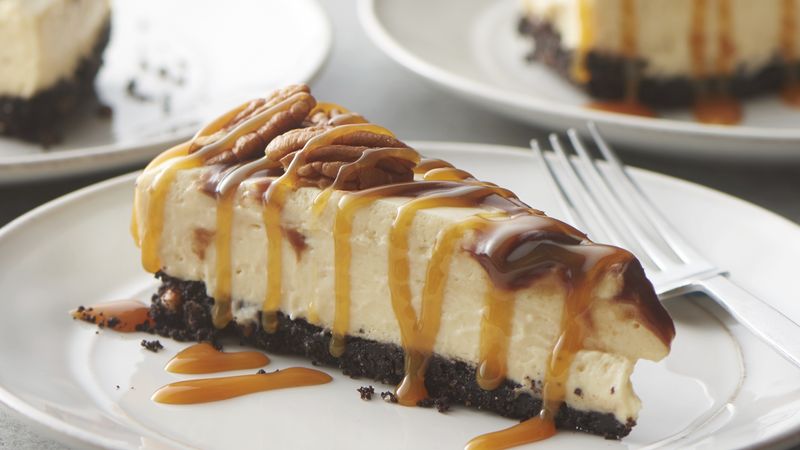
Cannoli Cake Recipe: Cannoli cake is a show-stopping dessert that takes all the flavors of the traditional Italian cannoli and transforms them into a beautiful, layered cake. Imagine soft, moist sponge cake layers, each filled with a luscious ricotta-cream mixture studded with chocolate chips, citrus zest, and hints of cinnamon. Every bite delivers the essence of a classic cannoli, but in a grander, more elegant form that’s perfect for celebrations.
Unlike the original cannoli pastry, which requires delicate frying and shaping of shells, cannoli cake offers a simpler way to enjoy these flavors without the extra labor. It’s the best of both worlds—rich, creamy filling and tender cake layers that practically melt in your mouth.
This dessert works for birthdays, weddings, holidays, and casual gatherings alike. The presentation alone is enough to make guests’ eyes widen in delight. The cake’s versatility means you can decorate it traditionally with powdered sugar and pistachios, or go all out with chocolate drizzles and candied fruits.
By following this guide, you’ll learn how to create a bakery-quality cannoli cake at home. We’ll cover everything—from selecting ingredients and prepping your kitchen to mastering the perfect filling and decoration. By the end, you’ll be able to confidently serve this masterpiece, knowing it tastes just as good as it looks.
What is Cannoli Cake?
Cannoli cake is essentially a layered sponge or pound cake that incorporates the signature filling of an Italian cannoli. Instead of a crispy shell, you have tender cake layers acting as the “container” for the filling. The ricotta-based cream inside is often flavored with vanilla, orange zest, or cinnamon, and sometimes includes mascarpone for added richness. Mini chocolate chips and crushed pistachios add both texture and flavor.
Unlike a standard cream-filled cake, cannoli cake stands out for its unique flavor profile. The filling isn’t overly sweet, which makes it lighter on the palate while still delivering indulgence. Many bakers also add a hint of liqueur—such as Marsala wine or amaretto—for an authentic Italian twist.
This cake is ideal for people who love cannoli but prefer a dessert that’s easier to serve and share. It also eliminates the time-sensitive nature of crispy cannoli shells, which can lose their crunch when filled in advance.
History and Origin of Cannoli-Inspired Desserts
Cannoli originated in Sicily, where they were traditionally made during Carnival season as a symbol of festivity and abundance. Over time, the dessert became a staple in Italian bakeries worldwide. The combination of ricotta, sugar, and flavorings was too good to be confined to pastry shells, inspiring creative adaptations—like the cannoli cake.
The concept of transforming traditional desserts into cakes is not new, but cannoli cake became especially popular in Italian-American communities. Bakeries in New York, New Jersey, and Boston began offering it as a wedding or holiday dessert. The appeal lay in its ability to feed a crowd while retaining the essence of the beloved cannoli.
Today, cannoli cakes are found in bakeries across the globe. Recipes vary from ultra-traditional with only ricotta filling to modern versions with buttercream, chocolate ganache, and layered garnishes. This recipe stays true to the spirit of the original while making it approachable for home bakers.
Why Cannoli Cake is Perfect for Any Occasion
One of the best things about cannoli cake is its flexibility. You can make it as a casual sheet cake for a family dinner or as an elaborate multi-tiered centerpiece for a wedding. The mild sweetness of the ricotta cream makes it appealing even to those who find most cakes too sugary.
It’s also a dessert that can be prepared in advance. The flavors actually improve after a few hours in the fridge, as the filling has time to meld with the cake layers. This makes it ideal for events where you need to minimize last-minute stress.
For holiday tables, cannoli cake adds a festive touch with its vibrant garnishes—pistachios, cherries, and chocolate. For birthdays, you can customize flavors, swap in chocolate cake layers, or infuse the filling with different extracts. The possibilities are endless, which is why once you master this recipe, you’ll keep coming back to it for every special occasion.
Ingredients for the Perfect Cannoli Cake
The secret to an unforgettable cannoli cake lies in the ingredients. While some substitutions are possible, using fresh, high-quality components will make all the difference in flavor and texture.
Core Ingredients for the Cake Layers
- All-purpose flour – Creates the structure of the cake. For a softer texture, you can substitute part with cake flour.
- Baking powder & baking soda – Essential for a light, fluffy rise.
- Unsalted butter – Adds richness and moisture.
- Granulated sugar – Sweetens and helps tenderize the crumb.
- Eggs – Bind the batter and add richness.
- Whole milk – Keeps the cake moist and tender.
- Vanilla extract – Enhances the flavor without overpowering the filling.
When baking the cake, aim for a balance between firmness (so the layers can hold the filling) and softness (for that melt-in-the-mouth feel). A sturdy sponge or pound cake recipe works best.
Cannoli Filling Essentials
- Whole milk ricotta cheese – The star of the show; drain it well to avoid a watery filling.
- Mascarpone cheese – Adds creamy smoothness and richness.
- Powdered sugar – Sweetens without grittiness.
- Vanilla extract – For depth of flavor.
- Mini chocolate chips – For that authentic cannoli texture.
- Orange zest or lemon zest – Brightens the flavor.
- Ground cinnamon – Optional but adds warmth.
The filling should be creamy but thick enough to hold its shape between layers. Draining the ricotta overnight in cheesecloth is a key step to avoid a runny texture.
Optional Ingredients for Extra Flavor
- Marsala wine or amaretto – Adds an Italian flair.
- Candied orange peel – For a traditional garnish.
- Crushed pistachios – Adds crunch and visual appeal.
- Chocolate shavings or ganache – For a richer presentation.
These extras aren’t mandatory, but they elevate the cake from delicious to unforgettable.
Tools and Equipment You’ll Need
Having the right tools makes the process much smoother and ensures professional results.
Baking Tools
- Two or three 8-inch round cake pans
- Parchment paper for lining pans
- Measuring cups and spoons for accuracy
- Digital kitchen scale for precision
Mixing and Decorating Tools
- Electric mixer or stand mixer for beating batter and whipping filling
- Rubber spatulas for folding ingredients
- Offset spatula for smooth frosting application
- Cake turntable for even decoration
Storage and Serving Essentials
- Cake stand for presentation
- Cake carrier for transport
- Plastic wrap for keeping leftovers fresh
Step-by-Step Guide to Making Cannoli Cake
This section walks you through each stage—from batter to beautifully assembled dessert.
Preparing the Cake Batter
Start by preheating your oven to 350°F (175°C). Grease and line your cake pans with parchment paper. Cream the butter and sugar together until pale and fluffy, then beat in the eggs one at a time. Mix dry ingredients separately, then alternate adding them with the milk to the butter mixture. Finish with vanilla extract.
Divide the batter evenly into your prepared pans and smooth the tops. This ensures the cake layers bake evenly.
Baking the Cake Layers
Place the pans in the center of the oven and bake for 25–30 minutes, or until a toothpick inserted in the center comes out clean. Cool the cakes in the pans for 10 minutes before transferring them to a wire rack.
Once cooled completely, wrap them in plastic wrap and refrigerate for at least an hour before assembling—this prevents crumbs from mixing into the filling.
Making the Cannoli Filling
Drain ricotta overnight in the fridge. In a mixing bowl, combine ricotta and mascarpone, beating until smooth. Add powdered sugar, vanilla, zest, and cinnamon. Fold in chocolate chips gently. Keep the filling refrigerated until you’re ready to assemble.
Assembling the Cake
Place one cake layer on your stand. Spread a generous amount of filling evenly. Repeat with the second layer, then top with the final layer of cake. Cover the outside with more filling or a light mascarpone frosting.
Decorating Your Cannoli Cake
A well-decorated cannoli cake is as delightful to look at as it is to eat. Traditional decorations include a dusting of powdered sugar, crushed pistachios along the sides, and mini chocolate chips around the base.
Tips for the Best Cannoli Cake
Creating the perfect cannoli cake isn’t just about following a recipe—it’s about understanding the little tricks that make it truly unforgettable. Whether you’re a seasoned baker or a beginner, these tips will help ensure your cake comes out bakery-quality every time.
Avoiding Common Mistakes
1. Not Draining the Ricotta Properly
This is the number one cause of runny filling. Ricotta naturally contains a lot of moisture, and if you skip draining, the excess liquid will seep into your cake layers, making them soggy. Wrap ricotta in cheesecloth, place it in a fine-mesh strainer over a bowl, and let it drain in the fridge for at least 8 hours or overnight.
2. Overbaking the Cake Layers
A dry cake can ruin the entire experience. To avoid this, check your cake at the earliest suggested baking time. If the toothpick comes out with just a few moist crumbs, it’s ready. Remember that cakes continue to cook slightly as they cool.
3. Overmixing the Batter
While you want your ingredients fully incorporated, overmixing can make your cake dense and tough. Mix until just combined, especially after adding the flour.
4. Assembling While Warm
If you try to stack and frost warm cake layers, the filling will melt and spill out. Always let the cake chill before assembly.
Flavor Boosting Secrets
1. Add a Splash of Liqueur
Marsala wine, amaretto, or even limoncello can be brushed onto each cake layer for a subtle depth of flavor.
2. Toast the Nuts
If you’re using pistachios or almonds, toasting them lightly enhances their aroma and flavor.
3. Use Fresh Citrus Zest
Bottled citrus flavoring just can’t compare to the brightness of fresh orange or lemon zest.
4. Mix Textures
Pair smooth filling with a little crunch—mini chocolate chips, candied fruit bits, or even crushed cannoli shells pressed into the sides of the cake can add an exciting texture contrast.
Variations of Cannoli Cake
The beauty of cannoli cake is that it’s incredibly adaptable. Once you’ve mastered the classic version, you can play around with flavors, formats, and dietary needs.
Chocolate Cannoli Cake
For chocolate lovers, swap the traditional vanilla sponge with rich chocolate cake layers. Keep the classic ricotta filling, but add cocoa powder for a subtle chocolate undertone. For an extra indulgent touch, pour chocolate ganache over the finished cake, letting it drip down the sides for that irresistible glossy finish.
You can also mix chocolate chips directly into the batter for pockets of melted chocolate throughout.
Mini Cannoli Cupcakes
Perfect for parties and easy serving, cannoli cupcakes give you all the flavor of the cake in bite-sized form. Use your favorite cupcake recipe for the base, fill each cupcake with a small scoop of cannoli filling, and pipe a mascarpone frosting swirl on top. Garnish with a sprinkle of crushed pistachios or a mini cannoli shell for presentation.
These are ideal for events where guests may not want a full cake slice but still want to taste something special.
Gluten-Free & Vegan Options
- Gluten-Free: Use a high-quality gluten-free flour blend in place of all-purpose flour. Ensure all other ingredients (like baking powder) are certified gluten-free.
- Vegan: Replace ricotta with a smooth, plant-based ricotta alternative (made from almonds or tofu). Use dairy-free chocolate chips and plant-based butter and milk for the cake layers. For mascarpone, you can whip coconut cream with a touch of lemon juice and vanilla for a similar texture.
These variations ensure everyone can enjoy cannoli cake, regardless of dietary needs.
Pairing Ideas for Cannoli Cake
Pairing your dessert with the right beverage or side treat can enhance the overall dining experience.
Drinks that Complement the Flavors
1. Espresso or Cappuccino
The bold bitterness of espresso balances the sweetness of the cake perfectly, while cappuccino adds a creamy, comforting note.
2. Dessert Wine
A glass of Vin Santo, Moscato d’Asti, or sweet Marsala pairs wonderfully with the creamy filling.
3. Herbal Tea
Chamomile or orange blossom tea complements the citrus notes in the filling without overpowering them.
4. Limoncello
Served chilled, this Italian liqueur mirrors the cake’s bright citrus flavor and adds a refreshing aftertaste.
Perfect Side Treats
1. Biscotti
For a little crunch alongside your cake, serve almond or pistachio biscotti on the dessert table.
2. Fresh Berries
Strawberries, raspberries, or blueberries add a tart, fresh contrast to the creamy filling.
3. Gelato
A scoop of vanilla bean or pistachio gelato makes the dessert even more luxurious.
4. Chocolate-Dipped Fruit
Orange slices or strawberries dipped in dark chocolate provide a sweet-bitter pairing that ties beautifully with the cake’s flavors.
Storing and Preserving Cannoli Cake
One of the great things about cannoli cake is that it can be prepared ahead of time without losing its appeal. In fact, allowing the cake to rest for several hours—or even overnight—lets the flavors meld together beautifully. Still, storage is key to maintaining texture and freshness.
Refrigeration Tips
Since cannoli filling is made with dairy (ricotta, mascarpone), refrigeration is non-negotiable. Once your cake is assembled:
- Wrap it properly: Lightly cover the cake with plastic wrap to prevent it from absorbing fridge odors while still allowing for minimal air circulation to avoid condensation.
- Use a cake carrier: If you have one, this is the best way to keep your cake fresh without smudging decorations.
- Consume within 3–4 days: While the cake may still be safe to eat after that, the texture of the filling will begin to loosen, and the flavor won’t be as vibrant.
If you’ve made the filling in advance but haven’t assembled the cake yet, store the filling in an airtight container in the fridge for up to 3 days. Keep the cake layers wrapped separately at room temperature for up to 24 hours, or in the fridge for longer storage.
Freezing Instructions
Cannoli cake can be frozen, but there are a few things to keep in mind to preserve its texture:
- Best to freeze components separately: Freeze the cake layers (wrapped in plastic and aluminum foil) for up to 2 months. Freeze the filling in an airtight container for up to 1 month.
- Avoid freezing a fully assembled cake: While possible, the ricotta filling can become slightly grainy when thawed. If you must freeze the whole cake, wrap it tightly and thaw in the fridge overnight before serving.
- Decorate after thawing: Save garnishes like pistachios, chocolate chips, or powdered sugar for just before serving so they remain crisp and fresh-looking.
Common Questions About Cannoli Cake
Even with a step-by-step recipe, bakers often have small but important questions. Here are answers to the most frequent ones.
Shelf Life and Freshness
Q: How long can cannoli cake sit out?
A: No more than 2 hours at room temperature, due to the dairy-based filling. If serving at a party, consider keeping it in the fridge until just before dessert time.
Q: Can I make cannoli cake a day in advance?
A: Absolutely. In fact, this can enhance the flavor as the cake layers absorb some of the filling’s richness.
Q: Will the filling make the cake soggy?
A: If your ricotta is well-drained and the cake is stored properly, sogginess won’t be an issue for the first 3–4 days.
Substitutions for Hard-to-Find Ingredients
Q: What if I can’t find mascarpone?
A: You can substitute it with cream cheese for a slightly tangier flavor, or blend cream cheese with heavy cream for a smoother texture.
Q: Can I use pre-grated orange zest from a jar?
A: You can, but the flavor won’t be as bright. Fresh zest is always best.
Q: Is it okay to use part-skim ricotta?
A: Full-fat ricotta is preferred for richness, but part-skim can work if it’s well-drained and you compensate with a little extra mascarpone.
Conclusion
Cannoli cake is the perfect fusion of traditional Italian flavors and the elegance of a layered cake. From the creamy ricotta filling to the soft, moist sponge, every bite is a little celebration on its own. Whether you’re baking it for a wedding, a holiday, or a simple Sunday gathering, this cake has the power to wow guests and satisfy cravings.
What makes cannoli cake truly special is its versatility. You can stick to the authentic flavor profile with ricotta, orange zest, and chocolate chips, or put your own spin on it with chocolate layers, liqueur infusions, or decorative elements that reflect your personal style. It’s a dessert that’s as fun to make as it is to eat.
Now that you’ve mastered the step-by-step process, there’s no reason to wait for a special occasion—any day can be a reason to bake this Italian-inspired masterpiece. Get your ingredients ready, follow the tips, and treat yourself and your loved ones to a cake that feels like it came straight from a bakery in the heart of Sicily.