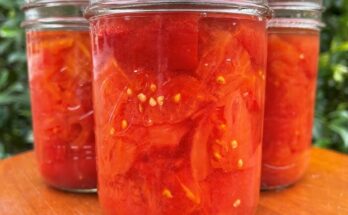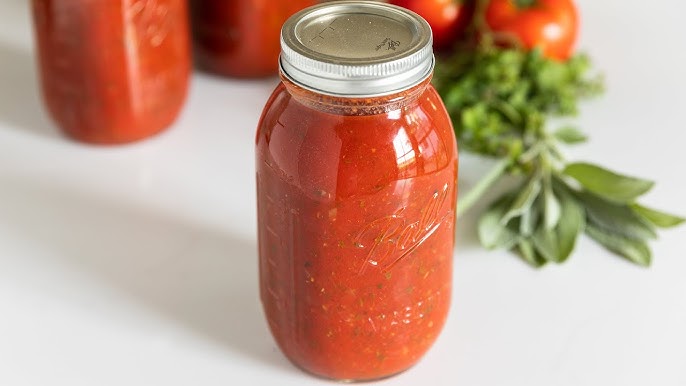
Canned Tomato Sauce Recipe: There’s something deeply satisfying about lining up jars of freshly made canned tomato sauce on your kitchen counter. It’s more than just food preservation—it’s about capturing summer in a jar. When tomatoes are at their peak—ripe, juicy, and bursting with flavor—that’s the perfect moment to transform them into a rich, versatile sauce you can enjoy all year long. Whether you grow your own tomatoes or grab a bushel from the farmer’s market, canning your own sauce is a rewarding culinary ritual.
Homemade tomato sauce isn’t just about taste. It’s about control. You decide the salt level, the herbs, the thickness, and the overall flavor profile. No preservatives. No hidden sugars. No mysterious additives. Just pure, wholesome ingredients simmered to perfection. And let’s be honest—once you’ve tasted a spoonful of slow-cooked, home-canned sauce, it’s hard to go back to store-bought.
In this professional guide, you’ll learn exactly how to make and preserve homemade tomato sauce safely and efficiently. From selecting the right tomatoes to sterilizing jars and sealing them correctly, every step is covered in detail. If you’ve ever felt intimidated by canning, don’t worry. Think of it as following a well-organized recipe with a few extra safety steps. By the end, you’ll feel confident enough to make batch after batch.
Ready to turn fresh tomatoes into pantry gold? Let’s dive in.
Why Choose Homemade Tomato Sauce Over Store-Bought
If you walk down any grocery aisle, you’ll see shelves packed with jars and cans of tomato sauce. So why go through the effort of making your own? The answer is surprisingly simple: quality, flavor, and control. Store-bought sauces are convenient, yes—but they’re often loaded with added sugars, excessive sodium, and preservatives designed to extend shelf life rather than enhance taste.
When you prepare your own canned tomato sauce recipe, you become the master of your ingredients. Want it thicker? Simmer it longer. Prefer it herb-forward? Add more basil and oregano. Trying to cut back on salt? You decide exactly how much goes in. This level of customization makes a world of difference, especially if you cook frequently.
Another major advantage is seasonality. Fresh, in-season tomatoes are naturally sweeter and more flavorful than the processed tomato paste often used in commercial products. According to agricultural data, tomatoes harvested at peak ripeness can contain significantly higher natural sugar content, resulting in a richer and more balanced sauce.
There’s also a nostalgic and emotional aspect. Canning has been a tradition passed down through generations. It connects you to old-world cooking methods while providing practical benefits in the modern kitchen. Instead of relying on mass production, you create something authentic and handcrafted.
Once you experience the depth of flavor in homemade sauce, the question shifts from “Why should I make it?” to “Why didn’t I start sooner?”
Superior Flavor and Freshness
Flavor is where homemade tomato sauce truly shines. Fresh tomatoes, especially varieties like Roma or San Marzano, bring natural sweetness and vibrant acidity that processed sauces often lack. When you cook them slowly, the sugars caramelize gently, and the flavors concentrate into something rich and deeply satisfying.
Think of it like the difference between freshly brewed coffee and instant coffee. Both technically do the job, but the experience is entirely different. With homemade sauce, you taste the layers—bright tomato notes, subtle herbal undertones, and a balanced acidity that doesn’t overpower your palate.
Another factor is freshness. Store-bought sauces are often produced months before you purchase them. Homemade canned sauce, on the other hand, is preserved at its peak. The moment your tomatoes are harvested, you cook and seal them, locking in their natural vibrancy. Properly canned jars maintain that freshness for up to a year without sacrificing quality.
You also control the cooking process. Want a slow, eight-hour simmer for extra depth? Go for it. Prefer a lighter, fresher taste? Keep it shorter. Commercial operations optimize for efficiency, not nuance. At home, nuance is your secret weapon.
When you open a jar of your own sauce in the middle of winter and the aroma fills the kitchen, you’ll understand why so many home cooks swear by this method. It’s not just sauce—it’s flavor preserved at its peak.
Cost-Effectiveness and Control Over Ingredients
Let’s talk numbers. Buying premium, organic tomato sauce regularly can add up quickly. However, purchasing tomatoes in bulk during peak season—when prices are lower—can significantly reduce your cost per jar. If you grow your own tomatoes, the savings are even more dramatic.
Bulk buying during harvest season is a smart strategy. Farmers often offer discounts for large quantities, especially when tomatoes are abundant. By investing a few hours in preparation and canning, you can create a pantry stocked with affordable, high-quality sauce for months.
Beyond cost savings, ingredient control is a major advantage. Many commercial sauces contain added sugar to mask acidity. Others are high in sodium. When you prepare your own canned tomato sauce, you eliminate unwanted additives. You decide whether to include garlic, onions, olive oil, or keep it completely plain for versatile use.
Dietary restrictions? No problem. Gluten-free, low-sodium, keto-friendly—your sauce can align with your nutritional goals effortlessly. This flexibility makes homemade sauce a healthier and more practical long-term option.
Ultimately, it’s about empowerment. Instead of adapting to what’s available on store shelves, you create a product tailored to your taste and health preferences. That level of control is priceless.
Ingredients You’ll Need
Before diving into the cooking process, let’s gather everything required for a classic canned tomato sauce recipe. The beauty of this recipe lies in its simplicity. At its core, tomato sauce requires very few ingredients. However, quality matters more than quantity.
Core Ingredients for Classic Tomato Sauce
Here’s what you’ll need:
- Fresh ripe tomatoes (Roma or San Marzano preferred)
- Bottled lemon juice or citric acid (for safe acidity levels)
- Salt (optional but recommended for flavor)
- Onion (optional for depth)
- Garlic (optional but traditional)
Tomatoes are, of course, the star. Roma tomatoes are popular because they contain fewer seeds and less water, resulting in a thicker sauce. San Marzano tomatoes are often considered the gold standard due to their balanced sweetness and low acidity.
Acidity is crucial in home canning. Adding bottled lemon juice ensures the sauce reaches a safe pH level for water bath canning. This step isn’t about flavor—it’s about food safety. Always use commercially bottled lemon juice for consistent acidity levels.
Salt enhances flavor and acts as a mild preservative, though it’s not required for safety. Onion and garlic bring aromatic depth, transforming basic tomato puree into a more complex sauce.
Using fresh, high-quality ingredients is the foundation of professional-level results. When the base is strong, the final product speaks for itself.
Optional Additions for Enhanced Flavor
Once you’ve mastered the basic sauce, you can experiment with flavor enhancements. Herbs like fresh basil, oregano, thyme, and bay leaves can add dimension. A drizzle of olive oil introduces richness, while a pinch of sugar can balance overly acidic tomatoes.
Some cooks enjoy adding carrots for natural sweetness. Others include crushed red pepper flakes for subtle heat. The key is moderation. Since the sauce will be canned and stored, you want flavors that remain stable over time.
Keep in mind that strong herbs may intensify during storage. If you’re unsure, it’s safer to can a simple base sauce and add herbs later when cooking a specific dish. This approach keeps your canned sauce versatile—perfect for pasta, pizza, soups, or casseroles.
The beauty of homemade sauce lies in its adaptability. You can keep it classic or personalize it to match your culinary style. Either way, starting with quality tomatoes ensures a delicious result.
Essential Equipment for Canning Tomato Sauce
Canning isn’t complicated, but it does require specific tools to ensure safety and efficiency. Think of it like building something sturdy—you need the right equipment to get professional results.
Specialized Canning Tools
To safely preserve your homemade tomato sauce, you’ll need:
- Water bath canner or large stockpot with rack
- Mason jars (pint or quart size)
- New canning lids and bands
- Jar lifter
- Funnel
- Bubble remover or non-metal spatula
A water bath canner is essentially a deep pot that allows jars to be fully submerged in boiling water. The rack prevents jars from touching the bottom, ensuring even heat circulation. Mason jars are specifically designed to withstand high temperatures during processing.
Using new lids is critical because the sealing compound ensures an airtight closure. Reusing old lids can result in failed seals, compromising food safety. A jar lifter makes handling hot jars safer and more controlled, reducing the risk of burns.
Proper tools streamline the process and reduce stress. When everything is within reach and designed for the task, canning feels organized rather than overwhelming.
Basic Kitchen Equipment
In addition to canning tools, you’ll need standard kitchen equipment to prepare the sauce itself. A large heavy-bottomed pot is essential for simmering tomatoes evenly without scorching. Stainless steel is ideal because it doesn’t react with acidic ingredients.
A sharp knife and cutting board are necessary for prepping tomatoes and aromatics. If you prefer a smoother sauce, a food mill, immersion blender, or standard blender will help achieve your desired texture. Some cooks even use a sieve to remove seeds and skins for an ultra-silky finish.
Having measuring spoons ensures accurate acidity adjustments. Clean kitchen towels are helpful for wiping jar rims before sealing, which improves lid adhesion.
When your workspace is organized and your tools are ready, the process becomes smoother and far more enjoyable. Preparation sets the stage for success in every professional kitchen—and your home kitchen is no exception.
Step-by-Step Guide to Making and Canning Tomato Sauce
Now that your ingredients and equipment are ready, it’s time to walk through the complete step-by-step canned tomato sauce process. This is where everything comes together. Take your time here.
Step 1 – Selecting and Preparing the Tomatoes
Start with ripe, firm, and flavorful tomatoes. Roma tomatoes are a great choice because they have less water and more flesh, which helps create a thicker sauce. Wash the tomatoes well, remove any bruised spots, and cut out the stems. For a smoother sauce, blanch them in boiling water for about 30 to 60 seconds, then transfer them to cold water so the skins slide off easily.
Step 2 – Cooking the Tomato Sauce
Chop the prepared tomatoes and place them in a large pot. Cook over medium heat, stirring often, until they soften and release their juices. At this stage, you can add salt, garlic, onion, or herbs if you want extra flavor. Let the mixture simmer until it begins to thicken. This slow cooking helps deepen the taste and removes excess moisture.
Step 3 – Blending and Adjusting Texture
Once the tomatoes are soft, blend the sauce using an immersion blender or standard blender. Blend until you get your preferred texture, whether smooth or slightly chunky. If the sauce feels too thin, continue simmering it until it reaches the consistency you like. Taste and adjust the seasoning carefully.
Step 4 – Sterilizing the Jars
Wash your jars, lids, and bands with hot soapy water. Then sterilize the jars by boiling them in water or heating them in the oven, depending on your preferred method. Keep the jars hot until you are ready to fill them. This helps reduce the risk of contamination.
Step 5 – Filling, Sealing, and Processing the Jars
Pour the hot tomato sauce into the hot sterilized jars, leaving about half an inch of headspace at the top. Wipe the rims clean, place the lids on, and screw the bands on until fingertip tight. Process the jars in a boiling water bath for the recommended time. Once done, remove the jars and let them cool completely. Check that each lid has sealed properly before storing.
Storage, Shelf Life, and Safety Tips
Properly processed canned tomato sauce can last 12 to 18 months when stored in a cool, dark environment. Ideal storage temperature ranges between 50°F and 70°F. Avoid direct sunlight or excessive heat, as both can degrade quality over time.
Always label jars with the date of canning. Rotate stock by using the oldest jars first. Before opening, inspect for signs of spoilage: bulging lids, leaking, unusual odors, or discoloration. If anything seems off, discard the jar without tasting.
Once opened, refrigerate and use within 5 to 7 days.
Food safety should never be compromised. Follow tested processing times and acidity guidelines exactly. When done correctly, home canning is both safe and rewarding.
Pro Tips for the Best Flavor and Texture
For deeper flavor, allow your sauce to simmer slowly rather than boiling aggressively. Slow reduction enhances sweetness and complexity.
Avoid over-seasoning before canning. It’s better to keep the base versatile and adjust herbs when preparing meals later.
If you want ultra-thick sauce, consider draining excess tomato juice before cooking. You can save the juice for soups or Bloody Mary mix.
Finally, make canning a seasonal ritual. Gather friends or family, turn on music, and treat it like a celebration of harvest. It transforms a kitchen task into a meaningful tradition.
FAQs about Canned Tomato Sauce Recipe
1. What tomatoes are best for canned tomato sauce?
Roma tomatoes are often the best choice because they are meaty, less watery, and cook down into a rich sauce. Even so, other ripe tomatoes can work well if they are fresh and flavorful.
2. Do I need to peel the tomatoes first?
Yes, peeling is recommended for a smoother sauce. It also improves the final texture and helps remove tough skins that may not break down fully during cooking.
3. How do I make the sauce thicker?
Let the sauce simmer longer so extra water evaporates. You can also use paste tomatoes, which naturally produce a thicker sauce with less cooking time.
4. Do I need to sterilize jars before canning?
Yes, jars should be cleaned and sterilized before filling. Using hot, clean jars helps reduce contamination and supports safe storage.
5. How long does canned tomato sauce last?
When properly sealed and stored in a cool, dark place, canned tomato sauce can last up to 12 months. Once opened, keep it in the refrigerator and use it within a few days.
Conclusion
Making your own canned tomato sauce is more than a recipe—it’s an investment in flavor, health, and self-sufficiency. From selecting ripe tomatoes to carefully sealing each jar, every step contributes to a final product that far surpasses anything on a supermarket shelf.
You gain control over ingredients, save money during peak season, and enjoy the unmatched taste of fresh tomatoes all year long. With proper preparation and attention to safety, the process becomes straightforward and deeply rewarding.
The next time you twist open a jar of your homemade sauce and pour it over pasta or spread it on pizza dough, you’ll taste the difference immediately. Rich, vibrant, and crafted by your own hands—that’s the power of home canning.