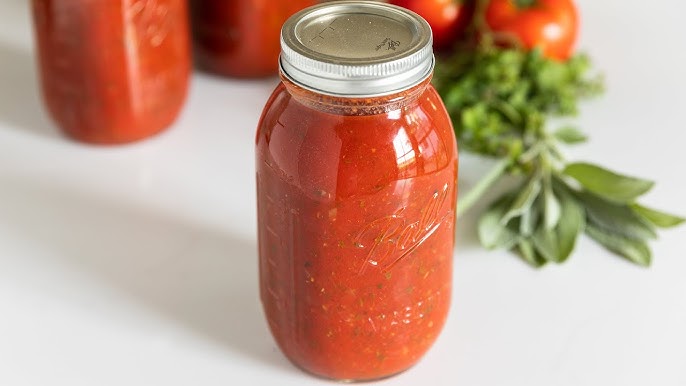
Canned Spaghetti Sauce Recipe: There’s something deeply satisfying about lining up jars of rich, ruby-red homemade canned spaghetti sauce in your pantry. It feels like bottling summer itself. Instead of relying on store-bought sauces loaded with preservatives and excess sodium, you can craft a flavorful, wholesome sauce tailored to your taste. And here’s the best part—you control every ingredient.
Homemade canning isn’t just about food; it’s about self-sufficiency and flavor. According to food preservation experts, properly canned tomato products can last up to 12–18 months when stored correctly. That means one productive afternoon in the kitchen can reward you with months of ready-to-use pasta sauce.
If you’ve ever wondered whether making your own canned spaghetti sauce is worth the effort, the answer is a confident yes. The depth of flavor, the ability to customize spices, and the cost savings over time make it an unbeatable kitchen project.
Let’s walk step by step through everything you need to know—from ingredients to safe storage—so you can confidently create your own batch of rich, delicious spaghetti sauce.
Why Make Your Own Canned Spaghetti Sauce?
Making your own canned spaghetti sauce may seem like a time-consuming task, but it pays off in flavor, nutrition, and convenience. Think of it as a culinary investment. When you make sauce from scratch, you’re layering fresh tomatoes, garlic, herbs, and spices into something vibrant and alive—nothing like the flat, overly sweet taste of many store-bought options.
Commercial sauces often contain added sugars, stabilizers, and high levels of sodium. By preparing your own, you eliminate unnecessary additives. You also get to adjust the texture—chunky or smooth—and tweak the seasoning to match your family’s preferences.
There’s also a strong emotional element involved. Canning has a nostalgic feel to it. It connects you to traditional cooking methods passed down for generations. When you open a jar months later, you’re not just heating sauce—you’re revisiting the moment you made it.
And practically speaking, bulk canning saves time during busy weeknights. Instead of scrambling to cook from scratch, you simply open a jar and dinner is halfway done.
Health Benefits of Homemade Sauce
When you prepare homemade spaghetti sauce for canning, you gain full control over the nutritional profile. Fresh tomatoes are naturally rich in lycopene, a powerful antioxidant linked to heart health and reduced inflammation. Interestingly, cooked tomatoes increase lycopene absorption, making canned sauce surprisingly nutritious.
Store-bought sauces often hide excessive salt and sugar. Some popular brands contain over 400–600 mg of sodium per serving. That adds up quickly. By contrast, homemade sauce allows you to regulate sodium levels and eliminate added sugars entirely.
You can also choose organic tomatoes and fresh herbs, minimizing pesticide exposure. Want to add grated carrots for natural sweetness? Go ahead. Prefer olive oil over cheaper vegetable oils? You’re in charge.
For families with dietary sensitivities, homemade sauce eliminates hidden allergens. Gluten-free? Low-carb? Keto-friendly? You can adjust ingredients without compromise.
Cost Savings and Long-Term Convenience
At first glance, buying tomatoes in bulk might seem expensive. But when tomatoes are in peak season, prices drop significantly. Purchasing 20–30 pounds of tomatoes at once can yield multiple jars of sauce at a fraction of store prices.
A single high-quality jar of pasta sauce can cost $6–$10. Multiply that by weekly meals, and the numbers climb quickly. Homemade batches often cut costs nearly in half.
Then there’s convenience. Having a shelf stocked with ready-to-use sauce means fewer grocery trips. It also reduces food waste since preserved tomatoes last much longer than fresh ones.
In short, canning spaghetti sauce is both economically smart and time-efficient.
Ingredients You’ll Need
The beauty of a great canned spaghetti sauce recipe lies in its simplicity. Quality ingredients create extraordinary flavor. Fresh, ripe tomatoes are the heart of this recipe. Roma or plum tomatoes work best because they contain less water and more pulp.
Core Ingredients
- 25 pounds ripe Roma tomatoes
- 1/4 cup olive oil
- 3 large onions, finely chopped
- 8 cloves garlic, minced
- 2 tablespoons salt (adjust to taste)
- 2 tablespoons dried basil
- 1 tablespoon dried oregano
- 2 teaspoons black pepper
- Bottled lemon juice (for acidity adjustment)
Tomatoes provide body and sweetness. Garlic and onion build aroma. Basil and oregano bring that classic Italian depth. Olive oil carries flavor and adds richness.
Optional Add-Ins for Flavor Variations
Want to elevate your sauce? Consider adding:
- Crushed red pepper flakes for heat
- Grated carrots for natural sweetness
- Mushrooms for earthy depth
- Bay leaves during simmering
- A splash of red wine for complexity
The key is balance. Each ingredient should support the tomatoes—not overpower them.
Essential Equipment for Canning Spaghetti Sauce
Canning requires proper tools to ensure safety. At minimum, you’ll need mason jars, new lids, bands, a large stockpot, jar lifter, funnel, and either a water bath canner or pressure canner.
Safety is non-negotiable. Tomatoes are acidic but may require additional lemon juice to maintain safe pH levels. According to the USDA, acidity levels must remain below 4.6 pH for safe water bath canning.
Investing in quality equipment makes the process smoother and safer.
Water Bath vs. Pressure Canner
For tomato-based spaghetti sauce without added meat, a water bath canner is typically sufficient when proper acidity is maintained. It’s simpler and widely used by home canners.
If you add vegetables that reduce acidity or include meat, a pressure canner becomes necessary. Pressure canning reaches higher temperatures, eliminating harmful bacteria like Clostridium botulinum.
For most classic tomato sauces, water bath canning works perfectly when following safety guidelines.
Preparing the Tomatoes
Preparation determines the final texture of your sauce. Start by washing tomatoes thoroughly. Remove stems and blemishes.
Blanch tomatoes in boiling water for 30–60 seconds, then transfer them into ice water. Skins will slip off easily. This step prevents tough peels in your finished sauce.
Peeling and Crushing Techniques
After peeling, cut tomatoes in halves or quarters. Remove excess seeds if desired. For chunkier sauce, crush tomatoes by hand. For smoother consistency, use a food mill or immersion blender.
Cooking down the tomatoes slowly concentrates flavor. Simmering evaporates excess water, thickening the sauce naturally without additives.
Patience here creates depth later.
Building Deep Flavor in Your Sauce
Flavor layering is everything. Start by sautéing onions in olive oil until translucent. Add garlic last to prevent burning. Once aromatic, incorporate crushed tomatoes.
Simmer gently for 1–2 hours, stirring occasionally. Slow cooking caramelizes natural sugars and deepens complexity.
Add herbs midway through cooking to preserve their aroma. Taste and adjust salt gradually.
Balancing Acidity for Safe Canning
Even if tomatoes taste acidic, safe canning requires added bottled lemon juice. Add 2 tablespoons per quart jar or 1 tablespoon per pint jar before sealing.
This ensures proper preservation and prevents spoilage.
Safety should always come first.
Step-by-Step Guide to Canning Spaghetti Sauce
Step 1 – Cooking the Sauce
Simmer prepared tomatoes with aromatics until thickened. Remove bay leaves if used. Keep sauce hot before filling jars.
Step 2 – Sterilizing Jars
Wash jars in hot, soapy water and sterilize in boiling water for 10 minutes. Keep warm until use.
Step 3 – Filling and Sealing
Add lemon juice to each jar. Ladle hot sauce into jars, leaving 1/2 inch headspace. Remove air bubbles. Wipe rims clean. Apply lids and bands fingertip tight.
Step 4 – Processing the Jars
Place jars in boiling water bath, ensuring water covers them by 1–2 inches. Process for 35–45 minutes depending on jar size and altitude. Remove and cool undisturbed for 12–24 hours.
Check seals before storing.
How to Store and Shelf Life Expectations
Store sealed jars in a cool, dark place between 50–70°F. Properly processed jars last up to 18 months, though best quality is within one year.
Avoid direct sunlight, which can degrade flavor and color.
Always inspect jars before use. If lid bulges or smells off, discard immediately.
Common Mistakes to Avoid
Skipping lemon juice, overfilling jars, under-processing, or using damaged lids can compromise safety. Rushing the simmering stage results in watery sauce.
Another common mistake? Not adjusting processing time for altitude. Higher elevations require longer processing.
Attention to detail ensures safe, flavorful results.
Creative Ways to Use Your Homemade Canned Sauce
Your canned spaghetti sauce isn’t limited to pasta. Use it for lasagna, pizza base, stuffed peppers, shakshuka, or even as a dipping sauce for garlic bread.
Blend it smooth for tomato soup or simmer with meatballs for a hearty dish. The versatility makes every jar a kitchen powerhouse.
FAQs about Canned Spaghetti Sauce Recipe
1. Can we use canned spaghetti sauce straight from the jar or can?
Yes. Canned spaghetti sauce is already cooked and ready to heat. We can use it as it is or improve the flavor with extra seasoning.
2. How can we make canned spaghetti sauce taste better?
We can enhance it with garlic, onions, olive oil, fresh herbs, black pepper, parmesan cheese, or cooked meat. A small pinch of sugar can also reduce acidity.
3. How long should we cook canned spaghetti sauce?
Usually, 10 to 20 minutes on low to medium heat is enough. Simmering helps the flavors blend and creates a richer taste.
4. Can we add ground beef or sausage to canned spaghetti sauce?
Yes. Adding ground beef, sausage, turkey, or meatballs makes the sauce heartier and more filling.
5. Is canned spaghetti sauce the same as pasta sauce?
They are very similar, but some spaghetti sauces are more specifically seasoned for spaghetti dishes. In many cases, the terms are used interchangeably.
6. Can we use canned spaghetti sauce for other recipes?
Yes. It works well in lasagna, baked pasta, pizza, casseroles, meatball dishes, and dipping sauces.
7. How do we store leftover spaghetti sauce?
After opening, transfer leftovers to an airtight container and refrigerate for up to 4 to 5 days.
8. Can we freeze canned spaghetti sauce?
Yes. We can freeze it in a sealed container for up to 3 months. Let it cool first before freezing.
9. Why does canned spaghetti sauce taste acidic?
Tomatoes are naturally acidic. We can balance the taste by adding a little sugar, cream, butter, or cheese.
Conclusion
Making your own canned spaghetti sauce is more than a recipe—it’s a skill that transforms your kitchen routine. From selecting ripe tomatoes to carefully processing jars, each step builds flavor and security. You save money, avoid preservatives, and create something deeply satisfying.
Once you taste homemade sauce months after canning it, you’ll understand the magic. It’s rich, balanced, and unmistakably yours.
Stock your pantry. Master the method. Enjoy the reward.