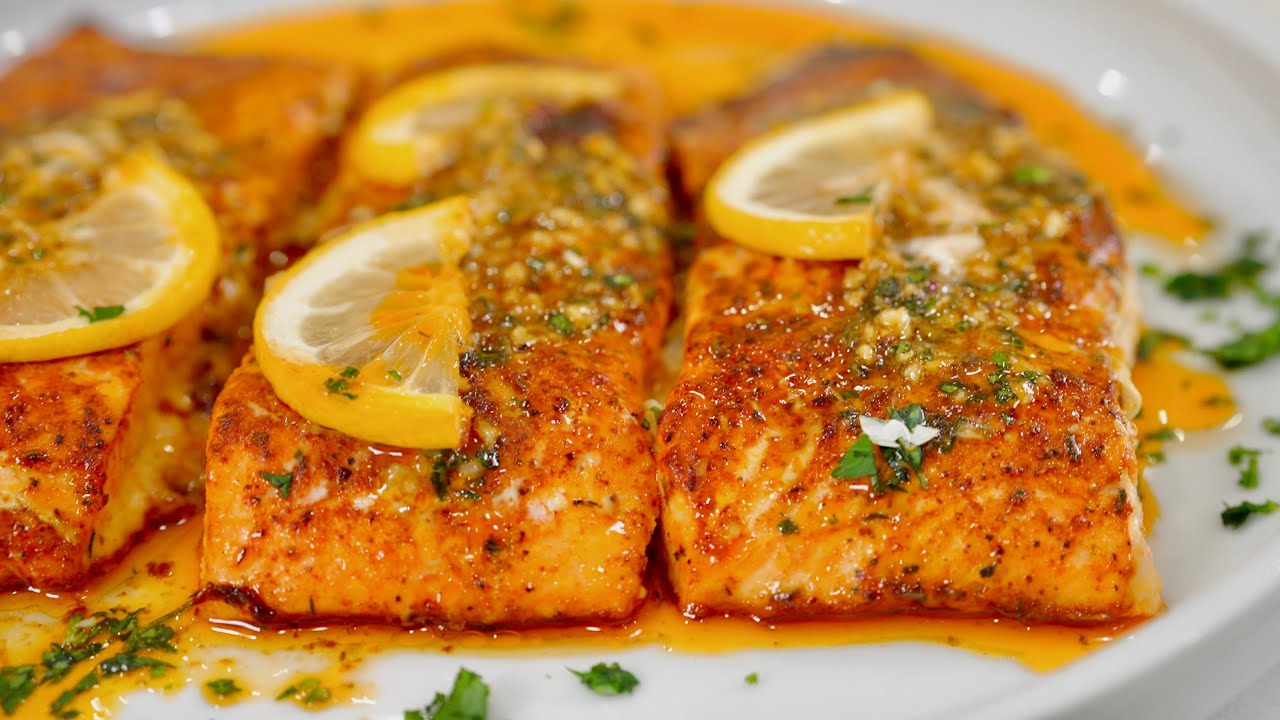
Cajun Salmon Recipe: If there’s one dish that can bring bold southern flavors right into your kitchen, it’s Cajun Salmon. This dish is smoky, spicy, and packed with flavor from a rich blend of Cajun spices. Whether you’re a salmon lover or just trying to jazz up your weekly meals, Cajun salmon is the perfect go-to recipe for a healthy, delicious, and protein-rich dish that cooks in under 30 minutes. With crispy edges, a juicy center, and a kick of heat that pairs perfectly with fresh herbs or a tangy citrus squeeze, this recipe will quickly become a favorite.
Let’s dive into the full breakdown and step-by-step guide to making the best Cajun salmon at home—restaurant quality, made in your own kitchen.
Why You’ll Love This Cajun Salmon
So, what makes this Cajun salmon recipe a winner?
- Quick & Easy – It takes less than 30 minutes from start to finish.
- Healthy – Salmon is rich in omega-3 fatty acids and high in protein.
- Versatile – You can cook it on the stovetop, in the oven, or even on the grill.
- Flavor Explosion – The Cajun spices bring depth and heat without overwhelming the dish.
- Great for Meal Prep – Leftovers taste just as good the next day!
Whether you’re cooking for yourself, family, or guests, Cajun salmon is a sure way to impress.
What is Cajun Seasoning?
Cajun seasoning is a bold and zesty spice mix that originated in Louisiana, inspired by French-Acadian cuisine. It typically includes:
- Paprika (often smoked)
- Garlic powder
- Onion powder
- Cayenne pepper
- Black pepper
- Oregano
- Thyme
- Salt
What makes Cajun seasoning special is its perfect balance of smoky, spicy, and earthy flavors. It’s not just “hot” – it’s deeply flavorful. You can buy pre-mixed Cajun seasoning from the store, but making your own gives you more control over the heat and flavor.
Health Benefits of Salmon
Salmon isn’t just delicious—it’s a nutritional powerhouse. Here’s why you should eat it more often:
- Rich in Omega-3 Fatty Acids: These healthy fats support brain health, heart health, and reduce inflammation.
- High in Protein: Helps build and repair muscles.
- Packed with Vitamins: Such as B12, D, and selenium.
- Low in Saturated Fat: Makes it a great choice for a heart-healthy diet.
By combining salmon with Cajun spices, you get a flavor-forward, health-conscious dish that doesn’t sacrifice taste.
List of Ingredients You’ll Need
Here’s everything you’ll need to make the perfect Cajun salmon:
Fresh Salmon Fillets
- Choose skin-on or skinless, depending on your preference.
- Wild-caught salmon has a firmer texture and deeper flavor than farm-raised.
Cajun Seasoning Blend
- Store-bought or homemade. Use about 1 to 1.5 teaspoons per fillet.
Olive Oil or Butter
- Helps to crisp the edges and adds richness.
Lemon or Lime Juice
- Adds brightness and cuts through the spice for balance.
Garlic (Minced or Powdered)
- Boosts the flavor and works great in a marinade or rub.
Optional Garnishes
- Fresh parsley, green onions, lemon slices, or a dollop of Greek yogurt or sour cream.
You probably already have most of these in your kitchen!
Essential Kitchen Tools for Cooking Cajun Salmon
You don’t need a fancy setup, but having the right tools helps:
- Cast iron skillet or non-stick frying pan
- Baking sheet (for oven method)
- Tongs or spatula
- Meat thermometer (optional but helpful)
- Small bowl for mixing spices
- Aluminum foil or parchment paper
These tools make the process smoother, faster, and more enjoyable.
How to Choose the Best Salmon for This Recipe
Not all salmon is created equal. For the best Cajun salmon:
- Go for Fresh, Not Frozen (if possible) – It cooks more evenly.
- Check the Color – A bright orange-pink means it’s fresh.
- Avoid Fishy Smell – Fresh salmon should smell clean, not strong.
- Thickness Matters – Thicker fillets are less likely to overcook.
Wild-caught Alaskan salmon is a great choice, but farm-raised can work too—just keep an eye on the cook time as it may be thinner.
Homemade Cajun Seasoning vs Store-Bought – Which One’s Better?
Here’s the deal—store-bought Cajun seasoning is convenient, but homemade gives you control.
Pros of Homemade Cajun Seasoning:
- Adjust the heat to your liking
- No preservatives or fillers
- Customize to your taste (more garlic, less salt, etc.)
Sample Homemade Cajun Seasoning Recipe:
| Spice | Amount |
|---|---|
| Paprika | 2 tsp |
| Garlic Powder | 1 tsp |
| Onion Powder | 1 tsp |
| Oregano | 1 tsp |
| Thyme | 1/2 tsp |
| Black Pepper | 1 tsp |
| Cayenne Pepper | 1/2 tsp |
| Salt | 1 tsp |
Mix and store in an airtight jar for up to 6 months.
Step-by-Step Guide: How to Make Cajun Salmon
Alright, let’s get cooking! Follow these steps for restaurant-quality Cajun salmon at home.
Step 1: Prepare the Salmon
Start with fresh salmon fillets. Pat them dry with paper towels to remove excess moisture—this helps the seasoning stick and gives a better sear. Lightly brush both sides with olive oil.
Step 2: Mix and Apply the Cajun Seasoning
In a small bowl, mix Cajun seasoning with a little paprika, garlic powder, black pepper, and a pinch of salt if needed. Sprinkle the seasoning generously over the salmon, pressing it gently so it adheres evenly.
Step 3: Let It Marinate (Optional)
For deeper flavor, let the seasoned salmon rest for 10–20 minutes at room temperature. This step is optional but helps the spices penetrate the fish.
Step 4: Heat the Skillet or Oven
Heat a non-stick or cast-iron skillet over medium-high heat with a small amount of oil, or preheat the oven to 200°C (400°F) if baking.
Step 5: Cook the Salmon
Place the salmon skin-side down in the hot skillet and cook for 4–5 minutes until the skin is crispy. Flip and cook for another 2–3 minutes until the fish flakes easily. For baking, cook for 12–15 minutes, depending on thickness.
Step 6: Add a Squeeze of Citrus and Serve
Remove from heat and finish with a squeeze of fresh lemon or lime juice to brighten the flavors. Serve hot with rice, vegetables, or a fresh salad for a bold and satisfying meal.
How to Bake Cajun Salmon (Alternative Method)
Not in the mood for stovetop cooking or just want a hands-off approach? Baking your Cajun salmon is just as delicious, and even easier—perfect for busy weeknights or meal prepping. Plus, the oven helps keep the salmon juicy while still delivering that crispy edge.
Steps to Bake Cajun Salmon:
- Preheat Your Oven to 400°F (200°C).
- Line a Baking Sheet with parchment paper or foil for easy cleanup.
- Place Salmon Fillets Skin Side Down on the baking sheet.
- Drizzle with Olive Oil and rub the Cajun seasoning evenly over each fillet.
- Bake for 12–15 minutes, depending on the thickness.
- A good rule of thumb: Bake for 10 minutes per inch of thickness.
- Broil for the Last 2 Minutes if you want that golden crust on top.
- Squeeze Fresh Lemon Juice over the top before serving.
Why Bake?
- It’s easier to manage multiple fillets at once.
- Less mess and no need to watch over the stove.
- Ideal for meal prep—just pop it in the oven and move on with your tasks.
Pro Tip: Use a thermometer and cook until the internal temp hits 125°F (for medium doneness). Salmon keeps cooking slightly after you remove it from the oven.
How to Grill Cajun Salmon for Extra Smokiness
Want that smoky charred flavor? Grilling is where it’s at. It takes Cajun salmon to the next level—especially in the summer months. Plus, it’s super quick and adds an irresistible texture.
Steps for Grilling Cajun Salmon:
- Preheat the Grill to medium-high heat (about 375–400°F).
- Oil the Grates or use a grill-safe mat to prevent sticking.
- Season the Salmon generously with your Cajun spice blend.
- Grill Skin-Side Down for 6–8 minutes.
- Flip Carefully and grill for another 2–4 minutes.
- Check for Doneness – flesh should flake easily with a fork.
Grilling Tips:
- Keep the lid closed to trap heat and cook evenly.
- Use a fish spatula for easy flipping.
- If using cedar planks, soak them in water for at least 30 minutes before placing them on the grill.
Grilled Cajun salmon is especially tasty with corn on the cob, grilled zucchini, or a chilled cucumber salad.
Best Side Dishes to Serve with Cajun Salmon
Looking for the perfect pairings? Cajun salmon is bold, so it goes well with cooling, creamy, or citrus-forward sides. Here are some ideas to complete your plate:
Classic & Easy:
- Garlic mashed potatoes
- Steamed rice or lemon butter rice
- Roasted vegetables (asparagus, bell peppers, zucchini)
Fresh & Light:
- Cucumber dill salad
- Arugula and avocado salad with citrus vinaigrette
- Coleslaw with a creamy or vinegar base
Southern-Inspired Favorites:
- Cajun corn on the cob
- Red beans and rice
- Buttermilk cornbread
These sides will balance the heat and elevate your dinner to a full-on flavor experience.
Tips for Perfect Cajun Salmon Every Time
Cooking salmon might seem intimidating, but once you get the hang of it, it’s really simple. Here are some tried-and-true tips for nailing it every time:
- Don’t Overcook It – This is the #1 mistake. Salmon should be moist, flaky, and just cooked through.
- Use a Thermometer – Aim for 125°F (medium) or 135°F (well done).
- Season Well – Don’t be shy with the Cajun spice; it should cover every bite.
- Let It Rest – Give it 2–3 minutes before slicing. This helps lock in the juices.
- Skin-Side Down First – If cooking on the stove or grill, always start with the skin side down.
Master these tips, and you’ll never have to order salmon at a restaurant again—you’ll do it better at home.
Mistakes to Avoid When Cooking Salmon
No matter how simple a recipe is, a few common missteps can ruin the final result. Let’s make sure you avoid them:
1. Cooking Straight from the Fridge
- Let your salmon sit at room temp for about 15 minutes before cooking. Cold fish in a hot pan = uneven cooking.
2. Skipping the Pat Dry
- Moisture on the fish surface prevents that crisp crust. Always pat dry with a paper towel.
3. Overcrowding the Pan or Grill
- Leave space between fillets so they cook evenly and get crispy edges.
4. Not Preheating the Pan or Oven
- A cold pan will steam the salmon instead of searing it. Always preheat for best results.
5. Forgetting the Acid
- Lemon or lime juice isn’t just garnish—it balances the spice and brightens the dish.
Avoid these mistakes, and you’ll be cooking like a pro in no time.
How to Store and Reheat Leftover Cajun Salmon
Leftovers? No problem. Cajun salmon keeps really well and can be used in a bunch of ways like wraps, salads, or rice bowls.
To Store:
- Place in an airtight container.
- Refrigerate for up to 3 days.
To Freeze:
- Wrap in foil or plastic wrap, then place in a freezer bag.
- Store for up to 2 months.
To Reheat:
- Microwave: Cover and heat on low power for 1–2 minutes.
- Oven: Bake at 275°F for about 10 minutes until warmed through.
- Skillet: Reheat over low heat with a bit of oil, covered.
Avoid overheating or it’ll turn dry and rubbery. Use leftovers in tacos, salads, or grain bowls for quick meals.
Is Cajun Salmon Spicy? How to Control the Heat
Cajun seasoning does bring heat—but it’s a warm, balanced kind of spice, not just “burn your mouth” hot. Still, if you’re sensitive to spice, here’s how to adjust:
To Reduce the Heat:
- Use less cayenne pepper in the mix.
- Add a pinch of brown sugar to balance the spice.
- Serve with cooling sides like yogurt sauce or cucumber salad.
To Crank It Up:
- Add extra cayenne or chili flakes.
- Mix in chipotle powder for smoky heat.
- Serve with hot sauce or spicy mayo.
Cajun salmon is easily adaptable. You’re in control of the heat, so make it suit your taste!
FAQs about Cajun Salmon Recipe
1. Can I use frozen salmon for this recipe?
Yes! Just make sure to thaw it completely and pat it dry before seasoning and cooking.
2. Is this recipe keto or low-carb?
Absolutely. Cajun salmon is naturally low in carbs and fits well into keto, paleo, and Whole30 diets.
3. Can I use a different type of fish?
Sure—try it with tilapia, cod, trout, or even shrimp. Just adjust the cook time as needed.
4. What should I do if I don’t have Cajun seasoning?
Mix up a quick homemade version using paprika, garlic powder, onion powder, cayenne, thyme, and salt.
5. How do I prevent salmon from sticking to the pan?
Use a non-stick pan or a well-oiled cast iron skillet, and let the fish cook undisturbed until it’s ready to flip.
Conclusion
This Cajun salmon recipe isn’t just about cooking a quick meal—it’s about experiencing flavor at its finest. With bold spices, juicy fish, and endless pairing options, you’re in for a meal that’s just as exciting as it is satisfying. Whether you’re a kitchen newbie or a home chef, this dish is easy to master and impossible to forget.
Now that you have the step-by-step guide, tools, tips, and tricks, it’s time to turn up the heat (literally) and make some magic. Serve it up with your favorite sides, and enjoy the kind of meal that feels like a celebration—even on a Tuesday night.