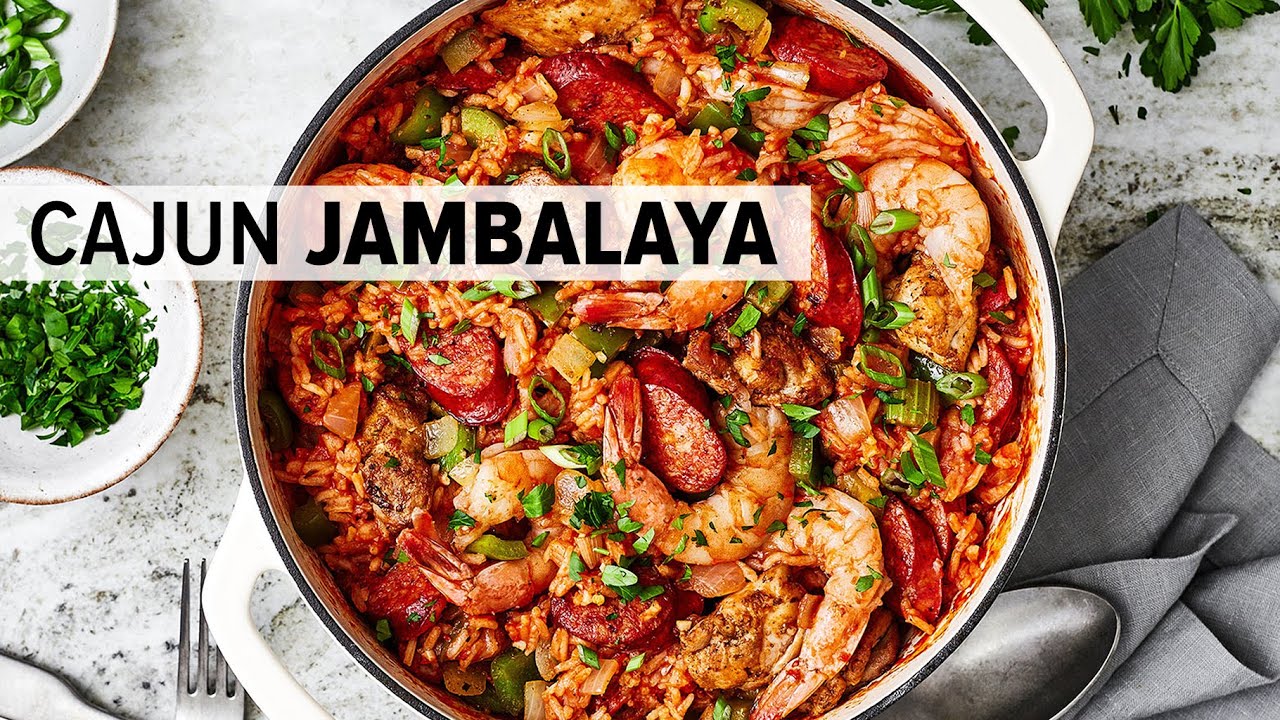
Cajun Jambalaya Recipe: Jambalaya isn’t just food—it’s a celebration in a pot. Originating from Louisiana, this hearty dish captures the soul of Cajun cuisine with its bold flavors, rustic charm, and rich cultural history. The beauty of Jambalaya is that it’s a complete meal in one, with tender meat, perfectly seasoned rice, and vegetables all cooked together, soaking up layers of flavor.
If you’ve never cooked Cajun Jambalaya before, don’t worry. This guide will walk you through everything—choosing the best ingredients, prepping them like a pro, and cooking them to perfection. By the time we’re done, you’ll not only have a delicious meal but also a deeper appreciation for Louisiana’s culinary heritage.
What is Cajun Jambalaya?
Cajun Jambalaya is a one-pot rice dish that blends French, Spanish, and West African influences, seasoned with bold Cajun spices. Think of it as Louisiana’s answer to Spanish paella—but with its own unique twist. It usually contains a mix of chicken, sausage, and sometimes seafood, paired with onions, celery, and bell peppers (known as the “Cajun Holy Trinity”).
The defining characteristic of Cajun Jambalaya is that it does not use tomatoes—unlike its Creole cousin. Instead, its rich color and depth of flavor come from browning the meat and vegetables, which create a smoky, slightly earthy taste that’s pure Cajun comfort.
The History and Origins of Jambalaya
Jambalaya’s roots go back to Louisiana’s diverse cultural melting pot. French settlers adapted Spanish paella recipes using local ingredients, while African culinary traditions added layers of seasoning and spice. The Cajuns—descendants of French Acadians—developed their own rustic version that relied on smoked meats, wild game, and local rice.
This dish was designed to feed large families or community gatherings without requiring multiple pots. One large pot over the fire, a bit of patience, and you had a meal that could keep everyone full and happy. Over time, it became a staple for festivals, Sunday dinners, and any occasion where people gathered to eat, laugh, and share stories.
Difference Between Cajun and Creole Jambalaya
At first glance, Cajun and Creole Jambalaya might look similar, but they differ in one key way—tomatoes. Creole Jambalaya, found in New Orleans, incorporates tomatoes, giving it a reddish hue. Cajun Jambalaya, more common in rural Louisiana, skips the tomatoes and gets its deep, earthy flavor from browned meats and slow-cooked vegetables.
Here’s a quick comparison:
| Feature | Cajun Jambalaya | Creole Jambalaya |
|---|---|---|
| Tomatoes | ❌ No | ✅ Yes |
| Flavor Profile | Smoky, earthy | Sweet, tangy |
| Origin | Rural Louisiana | New Orleans |
| Typical Proteins | Chicken, sausage, game meats | Chicken, sausage, shrimp |
If you’re aiming for bold, smoky, and deeply savory, Cajun Jambalaya is your go-to.
Key Ingredients for Authentic Cajun Jambalaya
The magic of Cajun Jambalaya lies in its simplicity and balance. Every ingredient plays a role—no fillers, no excess.
Choosing the Right Protein (Chicken, Sausage, and Seafood)
Cajun Jambalaya traditionally uses chicken and smoked sausage, often andouille sausage, which has a smoky, garlicky flavor that’s essential for authenticity. Some versions also include pork, rabbit, or wild game.
For chicken, bone-in thighs are ideal because they stay juicy and add extra flavor as they cook. If you prefer seafood, shrimp or crawfish can be added toward the end of cooking to avoid overcooking.
Tip: If using seafood, you can replace some of the chicken stock with seafood stock to intensify the flavor.
Vegetables That Build the Base Flavor
The Cajun Holy Trinity—onions, celery, and bell peppers—is the backbone of this dish. Onions add sweetness, celery brings freshness, and bell peppers provide mild sweetness and depth. Garlic is also a must for a full-bodied flavor.
For best results, dice the vegetables evenly so they cook uniformly and release their flavors into the rice.
Essential Spices and Seasonings
The signature Cajun taste comes from spices like:
- Paprika (adds warmth and color)
- Cayenne pepper (for heat)
- Thyme and oregano (herbal notes)
- Black pepper (for sharpness)
- Bay leaves (for depth)
You can use a store-bought Cajun seasoning blend or make your own for full control over the spice level.
Rice Selection and Why It Matters
Long-grain white rice is the traditional choice for Jambalaya because it cooks up fluffy without getting mushy. Avoid short-grain or sticky rice—they absorb too much liquid and lose texture.
Pro tip: Wash the rice before cooking to remove excess starch. This keeps the grains separate and prevents a gummy final dish.
Tools and Equipment You’ll Need
Cooking Jambalaya doesn’t require fancy gear, but having the right tools will make the process smoother.
Cooking Pots and Pans
A heavy-bottomed Dutch oven or cast-iron pot is perfect for Jambalaya. It distributes heat evenly, allowing the meat to brown without burning and the rice to cook at a steady pace.
Knives, Cutting Boards, and Prep Tools
A sharp chef’s knife is essential for chopping meats and vegetables efficiently. Have separate cutting boards for meat and produce to avoid cross-contamination.
Optional Kitchen Gadgets for Convenience
- Rice cooker (for pre-cooking rice in some variations)
- Slow cooker (for low-and-slow versions)
- Food processor (for quick vegetable chopping)
Prepping the Ingredients
Preparation is where the magic begins. Cajun Jambalaya is all about building flavor in layers, and getting your ingredients ready before the heat turns up ensures you’re cooking with confidence rather than scrambling for the garlic at the last second.
Cleaning and Cutting the Meat
If you’re using chicken, rinse it under cold water, pat it dry with paper towels, and trim away any excess fat or skin. Bone-in thighs are excellent, but boneless works if you prefer a faster cook time. For sausage—especially andouille—slice it into even rounds, about ¼-inch thick, so they sear nicely without curling.
Seafood needs gentler handling. If you’re adding shrimp, peel and devein them, leaving the tails on for presentation if you like. Crawfish tails should be cleaned and ready to toss in during the final minutes of cooking.
Pro tip: Marinate your meat in a light coating of Cajun seasoning for 30 minutes before cooking. This step deepens the flavor from the inside out.
Chopping the Vegetables (The Cajun Holy Trinity)
The Cajun Holy Trinity—onion, celery, and bell pepper—is more than a flavor base; it’s a tradition. Dice each vegetable into uniform pieces so they cook evenly. A rough guide is about one cup of each, but feel free to adjust based on your taste preferences.
Add a few cloves of minced garlic into the mix. Garlic’s bold aroma transforms the dish from simply savory to deeply comforting. If you like an extra kick, chop up a fresh chili or add a dash of hot sauce later on.
Measuring and Mixing Spices in Advance
Cajun cooking often moves quickly once you start, so measure your spices beforehand. A small prep bowl with paprika, cayenne, thyme, oregano, and black pepper will keep you from fumbling with spice jars over a steaming pot.
If you’re making your own Cajun seasoning, here’s a quick blend:
- 2 tablespoons paprika
- 1 tablespoon garlic powder
- 1 tablespoon onion powder
- 1 tablespoon dried thyme
- 1 tablespoon dried oregano
- 2 teaspoons cayenne pepper (adjust to taste)
- 2 teaspoons black pepper
- 1 teaspoon salt (optional if using salted stock)
Step-by-Step Cooking Instructions
Cooking Cajun Jambalaya is like conducting an orchestra—you bring in each section at just the right time so the flavors harmonize perfectly.
Step 1 – Browning the Meat
Start with a large, heavy-bottomed pot over medium-high heat. Add a splash of oil, then place the sausage slices in first. Let them brown for 3–4 minutes per side; this not only renders their smoky fat but also creates flavor-packed bits at the bottom of the pot (called fond).
Next, add your chicken. Don’t overcrowd the pan; work in batches if necessary. Brown each piece until golden but not fully cooked through—they’ll finish cooking later with the rice. Remove the meat and set aside.
Step 2 – Sautéing the Vegetables
In the same pot, use the rendered sausage fat (add a little more oil if needed) to sauté the onions, celery, and bell peppers. Cook until softened and fragrant—about 5 minutes—then stir in garlic for another 30 seconds.
Scrape up any browned bits from the bottom of the pot with a wooden spoon; this is where the deep, smoky flavor develops.
Step 3 – Adding Rice and Seasonings
Pour the uncooked long-grain rice into the pot with the vegetables. Stir for 1–2 minutes to coat the grains in oil and flavor—this step toasts the rice slightly, giving it a richer taste and helping it stay fluffy.
Add your spice mix now, stirring well to distribute the flavors evenly. Your kitchen should smell like you’ve been transported to the heart of Louisiana.
Step 4 – Simmering to Perfection
Return the browned meat to the pot, then pour in your chicken stock (or seafood stock if using shrimp later). The ratio is usually about 2 cups of liquid for every 1 cup of rice, but this can vary depending on the rice type.
Bring to a boil, then reduce heat to low. Cover and let it simmer gently for about 25–30 minutes, checking occasionally to ensure nothing sticks. Resist the urge to stir too often—stirring can break the rice grains and turn the dish mushy.
If you’re adding seafood, toss it in during the last 5 minutes of cooking. The residual heat will cook it perfectly without making it rubbery.
Step 5 – Final Adjustments and Serving
Once the rice is tender and has absorbed most of the liquid, taste and adjust seasoning as needed. Sometimes a splash of hot sauce or a squeeze of fresh lemon brightens the flavors beautifully.
Fluff the rice gently with a fork, garnish with chopped green onions or parsley, and serve hot. Pair it with cornbread or a crisp green salad for a complete Cajun feast.
Pro Tips for the Best Cajun Jambalaya
Making Jambalaya is part science, part art. Here are a few ways to guarantee success every time.
How to Avoid Mushy Rice
- Use long-grain rice only.
- Don’t stir too often once the liquid is added.
- Keep the heat low during simmering.
Balancing Spice Levels
Cajun food is known for its boldness, but you control the heat. Start with less cayenne and add more after tasting—you can always spice it up later, but you can’t remove heat once it’s in.
Adjusting for Seafood Jambalaya Variations
If going seafood-heavy, reduce cooking time and add fish or shellfish near the end. Also, swap chicken stock for seafood stock for a richer ocean flavor.
Serving Suggestions
A big, steaming pot of Cajun Jambalaya is already a showstopper, but pairing it with the right sides and garnishes can elevate the entire dining experience.
Side Dishes That Pair Perfectly
- Cornbread – Sweet or savory cornbread is the ultimate Southern side. Its crumbly texture soaks up the rich Jambalaya juices, creating a comforting bite every time.
- Collard Greens – Slow-cooked collard greens bring a slightly bitter, earthy flavor that balances the smoky richness of the Jambalaya.
- Cucumber and Tomato Salad – A refreshing, tangy salad can cut through the heaviness of the rice and meat, offering a crisp contrast.
- Fried Okra – Crunchy on the outside, tender inside—fried okra is a beloved Southern snack that works wonderfully alongside this dish.
- Garlic Bread – For those who can’t resist carbs, garlic bread is perfect for sopping up every last drop of that savory sauce.
Garnishing for Flavor and Presentation
- Fresh herbs like parsley or green onions add a burst of color and a mild freshness.
- Lemon wedges give guests the option to brighten the dish with a citrusy zing.
- Hot sauce on the side lets each person adjust the heat to their own preference.
Serving Jambalaya family-style in a large pot at the center of the table encourages sharing and conversation—exactly how Cajun cuisine was meant to be enjoyed.
Common Mistakes and How to Avoid Them
Even seasoned cooks can make a few missteps with Jambalaya. Here’s how to sidestep the most common pitfalls.
Overcooking the Meat
Since the meat cooks in the same pot as the rice, it’s easy to leave it simmering too long. The fix? Brown your meat first, remove it, and let it finish cooking gently during the rice stage. This keeps chicken juicy, sausage tender, and seafood succulent.
Using the Wrong Type of Rice
Short-grain or sticky rice absorbs too much water, leading to a gummy mess. Long-grain white rice is the gold standard—it keeps its structure while soaking up flavors beautifully.
Adding Too Much Liquid
Jambalaya should be moist but not soupy. Follow the liquid-to-rice ratio carefully, and remember: it’s easier to add a bit more stock if needed than to salvage an overly wet dish.
Storage and Reheating Tips
One of the best things about Jambalaya is that the flavors deepen over time, making leftovers even more delicious.
Storing in the Fridge
- Cool the Jambalaya to room temperature before storing.
- Place it in an airtight container and refrigerate for up to 4 days.
- For best results, store in smaller portions so reheating is quick and even.
Freezing for Later
Yes, Jambalaya freezes well—just skip adding seafood before freezing, as it can turn rubbery when reheated.
- Store in freezer-safe containers or heavy-duty bags.
- Label with the date and use within 3 months for the best flavor.
Best Reheating Methods to Preserve Flavor
- Stovetop: Add a splash of chicken stock or water to prevent drying, then heat over low until warmed through.
- Microwave: Heat in short bursts, stirring occasionally to distribute heat evenly.
- Oven: Place in a covered, oven-safe dish at 300°F (150°C) until hot.
Healthier Cajun Jambalaya Variations
If you love the flavors but want a lighter option, there are plenty of healthy twists you can try without sacrificing taste.
Low-Sodium and Low-Fat Options
- Use skinless chicken breast instead of thighs.
- Choose a turkey sausage or another lean alternative to andouille.
- Replace some of the stock with water to cut sodium levels.
Vegetarian and Vegan Alternatives
- Swap meat for hearty vegetables like zucchini, mushrooms, and eggplant.
- Use vegetable broth instead of chicken stock.
- Add plant-based sausage or tofu for protein.
Gluten-Free Adjustments
Jambalaya is naturally gluten-free as long as you check that your sausage, stock, and seasoning mixes don’t contain hidden gluten.
FAQs about Cajun Jambalaya Recipe
Q1: Can I make Jambalaya in advance?
Yes! Jambalaya actually tastes better the next day as the flavors meld together. Store it in the fridge and reheat gently.
Q2: Can I use brown rice instead of white rice?
Yes, but it takes longer to cook and will need more liquid. Adjust cooking times accordingly.
Q3: How spicy is traditional Cajun Jambalaya?
It’s moderately spicy, but you can adjust the cayenne pepper to suit your taste.
Q4: Can I cook Jambalaya in a slow cooker?
Absolutely. Brown the meat and vegetables first, then transfer to a slow cooker and cook on low for 4–6 hours.
Q5: Is Jambalaya the same as gumbo?
No—gumbo is more like a stew served over rice, while Jambalaya is a rice dish cooked with the meat and vegetables in the same pot.
Conclusion
Cajun Jambalaya isn’t just a recipe—it’s a tradition, a story, and a celebration of bold flavors. With the right ingredients, careful prep, and a little patience, you can create a dish that transports you straight to the heart of Louisiana. Whether you stick with the classic chicken-and-sausage combo or try a seafood twist, this one-pot wonder will always deliver comfort and joy.