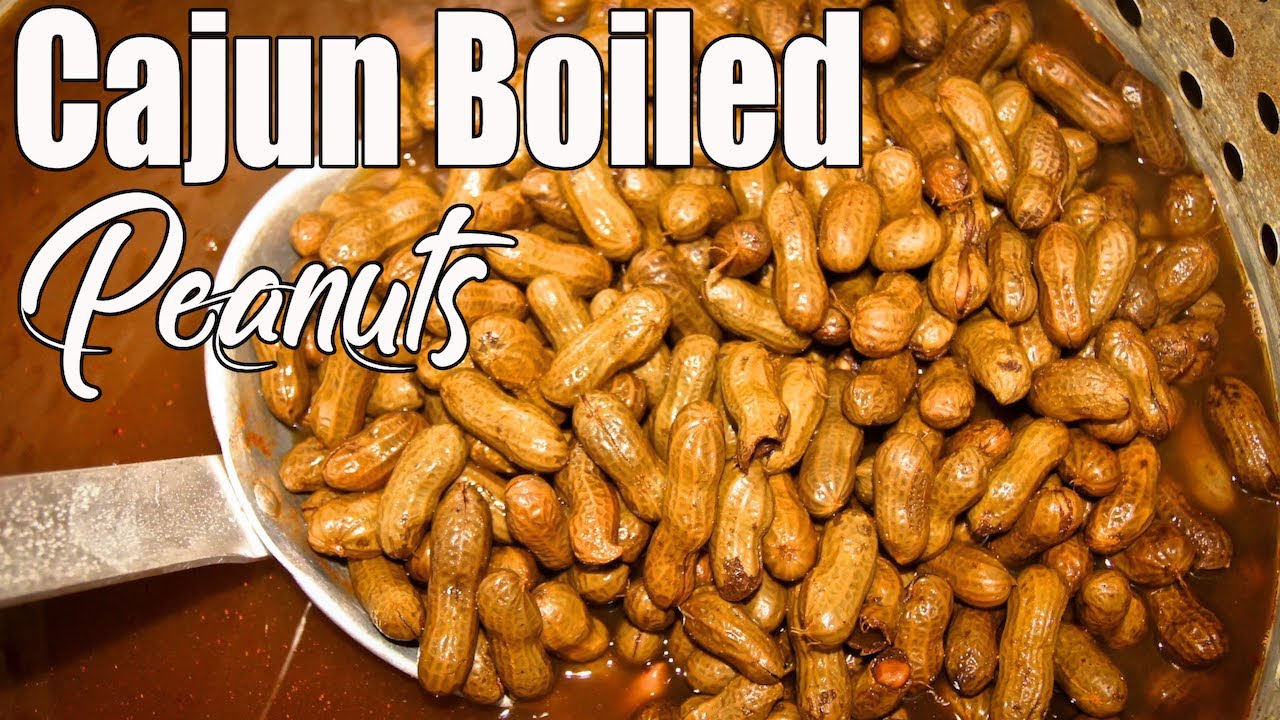
Cajun Boiled Peanuts Recipe: If you’ve ever taken a road trip through the Southern United States, chances are you’ve seen signs for boiled peanuts at gas stations or roadside stands. But these aren’t your average boiled peanuts—we’re talking about Cajun boiled peanuts, the spicy, salty, flavor-packed snack that punches way above its weight in taste.
Cajun boiled peanuts are a beloved Southern tradition, combining the tender texture of boiled peanuts with bold, spicy flavors inspired by Louisiana cuisine. They’re messy, addictive, and absolutely worth the effort. Whether you’re enjoying them at a football tailgate or as a late-night snack, there’s something incredibly satisfying about cracking open a warm shell and tasting that soft, spicy peanut inside.
So, if you’re ready to bring a taste of the South into your kitchen, let’s dive into this full step-by-step Cajun boiled peanuts recipe that’s easy enough for beginners but satisfying for seasoned cooks too.
Ingredients You’ll Need
Before we start, let’s gather all the ingredients you’ll need. One of the best things about Cajun boiled peanuts is how flexible the recipe is. You can adjust the spice levels and flavorings to suit your taste buds. Here’s a basic list to get started:
Basic Ingredients
- 2 lbs raw peanuts (preferably green, but raw dried works too)
- 1 cup Cajun seasoning (store-bought or homemade)
- 1/2 cup kosher salt
- 6-8 garlic cloves, smashed
- 1 tablespoon crushed red pepper flakes
- 3-4 bay leaves
- 2 gallons of water
Optional Flavor Additions
- 1 onion, quartered
- 1-2 jalapeños, sliced (for extra heat)
- 2 tablespoons hot sauce
- 1 teaspoon smoked paprika
- 1 tablespoon black peppercorns
These ingredients give you that classic Cajun flavor—bold, savory, and a little fiery. If you’re heat-sensitive, feel free to scale back the red pepper flakes or hot sauce. Want more fire? Toss in some extra jalapeños or cayenne pepper. The beauty of this recipe lies in its flexibility.
Kitchen Tools Required
To make Cajun boiled peanuts, you don’t need fancy equipment—just a few kitchen basics. Here’s what you’ll need to keep the process smooth and mess-free:
Essential Tools
- Large stockpot (8-quart or bigger): A big pot is crucial since peanuts need lots of space and water to boil evenly.
- Sturdy stirring spoon: A long-handled spoon helps you stir safely during boiling.
- Colander: For draining and rinsing the peanuts before and after cooking.
- Measuring cups and spoons: Precision is key, especially with spices and salt.
Optional Tools
- Slow cooker (Crockpot): Great for a hands-off, slow-cooked version.
- Instant Pot or pressure cooker: Cuts cooking time drastically for quicker results.
- Storage containers: For leftovers—trust us, you’ll want some for later.
Making Cajun boiled peanuts is a chill, no-stress process as long as you’ve got the basics. If you’re going the traditional stovetop route, make sure your pot is big enough. The peanuts will swell while cooking, and you’ll need enough room for all that flavorful brine.
Choosing the Right Peanuts
Not all peanuts are created equal—especially when you’re boiling them. Choosing the right type will determine whether your batch turns out mushy, crunchy, or perfectly tender.
Green Peanuts vs. Raw Dried Peanuts
- Green peanuts are freshly harvested and have a high moisture content. They’re soft and cook faster—typically in 2 to 3 hours. These are the gold standard for boiled peanuts.
- Raw dried peanuts are what you’ll usually find outside of peanut season. They have been dried to extend shelf life and take longer to cook, often up to 8 hours unless soaked beforehand.
Where to Find Peanuts
- Green peanuts are often available in the South during harvest season (late summer to early fall), typically at farmers’ markets or roadside stands.
- Raw dried peanuts can be found in many grocery stores, Asian supermarkets, or ordered online year-round.
Freshness Tips
- Make sure your peanuts are not roasted—only raw or green peanuts work.
- Look for uniform size, with no mold or weird smells.
- Store green peanuts in the fridge if you’re not cooking them right away—they spoil quickly.
Preparing the Peanuts
Before you toss your peanuts into a boiling pot, you need to prep them properly to ensure great flavor and texture.
Cleaning and Rinsing
Peanuts, especially green ones, often come with dirt and debris. Follow these steps:
- Place the peanuts in a large bowl or sink full of water.
- Stir and agitate them with your hands to loosen dirt.
- Drain using a colander.
- Repeat this process 2–3 times, or until the water runs clear.
Soaking (For Raw Dried Peanuts Only)
If you’re using raw dried peanuts, soaking is essential. Why?
- It rehydrates the peanuts, helping them cook more evenly and quickly.
- Soaking also allows them to absorb seasoning better once they start cooking.
Here’s how:
- Cover the cleaned peanuts with cold water in a large bowl or pot.
- Let them soak for at least 8–12 hours or overnight.
No time to soak? You can still cook them, but be prepared for a longer boil—up to 10 hours or more.
Quick Tip:
Don’t soak green peanuts—they already contain enough moisture and are ready to cook right after rinsing.
Step-by-Step Cooking Guide
Now comes the fun part—cooking up a big, spicy batch of Cajun boiled peanuts! This process is broken down step by step so it’s easy to follow, even if it’s your first time.
Step 1: Soak the Peanuts (If Needed)
If you’re using raw dried peanuts, soaking is essential. Rinse them well, then soak in plenty of water for 8–12 hours or overnight. Soaking softens the shells and allows the peanuts to cook evenly and absorb flavor. If you skip this step, the peanuts will take much longer to cook and may stay tough. Green peanuts, on the other hand, are fresh and do not need soaking.
Step 2: Season the Water
Place peanuts in a large pot and add enough water to fully cover them by a few inches. A good ratio is 1 gallon of water per 1–1.5 kg of peanuts. Season generously with salt, Cajun seasoning, garlic, bay leaves, chili flakes, and optional spices like cayenne or paprika. Start mild—you can always add more spice later.
Step 3: Boiling the Peanuts
Bring the pot to a boil, then reduce to a steady simmer.
- Green peanuts: simmer for 1–2 hours
- Raw dried peanuts: simmer for 3–5 hours
Stir occasionally and taste as they cook. If flavors seem weak, add more seasoning or salt during the process. Peanuts are done when they’re tender and creamy inside.
Step 4: Let Them Soak in the Brine
Once cooked, turn off the heat and let the peanuts sit in the hot brine for 30 minutes to several hours. This resting time is key—it allows the peanuts to soak up maximum Cajun flavor. The longer they rest, the bolder they taste. Serve warm or chilled.
Slow Cooker Cajun Boiled Peanuts Variation
Don’t want to babysit a boiling pot on the stove? Use a slow cooker! It’s perfect for set-it-and-forget-it cooking, and the results are just as flavorful.
How to Do It:
- Place rinsed peanuts and all seasonings in a 6-quart slow cooker.
- Add enough water to cover the peanuts.
- Cook on high for 6–8 hours (for green peanuts) or 12–24 hours (for raw dried peanuts).
- Check for tenderness and flavor, then let soak in the brine until they reach your desired taste.
The slow cooker method is great for overnight cooking or party prep. Plus, it fills your home with an irresistible spicy aroma!
Instant Pot Cajun Boiled Peanuts Version
Short on time? The Instant Pot can cut the cooking time in half (or more), and the results are still incredible. Here’s how:
Instructions:
- Add 2 lbs peanuts, spices, and 12 cups of water to the Instant Pot.
- Seal the lid and cook on High Pressure:
- Green peanuts: 75 minutes
- Raw dried peanuts: 120–150 minutes
- Allow natural pressure release for 30 minutes.
- Let the peanuts soak in the brine after cooking for enhanced flavor.
This is the fastest way to get that authentic Cajun flavor without compromising taste. It’s perfect when you’re craving boiled peanuts now, not tomorrow.
Tips for Customizing the Spice Level
Not everyone can handle nuclear-level spice, and that’s okay! Cajun boiled peanuts are totally customizable depending on your spice tolerance.
To Make It Milder:
- Use less Cajun seasoning or choose a mild version.
- Cut down or remove crushed red pepper flakes and jalapeños.
- Add extra water to dilute the brine slightly.
To Crank Up the Heat:
- Add extra red pepper flakes, cayenne, or hot sauce.
- Throw in ghost pepper, Carolina Reaper powder, or extra jalapeños (use caution!).
- Let the peanuts soak longer in the brine post-cooking for more heat absorption.
Fun Flavor Add-Ins:
- Smoked paprika for a deeper, smoky vibe.
- Onion powder, thyme, or oregano for more complexity.
- A splash of liquid smoke or Worcestershire sauce for a BBQ twist.
You can totally make this recipe your own—just don’t forget to taste as you go!
How to Store and Reheat Cajun Boiled Peanuts
Got leftovers? Lucky you! Cajun boiled peanuts are even better the next day.
Storage Tips:
- Store in an airtight container with the brine.
- Keep in the fridge for up to 7–10 days.
- For longer storage, place in freezer-safe bags and freeze for up to 3 months.
Reheating Instructions:
- Stovetop: Simmer in their brine until heated through.
- Microwave: Place in a microwave-safe bowl with some brine, cover, and heat for 2–3 minutes.
- Slow cooker: Warm on low for an hour or two—perfect for parties.
If frozen, thaw in the fridge overnight before reheating.
How to Serve Cajun Boiled Peanuts
Now comes the best part—digging in!
Best Ways to Enjoy:
- Serve warm in a bowl with plenty of napkins.
- Pair with a cold drink—sweet tea, soda, or beer.
- Enjoy them as-is or alongside other Southern snacks like fried pickles, hush puppies, or cornbread.
They make a great:
- Tailgating snack
- Party appetizer
- Late-night munchie
- Road trip food
Pro tip: Don’t eat the shell! Crack them open with your fingers or teeth, slurp out the peanut, and toss the shell.
Common Mistakes to Avoid
Even though Cajun boiled peanuts are a simple snack, a few missteps can ruin the whole batch. Here are the most common mistakes—and how to avoid them:
1. Skipping the Soak for Dried Peanuts
If you’re using raw dried peanuts and skip soaking, be prepared for a very long cook time and uneven texture. Soaking them overnight helps them cook faster and more evenly, plus it helps absorb all that Cajun goodness.
2. Using Too Little Salt or Spice
Remember: the peanuts are inside a shell, and the flavor has to travel through that tough exterior. If your brine tastes bland, your peanuts will too. Don’t be afraid to over-season the water—you want it to taste slightly too salty and spicy.
3. Not Tasting as You Go
Peanut texture is a personal preference. Some people like them just tender, while others prefer them super soft and almost creamy. Check your peanuts every 30–45 minutes once you’re close to done. Same goes for flavor—don’t be afraid to add more spices mid-boil if it needs a kick.
4. Overcooking
Yes, peanuts can get too soft. If left boiling for too long (especially after already soaking), they can turn mushy or mealy. Once they reach your preferred texture, kill the heat and let them soak.
5. Storing Without Brine
Storing Cajun boiled peanuts dry leads to dry, bland peanuts the next day. Always store them with the brine so they stay moist and flavorful.
Avoiding these mistakes will take your peanuts from “meh” to mouthwatering.
Health Benefits of Boiled Peanuts
Yep, Cajun boiled peanuts aren’t just tasty—they can actually be pretty good for you, too. When eaten in moderation, they pack a surprising number of nutritional perks.
Here’s What Makes Them a Smart Snack:
- High in Protein: A great plant-based protein source—perfect for post-workout munchies or keeping you full between meals.
- Rich in Fiber: Helps with digestion and keeps you feeling satisfied longer.
- Loaded with Antioxidants: Boiled peanuts contain up to four times more antioxidants than raw or roasted ones.
- Good Fats: Full of monounsaturated fats that support heart health.
- Low Glycemic Index: They won’t spike your blood sugar like some snacks.
That said, be mindful of the sodium content—Cajun boiled peanuts can be high in salt depending on the recipe. If you’re watching your salt intake, adjust the seasoning accordingly or rinse the peanuts before eating.
So yes, you can totally feel good about enjoying a handful (or three) of these spicy treats!
Cajun Boiled Peanuts vs. Regular Boiled Peanuts
Not all boiled peanuts are created equal—and Cajun boiled peanuts are definitely in a league of their own.
| Feature | Regular Boiled Peanuts | Cajun Boiled Peanuts |
|---|---|---|
| Flavor | Salty, mild, earthy | Spicy, bold, garlicky |
| Seasoning | Salt & water only | Cajun seasoning, garlic, pepper flakes, bay leaves |
| Color | Light beige | Often darker from spices |
| Spice Level | None | Ranges from mild to fiery |
| Region | Southern U.S. (general) | Mostly Louisiana & Gulf Coast |
Cajun boiled peanuts are basically the extra version of the classic. They take that basic salty flavor and turn the dial all the way up with heat and complexity. If you’ve only ever had regular ones, you’re in for a real treat!
Fun Facts About Boiled Peanuts
Here’s some juicy trivia for your next Southern snack night:
- Boiled peanuts are South Carolina’s official state snack.
- They’re often sold at roadside stands in the South, usually in Styrofoam cups or Ziploc bags.
- The tradition of boiling peanuts dates back hundreds of years—possibly to African or Native American food customs.
- Some fans call them “goober peas”, an old-timey Southern nickname for peanuts.
- There are entire boiled peanut festivals, especially in Alabama and Georgia!
So when you’re making Cajun boiled peanuts at home, you’re not just cooking a snack—you’re joining a deep-rooted Southern tradition full of flavor, culture, and community.
FAQs about Cajun Boiled Peanuts Recipe
1. Can I make boiled peanuts without Cajun seasoning?
Yes! If you want a more basic flavor, just use salt and garlic. But for that bold Cajun kick, you’ll want a Cajun spice blend or make your own with paprika, cayenne, garlic, and herbs.
2. How long should I soak dried raw peanuts before boiling?
At least 8–12 hours, or overnight. Soaking helps them rehydrate, cook faster, and absorb more flavor.
3. What’s the difference between green and raw peanuts?
Green peanuts are freshly harvested and still contain moisture, while raw peanuts are dried. Green peanuts cook faster and have a creamier texture.
4. Can I freeze leftover boiled peanuts?
Absolutely! Just store them with their brine in airtight freezer bags or containers. Thaw overnight in the fridge and reheat in a pot or microwave.
5. Are boiled peanuts supposed to be soft or crunchy?
They should be soft and tender, not crunchy like roasted peanuts. Think of them like beans or edamame with a Southern twist.
Conclusion
Cajun boiled peanuts are one of those Southern delicacies that surprise people. They might seem odd at first—soft peanuts? in a shell?—but one bite of that spicy, tender, flavorful goodness and you’ll totally get the hype.
Whether you’re making them on the stove, in a slow cooker, or in an Instant Pot, they’re simple to prepare, endlessly customizable, and perfect for everything from road trips to movie nights to backyard BBQs. You can tweak the spice, change up the seasonings, or even freeze extras for later snacking.
So go ahead—grab some raw peanuts, whip up a pot of spicy brine, and boil yourself a batch of Cajun goodness. Just don’t forget the napkins. And once you’ve made them once, good luck not making them again and again!