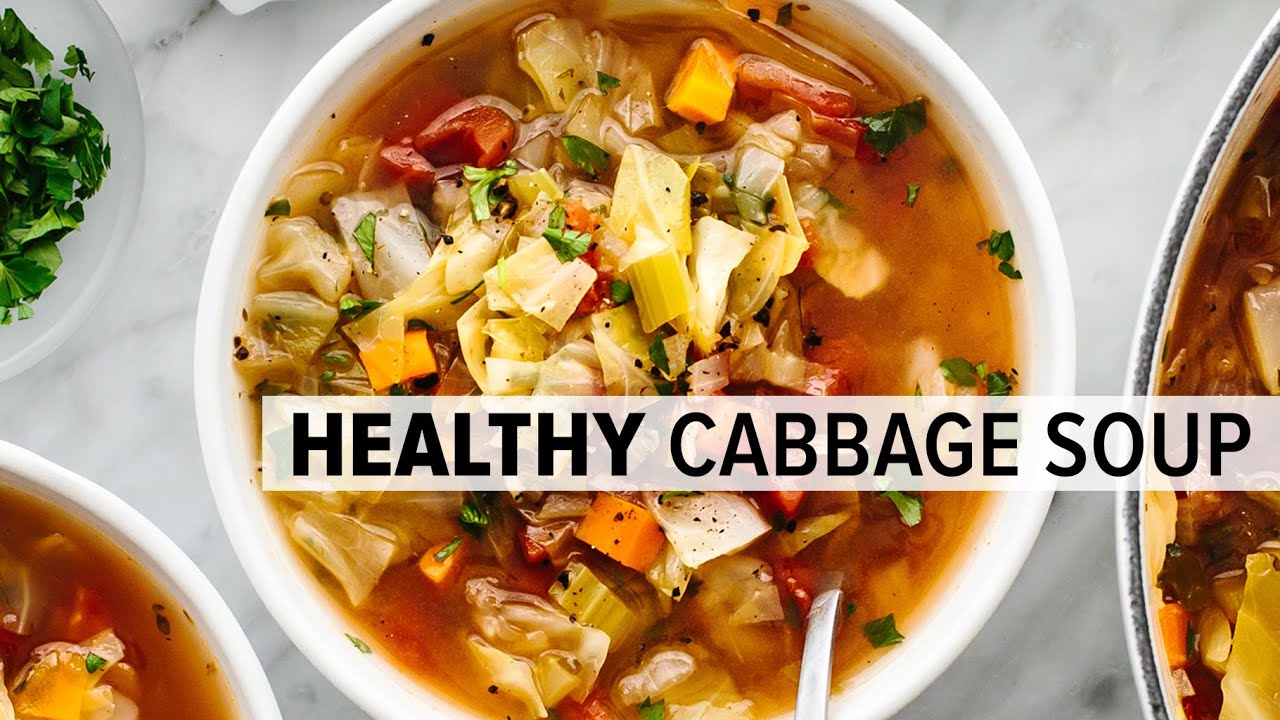
Cabbage Diet Recipe: The cabbage diet has been a buzzword in the weight loss world for decades. Known for its rapid results, it’s a short-term eating plan designed to help people shed pounds quickly. At the heart of the plan is cabbage soup, a low-calorie, nutrient-packed dish that can be eaten in generous portions without packing on calories. The diet is typically followed for seven days, and during that time, your primary meal will be the soup, accompanied by certain fruits, vegetables, and lean proteins depending on the day.
The reason this diet works for many is its simplicity. There’s no need to track calories obsessively, and you can eat as much of the soup as you want. However, it’s not intended as a long-term solution—it’s more like a jumpstart for those looking to slim down before an event or restart their healthy eating habits.
Think of it like a quick sprint rather than a marathon: effective in the short run, but not sustainable for months on end. If followed correctly, the cabbage diet can result in a weight loss of up to 10 pounds in a single week, although results vary based on metabolism, starting weight, and activity level.
What is the Cabbage Diet?
At its core, the cabbage diet revolves around a very low-calorie soup made primarily from—you guessed it—cabbage. This leafy vegetable is naturally low in calories but rich in fiber, vitamins, and minerals. The idea is to fill up on the soup so you stay satisfied while consuming fewer calories overall.
Unlike fad diets that cut out entire food groups, this one is more about repetition. For seven days, you eat mostly cabbage soup, plus a few additional foods that are allowed on specific days. While the repetition can feel a little monotonous, it’s also part of why it works—you remove the temptation of high-calorie, processed foods.
The diet is believed to have originated in the 1980s, possibly as a hospital weight-loss plan for overweight heart patients who needed to slim down before surgery. While the exact origin is unclear, it quickly gained popularity in the media as a fast weight-loss method.
Why is it Popular for Weight Loss?
There are a few reasons the cabbage diet has maintained its popularity over the years:
- Rapid Results: Most people see noticeable changes in just one week.
- Simplicity: No calorie counting, meal prep complexity, or expensive ingredients.
- Low Cost: Cabbage and the other vegetables used are inexpensive and widely available.
- Detox Feel: Many followers report feeling “lighter” and less bloated after the week.
While it’s not a magic fix, it’s appealing for those who need a quick result or want to break unhealthy eating habits.
Pros and Cons of the Cabbage Diet
Pros:
- Fast weight loss in a short period.
- Easy to prepare and follow.
- High in fiber and water content.
- Encourages vegetable consumption.
Cons:
- Very limited food variety, which can lead to boredom.
- Not nutritionally balanced for long-term use.
- Weight loss is often temporary unless followed by a healthy lifestyle.
- May cause fatigue or low energy for some people.
If you treat it as a one-week reset rather than a lifelong diet, it can be a helpful tool. Just remember: the real work starts after the seven days are over.
Health Benefits of Cabbage
Cabbage isn’t just a filler for weight loss soup—it’s a nutritional powerhouse. This cruciferous vegetable is low in calories but loaded with vitamins, minerals, and antioxidants that support overall health.
Nutritional Profile of Cabbage
One cup of chopped raw cabbage contains roughly:
- Calories: 22
- Carbohydrates: 5 grams
- Fiber: 2 grams
- Protein: 1 gram
- Vitamin C: 54% of daily recommended intake
- Vitamin K: 85% of daily recommended intake
Cabbage also contains folate, manganese, vitamin B6, calcium, potassium, and small amounts of other essential nutrients. The high vitamin C content boosts your immune system, while vitamin K supports bone health and blood clotting.
How Cabbage Supports Weight Loss
Cabbage works for weight loss for a few key reasons:
- Low Calorie Density: You can eat large portions without consuming many calories.
- High Fiber: Keeps you full for longer and supports digestion.
- Natural Diuretic: Helps reduce water retention, which can make you look and feel slimmer.
When combined with other low-calorie vegetables in soup form, cabbage becomes a filling, nutrient-rich meal that won’t sabotage your calorie goals.
Other Health Benefits Beyond Weight Loss
Beyond the scale, cabbage offers impressive health perks:
- Anti-inflammatory: Contains antioxidants like polyphenols that help fight inflammation.
- Heart Health: Potassium in cabbage helps regulate blood pressure.
- Digestive Support: Fermented cabbage (like sauerkraut) is rich in probiotics that promote gut health.
- Cancer Protection: Cruciferous vegetables have compounds linked to reduced cancer risk.
So even if you’re not doing the cabbage diet for weight loss, incorporating this vegetable into your regular meals can be a smart move for your health.
Ingredients Needed for the Cabbage Diet Soup
The beauty of the cabbage diet soup is that it’s incredibly flexible. You can stick to the classic recipe or tweak it with your favorite herbs and spices.
Fresh Vegetables to Include
The basic cabbage soup includes:
- Green cabbage: The star of the show, chopped into bite-sized pieces.
- Onions: Add flavor and antioxidants.
- Carrots: Provide natural sweetness and beta-carotene.
- Celery: Adds crunch and helps with hydration.
- Bell peppers: For color, vitamin C, and flavor.
- Tomatoes: Fresh or canned, they form part of the soup base.
Herbs and Spices for Flavor
Because you’ll be eating this soup multiple times a day, seasoning matters. Common choices include:
- Garlic: Boosts immunity and enhances taste.
- Bay leaves: For a mild earthy flavor.
- Thyme or oregano: Herbal depth.
- Black pepper & paprika: For a slight kick.
- Parsley or cilantro: Fresh garnish for brightness.
Optional Additions for Variety
While the core recipe is simple, you can add:
- Mushrooms for extra texture.
- Zucchini for added volume.
- Spinach or kale for extra greens.
- Chili flakes if you enjoy spice.
Keeping the soup flavorful will help you stick with the diet for the full seven days without feeling like you’re eating the same thing over and over.
Step-by-Step Cabbage Diet Soup Recipe
Making the soup is straightforward, but following each step ensures you get the best texture and taste.
Step 1 – Preparing the Vegetables
Start by washing all vegetables thoroughly under cold running water to remove dirt and pesticides. Chop the cabbage into medium pieces—too small and it will overcook, too large and it might be hard to eat. Dice the onions, carrots, celery, and bell peppers into bite-sized chunks for even cooking.
Having all your ingredients prepped before you start cooking will make the process smoother and prevent overcooking.
Step 2 – Cooking the Soup Base
Begin by heating a large pot over medium heat. Add a small amount of olive oil or just enough water to sauté your onions, garlic, and celery until they become fragrant and slightly softened—about 3 to 4 minutes. This initial step releases their flavors, creating a rich foundation for your soup.
Next, add the carrots and bell peppers, stirring them in so they absorb some of that savory aroma. Pour in your broth—vegetable or chicken, depending on preference—and bring it to a gentle boil. If you want a richer flavor, you can use homemade stock instead of store-bought.
At this stage, season the soup with your chosen spices—bay leaves, thyme, oregano, black pepper, and paprika. Allow the mixture to simmer for about 10 minutes so the flavors start blending before adding the cabbage. This timing ensures your cabbage will cook through but still have a pleasant texture rather than turning mushy.
Step 3 – Adding Cabbage and Final Seasoning
Once your base has had time to simmer, add the chopped cabbage along with tomatoes (fresh or canned). Reduce the heat to medium-low and let everything cook together for about 15 to 20 minutes. Keep an eye on the texture—cabbage should be tender but not overdone.
Taste the soup and adjust seasoning. Sometimes you might need a little extra salt, a dash of lemon juice for brightness, or some chili flakes for heat. If you’re making a large batch for the week, divide it into smaller containers for easy reheating. The soup tends to taste even better the next day as the flavors continue to develop.
For an extra boost, garnish each bowl with fresh parsley or cilantro before serving. Not only does it add visual appeal, but it also enhances the aroma and freshness of the dish.
7-Day Cabbage Diet Meal Plan
This diet is structured to keep things interesting while still sticking to low-calorie, nutrient-dense foods. Below is the classic 7-day plan many people follow.
Day-by-Day Breakdown
Day 1: Cabbage soup + unlimited fruit (except bananas). Great day for melons, berries, and apples.
Day 2: Cabbage soup + non-starchy vegetables (except beans, peas, and corn). One baked potato with a little butter is allowed in the evening.
Day 3: Cabbage soup + both fruits and vegetables (no potato).
Day 4: Cabbage soup + bananas and skim milk (helps replenish potassium and calcium).
Day 5: Cabbage soup + up to 20 ounces of lean beef or chicken, plus tomatoes.
Day 6: Cabbage soup + beef and vegetables (except potato).
Day 7: Cabbage soup + brown rice, unsweetened fruit juice, and vegetables.
Portion Control and Serving Tips
While the cabbage soup is unlimited, you should avoid overloading on the additional foods allowed each day. Stick to reasonable portions for proteins and starches. Also, serve the soup hot—it’s more satisfying and helps you feel full longer.
If you start feeling bored with the taste, change up the herbs and spices. For example, try adding curry powder one day and Italian seasoning the next. Small changes in flavor can make a big difference in motivation.
Staying Hydrated During the Diet
Drink at least 8–10 glasses of water daily. Herbal teas without sugar are also fine. Staying hydrated helps flush toxins from your system and prevents the headaches or fatigue that sometimes accompany low-calorie diets.
Some people also drink lemon water in the mornings for a natural metabolism boost. Just remember—no sugary drinks, soda, or alcohol during the seven days if you want the best results.
Tips for Success on the Cabbage Diet
Following the cabbage diet isn’t just about cooking the soup—it’s about staying consistent and motivated for the full seven days. Because this plan is repetitive, you’ll need strategies to make it easier and more enjoyable.
Plan Ahead
Before starting, make sure you’ve bought all the vegetables, spices, and any additional foods you’ll need for the week. Prepping your cabbage and other vegetables in bulk can save time and make it harder to fall off track. Consider making two large batches of soup—one at the start of the week and another mid-week to keep it fresh.
Listen to Your Body
Because this diet is low in calories, you might feel more tired than usual. Light exercise, such as walking or stretching, is fine, but avoid high-intensity workouts during the seven days. If you start feeling dizzy, weak, or overly fatigued, adjust your portions or include an extra snack from the allowed list.
Avoid Hidden Calories
It’s easy to sabotage your results with little “extras.” Avoid adding high-calorie toppings, too much oil, or creamy sauces. Stick to fresh herbs, spices, lemon juice, or vinegar for flavor.
Add Variety with Spices
Since you’ll be eating the same soup for multiple days, change the flavor profile:
- Add curry powder for an Indian twist.
- Try cumin and coriander for a Middle Eastern flavor.
- Use basil, oregano, and rosemary for an Italian feel.
These variations can keep your taste buds happy and make it easier to stick to the diet.
Possible Side Effects of the Cabbage Diet
While the cabbage diet can deliver quick results, it’s not without drawbacks. Being aware of potential side effects will help you prepare and handle them if they occur.
Short-Term Effects
- Bloating or Gas: Cabbage is high in fiber, which can cause digestive discomfort in some people.
- Low Energy: The diet’s low-calorie nature can lead to fatigue, especially in the first few days.
- Frequent Bathroom Visits: The combination of fiber and high water content can increase trips to the restroom.
Long-Term Considerations
This diet isn’t meant for extended use. Staying on it for too long can lead to nutrient deficiencies because it doesn’t provide enough protein, healthy fats, or complex carbs for balanced nutrition. Most experts recommend limiting it to one week, then transitioning to a healthier, more varied diet.
Who Should Avoid It
- Pregnant or breastfeeding women.
- People with underlying health conditions like diabetes or heart problems without medical supervision.
- Anyone prone to low blood sugar or nutrient deficiencies.
Always check with a healthcare professional before starting any restrictive diet, especially if you have health concerns.
Maintaining Weight Loss After the Cabbage Diet
The biggest challenge with rapid weight loss diets is keeping the pounds off afterward. Without a plan, weight can quickly return.
Transitioning to a Balanced Diet
After the seven days, slowly reintroduce lean proteins, whole grains, and healthy fats. Avoid jumping straight into processed foods, fast food, or sugary drinks, as your body will store excess calories more easily after a calorie-restricted week.
Adopt Healthier Eating Habits
Use the cabbage diet as a starting point for better eating. Continue including cabbage and other vegetables in your meals, drink plenty of water, and practice portion control. Instead of three large meals, consider eating smaller, balanced meals throughout the day.
Incorporate Exercise Gradually
Once your energy levels return to normal, add regular physical activity to maintain your results. This could be a mix of cardio, strength training, and flexibility exercises. Even walking 30 minutes a day can help prevent weight regain.
FAQs about Cabbage Diet Recipe
1. Can I do the cabbage diet for more than 7 days?
It’s not recommended. Extending it can cause nutrient deficiencies and low energy. Stick to one week, then shift to a balanced eating plan.
2. Will I lose fat or just water weight?
Most of the weight loss in the first week is water and glycogen. However, you may also lose some fat if you’re in a calorie deficit.
3. Can I add meat to the soup?
On certain days (like day 5 or 6), lean meats are allowed, but the traditional recipe is vegetarian for most of the week.
4. What happens if I cheat during the diet?
A single slip-up won’t ruin your results, but repeated cheating will reduce effectiveness. Get back on track as soon as possible.
5. Is this diet safe for everyone?
No. Those with certain health conditions, pregnant or nursing women, and children should avoid it unless supervised by a doctor.
Conclusion
The cabbage diet is a simple, short-term method for quick weight loss. While it’s not sustainable for long periods, it can help jumpstart healthier habits or prepare for a special event. The key is to treat it as a temporary reset, not a permanent lifestyle. By following the recipe and meal plan carefully—and transitioning into a balanced diet afterward—you can maximize your results without risking your health.