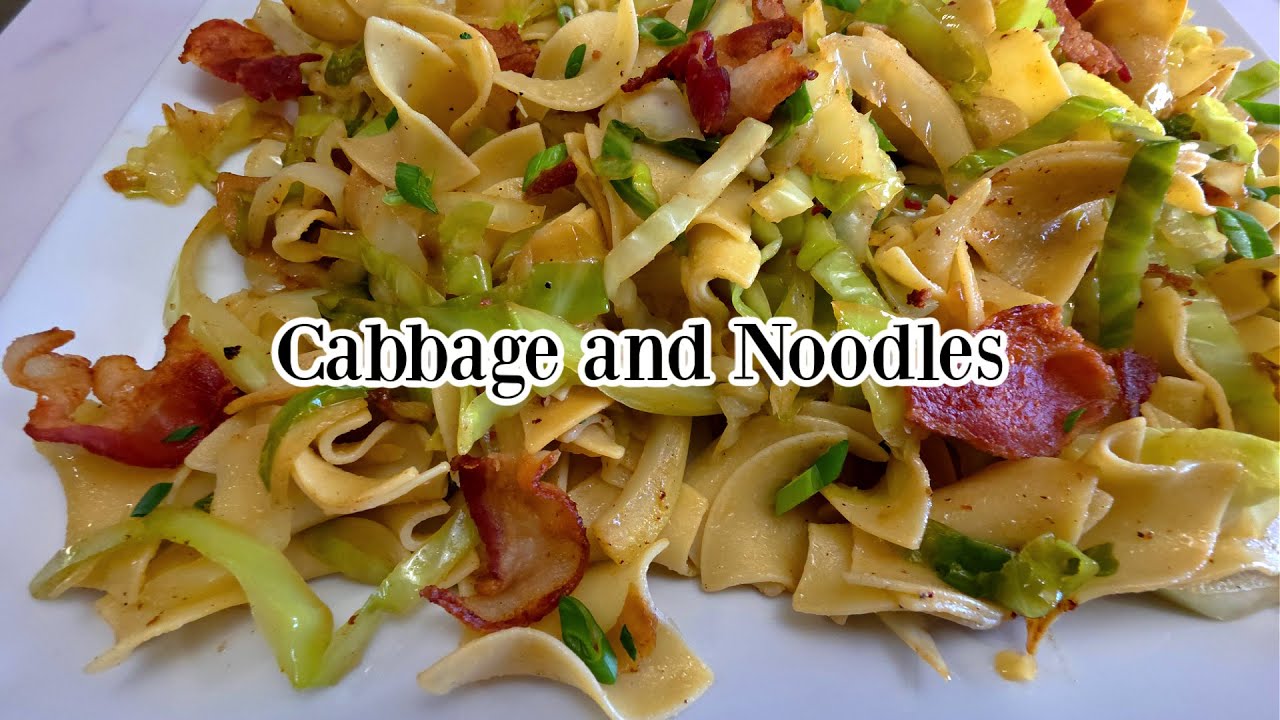
Cabbage and Noodles Recipe: If you’ve ever craved a dish that’s both comforting and budget-friendly, cabbage and noodles might just be your new go-to meal. This humble recipe has been cherished for generations, offering a delightful mix of tender noodles, sweet-savory cabbage, and rich seasonings. It’s simple enough for beginner cooks yet versatile enough to impress seasoned food lovers. Think of it as the ultimate “comfort food” from the kitchen—a warm hug in a bowl.
The Origin of the Dish
The roots of cabbage and noodles trace back to Central and Eastern Europe, particularly Hungary and Poland, where it’s known as Haluski. Originally, it was a dish for hardworking families, made from affordable pantry staples that could stretch to feed a crowd. Over time, variations of the dish spread across continents, each region adding its own twist. In the U.S., it became a beloved comfort food in communities with Eastern European heritage.
Why This Recipe is Loved Worldwide
Part of its universal appeal comes from its simplicity and adaptability. You can make it with just a handful of ingredients, and it pairs beautifully with different flavors—garlic butter for richness, soy sauce for an Asian touch, or paprika for smoky depth. It’s filling without being heavy, making it a hit for both quick weekday dinners and relaxed weekend meals.
Nutritional Benefits of Cabbage and Noodles
Despite its comfort food status, cabbage and noodles can be surprisingly healthy. Cabbage is a nutrient powerhouse, packed with vitamin C, vitamin K, and fiber. Paired with whole wheat or egg noodles, it provides a balance of carbs, protein, and essential minerals. If you go light on the oil or butter, it’s a wholesome, low-cost meal that nourishes the body while satisfying cravings.
Ingredients You’ll Need
The beauty of cabbage and noodles lies in its uncomplicated ingredient list. You don’t need to hunt down exotic spices or spend hours prepping. Most of these are likely already in your pantry or fridge.
Fresh Vegetables and Staples
- Green Cabbage – The star of the show. Go for a fresh, firm head with crisp leaves.
- Onions – Adds depth and sweetness when caramelized.
- Garlic – Provides a fragrant, savory base flavor.
- Butter or Oil – For sautéing and bringing everything together.
Types of Noodles to Use
While egg noodles are the classic choice for an authentic Haluski, you can experiment:
- Egg Noodles – Soft, slightly chewy, perfect for soaking up flavors.
- Rice Noodles – For a gluten-free option.
- Whole Wheat Pasta – Adds more fiber and nutrients.
- Instant Noodles – Quick fix when you’re in a hurry.
Seasonings and Flavor Enhancers
- Salt & Pepper – Simple yet essential for balance.
- Paprika – Adds warmth and color.
- Soy Sauce – For an umami kick.
- Red Pepper Flakes – If you like a touch of heat.
Essential Kitchen Tools
Having the right tools makes cooking smoother, faster, and less stressful. While cabbage and noodles doesn’t require fancy gadgets, a few basic items can make the process easier.
Pots and Pans
A large skillet or sauté pan is crucial for cooking the cabbage evenly without overcrowding. A medium pot for boiling noodles is also a must. If you have a Dutch oven, it’s perfect for making the dish in one pot.
Cutting Tools
A sharp chef’s knife and sturdy cutting board are non-negotiable. Cabbage can be tough to cut, so you need a reliable knife. A mandoline slicer can speed up the process if you prefer thin, even slices.
Optional Tools for Convenience
- Colander – For draining noodles.
- Garlic Press – Saves time on mincing.
- Wooden Spoon – Gentle on nonstick pans and great for stirring.
Step-by-Step Cooking Instructions
Making cabbage and noodles is straightforward, but a few small techniques can make the difference between “good” and “exceptional.”
Prepping the Cabbage
Start by removing any wilted outer leaves. Cut the cabbage in half, remove the core, and slice thinly. If you like softer textures, slice a bit thicker so it holds shape during cooking.
Cooking the Noodles Perfectly
Boil noodles in salted water until just tender (al dente). Remember—they’ll continue to cook slightly when mixed with the cabbage, so don’t overdo it. Drain and set aside, reserving a small cup of pasta water in case you need extra moisture later.
Stir-Frying for Maximum Flavor
Melt butter or heat oil in a large skillet. Sauté onions until golden, then add garlic. Toss in the cabbage and cook until it’s tender and slightly caramelized, about 8–10 minutes. Add noodles, season, and toss well to coat.
Tips for Perfect Cabbage and Noodles
The charm of this dish lies in its simplicity, but the secret to making it truly shine is in the small details.
How to Avoid Overcooking
Cabbage should be tender but still have a bit of bite. Overcooking can lead to mushy textures and a sulfur-like smell. Keep the heat moderate and watch closely.
Best Ways to Season the Dish
While salt and pepper do the heavy lifting, don’t shy away from experimenting. A dash of soy sauce adds depth, while a sprinkle of smoked paprika brings complexity.
Adjusting for Different Tastes
Serving kids? Keep it mild and buttery. For spice lovers, throw in chili flakes or sriracha. If you’re aiming for a lighter version, use olive oil instead of butter and whole wheat noodles instead of egg noodles.
Variations of the Recipe
While the traditional cabbage and noodles recipe is delicious on its own, it’s incredibly versatile. With a few adjustments, you can transform it into something new each time you make it.
Vegetarian and Vegan Options
The base recipe is already vegetarian, but you can make it vegan by swapping butter for olive oil or vegan margarine. Nutritional yeast can replace cheese-like flavor if you’re going dairy-free. You can also toss in roasted vegetables like bell peppers, zucchini, or mushrooms for added nutrition and texture.
Adding Meat or Protein
For those who want a protein boost, this dish pairs beautifully with:
- Kielbasa or Smoked Sausage – Adds a smoky, savory punch.
- Bacon Bits – Classic choice for a rich, salty contrast.
- Shredded Chicken – For a lighter protein option.
- Tofu or Tempeh – Ideal for vegetarians who want extra protein.
Spicy Cabbage and Noodles
If you enjoy heat, toss in sliced jalapeños or chili flakes while sautéing the cabbage. A drizzle of chili oil before serving can give it an irresistible kick. For an Asian-inspired spicy version, add a splash of sriracha or sambal oelek.
Common Mistakes to Avoid
Even simple recipes have pitfalls, and cabbage and noodles is no exception. Avoiding these common errors will ensure your dish turns out perfect every time.
Overcooking Cabbage
Overcooked cabbage loses its pleasant texture and develops a strong, unappealing smell. The key is to cook it just until it’s tender but still slightly crisp.
Choosing the Wrong Noodles
While you can use different noodles, overly thin pasta like angel hair can become mushy. Stick with sturdier noodles like egg noodles, wide pasta, or even flat rice noodles if you want a gluten-free option.
Overseasoning or Underseasoning
Because cabbage has a naturally mild flavor, it’s easy to accidentally over-salt or under-flavor it. Taste frequently and adjust gradually. Remember, it’s easier to add seasoning than to fix an overly salty dish.
Serving Suggestions
Presentation and accompaniments can take this dish from a simple family dinner to an elegant meal.
Pairing with Side Dishes
- Garlic Bread – Perfect for mopping up buttery sauce.
- Pickled Vegetables – Adds tangy contrast.
- Green Salad – Keeps the meal fresh and balanced.
Best Drinks to Serve
Pairing drinks can enhance the flavors:
- White Wine – Crisp varieties like Sauvignon Blanc complement the buttery noodles.
- Light Beer – A great match for the rich, savory elements.
- Herbal Tea – If you want a warm, non-alcoholic pairing.
Presentation Tips for a Beautiful Dish
Sprinkle fresh herbs like parsley or dill on top before serving. A light dusting of paprika can also add color and appeal. Serve in a wide bowl so the noodles and cabbage can spread out, showing off their textures.
Storage and Reheating
One of the best things about cabbage and noodles is how well it keeps, making it a great meal prep option.
How to Store Properly
Cool the dish to room temperature before storing. Place in airtight containers and refrigerate for up to 4 days. If possible, store the noodles and cabbage separately to prevent sogginess.
Best Reheating Methods
The stovetop is the best option to keep the texture fresh. Add a splash of water or broth to prevent dryness. The microwave works in a pinch—just cover the dish to lock in moisture.
Freezing the Dish for Later Use
You can freeze cabbage and noodles for up to 2 months, but the texture may soften slightly after thawing. For best results, undercook the noodles a bit before freezing so they hold up better during reheating.
FAQs about Cabbage and Noodles Recipe
1. Can I use instant noodles for this recipe?
Yes, but cook them separately and toss them in at the end to prevent them from getting mushy.
2. How can I make this dish gluten-free?
Use rice noodles or gluten-free pasta, and make sure your soy sauce is gluten-free.
3. What protein goes best with cabbage and noodles?
Smoked sausage, bacon, chicken, tofu, or tempeh are all excellent additions.
4. How long does cabbage and noodles last in the fridge?
Up to 4 days if stored in an airtight container.
5. Can I prepare the dish ahead of time?
Yes, you can make it in advance and reheat it just before serving. Store the noodles and cabbage separately for best results.
Conclusion
Cabbage and noodles is proof that a few humble ingredients can create a dish that’s satisfying, versatile, and nourishing. Whether you’re making the classic buttery version, adding spicy flair, or packing it with protein, this recipe adapts beautifully to your tastes and dietary needs. It’s an affordable, filling meal that works for busy weeknights, casual family dinners, and even meal prep.