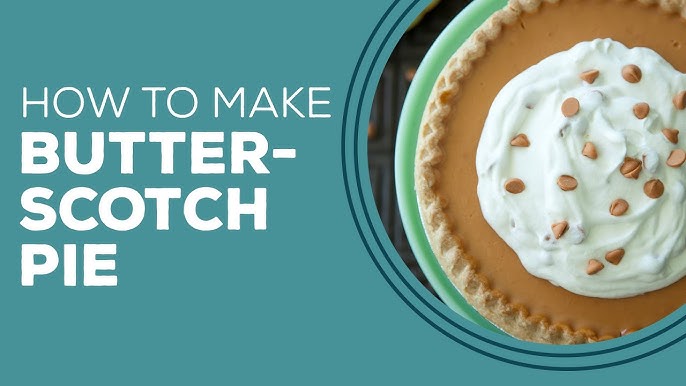
Butterscotch Pie Recipe: There’s something magical about a slice of rich, creamy butterscotch pie. The silky texture, the deep caramel flavor, the buttery notes—it’s the kind of dessert that makes you pause after the first bite and say, “Wow.” Whether you’re preparing it for a holiday gathering, a weekend treat, or a cozy night in, this pie is always a showstopper.
In this complete guide, we’re going to walk through exactly how to make butterscotch pie from scratch, step by step, no confusion, no skipping corners. By the end, you’ll be ready to whip up a dessert that’s guaranteed to impress.
What is Butterscotch Pie?
Butterscotch pie is a classic American dessert featuring a rich custard-like filling made with brown sugar, butter, cream, and egg yolks. It’s typically poured into a baked pastry crust and topped with either whipped cream or meringue. But unlike caramel, which is made from white sugar, butterscotch gets its signature flavor from brown sugar, lending a deeper, molasses-kissed richness.
The dessert became popular in the early 20th century and remains a staple in Southern and Midwestern kitchens. The taste is often described as nostalgic—comforting, homey, yet indulgent. Think of it as the perfect cross between a pudding and a pie.
Why You’ll Love This Butterscotch Pie
Let’s be real—there are a lot of pie options out there. Butterscotch stands out because it hits that sweet spot between simplicity and elegance. It’s sweet without being cloying, creamy without being too rich. Plus, it’s surprisingly easy to make.
Here’s what makes it a must-try:
- Buttery-sweet flavor with notes of toffee and vanilla
- Ultra-smooth texture that melts in your mouth
- Perfect make-ahead dessert for parties and holidays
- Customizable toppings from light whipped cream to dramatic meringue
It’s also great for impressing guests—everyone expects chocolate or apple, but butterscotch? That’s a surprise twist people will remember.
List of Ingredients You’ll Need
For the Pie Crust:
- 1 ¼ cups all-purpose flour
- ½ teaspoon salt
- ½ cup unsalted butter (cold, cut into cubes)
- 3–5 tablespoons ice water
For the Butterscotch Filling:
- 1 cup packed dark brown sugar
- ¼ cup cornstarch
- ½ teaspoon salt
- 2 cups whole milk
- ½ cup heavy cream
- 4 large egg yolks
- 4 tablespoons unsalted butter
- 1 ½ teaspoons vanilla extract
For the Topping:
- 1 cup heavy cream
- 2 tablespoons powdered sugar
- ½ teaspoon vanilla (optional)
Optional Add-ons:
- Sea salt flakes
- Toffee bits
- Chopped pecans or walnuts
- Chocolate shavings
Kitchen Tools You’ll Need
Let’s keep it simple. Here’s what you’ll want to have ready before you start:
- Medium saucepan
- Whisk (preferably silicone or wire)
- Mixing bowls
- Measuring cups and spoons
- Rolling pin (if making your own crust)
- 9-inch pie dish
- Fine mesh strainer (optional but helpful)
- Electric mixer or hand whisk (for whipped topping)
These tools will make your pie-making process smoother and way less stressful.
Tips Before You Start
Before diving into the cooking, let’s go over a few pro tips:
- Use fresh ingredients—especially when it comes to eggs and cream. Old dairy products can affect both taste and texture.
- Don’t rush the filling—butterscotch filling needs time to thicken, so patience pays off.
- Blind bake the crust—this prevents soggy bottoms and keeps the crust crisp.
- Temper your eggs—adding hot liquid to eggs too quickly can scramble them.
- Cool completely before topping—whipped cream will melt if the pie’s still warm.
Also, don’t skip reading through the whole recipe first—it helps avoid surprises halfway through.
Step-by-Step Guide to Making Butterscotch Pie
Let’s break it down step by step:
1. Make the Pie Crust
In a bowl, combine flour and salt. Cut in cold butter until the mixture looks crumbly, like coarse sand. Add ice water one tablespoon at a time, mixing just until the dough comes together. Form into a ball, wrap, and chill for 30 minutes. Roll out the dough, place it in a pie dish, and blind bake at 375°F (190°C) for 15–20 minutes using pie weights. Let cool.
Step 2: Prepare the Butterscotch Filling
In a saucepan, whisk together brown sugar, cornstarch, and salt. Gradually whisk in milk and cream until smooth. Cook over medium heat, stirring constantly, until the mixture thickens and starts bubbling. In a separate bowl, lightly beat egg yolks. Slowly whisk a small amount of the hot mixture into the eggs to temper them, then pour the egg mixture back into the saucepan. Cook for 2–3 minutes until thick. Remove from heat and stir in butter and vanilla.
Step 3: Strain and Pour
Strain the filling through a fine mesh sieve for a silky-smooth texture. Pour it into the cooled pie crust and smooth the top with a spatula.
Step 4: Chill the Pie
Cover with plastic wrap, pressing it gently onto the surface. Refrigerate for at least 4 hours or overnight until fully set.
Step 5: Add Whipped Topping
Whip heavy cream with powdered sugar until stiff peaks form. Spread or pipe over the chilled pie.
Step 6: Garnish and Serve
Finish with toffee bits, chopped nuts, or a sprinkle of sea salt. Slice, serve, and enjoy every creamy bite.
How to Make a Homemade Pie Crust
Let’s be honest—store-bought crusts can be a time-saver, but nothing compares to a flaky, buttery, homemade crust. It forms the perfect base for the sweet, creamy butterscotch filling. If you’ve never made a crust from scratch, don’t worry—this one is beginner-friendly and worth every minute.
Ingredients:
- 1¼ cups all-purpose flour
- ½ tsp salt
- ½ cup unsalted butter (cold and cubed)
- 3–5 tbsp ice water
Instructions:
- Mix dry ingredients: Combine flour and salt in a large bowl.
- Cut in butter: Use a pastry cutter or your fingertips to work the butter into the flour until it resembles coarse crumbs. Don’t overmix—it’s okay if some butter chunks remain.
- Add water slowly: Drizzle in 1 tablespoon of ice water at a time, mixing gently until the dough begins to come together.
- Form and chill: Shape the dough into a disc, wrap it in plastic wrap, and refrigerate for at least 30 minutes.
- Roll it out: On a lightly floured surface, roll the dough to about ⅛-inch thickness and transfer to a 9-inch pie dish. Trim and crimp the edges.
- Blind bake: Line the crust with parchment paper or foil, fill with pie weights or dry beans, and bake at 375°F (190°C) for 15 minutes. Remove weights and bake for 5–7 more minutes until golden.
A good crust is key—it should be tender enough to cut with a fork but sturdy enough to hold your creamy filling without going soggy. If that sounds intimidating, just remember: cold butter and minimal handling are your best friends.
How to Make Butterscotch Filling from Scratch
The heart of this pie is the luxurious butterscotch filling. Unlike shortcuts that use pudding mix, we’re making the real deal here—from caramelizing sugar to tempering eggs. Trust me, it’s easier than it sounds, and the flavor payoff is next level.
Step-by-step Instructions:
- Combine dry ingredients: In a medium saucepan, whisk together brown sugar, cornstarch, and salt.
- Add dairy: Slowly pour in milk and heavy cream, whisking constantly to avoid lumps.
- Cook it slowly: Turn heat to medium and cook, stirring constantly, until the mixture thickens and starts bubbling—about 7–10 minutes.
- Temper the eggs: In a separate bowl, beat the egg yolks. Take a small amount of the hot mixture and slowly whisk it into the yolks to raise their temperature gently. This prevents scrambling.
- Finish the custard: Pour the tempered yolks back into the pot and cook for another 2–3 minutes, stirring constantly, until thick and velvety.
- Add butter and vanilla: Remove from heat and stir in butter and vanilla extract. The butter adds richness and shine.
If you want that ultra-smooth texture (like, restaurant-quality smooth), pour the finished filling through a mesh strainer before adding it to the pie crust. This step filters out any accidental lumps or cooked egg bits.
How to Avoid Curdling the Filling
Ever heard of someone ending up with scrambled eggs in their pie filling? Yikes. That’s usually caused by high heat or rushing the tempering process. Let’s avoid that.
Here’s how:
- Always stir constantly. Don’t leave your filling unattended. Ever.
- Keep the heat at medium or lower. High heat may thicken faster, but it also raises the risk of burning or curdling.
- Temper your eggs slowly. Add hot liquid to the yolks a little at a time while whisking constantly. You’re gradually increasing the egg temperature so they don’t cook too fast.
If you do accidentally end up with a few bits of cooked egg, don’t panic. Strain the filling with a fine mesh sieve before pouring it into the crust. Problem solved.
Topping Options for Butterscotch Pie
This is where you get to have a little fun and make the pie your own. Classic whipped cream is always a win, but here are some other ideas that really level things up.
Popular Toppings:
- Fresh Whipped Cream: Light and fluffy, it balances the rich filling perfectly.
- Meringue: For a vintage vibe. You’ll need egg whites, sugar, and a bit of cream of tartar. Toast it under the broiler or use a kitchen torch for a beautiful finish.
- Salted Caramel Drizzle: For a richer, extra-decadent pie.
- Chopped Nuts: Pecans or walnuts add crunch and earthiness.
- Toffee Bits or Chocolate Shavings: A pretty garnish that adds texture and flavor.
Want to get fancy? Pipe your whipped cream into rosettes or add edible gold flakes for a show-stopping presentation.
How to Store and Serve Butterscotch Pie
Butterscotch pie is a dream when served chilled—it lets the flavors develop and the filling fully set. But once it’s made, how do you store it?
Refrigeration:
- Wrap the pie loosely with plastic wrap or foil.
- Store in the fridge for up to 4–5 days.
- It’s best served cold, straight from the fridge.
Freezing Tips:
- You can freeze it, but only without the whipped cream or meringue topping.
- Wrap it tightly in plastic wrap and then in foil.
- Freeze for up to 1 month.
- Thaw in the fridge overnight before serving.
Serving Tips:
- Use a sharp knife dipped in hot water for clean slices.
- Serve each slice with an extra dollop of whipped cream for that bakery-style flair.
Butterscotch Pie Variations
The classic version is amazing, but once you’ve mastered it, why not experiment?
Try these twists:
- Chocolate Crust: Swap out the regular crust for an Oreo or chocolate graham cracker base.
- Salted Butterscotch: Add a pinch of flaky sea salt on top for a sweet-salty contrast.
- Bourbon Butterscotch: Add 1 tablespoon of bourbon to the filling for a deep, smoky flavor (adults only!).
- Espresso Whipped Cream: Stir in a little instant espresso powder into your whipped cream for a sophisticated kick.
- Nut Crust: Use a pecan or walnut crust for an earthy, nutty base.
These variations add personality and let you tailor the pie to different occasions or tastes.
Common Problems and How to Fix Them
Even seasoned bakers run into issues now and then. But the good news? Most butterscotch pie problems are easy to troubleshoot. Here’s a breakdown of common pitfalls and how to fix (or avoid) them.
1. Runny Filling
If your pie filling isn’t setting up properly, it’s usually because the custard didn’t thicken enough on the stove.
Fix it:
- Make sure you cook the filling long enough. It should be bubbling and thick like pudding before you remove it from the heat.
- Don’t forget the cornstarch—it’s the key thickening agent.
- If the filling is still warm, remember it continues to thicken as it chills. Let it sit in the fridge for at least 4–6 hours.
2. Burnt Sugar Taste
This can happen if the brown sugar mixture is left unattended or cooked on too high heat.
Fix it:
- Stir constantly and keep the heat at medium. Brown sugar can burn fast.
- Use a heavy-bottomed saucepan to distribute heat evenly.
3. Curdled Filling
A lumpy or grainy texture is usually caused by overheating or rushing the egg tempering process.
Fix it:
- Always temper your eggs slowly by whisking in a little hot mixture at a time.
- Stir constantly and avoid letting the custard boil too vigorously.
- If lumps appear, strain the filling before pouring it into the crust.
4. Soggy Pie Crust
A soggy crust can ruin an otherwise perfect pie. The culprit? Skipping blind baking.
Fix it:
- Always blind bake your crust before adding the filling.
- For extra protection, brush the baked crust with a thin layer of egg white and bake for a few extra minutes to seal it.
5. Pie Cracking on Top
This often happens if the pie cools too quickly or is overcooked.
Fix it:
- Don’t overcook the filling.
- Cool the pie slowly at room temperature before refrigerating.
- A layer of whipped cream can easily cover any minor cracks (and tastes great too!).
Nutritional Information (Estimated)
Here’s a general idea of the nutritional breakdown per slice of butterscotch pie (based on 8 servings). Keep in mind this is an estimate and may vary based on the exact ingredients and toppings you use.
| Nutrient | Amount per slice |
|---|---|
| Calories | ~420 kcal |
| Total Fat | 25g |
| Saturated Fat | 15g |
| Carbohydrates | 45g |
| Sugar | 30g |
| Protein | 5g |
| Fiber | 1g |
| Sodium | 180mg |
Tips to Lighten It Up:
- Use reduced-fat milk instead of whole milk.
- Swap some of the cream for milk.
- Use a graham cracker crust made with light butter.
- Serve smaller slices (no judgment though—we love big ones too).
FAQs about Butterscotch Pie Recipe
1. Can I use a store-bought crust instead of making it from scratch?
Absolutely! While homemade crust adds a buttery touch, store-bought pie crusts are a great time-saver and work just fine for this recipe.
2. Is butterscotch the same as caramel?
Nope. Caramel is made with white sugar, while butterscotch uses brown sugar, giving it a deeper, more molasses-like flavor.
3. How long does butterscotch pie last in the fridge?
It’ll stay fresh for about 4 to 5 days when covered and refrigerated properly.
4. Can I make this pie dairy-free?
Yes! Try using coconut milk or oat milk instead of dairy, and plant-based butter. Just know the flavor will change slightly.
5. How do I make the filling thicker if it seems too runny?
Make sure to cook it longer on the stove and ensure your cornstarch ratio is correct. You can also chill the pie longer to help it set.
Conclusion
Butterscotch pie isn’t just dessert—it’s an experience. From the rich, buttery custard to the crisp, flaky crust and dreamy whipped topping, every bite delivers comfort and nostalgia. Whether you’re baking it for the holidays, a special dinner, or just because it’s Tuesday and you need something sweet, this pie is guaranteed to be a hit.
Even if you’ve never made a custard pie before, don’t be intimidated. Follow the steps, take your time, and trust the process. Once you slice into your first homemade butterscotch pie and see that silky filling holding its shape just right, you’ll know it was worth every minute.
So grab those ingredients, roll up your sleeves, and let’s get baking. This is one dessert that’s destined to become a family favorite for years to come.