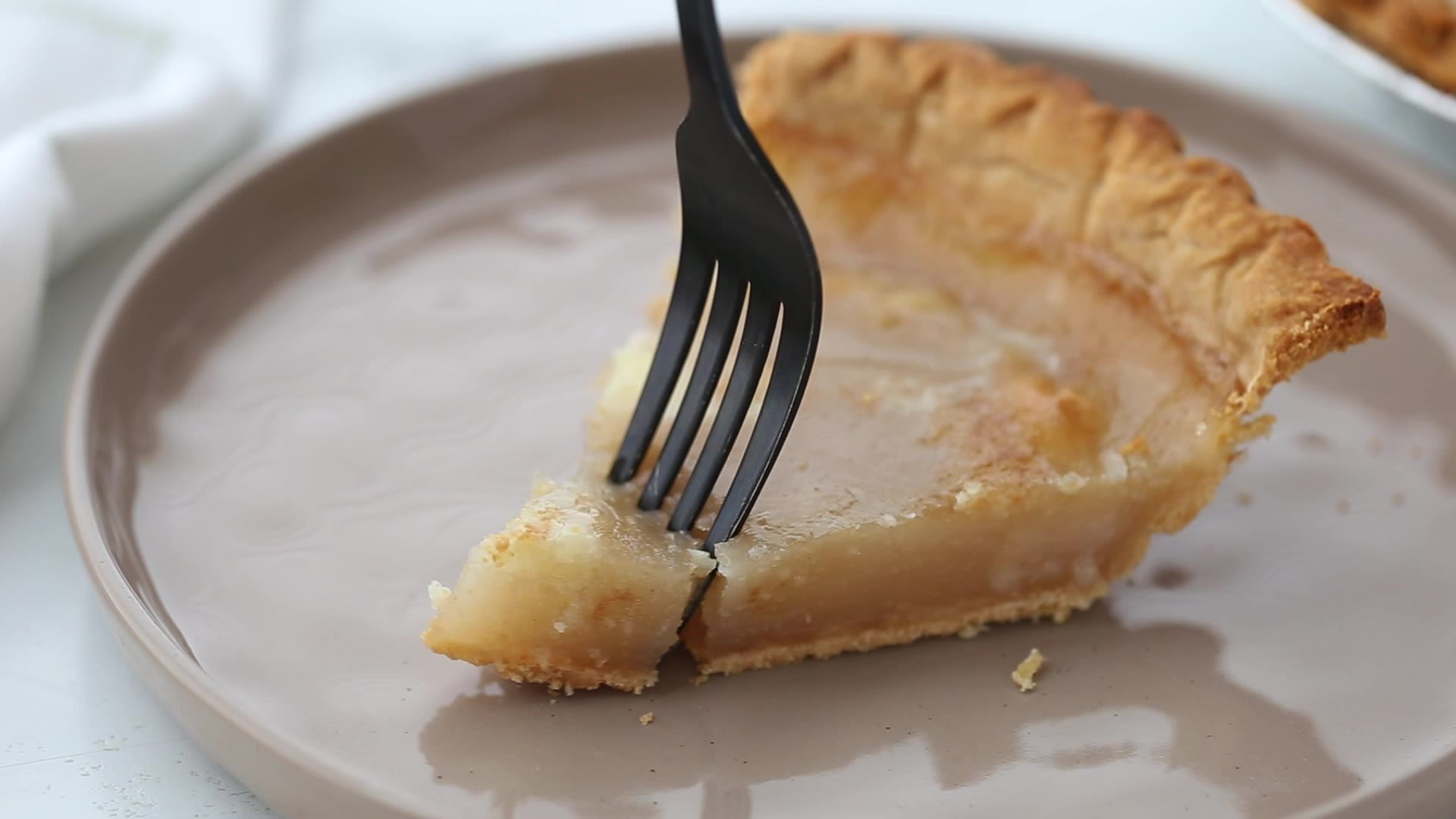
Butterscotch Pie Recipe: Butterscotch pie is the kind of dessert that instantly warms your heart and brings a sense of nostalgia with every bite. Rich, creamy, and packed with the deep caramel-like flavor of butterscotch, this pie is a true indulgence. Whether served after a hearty family dinner or as the star attraction at a holiday feast, it never fails to impress. The beauty of butterscotch pie lies in its balance—it’s sweet without being cloying, smooth yet firm enough to slice beautifully, and always comforting.
The aroma alone, with notes of brown sugar and butter mingling together, is enough to make anyone impatient for dessert. And the best part? While the flavor seems fancy enough for a bakery, the process is straightforward and completely doable at home. Whether you’re a seasoned baker or a kitchen newbie, following a detailed step-by-step recipe will ensure your pie turns out perfect every single time.
The Charm of Butterscotch Flavor
Butterscotch flavor is unique because it’s not just plain caramel—it has a deeper, richer taste thanks to brown sugar’s molasses content. That slight bitterness balances the sweetness beautifully, creating a flavor profile that’s warm, earthy, and luxurious. The buttery undertones combined with that golden sweetness make it irresistible. In a pie, this translates to a creamy custard-like filling that feels indulgent but familiar.
It’s also a versatile flavor that pairs beautifully with other ingredients—whipped cream, nuts, chocolate drizzle, or even a touch of sea salt can elevate your butterscotch pie into a gourmet masterpiece.
Why This Pie is a Timeless Dessert
Desserts come and go in popularity, but butterscotch pie has a timeless appeal. It has been a staple at family gatherings, church suppers, and holiday dinners for decades. The reason it has endured is simple—it’s delicious, satisfying, and carries a sense of tradition. In many families, it’s passed down as a “grandmother’s recipe,” cherished and preserved through generations.
Plus, unlike some desserts that rely heavily on seasonal ingredients, butterscotch pie can be made year-round. You don’t need fresh fruit or specialty items—just pantry basics like sugar, eggs, and butter. This accessibility has helped it remain a beloved favorite.
History and Origin of Butterscotch Pie
While the exact origin of butterscotch pie is a little hazy, we do know that butterscotch itself dates back to the early 19th century in England. The name “butterscotch” likely comes from “scotched” or scored butter candies, which were made with brown sugar and butter. Over time, cooks began transforming the flavor into puddings and custards, eventually using it as the base for pies.
In the United States, butterscotch pie became especially popular in the mid-20th century, appearing in church cookbooks, diner menus, and home kitchens across the Midwest and South. It was often made with a meringue topping, a signature style of pies during that era.
The Birth of Butterscotch
The earliest recorded butterscotch recipe was published in Yorkshire, England, in the 1800s. This version involved boiling brown sugar and butter together until thick, then letting it cool into a hard candy. As the flavor caught on, cooks experimented by incorporating cream, leading to softer confections and sauces that could be used in desserts.
Evolution into a Pie Dessert
Butterscotch pie likely emerged when home cooks combined the custard-making process with the butterscotch flavor base. The resulting dessert was essentially a pudding-filled pie crust, which could be topped with either whipped cream or meringue. By the 1950s, recipes for butterscotch pie were common in American cookbooks, cementing its place as a comfort dessert.
Ingredients Needed for Butterscotch Pie
One of the most appealing things about butterscotch pie is how simple the ingredient list is. You don’t need anything exotic—most of the essentials are probably already in your pantry.
Core Ingredients for the Filling
- Brown Sugar – The star of the show. Light brown sugar gives a sweeter, milder taste, while dark brown sugar brings a richer, molasses-heavy flavor.
- Butter – Unsalted butter is preferred to control the saltiness, but a pinch of salt can enhance flavor.
- Egg Yolks – They thicken the custard and give it a luscious texture.
- Cornstarch or Flour – Acts as a stabilizer for the filling.
- Milk or Cream – Whole milk gives a silky consistency, while cream makes it extra indulgent.
- Vanilla Extract – Adds depth and rounds out the flavor.
Ingredients for the Crust
- All-Purpose Flour – The base for a classic pie crust.
- Butter or Shortening – Creates a flaky texture.
- Cold Water – Helps bring the dough together without overworking it.
- Salt – Balances the flavors.
You can also opt for a pre-made crust if you’re short on time.
Optional Garnishes and Toppings
- Freshly Whipped Cream
- Meringue Topping
- Caramel Drizzle
- Chopped Pecans or Walnuts
- Shaved Chocolate
These extras can make your pie look bakery-worthy while adding extra layers of flavor.
Kitchen Tools and Equipment Required
Baking a perfect butterscotch pie doesn’t require fancy gadgets, but having the right tools will make the process smoother.
Essential Baking Tools
- Mixing Bowls – For combining ingredients at different stages.
- Whisk – To mix and aerate the filling.
- Saucepan – For cooking the butterscotch base.
- Measuring Cups and Spoons – For accuracy in baking.
- Rolling Pin – If making a homemade crust.
- Pie Dish – Standard 9-inch size works best.
Helpful Extras for Better Results
- Pastry Blender – Helps cut butter into flour for crusts.
- Silicone Spatula – Great for scraping every bit of filling from the pan.
- Cooling Rack – Prevents sogginess by allowing airflow under the pie dish.
- Kitchen Thermometer – Ensures your custard reaches the right temperature without scrambling the eggs.
Step-by-Step Butterscotch Pie Recipe
Let’s break down the process so you can make this pie with confidence.
Preparing the Pie Crust
- Mix Dry Ingredients – In a large bowl, combine flour and salt.
- Cut in Butter – Use a pastry blender or your fingers to work cold butter into the flour until it resembles coarse crumbs.
- Add Water – Drizzle in ice-cold water, one tablespoon at a time, until the dough comes together.
- Chill – Wrap in plastic wrap and refrigerate for at least 30 minutes.
- Roll Out and Fit – Roll into a circle, fit into your pie dish, and trim excess dough.
- Blind Bake – Prick the crust with a fork, line with parchment paper, fill with pie weights, and bake at 375°F (190°C) for 15 minutes. Remove weights and bake another 5–7 minutes until lightly golden.
Blind baking ensures the crust stays crisp even after adding the custard filling.
Making the Butterscotch Filling
This is the heart of your pie, so take your time here. The goal is a smooth, luscious custard that holds its shape but still melts in your mouth.
- Melt Butter and Sugar – In a medium saucepan over medium heat, melt butter, then stir in brown sugar. Cook for 2–3 minutes until the sugar is dissolved and the mixture smells rich and caramel-like.
- Add Milk – Slowly whisk in milk or cream. Heating it gradually prevents curdling.
- Thicken with Cornstarch – In a separate bowl, mix cornstarch with a little cold milk until smooth, then add it to the saucepan. Whisk continuously to prevent lumps.
- Temper the Eggs – In a small bowl, beat the egg yolks. Slowly whisk in a small amount of the hot mixture, then return it to the saucepan. This step keeps the eggs from scrambling.
- Cook Until Thick – Continue stirring over medium heat until the filling is thick enough to coat the back of a spoon.
- Add Vanilla – Remove from heat and stir in vanilla extract for a final layer of flavor.
Pro tip: If you notice lumps, don’t panic. Just pass the filling through a fine-mesh sieve before adding it to the crust.
Assembling and Baking the Pie
Once your crust and filling are ready, it’s time to bring it all together:
- Fill the Crust – Pour the warm filling into the pre-baked crust, smoothing the top with a spatula.
- Optional Meringue Topping – If you’re adding meringue, spread it over the filling while still hot, making sure it touches the crust edges to seal.
- Bake Again – If using meringue, bake at 350°F (175°C) for 10–12 minutes until golden. If skipping meringue, you can skip this baking step.
Cooling and Serving
Cooling is just as important as cooking. Butterscotch pie needs time to set; otherwise, it will be too runny when sliced.
- Room Temperature Cool – Let the pie sit on a cooling rack for about 1 hour.
- Chill in the Fridge – Refrigerate for at least 4 hours, preferably overnight, to allow the custard to firm up.
- Serve – For best results, slice with a sharp knife dipped in warm water and wipe between cuts for clean slices.
Tips for Perfect Butterscotch Pie Every Time
Even though this recipe is beginner-friendly, a few insider tricks can elevate your pie to bakery status.
Avoiding Common Mistakes
- Rushing the Filling – If you turn up the heat too high, the sugar can scorch, leaving a burnt flavor.
- Skipping the Blind Bake – Without pre-baking, the crust can turn soggy.
- Not Tempering Eggs – Adding hot liquid directly to eggs will scramble them. Always temper slowly.
Achieving the Perfect Texture and Flavor
- Choose the Right Brown Sugar – Light brown sugar for a delicate flavor, dark brown sugar for a richer taste.
- Use Whole Milk or Heavy Cream – Skim milk won’t give the same creaminess.
- Don’t Overcook the Custard – Once it’s thickened, remove it from heat immediately to prevent graininess.
Variations of Butterscotch Pie
The classic version is amazing, but experimenting with variations can make your pie even more exciting.
With Whipped Cream Topping
A generous layer of lightly sweetened whipped cream adds an airy contrast to the dense filling. You can also pipe it in decorative swirls for a fancier presentation.
With Meringue Topping
The traditional meringue topping offers a glossy, cloud-like finish. It’s baked until golden, providing a light, sweet counterpoint to the rich butterscotch.
Gluten-Free and Vegan Versions
- Gluten-Free – Use a gluten-free pie crust and cornstarch or arrowroot for thickening.
- Vegan – Replace dairy with coconut milk and butter with plant-based alternatives. Use cornstarch for thickening instead of egg yolks.
Serving Suggestions
Butterscotch pie is delicious on its own, but the right accompaniments can take it to the next level.
Best Pairings with Butterscotch Pie
- Hot Coffee or Espresso – The bitterness balances the sweetness.
- Vanilla Ice Cream – A cool, creamy contrast.
- Fresh Berries – Adds brightness and a touch of tartness.
Presentation Ideas
- Drizzle caramel sauce over each slice.
- Garnish with chocolate curls or shavings.
- Sprinkle with crushed toffee or nuts for texture.
Storage and Make-Ahead Tips
One of the best things about butterscotch pie is that it actually tastes better the next day, making it perfect for preparing ahead of time. The flavors have a chance to meld, and the custard sets beautifully.
Storing Leftovers Properly
- In the Fridge – Cover the pie loosely with plastic wrap or foil and refrigerate. It will stay fresh for up to 4 days. Avoid pressing the wrap directly onto the surface if topped with whipped cream or meringue.
- Individual Slices – If you plan to serve over multiple days, slice the pie and store each piece in an airtight container to keep them neat and ready to serve.
- Avoid Room Temperature Storage – Because of its dairy and egg content, leaving butterscotch pie out for more than 2 hours can cause spoilage.
Freezing and Reheating
While freezing is possible, the custard texture can change slightly after thawing. If you do freeze:
- Skip whipped cream or meringue before freezing; add after thawing.
- Wrap the pie tightly in plastic wrap, then in aluminum foil.
- Freeze for up to 2 months.
- Thaw overnight in the fridge before serving.
Nutritional Information
While butterscotch pie is definitely a treat, knowing its nutritional profile can help you plan your portions.
Calories and Macros
On average, a standard slice (1/8 of a 9-inch pie) contains:
| Nutrient | Amount (Approx.) |
|---|---|
| Calories | 350–420 kcal |
| Carbohydrates | 45–55 g |
| Protein | 5–6 g |
| Fat | 15–20 g |
| Sugar | 35–40 g |
Keep in mind that toppings like whipped cream or caramel drizzle will increase these numbers.
Healthier Substitutions
- Milk – Use almond milk or oat milk to cut calories.
- Sugar – Replace part of the brown sugar with coconut sugar or a sugar substitute.
- Crust – Opt for a nut-based crust made from ground almonds for a lower-carb option.
FAQs about Butterscotch Pie Recipe
1. Can I make Butterscotch Pie ahead of time?
Yes! In fact, it tastes even better after chilling overnight.
2. How do I fix a runny filling?
You can reheat it on the stove and whisk in a slurry of cornstarch and cold milk until thickened.
3. Can I use dark brown sugar instead of light?
Absolutely—just note that it will have a richer, more molasses-heavy flavor.
4. How long can Butterscotch Pie sit out?
No more than 2 hours due to its dairy and egg content.
5. What’s the best way to transport the pie?
Place it in a pie carrier or a flat box and keep it chilled with ice packs if traveling long distances.
Conclusion
Butterscotch pie is one of those desserts that never goes out of style. With its silky filling, flaky crust, and nostalgic flavor, it’s perfect for holidays, family gatherings, or simply when you want to indulge. Following this step-by-step guide will ensure your pie comes out rich, creamy, and absolutely irresistible every time. Whether you stick to the classic version or experiment with variations, it’s bound to become a recipe you’ll treasure.