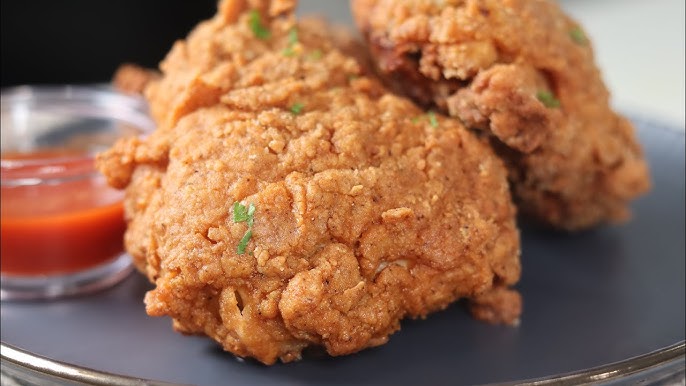
Buttermilk Chicken Recipe: Buttermilk chicken is a flavorful, tender, and juicy chicken dish marinated in a tangy buttermilk mixture before being cooked. The buttermilk works its magic by breaking down proteins in the chicken, making it incredibly tender. This dish can be prepared in various ways—fried for a crispy golden crust, baked for a healthier option, or even air-fried for that perfect crunch with less oil. Its appeal lies in the balance between crispy texture and succulent meat, making it a favorite comfort food in many households.
Why Use Buttermilk for Chicken?
The magic lies in buttermilk’s acidity. The mild tang gently tenderizes the chicken without turning it mushy, while its creamy texture allows spices and seasonings to cling better. Unlike harsher acids like vinegar or lemon juice, buttermilk imparts flavor while keeping moisture locked in. This is why many chefs and home cooks swear by buttermilk for achieving that perfect combination of tenderness and flavor in chicken recipes.
The Origin and Popularity of Buttermilk Chicken
History of Buttermilk in Cooking
Buttermilk has been used for centuries in kitchens worldwide, especially in baking and marinating meats. Traditionally, it was the liquid left behind after churning butter, slightly tangy and rich in nutrients. In the Southern United States, buttermilk became a staple in fried chicken recipes, cementing its place in culinary tradition. This method traveled across cultures, with variations popping up in Middle Eastern and Asian cuisines, where yogurt sometimes substitutes for buttermilk.
Buttermilk Chicken Around the World
While Southern fried buttermilk chicken is the most well-known, many countries have their own take on the dish. In India, for example, spiced buttermilk is used for chicken marinades, incorporating turmeric, chili, and coriander. In the UK, buttermilk chicken burgers have become a pub classic. This global love for buttermilk chicken shows how adaptable the recipe is, fitting perfectly with diverse cooking styles and flavor profiles.
Benefits of Marinating Chicken in Buttermilk
Tenderizing Effect
One of the biggest advantages of marinating chicken in buttermilk is the tender texture it creates. Buttermilk contains lactic acid, which slowly breaks down the chicken’s muscle fibers. This makes the meat softer without losing its structure. When cooked, the chicken stays moist inside while developing a beautiful crust outside.
Enhanced Flavor Profile
Beyond tenderness, buttermilk enriches the chicken’s flavor. Its creamy consistency acts like a flavor carrier, holding onto spices and herbs during the marinating process. Whether you want a classic herb blend or a fiery spice kick, buttermilk ensures those flavors penetrate deep into the meat rather than just sitting on the surface.
Ingredients for Buttermilk Chicken
Essential Ingredients
- Chicken pieces (thighs, drumsticks, breasts, or wings)
- Buttermilk (store-bought or homemade)
- Salt and pepper
- Paprika
- Garlic powder
- Onion powder
Optional Ingredients for Added Flavor
- Cayenne pepper for heat
- Fresh herbs like thyme, rosemary, or parsley
- Lemon zest for a citrusy twist
- Honey for a hint of sweetness
- Hot sauce for extra spice
The key is balancing flavors—too much salt can overpower, while too little seasoning can make the chicken bland.
Step-by-Step Buttermilk Chicken Recipe
Step 1 – Preparing the Chicken
Start by patting your chicken pieces dry with paper towels. This helps the marinade stick better. Trim excess fat if needed, but leave the skin on if you want extra crispiness later.
Step 2 – Creating the Buttermilk Marinade
In a large mixing bowl, combine buttermilk with your chosen seasonings. Whisk well so the spices are evenly distributed.
Step 3 – Marinating the Chicken
Place the chicken into the buttermilk mixture, making sure every piece is fully coated. Cover and refrigerate for at least 4 hours, ideally overnight.
Step 4 – Cooking Methods (Frying, Baking, Air Frying)
- Frying: Heat oil to 350°F, dredge marinated chicken in seasoned flour, and fry until golden brown.
- Baking: Preheat oven to 400°F, place chicken on a baking tray, and bake for 35–40 minutes.
- Air Frying: Cook at 375°F for 20–25 minutes, flipping halfway for even crispiness.
Tips for Perfect Buttermilk Chicken Every Time
Choosing the Right Chicken Cut
When making buttermilk chicken, the cut of meat you choose can drastically affect the final outcome. Chicken thighs and drumsticks are often preferred for frying because they stay juicy even if cooked a little longer, thanks to their higher fat content. Chicken breasts, while leaner, can dry out more easily, so they require careful cooking. If you’re aiming for the ultimate tenderness and flavor, bone-in and skin-on pieces are your best bet—they retain moisture and develop a richer taste.
Marinade Duration and Temperature Control
Marinating chicken in buttermilk is all about patience. The ideal marination time is between 8 and 24 hours. Anything less than 4 hours won’t allow enough time for the buttermilk to work its magic, while over 36 hours might make the texture too soft. Always marinate in the refrigerator to avoid bacterial growth, and when it’s time to cook, let the chicken sit at room temperature for about 20 minutes before frying or baking to ensure even cooking.
Variations of Buttermilk Chicken
Spicy Buttermilk Chicken
For heat lovers, spicy buttermilk chicken is a game-changer. Add cayenne pepper, chili powder, and a splash of hot sauce to the marinade. You can also coat the chicken in a flour mixture that’s spiked with paprika and extra chili for a fiery kick. Serve it with a cooling dip like ranch or yogurt sauce to balance the spice.
Herb-Infused Buttermilk Chicken
If you prefer fresh, aromatic flavors, add chopped herbs like rosemary, thyme, and parsley to the buttermilk marinade. These herbs release their oils during marination, infusing the chicken with earthy, fragrant notes. For an extra burst of freshness, sprinkle more fresh herbs over the chicken right before serving.
Serving Suggestions
Side Dishes that Pair Well
Buttermilk chicken pairs wonderfully with a variety of sides. Classic options include coleslaw, mashed potatoes, and cornbread for a Southern-style feast. For a lighter meal, try a crisp garden salad, grilled vegetables, or a tangy cucumber salad. If you’re feeling indulgent, loaded fries or mac and cheese can turn it into a comfort food dream.
Sauces and Dips
The right dip can take your buttermilk chicken to the next level. Creamy ranch dressing, honey mustard, barbecue sauce, or spicy sriracha mayo are all popular choices. For a unique twist, try a tangy yogurt-based sauce with lemon and garlic—it complements the chicken’s richness beautifully.
Common Mistakes to Avoid
Over-Marinating the Chicken
While marination is key to flavor and tenderness, too much of a good thing can be harmful. Leaving chicken in buttermilk for more than 36 hours can break down the meat excessively, giving it a mushy texture. Always stick to the recommended time frame for the best results.
Using Low-Quality Buttermilk
Not all buttermilk is created equal. Some store-bought versions are thin and watery, which won’t yield the same tenderizing effect. If possible, opt for full-fat cultured buttermilk or make your own by adding a tablespoon of lemon juice or vinegar to a cup of whole milk and letting it sit for 10 minutes. The thicker and creamier the buttermilk, the better the outcome.
Storing and Reheating Buttermilk Chicken
Best Storage Practices
Once cooked, let the chicken cool completely before storing it. Place it in an airtight container and refrigerate for up to 3 days. For longer storage, wrap each piece tightly in foil or plastic wrap, place in a freezer bag, and freeze for up to 2 months.
How to Reheat Without Losing Crispiness
The key to reheating fried buttermilk chicken is to preserve its crunch. Avoid microwaving, as it makes the coating soggy. Instead, preheat your oven to 375°F, place the chicken on a wire rack over a baking tray, and heat for about 15–20 minutes. For air fryer lovers, reheating at 350°F for 8–10 minutes works wonders.
Nutritional Value of Buttermilk Chicken
Calorie Breakdown
Buttermilk chicken’s nutritional profile depends on the cooking method. Fried versions are higher in calories due to oil absorption, averaging around 350–450 calories per serving. Baking or air frying can reduce the calorie count significantly, often by 100–150 calories per piece. Buttermilk itself is relatively low in calories, so most of the energy comes from the chicken meat and the cooking fat used.
Protein, Fats, and Carbs
Chicken is an excellent source of lean protein, essential for muscle repair and overall health. A single serving can offer 20–25 grams of protein. Frying adds extra fats, mostly from the oil, which can be healthy if you use options like canola or sunflower oil. Carbohydrates mainly come from the coating—using whole wheat flour or almond flour can make the dish slightly more nutrient-dense. If you’re on a low-carb diet, you can skip the breading and opt for baked buttermilk chicken for a leaner alternative.
FAQs about Buttermilk Chicken Recipe
1. Can I use yogurt instead of buttermilk?
Yes, plain yogurt mixed with a little water or milk can mimic the consistency and tang of buttermilk. This is a common substitution in areas where buttermilk isn’t readily available.
2. How long should I marinate buttermilk chicken?
For the best flavor and tenderness, marinate for at least 8 hours and up to 24 hours in the refrigerator.
3. Can I cook buttermilk chicken without frying?
Absolutely! Baking and air frying are excellent alternatives that reduce fat content while keeping the chicken juicy.
4. What’s the best oil for frying buttermilk chicken?
Neutral oils with a high smoke point, such as peanut, canola, or sunflower oil, work best for frying.
5. Why is my fried buttermilk chicken not crispy?
Possible reasons include overcrowding the frying pan, using oil that’s not hot enough, or skipping the step of patting the chicken dry before coating.
Conclusion
Buttermilk chicken is a timeless recipe that delivers on both flavor and texture. The tangy marinade not only tenderizes the meat but also infuses it with deep, satisfying flavors. Whether you fry, bake, or air fry it, the result is always a juicy interior paired with a flavorful crust. By following the right marination time, choosing quality ingredients, and picking your preferred cooking method, you can easily master this dish at home. Pair it with your favorite sides, experiment with different herbs and spices, and make it your own signature recipe.