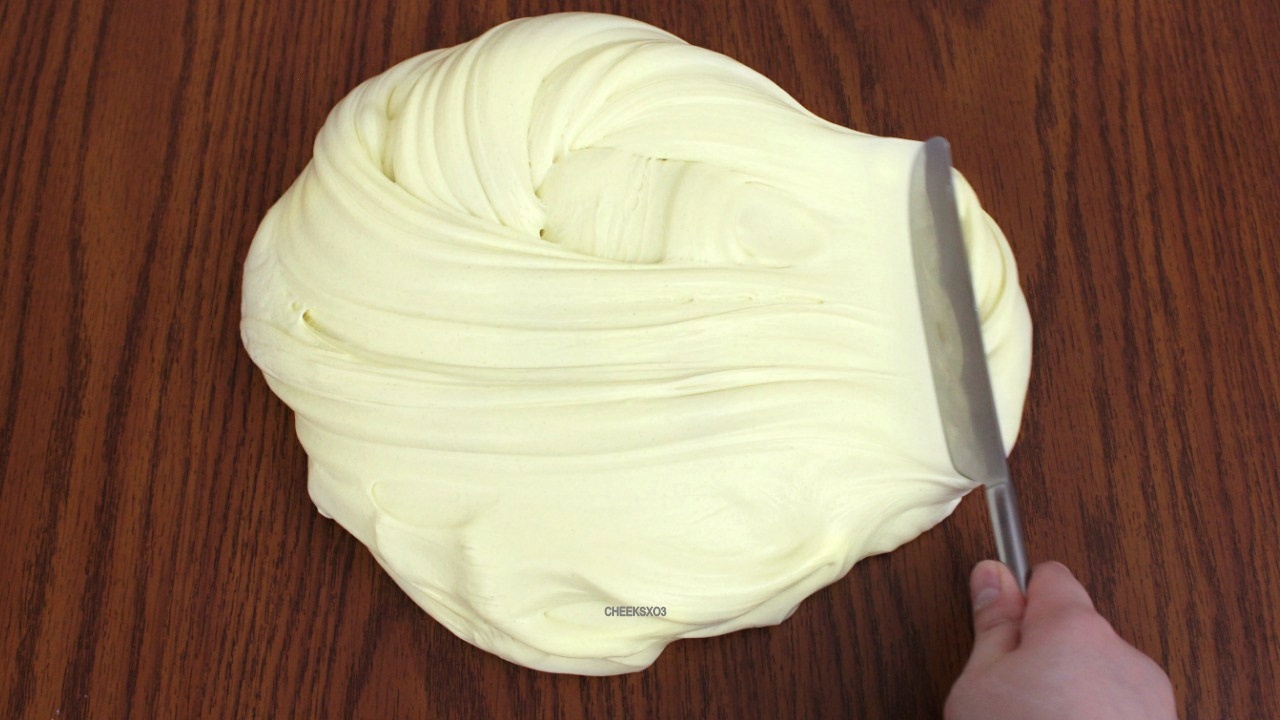
Butter Slime Recipe: Butter slime is a soft, stretchy, and ultra-smooth type of slime that feels almost like you’re kneading butter—but don’t worry, it’s not made from actual butter! This trendy slime is known for its creamy, spreadable texture and satisfying feel. Unlike regular slime, butter slime incorporates a special ingredient: soft clay. When mixed into slime, the clay gives it a rich, dough-like consistency that’s both moldable and stretchable. Kids love it for sensory play, while adults enjoy it as a stress-relief fidget. The name “butter slime” comes purely from its smooth texture and the way it can spread like butter, not from any edible ingredients.
If you’ve never tried making slime before, butter slime is a great place to start. It’s simple to make, highly customizable, and offers a unique twist compared to basic slime recipes. Whether you’re creating it for fun, as a calming activity, or for a craft project, this slime is sure to impress.
Why is it So Popular?
Butter slime has taken social media platforms like TikTok, YouTube, and Instagram by storm—and for good reason. The smooth, velvety texture is incredibly satisfying to watch in videos and even more fun to touch in real life. Slime enthusiasts love how it holds shapes for a few seconds before slowly relaxing back into a soft mound, making it perfect for ASMR-style content.
Another reason for its popularity is how easy it is to personalize. You can add vibrant colors, fun scents, or even glitter to make it uniquely yours. Unlike some slimes that can be overly sticky or messy, butter slime is relatively easy to handle and less likely to stick to your hands, which makes it a favorite among parents and teachers for kids’ activities. Plus, the process of making it can be just as fun as playing with the finished product.
Benefits of Making Butter Slime at Home
Fun and Stress Relief
Playing with butter slime is more than just a fun pastime—it’s a fantastic stress buster. The repetitive stretching, squishing, and folding motions can help calm your mind, much like kneading bread dough or squeezing a stress ball. Many people find the soft resistance of the slime to be incredibly satisfying, almost like a mini hand massage.
For children, butter slime offers a wonderful way to engage their senses. It provides tactile stimulation, helping them develop fine motor skills while keeping them entertained. For adults, it can be a soothing activity to wind down after a busy day. Even watching someone play with butter slime in videos can have a calming effect, which is why slime videos are so popular online.
Educational and Creative Activity for Kids
Making butter slime can be an educational experience disguised as fun. Kids get to measure ingredients, follow step-by-step instructions, and experiment with textures—basically, they’re doing hands-on science without even realizing it. The process teaches patience, cause-and-effect relationships, and creativity.
Parents and teachers can even turn slime-making into a themed activity. For example, create “galaxy butter slime” for a space lesson, or make “fruit-scented butter slime” to accompany a sensory exploration day. Because the recipe is simple and safe (when using non-toxic ingredients), it’s suitable for kids as young as preschool age, with adult supervision.
Ingredients You’ll Need for Butter Slime
Essential Ingredients
To make a basic butter slime, you’ll need just a few simple ingredients:
- White school glue (such as Elmer’s) – the base of your slime.
- Liquid slime activator – either store-bought or homemade using borax and water or contact lens solution with baking soda.
- Soft clay – such as Daiso clay, which gives the slime its signature buttery texture.
- Food coloring – optional, for adding vibrant colors.
- Water – to help adjust consistency.
Each of these plays an important role in achieving that perfect butter slime texture. The glue gives stretch, the activator firms it up, and the clay transforms it into that dreamy, spreadable slime we’re aiming for.
Optional Add-ons for Customization
Once you’ve mastered the basic recipe, you can get creative with add-ins:
- Scents – like vanilla, strawberry, or lavender for a fun sensory twist.
- Glitter – for a sparkling effect.
- Glow powder – for a glowing slime in the dark.
- Mini foam beads – to add extra texture.
Customizing your slime not only makes it more fun but also lets you match it to a specific theme or holiday. For example, red and green glitter for Christmas, or pastel shades for springtime crafts.
Tools and Materials Required
Basic Tools You Already Have
You don’t need fancy equipment to make butter slime—most tools can be found in your kitchen:
- Mixing bowl
- Measuring spoons and cups
- Stirring spoon or spatula
- Airtight container for storage
Slime-Specific Tools for Better Results
If you plan to make slime often, investing in a few extra tools can make the process smoother:
- Silicone mixing mats to keep your work area clean
- Plastic or wooden craft sticks for mixing
- Small squeeze bottles for storing homemade activator
- Clay cutters or molds for shaping your slime creations
These aren’t essential, but they can make slime-making more efficient and less messy—especially if you’re working with kids.
Step-by-Step Butter Slime Recipe
Step 1 – Preparing the Glue Base
Start with a clean mixing bowl to avoid unwanted debris in your slime. Pour in about ½ cup of white school glue. This is your main slime base and will determine how stretchy and soft the final product feels. If you want your butter slime to be extra fluffy, you can mix in 1–2 tablespoons of water at this stage to slightly thin out the glue.
Next, if you want a specific color, now is the time to add food coloring. A few drops are usually enough, but you can add more for a brighter shade. Stir well until the color is evenly distributed. It’s important to mix slowly to avoid creating too many air bubbles, which can make the slime look less smooth.
Pro tip: Use gel food coloring for more vibrant colors without adding too much extra liquid. This step sets the stage for a beautiful, evenly colored slime later on.
Step 2 – Mixing in the Activator
The activator is what transforms your runny glue into slime. You can use store-bought slime activator, or make your own using 1 teaspoon of borax dissolved in 1 cup of warm water, or a mix of ½ teaspoon baking soda with 1 tablespoon contact lens solution.
Slowly add your activator to the glue mixture, one teaspoon at a time, stirring continuously. You’ll see the glue start to clump together and pull away from the sides of the bowl. Keep mixing until the slime is mostly formed but still a little sticky—this ensures it will be soft and flexible after adding the clay.
Be careful not to over-activate. Adding too much will make the slime stiff and rubbery, which will make it harder to mix with the clay later.
Step 3 – Adding the Soft Clay
Now for the ingredient that makes butter slime truly unique—soft clay. Daiso clay is a popular choice because of its ultra-soft, smooth texture, but you can also use Crayola Model Magic or other similar air-dry clays.
Take a small portion of clay (about the size of a golf ball for every ½ cup of slime) and press it into the slime. Knead them together with your hands until the clay is fully integrated. You’ll notice the slime becoming thicker, softer, and more dough-like with each fold.
If the slime feels too thick after adding clay, you can mix in a teaspoon of water or lotion to restore softness. This is the magic moment when your slime transforms into that iconic buttery texture.
Step 4 – Kneading and Perfecting the Texture
Kneading is essential for achieving smooth, spreadable butter slime. Use a gentle folding and stretching motion, similar to kneading bread dough. This helps evenly distribute the clay while keeping the slime fluffy.
If you want to make your slime stretchier, add a pea-sized amount of lotion or baby oil during kneading. If it feels sticky, add a drop or two of activator and keep working it until smooth.
By the end of this stage, you should have a soft, pliable, and satisfying slime that spreads like butter but stretches without breaking.
Tips for the Perfect Butter Slime Texture
Common Mistakes and How to Avoid Them
Even with a simple recipe, butter slime can go wrong if you’re not careful. Here are some common mistakes and quick fixes:
- Over-activating – Too much activator will make slime stiff. Always add small amounts at a time.
- Under-mixing clay – If the clay isn’t fully mixed in, you’ll get lumps. Knead thoroughly for smoothness.
- Using the wrong clay – Regular modeling clay is too hard and will make the slime crumbly. Stick to soft air-dry clay.
- Skipping lotion or oil – Without a softening agent, the slime may lose flexibility faster.
How to Fix Sticky or Hard Slime
- Sticky slime – Add a drop or two of activator and knead until smooth.
- Hard slime – Add lotion or baby oil, knead well, and store in an airtight container to soften over time.
- Dry slime – Mix in a few drops of warm water and work it in slowly.
With a little care, you can keep your butter slime soft and perfect for weeks.
Creative Variations of Butter Slime
Colorful Butter Slime
Why settle for one color when you can make a rainbow? Divide your slime into smaller portions, color each one differently, then swirl them together for a marbled effect.
Scented Butter Slime
Add a few drops of essential oil or food-safe fragrance oil for a scented experience. Vanilla, strawberry, and cotton candy are popular choices.
Glitter and Glow-in-the-Dark Options
For extra fun, mix in glitter or glow powder before adding clay. This works especially well for themed slimes like “Galaxy Butter” or “Unicorn Butter.”
Safety Tips for Kids and Adults
Non-Toxic Ingredients
Always choose non-toxic glue and clay, especially if children are involved. Even though butter slime isn’t edible, kids may accidentally put it near their mouths.
Slime Storage and Maintenance
Keep slime in an airtight container when not in use. This prevents it from drying out and collecting dust or lint.
How to Store Butter Slime for Long-Lasting Fun
Best Storage Containers
Butter slime lasts longest when stored in an airtight container that seals tightly. Plastic food storage containers, screw-top jars, or even resealable freezer bags work well. Just make sure the container is completely clean and dry before storing your slime—any moisture or crumbs can encourage mold growth over time.
For extra freshness, store your slime in a cool, dry place away from direct sunlight. Heat can cause it to dry out faster, while humidity may make it sticky. If you plan on making multiple batches, label each container with the date you made it so you can keep track of its age.
How to Refresh Dried-Out Slime
Over time, butter slime can lose some of its softness. Luckily, it’s easy to revive:
- Add a small amount of unscented lotion or baby oil.
- Knead thoroughly until the slime becomes soft again.
- If it’s extremely dry, mix in a teaspoon of warm water and knead slowly until the water is absorbed.
Avoid adding too much liquid at once, or you’ll end up with sticky slime that needs reactivation. A little at a time works best.
FAQs about Butter Slime Recipe
Can You Make It Without Borax?
Yes! Many people prefer borax-free recipes, especially for kids. You can use a baking soda + contact lens solution combination as your activator. The slime will still turn out smooth and spreadable without borax powder.
How Long Does It Last?
With proper storage, butter slime can last up to 1–2 months before it starts to dry out or lose texture. Adding lotion during playtime can help extend its life.
Is It Edible?
No—despite its name, butter slime is not food and should never be eaten. It’s made from glue and clay, both of which are non-toxic but not safe for consumption.
Conclusion
Making butter slime at home is an incredibly fun, creative, and rewarding activity for kids and adults alike. From its smooth, spreadable texture to its endless customization options, this slime offers hours of entertainment. By following the step-by-step guide above—selecting the right ingredients, using soft clay, and kneading to perfection—you can create a batch of butter slime that’s as satisfying to play with as it is beautiful to look at.
Whether you want to relieve stress, encourage hands-on learning, or simply enjoy some creative playtime, butter slime delivers. And with proper care and storage, your homemade slime can stay soft, spreadable, and fun for weeks.