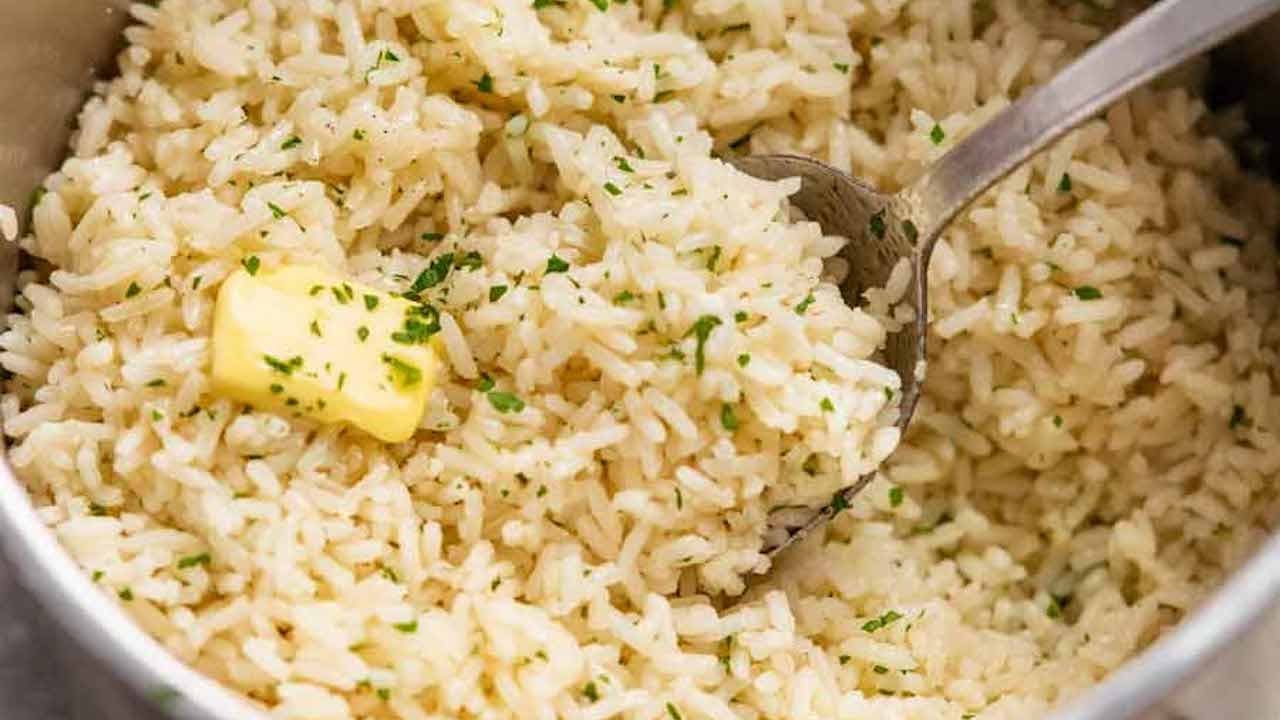
Butter Rice Recipe: There’s something truly comforting about a bowl of soft, fluffy butter rice. It’s rich, warm, and goes well with almost anything—from grilled meats to saucy curries. But here’s the thing: not all butter rice is made the same. Some come out too mushy, others too bland. If you want to master the perfect butter rice recipe, you’re in the right place.
In this detailed guide, we’ll go over everything from the ingredients you’ll need to pro cooking tips that can make your rice restaurant-quality. Whether you’re a beginner in the kitchen or just looking to spice up your rice game, this guide is here to help.
Why You’ll Love This Recipe
Let’s be honest—plain white rice is boring. But when you infuse it with butter, it transforms into something luxurious. Here’s why butter rice deserves a spot in your weekly menu:
- Simple ingredients: You only need a handful of pantry staples.
- Quick to make: It’s ready in under 30 minutes.
- Versatile: Serve it with chicken, steak, stir-fry, or even on its own.
- Customizable: Add herbs, spices, or cheese to make it your own.
- Family favorite: Even picky eaters love it.
Butter rice is proof that sometimes the simplest dishes are the best. All you need is a few key steps, and you’ll have a side dish that’s so good, you might just forget about the main course.
Perfect Pairings with Butter Rice
Before diving into the cooking steps, let’s talk about what goes well with butter rice. Its mild, creamy flavor makes it a great match with:
- Grilled chicken or beef
- Stir-fried veggies
- Curry dishes (especially Indian or Thai)
- Roasted or baked fish
- Eggs (for a breakfast rice bowl)
- Stews and gravies
You can even use it as a base for fried rice the next day—talk about leftovers done right!
Ingredients You’ll Need
When it comes to butter rice, the ingredients are pretty straightforward. But using quality ingredients makes a big difference in taste and texture.
Main Ingredients:
- Long-grain white rice – 1 cup (basmati or jasmine are best)
- Butter – 2 to 3 tablespoons (unsalted or salted)
- Water or chicken broth – 2 cups (broth adds more flavor)
- Salt – ½ teaspoon (adjust to taste)
Optional Add-ins for Extra Flavor:
- Minced garlic – 1 to 2 cloves
- Onion powder or diced onions
- Black pepper or crushed red pepper
- Fresh herbs (parsley, thyme, chives)
- Grated cheese (Parmesan or cheddar)
If you’re aiming for extra flavor, go for broth instead of plain water. Chicken or vegetable broth makes a world of difference.
Kitchen Tools Required
You don’t need anything fancy to make butter rice. Here’s a quick list of what you’ll use:
- Medium-sized saucepan or pot with lid
- Measuring cups and spoons
- Fine mesh strainer (for rinsing rice)
- Wooden spoon or silicone spatula
- Fork (for fluffing the rice)
That’s it—no rice cooker or pressure cooker needed (though you can use them if you prefer).
Preparation Tips Before You Start
Here are a few things to keep in mind before getting started:
- Always rinse your rice: This removes excess starch and keeps your rice from becoming sticky.
- Use the right rice-to-water ratio: 1:2 works best for most white rice.
- Don’t skip the resting time: After cooking, let the rice sit covered for 5–10 minutes to finish steaming.
A little prep goes a long way when it comes to rice. These tips ensure you get fluffy, buttery perfection every single time.
Step-by-Step Guide to Cooking Butter Rice
Now, let’s break it down step by step. Follow these instructions closely, and you’ll never deal with bland or gummy rice again.
Step 1: Rinse the Rice
Place the rice in a bowl or fine mesh strainer and rinse under cold water until the water runs clear.
Why rinse?
This removes excess starch, which causes the rice to clump together. Rinsing ensures each grain stays separate and fluffy.
Step 2: Melt the Butter
In a medium saucepan over medium heat, melt 2 tablespoons of butter.
Pro tip:
Add a bit of garlic or onion to the melted butter to kick up the flavor.
Step 3: Toast the Rice
Add the rinsed rice to the melted butter. Stir frequently for about 2-3 minutes until the rice becomes slightly golden and smells nutty.
Why toast?
It adds a subtle roasted flavor and helps keep the grains separate after cooking.
Step 4: Add Water or Broth
Pour in 2 cups of water or chicken broth. Stir gently to mix with the rice.
Important:
Once you add liquid, don’t stir too much—that can make the rice sticky.
Step 5: Season the Rice
Add salt (and other seasonings if using). Bring to a gentle boil over medium-high heat.
You can toss in herbs or spices at this stage too, depending on your flavor preferences.
Step 6: Simmer & Cook
Once boiling, reduce the heat to low and cover the pot with a tight-fitting lid. Let it simmer for 15–18 minutes.
Don’t lift the lid!
It’s tempting, but lifting the lid releases steam and affects the texture.
Step 7: Let It Rest
After 15–18 minutes, remove the pot from heat but keep the lid on. Let the rice sit for another 5–10 minutes.
This resting period lets the rice absorb any leftover moisture, resulting in perfectly cooked grains.
Step 8: Fluff and Serve
Use a fork to gently fluff the rice. This separates the grains and keeps the texture light and airy.
Add an extra pat of butter on top before serving if you want extra richness.
Tips for Making the Best Butter Rice
If you want your butter rice to stand out every time, here are some expert tips that can make a big difference:
- Use high-quality butter: This might seem obvious, but not all butter is created equal. Go for real butter—European-style if you can—for a richer, creamier taste.
- Don’t skip toasting the rice: It’s a simple step that adds deep, nutty flavor and keeps the texture from turning mushy.
- Stick with long-grain rice: Long-grain rice like jasmine or basmati stays fluffy and separates beautifully after cooking.
- Let it rest before fluffing: After turning off the heat, always let your rice rest. It allows the moisture to settle evenly throughout the pot.
- Flavor the butter: Want a flavor twist? Infuse your butter with garlic, rosemary, or thyme before adding the rice.
- Cook on low heat: High heat might cause the bottom layer to burn while the top stays undercooked. Keep it low and slow.
Mastering these tricks will take your butter rice from basic to irresistible. Once you start following these tips, you’ll never go back to boring white rice again.
Common Mistakes to Avoid
Even though it’s a simple recipe, butter rice can go wrong if you’re not careful. Here are some common mistakes people make—and how you can avoid them:
- Using too much water: This leads to soggy, overcooked rice. Stick to the 1:2 rice-to-liquid ratio unless your rice package says otherwise.
- Forgetting to rinse the rice: Unwashed rice has extra starch, which can make it sticky and clumpy.
- Cooking on high heat: This can cause the water to evaporate too fast, leaving you with undercooked rice.
- Removing the lid too soon: Rice needs to steam properly. Lifting the lid mid-cook releases essential heat and moisture.
- Not resting the rice after cooking: It might seem unnecessary, but this step finishes the cooking process without more heat.
Avoiding these mistakes ensures that every batch of butter rice turns out fluffy, flavorful, and totally satisfying.
How to Store and Reheat Butter Rice
Made too much? No worries—butter rice stores and reheats beautifully, making it perfect for meal prep or leftovers.
Storing:
- Allow the rice to cool completely before storing.
- Transfer it to an airtight container.
- Refrigerate for up to 4 days.
Freezing:
- Portion it out into freezer-safe bags or containers.
- Label with the date and freeze for up to 1 month.
- To reheat, sprinkle a few drops of water and microwave it or heat in a covered pan.
Reheating Tips:
- For microwave: Add a splash of water, cover with a damp paper towel, and microwave in 1-minute intervals.
- For stovetop: Heat in a pan over medium-low heat with a little extra butter or broth to prevent drying out.
Proper storage keeps your rice fresh and flavorful, ready to go as a quick side for your next meal.
Variations of Butter Rice
Want to switch it up a bit? Here are three tasty variations you can try to give your butter rice a fresh twist.
Garlic Butter Rice
- Add minced garlic (1-2 cloves) to the butter before toasting the rice.
- Sauté until golden and fragrant.
- Adds a bold, savory kick to the dish—great with grilled meats or veggies.
Herbed Butter Rice
- Mix in chopped fresh herbs like parsley, dill, or thyme after cooking.
- For a more intense flavor, sauté herbs in butter before adding rice.
- This version works beautifully as a side with fish or chicken.
Cheesy Butter Rice
- Stir in ½ cup grated cheese (like cheddar or parmesan) after cooking.
- Mix while the rice is still warm so the cheese melts evenly.
- Great for kids or as a comfort food side dish!
These versions are a great way to personalize your butter rice and adapt it to different meals and taste buds.
Is Butter Rice Healthy?
That depends on how you make it—and how much you eat. Let’s break it down:
Pros:
- Simple ingredients: No additives or preservatives when made from scratch.
- Customizable: Use brown rice for extra fiber, or add vegetables for a nutritional boost.
- Butter in moderation: Butter is high in fat, but in small amounts, it adds healthy fats and flavor.
Cons:
- Calories from butter: Overdoing it can increase saturated fat intake.
- White rice has less fiber: Compared to whole grains, white rice lacks fiber and some nutrients.
Health tip:
Use less butter or swap part of it with olive oil. You can also bulk it up with peas, carrots, or bell peppers for added nutrition.
So yes, butter rice can be part of a balanced meal—as long as you’re mindful of portion sizes and pair it with healthy proteins or veggies.
Butter Rice for Meal Prep
Butter rice is a meal prep hero—it’s versatile, easy to reheat, and goes with just about anything. Here’s how to make the most of it:
- Make a large batch on Sunday and store in individual containers.
- Pair with proteins like grilled chicken, tofu, or shrimp.
- Mix in roasted vegetables for a complete meal.
- Use it as a base for rice bowls, burritos, or even fried rice.
Because it reheats so well, butter rice can save you tons of time and effort during a busy week. Plus, having it ready in the fridge means you’re less likely to reach for unhealthy takeout.
FAQs about Butter Rice Recipe
Q1: Can I use brown rice instead of white rice?
Yes, but keep in mind that brown rice takes longer to cook and needs more water (about 2½ cups per cup of rice). The flavor will also be nuttier and chewier.
Q2: How can I make butter rice vegan?
Simply use a plant-based butter alternative or swap butter with olive oil. Also, use vegetable broth instead of chicken broth.
Q3: Can I make butter rice in a rice cooker?
Absolutely. Toast the rice and butter on the stovetop first (optional), then transfer to your rice cooker with the liquid and let it do its thing.
Q4: What type of butter is best?
Unsalted butter gives you more control over seasoning, but salted works too. For a richer flavor, use European-style butter like Kerrygold.
Q5: Why is my rice always sticky?
You might be using too much water or not rinsing your rice. Also, over-stirring or lifting the lid too early during cooking can cause it to become sticky.
Conclusion
Butter rice might be simple, but it packs a punch of flavor and comfort. Whether you’re cooking for your family or just treating yourself to something cozy and delicious, this easy butter rice recipe is the perfect go-to.
With the right ingredients, a few smart techniques, and a little bit of love, you’ll be making buttery, fluffy, golden rice that’ll win hearts (and appetites). Plus, it’s one of those dishes that plays nice with whatever’s in your fridge—from herbs and spices to proteins and sauces.
So next time you need a quick side dish or meal prep idea, don’t overlook butter rice. It’s more than just a filler—it’s the star of the plate.