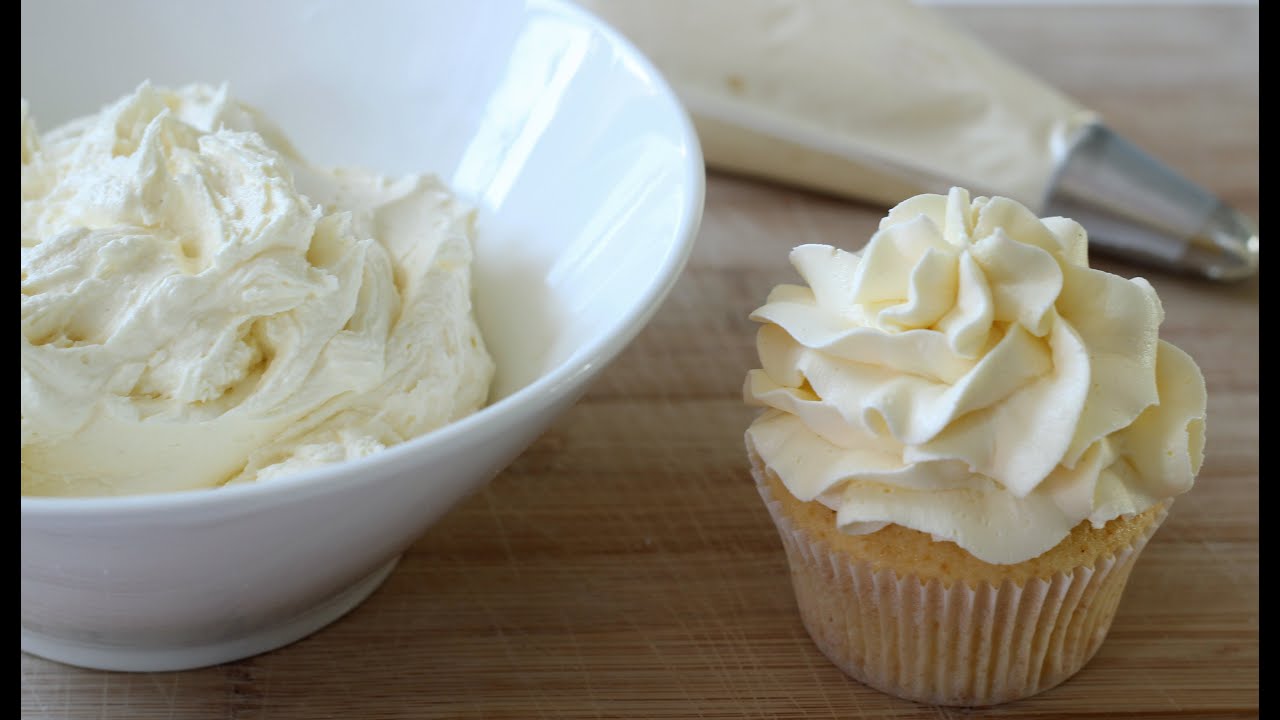
Butter Icing Frosting Recipe: Butter icing frosting—just the name brings back memories of decadent birthday cakes, cupcakes with towering swirls, and cookies topped with rich, creamy goodness. Whether you’re a beginner baker or a seasoned pro, mastering this classic frosting is a game-changer. It’s smooth, buttery, sweet, and oh-so-easy to make once you get the hang of it. The best part? You can flavor it, color it, and style it any way you want.
In this step-by-step guide, we’ll walk you through everything you need to know—from the ingredients to the tools, from the method to expert tips—so your butter icing always turns out perfectly fluffy and delicious. Let’s dive in!
What is Butter Icing Frosting?
Butter icing frosting, also known as buttercream, is a smooth and creamy topping made primarily from butter and powdered sugar. It’s the most common frosting used in baking because it’s easy to make, tastes amazing, and can be customized with endless flavors and colors.
While “icing” and “frosting” are often used interchangeably, there is a slight difference. Icing is typically thinner and glossier, while frosting is thicker and fluffier. Butter icing falls somewhere in between—firm enough to pipe beautiful decorations, but soft enough to spread smoothly on a cake.
Historically, buttercream originated in Europe, with different regions putting their spin on it. Today, it’s a must-have in every baker’s kitchen. Whether you’re going for a rustic homemade cake or a pro-level design, butter icing is the foundation.
Types of Butter Icing Frosting
There’s more than one way to whip up butter icing. Here are the most popular types:
American Buttercream
- The simplest and most common.
- Made with butter, powdered sugar, milk or cream, and vanilla.
- Sweet and thick with a crusting texture when set.
Swiss Meringue Buttercream
- Made by gently heating egg whites and sugar, then whipping them into a meringue before adding butter.
- Silky and smooth with a less sweet flavor.
- Great for professional cake decorating.
Italian Meringue Buttercream
- Similar to Swiss, but uses hot sugar syrup added to whipped egg whites.
- Stable and luxurious.
- Requires more precision but worth the effort.
French Buttercream
- Uses egg yolks instead of whites.
- Rich, custardy, and very creamy.
- Not as common due to the use of raw yolks, but incredibly indulgent.
Each type has its purpose, but for everyday use, American buttercream (classic butter icing) is the easiest and most accessible. That’s what we’ll focus on in this guide.
Ingredients You’ll Need
Let’s keep it simple and focus on ingredients for a classic American buttercream:
Essential Ingredients:
- Unsalted Butter – 1 cup (softened to room temperature)
- Powdered Sugar (Icing Sugar) – 3 to 4 cups (sifted for best texture)
- Vanilla Extract – 1 to 2 teaspoons
- Milk or Heavy Cream – 2 to 4 tablespoons (adjust for consistency)
- Pinch of Salt – Optional, but helps balance sweetness
Optional Add-ins:
- Flavor Extracts – Almond, lemon, peppermint, etc.
- Food Coloring – Gel-based colors work best
- Cocoa Powder – For chocolate buttercream
- Fruit Purees or Zests – For natural flavors
Pro Tip: Always use high-quality butter. The taste of butter dominates the flavor profile, so don’t skimp. Also, room temperature butter is key to a smooth consistency—too cold and it won’t mix well; too warm and it’ll melt.
Tools You’ll Need
Having the right tools makes all the difference. Here’s what you need:
Mixing Equipment:
- Stand Mixer or Hand Mixer – Essential for proper creaming
- Large Mixing Bowl – Preferably metal or glass
- Rubber Spatula – For scraping down sides
Measuring Tools:
- Measuring Cups & Spoons
- Digital Kitchen Scale – For precision (especially if baking professionally)
For Application and Storage:
- Piping Bags and Tips – For decorating cupcakes or cakes
- Offset Spatula – To spread frosting evenly
- Airtight Containers – For storing leftover icing
With your ingredients and tools ready, let’s move on to the fun part—making the butter icing frosting!
Step-by-Step Guide: Classic Butter Icing Frosting
Step 1: Soften the Butter Properly
Start with room-temperature butter. This is non-negotiable. It should be soft enough that your finger leaves a dent, but not melting. If it’s too cold, it won’t cream properly. Too warm, and it’ll turn greasy.
To speed things up, you can cut the butter into small cubes and leave it on the counter for 15–20 minutes. Avoid microwaving—it melts unevenly.
Step 2: Beat the Butter Until Creamy
Using your mixer (stand or hand), beat the butter on medium-high speed for 3–5 minutes until it’s pale and fluffy. This step builds the base of your frosting.
The longer you beat, the lighter it gets. You want it creamy and smooth, almost like whipped cream. This step helps prevent your icing from tasting too dense or greasy.
Step 3: Gradually Add Powdered Sugar
Sift your powdered sugar to eliminate any lumps. Then, reduce your mixer speed to low and gradually add sugar, about 1/2 cup at a time. Once it’s incorporated, increase the speed and beat until smooth.
Keep doing this until all the sugar is added. Depending on your desired sweetness and thickness, you can adjust the amount. For stiffer frosting, add more sugar; for a softer feel, reduce it slightly.
Step 4: Add Milk or Cream to Adjust Consistency
Once the sugar is in, add 1 tablespoon of milk or heavy cream at a time. This loosens up the texture and makes it easier to spread or pipe.
- For thicker frosting (great for piping), use less liquid.
- For smoother, spreadable frosting, add a little more.
Be careful not to add too much at once—go slow and steady.
Step 5: Add Vanilla Extract or Other Flavors
Now’s the time to add your vanilla or any other flavorings. 1 to 2 teaspoons is perfect for a classic vanilla flavor. Want to experiment? Try almond extract, citrus zest, or a splash of coffee.
Beat the frosting for another minute to combine the flavors well.
Step 6: Mix Until Light and Fluffy
Final step! Turn your mixer to high and whip the frosting for 2–3 more minutes. It should be light, airy, and fluffy at this point.
If needed, adjust with a little more sugar (to thicken) or milk (to loosen). Scrape down the sides and taste-test—it should be smooth, creamy, and perfectly sweet.
Tips for Perfect Butter Icing
Making butter icing seems simple, but a few insider tips can take your frosting from average to bakery-quality.
1. Temperature Is Everything
Butter must be at the right room temperature—not cold and firm, and not soft and greasy. If it’s too warm, the frosting may separate or become too loose. If it’s too cold, it won’t whip up fluffy.
Your kitchen temperature matters too. In a hot environment, the frosting can melt quickly. If that happens, pop the bowl in the fridge for 10–15 minutes and whip again.
2. Sift Your Sugar
Always sift your powdered sugar to avoid clumps in the frosting. Lumpy sugar leads to grainy texture and uneven mixing.
3. Beat It Long Enough
Don’t stop mixing too soon. A good 5–8 minutes of total mixing time makes a big difference. You want a light and fluffy finish, not a dense spread.
4. Taste and Adjust
Everyone has a different sweet tooth. Some like it super sweet, while others prefer mild. Taste your frosting before using, and adjust by adding more sugar or more salt or cream.
5. Use High-Fat Butter
Full-fat European-style butters have a higher fat content, which means richer, creamier frosting. The taste is noticeably better, especially if butter is the main ingredient.
6. Add Liquid Slowly
Don’t pour in all the milk or cream at once. You might end up with runny frosting. Go one tablespoon at a time and beat after each addition.
Coloring Your Butter Icing
Want to make your frosting pop with color? Here’s how to do it right.
Best Types of Food Coloring:
- Gel Food Coloring: Highly concentrated, vibrant, and doesn’t thin the frosting.
- Powdered Food Coloring: Great for pastel shades and keeping consistency.
- Liquid Food Coloring: Avoid if you want stiff frosting (for piping); it may thin it out too much.
How to Mix Color Evenly:
- Start with a toothpick and add just a bit at a time.
- Beat the frosting thoroughly after adding color.
- Let it sit for 10–15 minutes—the color deepens as it rests.
Tips for Vibrant Colors:
- For bold colors like red or black, gel colors are a must.
- If your frosting gets too soft from overmixing with color, chill it briefly before using.
- Want pastel shades? Just a tiny dab of gel goes a long way.
Colorful frosting doesn’t just look fun—it transforms the whole vibe of your desserts!
Flavor Variations to Try
Once you’ve mastered classic butter icing, the sky’s the limit with flavors. Here are some easy variations to level up your desserts:
1. Chocolate Buttercream
- Add 1/2 cup unsweetened cocoa powder or melted dark chocolate.
- Pair it with chocolate, vanilla, or banana cakes.
2. Lemon Buttercream
- Add 1 tablespoon fresh lemon juice and 1 teaspoon lemon zest.
- Great for lemon, blueberry, or poppy seed cakes.
3. Coffee Buttercream
- Dissolve 1 tablespoon instant coffee in 1 tablespoon hot water, then mix into frosting.
- Perfect for mocha cakes and tiramisu cupcakes.
4. Strawberry Buttercream
- Add 2–3 tablespoons of freeze-dried strawberry powder or puree.
- Lovely on vanilla or chocolate cupcakes.
5. Salted Caramel Buttercream
- Mix in 2 tablespoons of homemade or store-bought salted caramel sauce.
- Amazing with spice cakes and brownies.
Don’t be afraid to experiment! You can even mix and match—for example, chocolate and mint, or raspberry and lemon.
Storing Butter Icing Frosting
You made a big batch—now what? Here’s how to store butter icing the right way.
Room Temperature
- Lasts: 1–2 days
- Store in an airtight container
- Keep it in a cool, dry place
- Not ideal in hot weather
Refrigerator
- Lasts: Up to 1 week
- Store in airtight container
- Let it sit at room temperature before re-whipping to use
Freezer
- Lasts: Up to 3 months
- Wrap tightly in plastic wrap, then place in a freezer bag
- Thaw in the fridge overnight, then bring to room temp and re-whip
Re-whipping Tip: Always re-whip after chilling or freezing. This brings back its fluffy texture and removes any separation.
Using Butter Icing on Cakes and Cupcakes
Now that you’ve made your butter icing, how do you apply it like a pro?
For Cakes:
- Use a crumb coat (a thin layer) first, then chill for 15–30 minutes.
- Add the final layer of frosting and smooth it with an offset spatula.
- Chill again for a clean finish before decorating.
For Cupcakes:
- Use a piping bag with a star or round tip.
- Start in the center and swirl outwards.
- Want a tall swirl? Use a large tip and apply gentle pressure.
Decorating Ideas:
- Add sprinkles, edible glitter, or fruit.
- Use different piping tips for rosettes, ruffles, or dollops.
- Combine two or more frosting colors for a tie-dye effect.
The way you apply butter icing can take a simple dessert and make it feel like a celebration.
Troubleshooting Common Problems
Even the best bakers run into butter icing issues. Don’t stress—here’s how to fix the most common problems quickly.
1. Icing Too Runny
Your butter icing might turn out too thin or runny if:
- The butter was too soft or melted.
- You added too much milk or liquid.
- The room is too warm.
Fixes:
- Chill the frosting in the fridge for 20–30 minutes, then re-whip.
- Add more sifted powdered sugar, 1/4 cup at a time, until it thickens.
2. Icing Too Stiff
If your icing is too thick to spread or pipe:
- You might have added too much powdered sugar.
- It could be too cold from over-chilling.
Fixes:
- Add milk or cream, 1 teaspoon at a time.
- Let it sit at room temperature for 10–15 minutes and mix again.
3. Icing Looks Grainy or Curdled
This can happen if:
- The butter and sugar didn’t blend properly.
- The mixture split due to temperature issues.
Fixes:
- Keep mixing—often, the frosting just needs more whipping time.
- Add a tablespoon of powdered sugar or a tiny splash of warm milk and continue mixing until smooth.
4. Icing Has Air Bubbles
This happens when the frosting is over-whipped or whipped too fast.
Fixes:
- Mix at low speed for a minute or two to deflate air bubbles.
- Use a spatula to stir gently and press out bubbles before using.
Butter Icing vs Whipped Cream Frosting
Both are delicious, but they serve different purposes. Here’s a quick breakdown:
| Feature | Butter Icing | Whipped Cream Frosting |
|---|---|---|
| Texture | Thick, rich, holds shape | Light, airy, delicate |
| Stability | Very stable, great for piping | Less stable, melts quickly |
| Sweetness | Sweet, customizable | Lightly sweet |
| Uses | Layered cakes, cupcakes, piping | Light cakes, fruits, chilled desserts |
| Storage | Can sit out for a day or more | Must be refrigerated |
Which to choose?
Go for butter icing when you want structure, bold flavor, and longevity. Use whipped cream when you want something light, creamy, and refreshing—perfect for summer or sponge cakes.
Healthier Alternatives and Substitutes
Want to lighten things up? Here are some ways to make your butter icing a bit healthier—or fit different dietary needs:
1. Vegan Buttercream
- Replace regular butter with a plant-based butter alternative.
- Use non-dairy milk (like almond, oat, or soy).
- The rest of the process stays the same.
2. Less Sugar
- Use less powdered sugar and add a thickener like cornstarch to maintain structure.
- Add a pinch of salt or citrus juice to balance out sweetness.
3. Dairy-Free
- Use lactose-free or non-dairy milk.
- Coconut cream can also add richness and flavor.
4. Natural Sweeteners
- Try using powdered coconut sugar (it’s less sweet and has a caramel flavor).
- Be cautious with liquid sweeteners—they can change consistency.
Note: Healthier versions may not be as stable for decorating, but they still taste amazing.
FAQs about Butter Icing Frosting Recipe
1. Can I make butter icing in advance?
Yes! You can make butter icing up to a week in advance if stored in the fridge, or freeze it for up to 3 months. Just bring it to room temperature and re-whip before using.
2. How do I fix separated buttercream?
If your frosting looks curdled, don’t panic. Keep whipping—it usually comes together with time. If not, try adding a spoonful of powdered sugar or warm milk and beat until smooth.
3. What’s the best butter for icing—salted or unsalted?
Unsalted butter is best because it lets you control the salt level. If you only have salted, just skip adding extra salt.
4. Can I use margarine instead of butter?
You can, but the flavor and texture will be different. Margarine doesn’t whip the same way and may make your frosting softer or more artificial-tasting.
5. How do I make it less sweet?
Cut back on the sugar slightly and balance the flavor with a pinch of salt or a splash of lemon juice. You can also try a less-sweet buttercream like Swiss meringue.
Conclusion
Butter icing frosting is a timeless classic that every home baker should have in their toolkit. It’s simple, versatile, and endlessly customizable. From birthday cakes to cupcakes, cookies to cake pops, butter icing transforms any dessert into a celebration.
Whether you’re aiming for elegance or fun, traditional or bold, you can flavor it, color it, and pipe it however you like. With the step-by-step guide and pro tips above, you’re now ready to whip up the fluffiest, creamiest, most delicious butter icing frosting—just like the pros.
So grab your whisk, crank up the mixer, and sweeten up your next baking day. You’ve got this!