Buddha Bowl Recipe: Are you looking for a meal that’s as healthy as it is Instagram-worthy? Say hello to the Buddha Bowl – a colorful, nutritious, and ridiculously tasty one-bowl wonder.
Whether you’re vegan, vegetarian, gluten-free, or just someone who enjoys vibrant and wholesome meals, Buddha Bowls are a dream come true.
In this guide, I’ll walk you through everything you need to know about making the perfect bowl — from choosing your ingredients to assembling like a pro.
What is a Buddha Bowl?
A Buddha Bowl isn’t some ancient dish passed down from monks — but its name does have some peaceful vibes. It’s said that the name comes from the bowl’s resemblance to a “round belly” when filled to the brim — like the belly of a laughing Buddha. Others say it reflects balance, a core principle of Buddhist philosophy.
Basically, a Buddha Bowl is a balanced meal served in a single bowl that includes a variety of whole, plant-based foods. Think grains, protein, vegetables, and healthy fats. It’s all about creating harmony — not just in flavor, but in nutrition. Every element plays a part in feeding your body, mind, and maybe even your soul.
Unlike most recipes with strict measurements, Buddha Bowls encourage creativity and flexibility. You can mix and match depending on what you have in the fridge, what’s in season, or your current cravings.
Benefits of Eating Buddha Bowls
You’re not just getting a pretty plate (or bowl). Buddha Bowls are packed with benefits:
- Nutrient-Dense: With a mix of veggies, grains, protein, and fats, they’re full of fiber, vitamins, and minerals.
- Customizable: Swap ingredients easily for dietary needs or preferences.
- Meal-Prep Friendly: Make ingredients ahead of time and assemble fresh when needed.
- Supports Plant-Based Living: Great way to incorporate more plants without missing out on taste.
- Portion Control: Everything is neatly contained in one bowl, making it easier to manage portions mindfully.
It’s like eating a rainbow, and your body will thank you for it.
List of Ingredients You’ll Need
This is where the fun begins! Here’s a breakdown of the main components you’ll need to create a vibrant and balanced Buddha Bowl.
Grains Base Options
Choose one (or mix two) for your base:
- Quinoa (complete protein + fluffy texture)
- Brown rice (fiber-rich and filling)
- Farro (chewy and nutty)
- Couscous (quick-cooking and light)
- Barley or millet (less common but delicious)
Cook them according to package instructions and let them cool before assembling.
Protein Options
Protein makes your bowl satisfying:
- Roasted chickpeas (crispy and spiced)
- Tofu (pan-fried or baked)
- Tempeh (fermented and hearty)
- Lentils (quick and budget-friendly)
- Edamame (great texture and protein)
- Grilled chicken (if you’re not vegan)
Vegetables
The more color, the better:
- Roasted sweet potatoes, beets, carrots, or cauliflower
- Raw spinach, kale, or romaine
- Shredded cabbage or carrots
- Cucumber slices, cherry tomatoes
- Steamed broccoli or green beans
Healthy Fats
Don’t skip these — they boost flavor and help absorb nutrients:
- Sliced avocado
- Chopped nuts (almonds, walnuts, pecans)
- Seeds (pumpkin, sunflower, sesame)
- Olives or a drizzle of quality olive oil
Dressings & Sauces
This brings the whole thing together:
- Tahini lemon dressing
- Spicy peanut sauce
- Avocado cilantro sauce
- Apple cider vinaigrette
- Hummus as a creamy layer
Toppings & Extras
Final touch magic:
- Fresh herbs (parsley, cilantro, mint)
- Fermented foods (kimchi, sauerkraut)
- Microgreens or sprouts
- Crushed nuts or seeds
- A dash of chili flakes or sesame seeds
Want to keep it balanced? Aim for at least one ingredient from each category.
How to Customize Your Buddha Bowl
Here’s the real beauty of Buddha Bowls — they’re like your personal food canvas. You can build it based on:
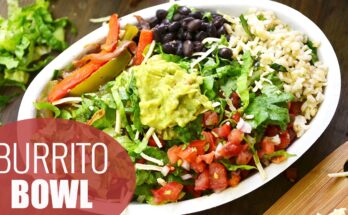
- Flavor Profiles: Craving Mexican? Add corn, black beans, lime, and salsa. Going Mediterranean? Try hummus, olives, cucumber, and lemon tahini.
- Dietary Needs: Gluten-free? Use rice or quinoa. Keto? Focus more on protein and fat, fewer grains.
- Seasonal Ingredients: Use roasted squash in fall, asparagus in spring, fresh tomatoes in summer.
Make it spicy, tangy, creamy, or crunchy. Your bowl, your rules.
Step-by-Step Guide to Making a Buddha Bowl
Let’s dive into the fun part — making your very own bowl of deliciousness!
Step 1: Choose Your Base
Start with a hearty grain base like brown rice, quinoa, farro, or couscous. Rinse the grains under cold water to remove excess starch, then cook according to package instructions using water or vegetable broth for extra flavor. Fluff with a fork once cooked and let it cool slightly so the bowl doesn’t become soggy.
Step 2: Pick Your Protein
For a plant-based protein, chickpeas or tofu work perfectly. Toss chickpeas with olive oil, salt, paprika, and cumin, then roast at 200°C (400°F) for 20–25 minutes until crispy. For tofu, press out excess moisture, cube it, season well, and roast or pan-fry until golden and crunchy on the edges.
Step 3: Add Colorful Veggies
Choose a mix of vegetables for texture and color. Roast options like sweet potatoes, broccoli, or carrots for deep flavor. Steam greens such as kale or green beans for freshness. Spiralized veggies like zucchini or carrots add crunch and visual appeal. Lightly season everything to let the natural flavors shine.
Step 4: Include Healthy Fats
Slice ripe avocado just before serving to keep it fresh and green. Sprinkle in seeds like sesame, pumpkin, or sunflower seeds, or add a handful of nuts for extra richness and crunch.
Step 5: Drizzle with Dressing
A creamy tahini sauce ties everything together. Whisk tahini with lemon juice, minced garlic, olive oil, salt, and warm water until smooth and pourable. Adjust thickness by adding more water, and balance flavors with extra lemon or salt if needed.
Step 6: Finish with Toppings
Top your bowl with fresh herbs, pickled onions, olives, or a sprinkle of chili flakes. These final touches boost flavor and texture, making every bite balanced, satisfying, and full of life.
Best Sauces for Buddha Bowls
Not sure what dressing to try? Here are three winning options that pair beautifully with almost any Buddha Bowl:
| Sauce | Flavor Profile | Best With |
|---|---|---|
| Tahini Lemon | Creamy, nutty, tangy | Mediterranean, classic bowls |
| Spicy Peanut | Bold, slightly sweet | Asian-inspired bowls |
| Avocado Cilantro | Zesty, green, creamy | Mexican, Southwest bowls |
Try batch-making dressings at the start of the week. Store them in mason jars in the fridge and shake before using.
Tips for Meal Prepping Buddha Bowls
Want to enjoy Buddha Bowls all week without prepping every day? Here’s how to make it happen:
- Cook grains and proteins in bulk: Store separately to keep textures intact.
- Use compartmentalized containers: Keep wet ingredients away from dry ones until it’s time to eat.
- Pre-chop hardy veggies: Carrots, beets, cabbage, and kale last longer than leafy greens.
- Store sauces separately: Prevent sogginess and make reheating easier.
- Add avocado fresh: Slice right before eating to avoid browning.
With the right system, you can have lunch or dinner ready in under 5 minutes, every day.
Buddha Bowl for Different Diets
No matter your dietary needs, Buddha Bowls are easy to adapt:
- Vegan: Stick to plant-based proteins like tofu, tempeh, lentils.
- Gluten-Free: Choose rice, quinoa, or millet over couscous or farro.
- Low Carb/Keto: Skip grains, add more protein, healthy fats, and low-carb veggies like zucchini and spinach.
- High-Protein: Add double servings of legumes or include eggs/chicken/tofu.
There’s literally a Buddha Bowl for everyone.
Common Mistakes to Avoid
Even though Buddha Bowls are forgiving and flexible, there are a few easy-to-make mistakes that can turn your bowl from wow to blah. Let’s make sure you avoid them:
1. Overcomplicating the Bowl
Yes, variety is great—but tossing in 12 ingredients just for the sake of it can overwhelm your palate (and your prep time). Stick to 1 base, 1-2 proteins, 2-3 veggies, 1 dressing, and a few toppings. Simplicity wins.
2. Skipping Texture Variety
One of the secrets behind a satisfying Buddha Bowl is texture. Crunchy roasted chickpeas, creamy avocado, crisp veggies, soft grains—all work together to keep your mouth interested. If everything is soft or mushy, it’ll feel bland.
3. Underseasoning Ingredients
Roasted veggies without seasoning? Tofu without marinade? Hard pass. Take a minute to season and spice up your elements. A pinch of sea salt, a drizzle of oil, or a sprinkle of spice can make a big difference.
4. Using Store-Bought Dressings Without Reading Labels
Some store-bought dressings are packed with sugar, unhealthy fats, and artificial flavors. Always read the ingredients. Or better yet, make your own—it’s quick and way healthier.
5. Assembling Everything Too Early
Prepping ahead is smart—but assembling everything in one container too far in advance can lead to soggy messes. Keep components separate until just before eating, especially dressings and delicate greens.
Flavor Combinations and Theme Ideas
If you’re feeling stuck or want to plan your week with variety, try these themed Buddha Bowl ideas. They offer inspiration without the guesswork:
Mediterranean Bowl
- Base: Couscous or quinoa
- Protein: Falafel or chickpeas
- Veggies: Cucumber, cherry tomatoes, red onion, olives
- Dressing: Lemon-tahini sauce
- Toppings: Fresh parsley, a sprinkle of feta (if not vegan)
Asian-Inspired Bowl
- Base: Brown rice or jasmine rice
- Protein: Teriyaki tofu or edamame
- Veggies: Shredded carrots, red cabbage, steamed broccoli
- Dressing: Spicy peanut sauce
- Toppings: Sesame seeds, green onion, cilantro
Mexican Bowl
- Base: Cilantro-lime rice or cauliflower rice
- Protein: Black beans or grilled tofu
- Veggies: Corn, bell peppers, shredded lettuce, tomato
- Dressing: Avocado-lime crema
- Toppings: Jalapeños, tortilla strips, lime wedges
Mix and match these flavors, or create your own based on what you’re craving. It’s like world travel in a bowl!
Tools You’ll Need in the Kitchen
Making Buddha Bowls doesn’t require a fancy kitchen setup, but having a few tools on hand will make the process smoother:
- Sharp Knife: Essential for chopping vegetables quickly and safely.
- Cutting Board: Have a big one so you can prep everything in one place.
- Roasting Tray or Sheet Pan: For roasting veggies and tofu.
- Mixing Bowls: To toss ingredients with seasoning or dressings.
- Blender or Food Processor: Perfect for whipping up creamy sauces and dressings.
- Meal Prep Containers: Great for storing ingredients separately if prepping for the week.
- Mason Jars: Store homemade dressings and keep them fresh.
Don’t stress if you don’t have everything—just use what you have, and upgrade over time.
Serving Suggestions
Buddha Bowls are incredibly versatile. Here are a few ways you can serve them depending on the occasion:
- Lunch or Dinner: Quick weekday meals that don’t compromise on health or flavor.
- Bowl Bar Party: Set up a DIY Buddha Bowl station where guests choose their own ingredients.
- Work or School Meals: Pack in airtight containers; keep dressing separate until ready to eat.
- Post-Workout Recovery: Load up on high-protein and high-carb options to refuel.
Want to make it fun for the family? Let everyone build their own bowl! It’s a great way to get kids or picky eaters involved in healthy eating.
FAQs about Buddha Bowl Recipe
1. Are Buddha Bowls always vegan?
Not necessarily. While many are plant-based, you can add animal proteins like grilled chicken or boiled eggs if that fits your lifestyle. The core idea is balance and variety.
2. Can I meal prep Buddha Bowls for the whole week?
Absolutely. Just store each ingredient separately in the fridge and assemble fresh each day. Dressings and avocado should be added right before eating.
3. What’s the best grain for Buddha Bowls?
Quinoa and brown rice are top picks—they’re hearty, nutritious, and easy to prep. But farro, couscous, barley, or even cauliflower rice work great too.
4. How do I keep the veggies fresh in meal-prepped bowls?
Use sturdy veggies like carrots, beets, and kale. Store dressings separately, and wait to cut delicate greens or avocado until just before serving.
5. What’s the healthiest dressing option?
Homemade dressings using ingredients like tahini, lemon juice, olive oil, or avocado tend to be the healthiest. Avoid dressings with added sugars or preservatives.
Conclusion
Buddha Bowls are more than just a trendy food craze—they’re a lifestyle upgrade. Whether you’re trying to eat cleaner, save time with meal prep, or simply want to enjoy beautiful, flavorful meals, Buddha Bowls check every box. They’re colorful, balanced, endlessly customizable, and full of the good stuff your body needs.
Once you master the basics, it becomes second nature. You’ll start craving the crunch of fresh veggies, the creaminess of avocado, and that satisfying drizzle of tahini. And the best part? No two bowls ever have to be the same.
So go ahead—build your bowl, nourish your soul, and enjoy every bite!