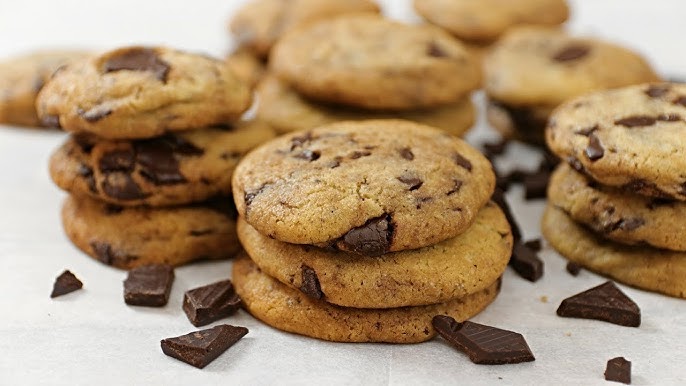
Brownie Cookies Recipe: Brownie cookies are like the perfect love child of two classic desserts: the rich, fudgy texture of a brownie and the chewy, slightly crisp bite of a cookie. Imagine biting into a cookie that’s soft and gooey in the center, yet still has that satisfying outer crunch. That’s the magic of a brownie cookie. They’re chocolate-loaded, indulgent, and versatile enough to be enjoyed any time—from casual afternoon snacks to fancy dinner party desserts.
What makes brownie cookies so appealing is that they combine the best qualities of both desserts without compromise. Unlike regular cookies, they’re denser, richer, and more chocolatey. Unlike brownies, they’re portable, snackable, and don’t require a plate and fork. Plus, their irresistible crackly tops make them look bakery-worthy, even if you’re baking them at home.
Whether you’re a beginner in the kitchen or a seasoned baker, brownie cookies are surprisingly forgiving. You don’t need fancy skills—just the right ingredients, the right temperature, and a bit of patience. Once you’ve baked them once, you’ll find yourself coming back to this recipe again and again, because they’re simply that addictive.
History and Origin of Brownie Cookies
While no one can pinpoint exactly when brownie cookies were first invented, it’s safe to say they are a modern twist on two time-tested classics. Brownies originated in the United States in the late 19th century, with the earliest known recipes appearing around the 1890s. Cookies, on the other hand, date back centuries, with variations appearing in different cultures across the world.
The concept of merging brownies and cookies likely emerged from home bakers experimenting in their kitchens—trying to get the best of both worlds. In the age of food blogging and recipe sharing, brownie cookies quickly gained popularity for their unique texture and flavor profile. Today, they’re a staple in coffee shops, bakeries, and home kitchens alike.
Ingredients You’ll Need
Core Ingredients for the Perfect Brownie Cookie
The foundation of any good brownie cookie lies in quality ingredients. For this recipe, you’ll need:
- Unsweetened cocoa powder – for deep chocolate flavor.
- Semi-sweet or dark chocolate chips – for richness and gooey chocolate pockets.
- Unsalted butter – provides moisture and enhances flavor.
- Granulated sugar – for sweetness and that signature crackly top.
- Brown sugar – adds chewiness and depth of flavor.
- Eggs – for structure and binding.
- All-purpose flour – keeps the cookies tender yet firm.
- Baking powder – ensures a slight rise without making them cakey.
- Salt – to balance the sweetness and enhance flavors.
Getting the balance right between these ingredients is key. Too much flour and your cookies will be dry; too little and they’ll spread too much. High-quality chocolate will make a noticeable difference, so opt for brands with a rich cocoa percentage.
Optional Add-ons for Extra Flavor
Once you’ve mastered the basic recipe, you can have fun customizing it with add-ons:
- Nuts – walnuts or pecans add crunch and a nutty flavor.
- Flavored extracts – like peppermint or almond for a twist.
- White chocolate chips – for color contrast and extra sweetness.
- Sea salt flakes – sprinkled on top before baking for a sweet-salty combination.
- Dried fruits – like cherries or cranberries for a tart edge.
These optional extras allow you to tailor the cookies to your taste or occasion.
Tools and Equipment Required
Essential Baking Tools
To make brownie cookies without stress, you’ll need a few kitchen basics:
- Mixing bowls – at least two (one for wet ingredients, one for dry).
- Whisk and spatula – for mixing and folding.
- Measuring cups and spoons – accuracy is important in baking.
- Baking sheet – ideally lined with parchment paper for easy cleanup.
- Cooling rack – to cool cookies evenly.
Even with minimal tools, you can achieve bakery-quality results if you follow the steps carefully.
Nice-to-Have Baking Accessories
If you bake often, investing in some extra tools can make the process even smoother:
- Stand mixer or hand mixer – speeds up mixing and ensures even blending.
- Digital kitchen scale – for precise measurements.
- Cookie scoop – helps make uniform cookies for even baking.
- Silicone baking mat – reusable and ensures cookies don’t stick.
While not essential, these extras can make your baking experience more efficient and enjoyable.
Preparation Tips Before You Start
Choosing the Best Ingredients
Great brownie cookies start with great ingredients. Choose butter that’s high in fat content for richer flavor, and eggs that are fresh for better structure. When selecting chocolate, look for a cocoa content between 60–70% for a balance of sweetness and depth. Avoid low-quality chocolate, as it can result in a dull, overly sweet cookie.
Prepping Your Workspace
Before you even crack an egg, take a few minutes to prepare your workspace. Preheat your oven to the correct temperature, line your baking sheet with parchment paper, and measure out all your ingredients. This “mise en place” approach—having everything ready before you start—will make the process smoother and prevent mistakes like forgetting an ingredient.
Step-by-Step Guide to Making Brownie Cookies
Step 1 – Melting the Chocolate and Butter
The first step in making brownie cookies is creating that rich, chocolatey base. Place your butter and chocolate in a heatproof bowl and melt them together using either a double boiler or a microwave in short bursts. Stir until smooth and glossy, then let it cool slightly before adding it to the rest of the ingredients.
Step 2 – Mixing the Wet Ingredients
In a large mixing bowl, combine your granulated sugar, brown sugar, and eggs. Using a whisk or an electric mixer, beat them together until the mixture becomes pale, thick, and slightly frothy. This step is crucial because incorporating air into the eggs helps give the cookies their slightly lifted texture without making them cake-like.
Once the eggs and sugar are well mixed, pour in the slightly cooled melted chocolate and butter mixture from Step 1. Stir gently until everything is fully combined. Avoid overmixing at this stage—too much stirring can make your cookies tough instead of chewy.
If you want to infuse extra flavor, this is the moment to add a splash of vanilla extract or any other flavoring of your choice. A teaspoon of espresso powder can also work wonders here—it intensifies the chocolate flavor without making the cookies taste like coffee.
Step 3 – Combining Dry Ingredients
In a separate bowl, sift together your all-purpose flour, unsweetened cocoa powder, baking powder, and salt. Sifting is important because it removes any lumps and ensures the leavening agents are evenly distributed.
Once sifted, gently fold the dry mixture into the wet mixture using a spatula. Folding instead of stirring helps maintain the airy structure you worked to create in Step 2. The dough will be thick, glossy, and a bit sticky—that’s exactly what you want.
This is also the perfect stage to mix in any extras like chopped nuts, white chocolate chips, or dried fruit. Adding them now ensures they’re evenly distributed throughout the batter without overworking it.
Step 4 – Mixing Everything Together
The goal here is to unify the batter without losing that smooth, glossy texture. Scrape down the sides of the bowl to make sure no dry pockets of flour remain. The dough should be thick but scoopable—similar to brownie batter, only slightly firmer.
If your kitchen is warm, you might notice the dough feels a bit too loose. In that case, pop the bowl into the refrigerator for 15–20 minutes to firm it up slightly. This will make it easier to scoop and will also help control the spread of your cookies in the oven.
Step 5 – Shaping and Baking the Cookies
Preheat your oven to 350°F (175°C) if you haven’t already. Line a baking sheet with parchment paper or a silicone baking mat. Using a cookie scoop or a spoon, drop even mounds of dough onto the sheet, leaving about 2 inches of space between each cookie—they will spread as they bake.
Bake for 9–11 minutes, depending on your oven and the size of your cookies. You’ll know they’re ready when the tops are crackly and slightly shiny, but the centers still look a bit soft. Remember: cookies continue to bake on the tray even after you take them out of the oven, so don’t overbake.
Let the cookies rest on the baking sheet for about 5 minutes before transferring them to a cooling rack. This resting period allows them to firm up without breaking apart when moved.
Cooling and Storing Your Cookies
How to Cool Cookies Properly
Cooling is a step many people rush through, but it makes a big difference in the final texture. Placing the cookies on a wire cooling rack allows air to circulate around them, preventing soggy bottoms. Cooling for at least 20 minutes helps set the chocolate and gives you that perfect chewy bite.
Best Storage Methods for Freshness
If you’re not devouring them all at once (which is tempting), store your brownie cookies in an airtight container at room temperature for up to 4 days. To keep them extra soft, place a slice of bread in the container—the cookies will absorb moisture from the bread without getting mushy.
For longer storage, freeze the cookies in a sealed freezer bag for up to 3 months. Just thaw them at room temperature or warm them in the oven for a fresh-baked taste.
Variations of Brownie Cookies
Chewy vs. Crispy Versions
Brownie cookies can be customized to suit your preferred texture—whether you love that ultra-chewy center or a crisp, bite-through crunch.
For chewy brownie cookies, keep the baking time slightly shorter (around 9 minutes) and use a higher ratio of brown sugar to white sugar. Brown sugar’s moisture content helps create that rich, bendy texture. Also, avoid overbaking, as even a minute too long in the oven can dry them out.
For crispy brownie cookies, extend the baking time by 1–2 minutes and slightly reduce the brown sugar, replacing it with granulated sugar. This will encourage the cookies to firm up and develop a crunchy edge while still maintaining a slightly soft center. You can also flatten the dough balls slightly before baking to help them spread and crisp up more evenly.
Experimenting with these adjustments will help you find your perfect balance of chew and crunch—because let’s be honest, there’s no wrong way to enjoy chocolate.
Flavored Versions (Mint, Peanut Butter, etc.)
Once you’ve mastered the basic brownie cookie recipe, it’s time to get creative with flavors:
- Mint Brownie Cookies – Add ½ teaspoon of peppermint extract to the batter and sprinkle crushed peppermint candies on top before baking.
- Peanut Butter Brownie Cookies – Swirl in 2–3 tablespoons of creamy peanut butter into the dough or top each cookie with a peanut butter drizzle after baking.
- Salted Caramel Brownie Cookies – Press a soft caramel candy into the center of each dough ball before baking, then sprinkle with flaky sea salt when they come out of the oven.
- Mocha Brownie Cookies – Add 1 tablespoon of instant coffee granules or espresso powder to intensify the chocolate flavor and give a subtle coffee kick.
- Nutty Delight Brownie Cookies – Mix in toasted walnuts, pecans, or hazelnuts for added crunch and a richer flavor profile.
The beauty of this recipe is its versatility—you can adapt it to any flavor theme or occasion, from holiday treats to birthday party surprises.
Common Mistakes and How to Avoid Them
Overmixing the Batter
One of the most common pitfalls in making brownie cookies is overmixing the batter once you add the dry ingredients. Overmixing develops too much gluten in the flour, resulting in cookies that are tough and bread-like rather than soft and fudgy.
To avoid this, mix only until you no longer see streaks of flour. Use a spatula for folding rather than a whisk or mixer at this stage. Remember—the batter for brownie cookies should be thick but still glossy, not dense and dry.
Incorrect Baking Times and Temperatures
Baking times can vary depending on your oven, altitude, and even the type of baking sheet you use. If you bake the cookies at too high a temperature, they might spread too quickly and burn on the edges while staying raw in the middle. Too low a temperature, and they won’t develop that signature crackly top.
Always preheat your oven fully before baking and use an oven thermometer if possible to ensure accuracy. Keep a close eye on your first batch to learn the exact baking time for your setup. Once you see those glossy cracks on top, take them out—don’t wait for them to “look done” or you’ll risk overbaking.
Serving Suggestions
Pairing with Drinks
Brownie cookies are a treat on their own, but pairing them with the right beverage can take them to the next level:
- Coffee or espresso – Enhances the rich chocolate flavor.
- Hot chocolate – For the ultimate double chocolate indulgence.
- Milk – A timeless classic that balances sweetness.
- Red wine – Believe it or not, a fruity red like Merlot or Cabernet pairs beautifully with chocolate desserts.
Creative Dessert Ideas with Brownie Cookies
Think beyond the cookie jar—brownie cookies can be the star of many desserts:
- Ice cream sandwiches – Scoop your favorite ice cream between two cookies.
- Cookie crumble topping – Crush and sprinkle over brownies, puddings, or yogurt.
- Mini dessert cups – Layer cookie pieces with whipped cream and chocolate sauce in a glass.
- S’mores upgrade – Use brownie cookies instead of graham crackers for an extra decadent twist.
These ideas not only make the cookies more versatile but also turn them into show-stopping desserts for any gathering.
Healthier Alternatives
Reducing Sugar
If you want to make brownie cookies a bit lighter without sacrificing flavor, you can cut down on the sugar content. Try replacing part of the granulated sugar with natural sweeteners like coconut sugar, maple syrup, or honey. Keep in mind that liquid sweeteners will slightly alter the texture, so you might need to adjust the flour to maintain the right dough consistency.
Another trick is to rely on the natural sweetness of high-quality dark chocolate. Using chocolate with 70% cocoa or more not only deepens the flavor but also reduces the need for extra sugar. You can also boost the richness with a splash of vanilla extract or a pinch of cinnamon to enhance perceived sweetness without adding calories.
Reducing sugar is especially handy if you’re making these cookies for kids or for anyone trying to watch their sugar intake while still enjoying an indulgent treat.
Gluten-Free and Vegan Versions
The beauty of brownie cookies is that they can be easily adapted to suit different dietary needs:
- Gluten-Free Brownie Cookies – Swap the all-purpose flour for a gluten-free baking blend. Make sure it contains xanthan gum or add ¼ teaspoon yourself to help mimic the texture of regular flour.
- Vegan Brownie Cookies – Replace the butter with coconut oil or vegan butter, and substitute each egg with a flax egg (1 tablespoon ground flaxseed + 3 tablespoons water, let sit for 5 minutes). Use dairy-free chocolate to keep the recipe fully plant-based.
- Lower-Fat Version – Replace half the butter with unsweetened applesauce or mashed banana for a slightly healthier twist.
These swaps let everyone enjoy brownie cookies—whether they have dietary restrictions or simply prefer a plant-based option—without losing the decadent taste and texture that make them so irresistible.
FAQs about Brownie Cookies Recipe
1. Why don’t my brownie cookies have a crackly top?
This often happens when the sugar isn’t dissolved enough in the wet ingredients or if the oven temperature is too low. Whipping the eggs and sugar well and baking at the right temperature will give you that signature shiny, cracked surface.
2. Can I freeze brownie cookie dough?
Yes! Scoop the dough onto a baking sheet, freeze until solid, then store the dough balls in a freezer bag. Bake straight from frozen—just add 1–2 extra minutes to the baking time.
3. How do I make my cookies extra fudgy?
Use more brown sugar than white sugar, slightly underbake them, and avoid overmixing the batter. Also, high-quality chocolate makes a big difference.
4. What’s the best chocolate to use?
Choose chocolate with at least 60–70% cocoa for a rich, deep flavor. Semi-sweet or bittersweet chocolate works best, but milk chocolate can be used if you prefer a sweeter taste.
5. Can I double the recipe?
Absolutely. Just make sure to mix the ingredients in a large enough bowl and bake in batches so the cookies have room to spread.
Conclusion
Brownie cookies are the ultimate dessert for chocolate lovers—a perfect blend of the rich, fudgy texture of brownies with the convenience and chew of cookies. By following the step-by-step method, using quality ingredients, and experimenting with flavors, you can create bakery-worthy treats in your own kitchen.
Whether you prefer them chewy, crispy, or loaded with extras like nuts and caramel, this recipe is a versatile base you can customize endlessly. Plus, with gluten-free, vegan, and reduced-sugar options, there’s a version for everyone to enjoy.
So grab your mixing bowls, preheat the oven, and get ready to fill your home with the irresistible aroma of freshly baked brownie cookies. One bite, and you’ll understand why they’ve become a modern classic.