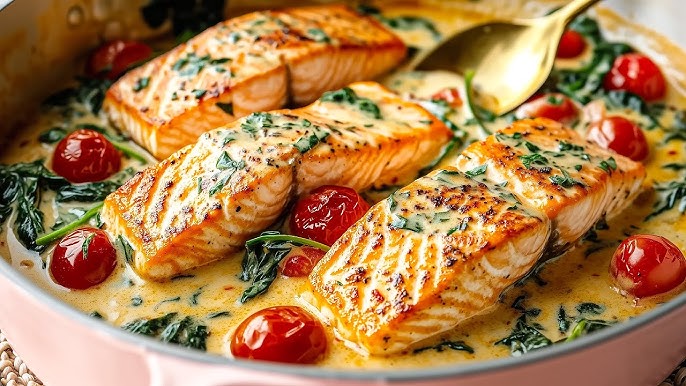
Brown Sugar Salmon Recipe: Brown Sugar Salmon isn’t just another seafood recipe—it’s an experience. The sweetness of the brown sugar balances the rich, buttery taste of salmon, creating a flavor profile that feels indulgent yet refreshing. This dish works equally well for weeknight dinners and special occasions because it doesn’t require complicated steps or exotic ingredients.
One of the main reasons people love this recipe is its versatility. You can bake it for a tender, flaky texture, pan-sear it for a crispy outer crust, or throw it on the grill for that smoky char. Plus, it’s a dish that pairs beautifully with everything from roasted vegetables to light salads, making it easy to serve without much fuss.
Another reason it’s so well-loved is the minimal prep time. You can have the fish marinated and in the oven in under 20 minutes, yet the final dish tastes like it took hours to perfect. It’s the perfect combination of effortlessness and elegance.
A Perfect Blend of Sweet and Savory
The magic of Brown Sugar Salmon lies in the balance between two contrasting flavor worlds—sweet and savory. Brown sugar adds a subtle molasses-like depth, while ingredients like garlic, soy sauce, and lemon juice bring savory brightness. Together, they create a glaze that coats the salmon in a glossy, flavorful shell.
If you’ve ever felt intimidated by cooking fish, this recipe is a great starting point. The brown sugar glaze acts as a natural moisture-lock, ensuring the salmon stays tender and juicy. And if you enjoy experimenting, you can easily tweak the glaze with a touch of spice or herbs to make the dish uniquely yours.
Ingredients You’ll Need
Freshness Matters – Choosing the Best Salmon
The quality of your salmon will make or break this dish. Whenever possible, choose fresh, wild-caught salmon over farm-raised. Wild salmon tends to have a firmer texture and a more vibrant flavor, while farm-raised salmon is often fattier and milder.
Look for fillets with bright, firm flesh that bounces back when pressed lightly. The skin should look shiny and moist, not dry or dull. If you’re buying frozen salmon, check for ice crystals or freezer burn, as these can affect the texture and taste.
The Role of Brown Sugar in Flavor
Brown sugar is the hero ingredient here—it caramelizes beautifully during cooking, creating a slightly crisp, candy-like coating that enhances the salmon’s natural richness. Light brown sugar gives a mild sweetness, while dark brown sugar provides a deeper, almost toffee-like flavor.
When combined with salt, garlic, and a hint of acidity, brown sugar transforms the salmon into something that feels both comforting and gourmet. The sweetness also helps balance any strong, briny notes in the fish, making it a hit even with people who don’t typically eat seafood.
Additional Ingredients for Depth and Balance
While the star players are salmon and brown sugar, a few supporting ingredients elevate the dish:
- Garlic powder or minced garlic – for a savory punch
- Soy sauce – for umami richness
- Lemon juice – for brightness and acidity
- Olive oil or butter – for added moisture and flavor
- Black pepper – to add a subtle kick
This combination creates a well-rounded glaze that not only tastes amazing but also helps lock in the fish’s natural juices during cooking.
Essential Kitchen Tools for the Recipe
Cooking Methods: Oven, Pan-Seared, or Grilled
One of the beauties of this recipe is that it adapts to your preferred cooking method. You can:
- Bake it for a fuss-free, hands-off approach.
- Pan-sear it for a crisp exterior and juicy interior.
- Grill it for a smoky, outdoor flavor.
Each method has its perks, so the choice comes down to your mood and available time.
Prep Tools for an Easy Cooking Experience
Having the right tools makes the process smooth and enjoyable. Here’s what you’ll need:
- Sharp chef’s knife for portioning the salmon.
- Cutting board (preferably non-slip) for safe prep.
- Mixing bowl for making the glaze.
- Measuring spoons and cups for accuracy.
- Baking sheet or skillet depending on your cooking method.
- Parchment paper or foil to prevent sticking and make cleanup easy.
Investing in these basic tools ensures that your salmon turns out perfectly every time.
Step-by-Step Preparation Guide
Preparing the Salmon Fillets
Start by patting your salmon fillets dry with paper towels—this helps the glaze stick better. If your fillets have skin, leave it on; it acts as a natural barrier to keep the fish from overcooking and adds extra flavor.
Remove any pin bones by running your fingers gently over the surface of the fish. If you feel tiny, hard bits, use tweezers to pull them out. This step ensures a pleasant eating experience without unexpected crunches.
Once prepped, place the salmon on a lined baking sheet or plate, ready for glazing.
Making the Brown Sugar Glaze
In a mixing bowl, combine brown sugar, soy sauce, garlic, lemon juice, and a drizzle of olive oil or melted butter. Whisk until the sugar dissolves and the mixture becomes smooth. The glaze should be thick enough to coat the back of a spoon but still pourable.
If you like a little heat, add a pinch of cayenne pepper or chili flakes. For extra aroma, fresh herbs like parsley or dill can be stirred in at the last moment.
Marinating for Maximum Flavor
Spoon the glaze generously over the salmon, making sure every inch is covered. Let the fish marinate for at least 15–20 minutes at room temperature, or up to 2 hours in the fridge for deeper flavor.
If you’re short on time, you can skip the marinating step and still get great results, but the extra soak time allows the flavors to penetrate the fish more fully.
Cooking Instructions for Perfect Brown Sugar Salmon
Baking Method
Baking is the easiest and most foolproof method for cooking brown sugar salmon. Preheat your oven to 375°F (190°C). Line a baking sheet with parchment paper or foil for easy cleanup. Place the marinated salmon fillets skin-side down on the sheet, making sure they are spaced out evenly.
Spoon any leftover glaze over the top of the salmon before placing it in the oven. Bake for 12–15 minutes for thinner fillets and up to 18 minutes for thicker cuts. The salmon is done when it flakes easily with a fork but still looks slightly translucent in the center. Overcooking will make it dry, so keep a close eye on it during the last few minutes.
For a caramelized finish, switch the oven to broil during the last 2 minutes of cooking. This will give the brown sugar glaze a beautiful golden crust without burning it.
Pan-Searing Method
If you’re craving a crispy, slightly charred exterior, pan-searing is the way to go. Heat a tablespoon of olive oil or butter in a large non-stick skillet over medium-high heat. Once hot, place the salmon fillets skin-side up in the pan. Cook for 3–4 minutes without moving them so a nice crust forms.
Flip the salmon carefully using a spatula, then reduce the heat to medium. Pour any remaining glaze over the top and cook for another 4–6 minutes, spooning the glaze over the salmon occasionally for extra flavor. The sugar will caramelize in the pan, creating a rich, sticky coating.
This method is quick, giving you a beautifully crisp outside while keeping the inside tender and juicy.
Grilling Method
Grilling gives salmon a smoky depth that pairs perfectly with the sweetness of the brown sugar glaze. Preheat your grill to medium-high heat and lightly oil the grates to prevent sticking.
Place the salmon skin-side down directly on the grill or on a piece of foil for easier handling. Cook for about 6–8 minutes per side, depending on thickness. Brush additional glaze over the salmon during cooking to keep it moist and flavorful.
Be careful when flipping, as the caramelized sugar can cause the fish to stick slightly. A wide spatula works best here.
Tips for Getting the Perfect Texture and Flavor
Balancing Sweetness and Seasoning
The key to a perfect brown sugar salmon is balance. Too much sugar, and the glaze will overpower the fish. Too little, and you lose the signature caramelized coating. Aim for 2 tablespoons of brown sugar per fillet as a good starting point.
Adding a pinch of salt enhances both the sweetness and the salmon’s natural flavor. Don’t forget the acidity—lemon juice or even a splash of vinegar helps cut through the richness, preventing the dish from feeling too heavy.
Avoiding Overcooking
Salmon is best enjoyed when it’s tender and slightly flaky, not dry. A good rule of thumb is to cook salmon for about 4–6 minutes per half-inch of thickness. Use a meat thermometer if you want precision—125°F (52°C) for medium-rare, 130°F (54°C) for medium.
Remember that salmon continues to cook for a minute or two after being removed from the heat, so take it off just before it reaches your desired doneness.
Serving Suggestions and Side Dishes
Classic Pairings
Brown sugar salmon pairs beautifully with both hearty and light sides. Some classic choices include:
- Garlic mashed potatoes for comfort food vibes.
- Steamed asparagus for a light, fresh contrast.
- Wild rice pilaf for a nutty, earthy balance.
Healthy Side Options
If you’re aiming for a lighter meal, try pairing your salmon with:
- Quinoa salad with cucumber, tomato, and lemon dressing.
- Roasted Brussels sprouts drizzled with balsamic glaze.
- Cauliflower rice for a low-carb alternative.
These sides not only complement the salmon’s sweetness but also add vibrant color to your plate, making the dish as visually appealing as it is delicious.
Nutritional Information
Calorie Breakdown
Brown sugar salmon is a nutrient-packed meal that delivers a satisfying balance of protein, healthy fats, and carbs. On average, a single serving (about 6 ounces of salmon with glaze) contains:
- Calories: 350–400 kcal
- Protein: 35–40g
- Carbohydrates: 12–15g (mainly from the brown sugar)
- Fat: 15–20g (mostly healthy omega-3 fats)
While the brown sugar adds a touch of sweetness, it doesn’t overload the dish with sugar. It’s a much healthier choice than heavily processed sauces or deep-fried fish options.
Protein, Carbs, and Healthy Fats
Salmon is famous for being rich in omega-3 fatty acids, which support heart health, brain function, and inflammation control. The protein content helps with muscle repair and satiety, making this dish a great option for active individuals or anyone looking for a nutrient-dense dinner.
The small amount of carbs from the glaze provides quick energy, while the fats from the salmon and any added olive oil keep you feeling full and satisfied. This makes brown sugar salmon a well-rounded choice for both health-conscious eaters and those simply seeking a delicious meal.
Storage and Reheating Tips
Refrigeration Guidelines
If you have leftovers, let the salmon cool to room temperature before storing. Place it in an airtight container and refrigerate for up to 3 days. For best flavor and texture, store the salmon separately from any sides to prevent sogginess.
Best Way to Reheat Without Drying Out
The key to reheating salmon without losing moisture is gentle heat. Here are two effective methods:
- Oven: Preheat to 275°F (135°C). Place salmon on a baking sheet, cover loosely with foil, and heat for 10–15 minutes.
- Microwave: Use the lowest power setting and heat in 30-second intervals, checking for warmth to avoid overcooking.
You can also enjoy leftover brown sugar salmon cold over salads for a refreshing, protein-rich lunch.
Common Mistakes to Avoid
Using Old or Frozen Salmon Incorrectly
One of the most common mistakes is using salmon that’s past its prime. Old fish not only affects flavor but can also have a mushy texture. If you’re using frozen salmon, make sure to thaw it slowly in the refrigerator overnight rather than rushing it in warm water. Rapid thawing can make the flesh watery.
Overpowering the Flavor with Spices
While it’s tempting to add extra seasonings, remember that the beauty of this recipe lies in its simplicity. Too many strong spices—like heavy paprika, cumin, or excessive chili—can mask the delicate sweetness of the brown sugar glaze. Keep the seasoning balanced to let the salmon’s natural taste shine through.
Variations of Brown Sugar Salmon
Spicy Brown Sugar Salmon
For those who like a little kick, add cayenne pepper or crushed red pepper flakes to the glaze. The heat pairs beautifully with the sweetness, creating a bold flavor that wakes up your taste buds.
Garlic Butter Brown Sugar Salmon
Swap the olive oil for melted butter and increase the garlic for a rich, indulgent version. This twist is perfect for special occasions when you want a more decadent flavor profile.
Making it Ahead for Meal Prep
Storage in Freezer for Busy Days
You can prep and freeze brown sugar salmon for quick meals. After glazing, wrap the fillets individually in foil or freezer-safe bags. Freeze for up to 2 months. When ready to cook, thaw in the fridge overnight and bake as usual.
Quick Thawing Methods
If you forget to thaw in advance, you can place the sealed salmon in a bowl of cold water for 30–40 minutes. Never use hot water, as it can partially cook the fish and affect its texture.
FAQs about Brown Sugar Salmon Recipe
Q1: Can I make this recipe with other types of fish?
Yes! Cod, halibut, or trout work well with this glaze, though cooking times may vary.
Q2: Can I substitute white sugar for brown sugar?
Brown sugar is preferred for its molasses flavor, but you can use white sugar with a teaspoon of molasses as a substitute.
Q3: Is it okay to cook salmon with the skin on?
Absolutely. The skin helps retain moisture and can be removed after cooking if you prefer.
Q4: Can I make this recipe in an air fryer?
Yes! Cook at 375°F for 8–10 minutes, checking for doneness in the last few minutes.
Q5: How do I know when my salmon is perfectly cooked?
The flesh should be opaque and flake easily with a fork but remain moist in the center.
Conclusion
Brown sugar salmon is proof that cooking delicious, restaurant-quality meals at home doesn’t have to be complicated. With just a few fresh ingredients and simple steps, you can create a dish that’s bursting with flavor and elegance. Whether you bake, pan-sear, or grill it, this recipe delivers a sweet-savory balance that will impress your family, friends, and even yourself.
So next time you’re craving seafood, skip the takeout and give this recipe a try—you’ll be amazed at how easy it is to whip up something so delicious.