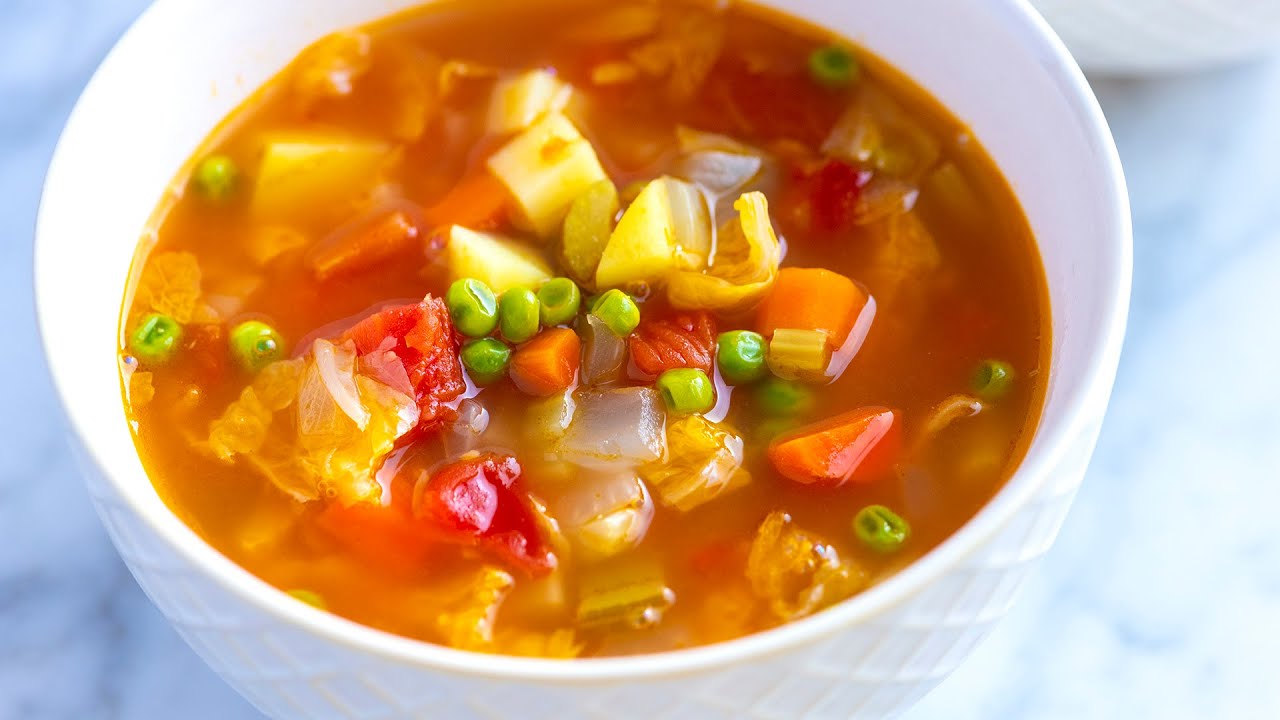
Broth Vegetable Recipe: Vegetable broth is one of the most versatile and essential ingredients in cooking. Whether you are preparing soups, stews, sauces, grains, or healthy drinks, a well-made vegetable broth provides deep flavor and rich nutrition without relying on meat. Homemade vegetable broth is also far healthier than store-bought versions because it contains no preservatives, artificial flavorings, or excessive sodium.
In this comprehensive guide, you will learn everything about making vegetable broth from scratch. We will cover ingredients, preparation techniques, cooking methods, storage tips, flavor enhancements, and professional cooking secrets. By the end of this guide, you will be able to prepare a restaurant-quality vegetable broth in your own kitchen.
What Is Vegetable Broth?
Vegetable broth is a savory liquid made by simmering vegetables, herbs, and spices in water. The slow cooking process extracts nutrients, flavors, and aromatic compounds from the vegetables, creating a flavorful base used in many recipes.
Unlike vegetable stock, which sometimes focuses more on deep flavor extraction from scraps and long simmering, vegetable broth is usually lighter, clearer, and ready to drink or use in recipes immediately.
Vegetable broth is popular among vegetarians, vegans, and health-conscious cooks because it is nutritious, low in calories, and extremely versatile.
Health Benefits of Vegetable Broth
Vegetable broth is not just flavorful—it is also packed with health benefits.
1. Rich in Nutrients
Vegetables release vitamins, minerals, and antioxidants during the simmering process. These nutrients help support overall health.
2. Supports Digestion
Warm broth helps stimulate digestion and can soothe the digestive system.
3. Hydrating and Low in Calories
Vegetable broth is mostly water, making it hydrating and ideal for low-calorie diets.
4. Immune System Support
Ingredients like garlic, onion, celery, and herbs contain natural immune-boosting compounds.
5. Detoxifying Properties
Vegetables like carrots, onions, and leafy greens help support natural detoxification processes in the body.
Ingredients You’ll Need
Making vegetable broth is simple and flexible. You can adjust the ingredients depending on what you have available.
Core Vegetables
These vegetables form the foundation of most vegetable broths.
- 2 large onions (quartered)
- 3 carrots (chopped)
- 3 celery stalks (chopped)
- 4 cloves garlic (crushed)
- 1 leek (optional but recommended)
- 1 tomato (optional for added richness)
Additional Flavor Vegetables
These add depth and complexity to the broth.
- Mushrooms
- Bell peppers
- Zucchini
- Parsnips
- Green beans
- Corn cobs
- Cabbage
Herbs and Aromatics
Fresh herbs make a significant difference in flavor.
- 2 bay leaves
- Fresh parsley stems
- Fresh thyme
- Fresh rosemary
- Fresh basil (optional)
Spices and Seasonings
- 1 teaspoon whole black peppercorns
- 1 teaspoon sea salt (optional)
- ½ teaspoon turmeric (optional for color and health benefits)
Liquid Base
- 10–12 cups water
Optional Flavor Boosters
Professional chefs often add small amounts of these ingredients:
- 1 tablespoon olive oil
- 1 teaspoon soy sauce or tamari
- A small piece of ginger
- A splash of apple cider vinegar
Kitchen Tools Required
You do not need special equipment, but these tools will make the process easier:
- Large soup pot or stockpot
- Cutting board
- Sharp knife
- Strainer or cheesecloth
- Wooden spoon
- Storage containers or jars
Step-by-Step Guide to Making Vegetable Broth
Step 1 – Gather the Vegetables
Start by collecting a variety of vegetables for flavor. Common choices include onions, carrots, celery, garlic, and tomatoes. You can also add vegetable scraps such as mushroom stems, leek tops, or parsley stems.
Step 2 – Wash and Chop the Ingredients
Wash all the vegetables thoroughly. Roughly chop the onions, carrots, and celery into large pieces. The vegetables do not need to be cut perfectly since they will only be used to flavor the broth.
Step 3 – Heat the Pot
Place a large pot on the stove over medium heat. Add a small amount of oil and lightly sauté the onions, garlic, carrots, and celery for 3–5 minutes to bring out their natural flavors.
Step 4 – Add Water and Seasonings
Pour in 8–10 cups of water to cover the vegetables. Add seasonings such as salt, black pepper, bay leaves, thyme, or parsley for extra flavor.
Step 5 – Simmer the Broth
Bring the mixture to a gentle boil, then reduce the heat and let it simmer for 30–45 minutes. This allows the vegetables to release their flavors into the broth.
Step 6 – Strain the Broth
After simmering, remove the pot from the heat. Use a strainer or sieve to separate the vegetables from the liquid. The liquid you collect is the vegetable broth.
Step 7 – Cool and Store
Allow the broth to cool before storing it in airtight containers. It can be kept in the refrigerator for up to 4 days or frozen for longer storage.
Vegetable broth is perfect for soups, stews, sauces, and cooking grains like rice or quinoa. 🥕🥬🍲
How to Store Vegetable Broth
Proper storage helps maintain freshness and flavor.
Refrigerator Storage
- Store in airtight containers
- Keeps for 4–5 days
Freezer Storage
Vegetable broth freezes extremely well.
You can freeze it in:
- freezer containers
- glass jars
- ice cube trays
Frozen broth lasts 3–4 months.
Ice cube trays are especially convenient because you can thaw small portions quickly.
Ways to Use Vegetable Broth
Vegetable broth is incredibly versatile in cooking.
Soups
Use broth as the base for:
- vegetable soup
- lentil soup
- noodle soup
- tomato soup
Cooking Grains
Replace water with broth when cooking:
- rice
- quinoa
- couscous
- barley
This adds rich flavor.
Sauces
Vegetable broth works well in:
- pasta sauces
- gravies
- stir-fry sauces
Healthy Drinks
Some people drink warm vegetable broth as a comforting and nutritious beverage.
Stews and Braised Dishes
Broth adds depth when cooking vegetables, beans, or plant-based proteins.
Professional Tips for the Best Vegetable Broth
1. Roast Vegetables First
Roasting vegetables in the oven before simmering creates deeper flavor.
Roast at 400°F (200°C) for 25 minutes before adding them to the pot.
2. Avoid Bitter Vegetables
Certain vegetables can make broth bitter:
- broccoli
- cauliflower
- kale
- Brussels sprouts
Use them sparingly.
3. Use Mushroom Stems
Mushrooms provide a natural umami flavor similar to meat broth.
4. Add Tomato Paste
A small spoon of tomato paste enhances richness and color.
5. Use Vegetable Scraps
Collect scraps in a freezer bag and use them for broth later.
Common Mistakes to Avoid
Adding Too Much Water
Diluted broth lacks flavor.
Overcooking Vegetables
Simmering too long can create bitterness.
Using Too Much Salt
It is better to season lightly and adjust later.
Boiling Too Aggressively
This can make broth cloudy and affect texture.
Variations of Vegetable Broth
Asian-Style Broth
Add:
- ginger
- garlic
- soy sauce
- green onions
Italian-Style Broth
Use:
- basil
- oregano
- tomato
- parsley
Herbal Detox Broth
Include:
- turmeric
- ginger
- lemon peel
- cilantro
Why Homemade Vegetable Broth Is Better Than Store-Bought
Homemade broth offers several advantages:
- No preservatives
- Lower sodium
- Fresher taste
- Customizable flavors
- More nutrients
Store-bought broths often contain additives, artificial flavors, and excessive salt.
Making broth at home ensures full control over ingredients and quality.
FAQs about Vegetable Broth Recipe
1. What vegetables are best for making vegetable broth?
Common vegetables used for vegetable broth include onions, carrots, celery, garlic, and tomatoes. You can also add mushrooms, leeks, parsley stems, and herb sprigs. These ingredients provide a rich and balanced flavor for the broth.
2. Can I use vegetable scraps to make broth?
Yes, vegetable scraps are excellent for making broth. You can save carrot peels, onion skins, celery ends, and herb stems in the refrigerator or freezer and use them later to make a flavorful broth. Just make sure the scraps are clean and fresh.
3. How long should vegetable broth simmer?
Vegetable broth usually needs to simmer for about 30–45 minutes. This allows enough time for the vegetables and herbs to release their flavors into the water without becoming overly bitter.
4. Can vegetable broth be frozen?
Yes, vegetable broth freezes very well. After it cools, store it in airtight containers or freezer-safe bags. It can be frozen for up to 3 months and used whenever needed.
5. What can I use vegetable broth for?
Vegetable broth is very versatile. It can be used in soups, stews, sauces, risotto, and for cooking rice, pasta, or grains. It adds extra flavor to many dishes.
6. How long does homemade vegetable broth last in the refrigerator?
Homemade vegetable broth can be stored in an airtight container in the refrigerator for about 3–4 days. If you need to keep it longer, freezing is the best option. 🥕🍲🥬
Final Thoughts
Vegetable broth is one of the simplest and most valuable recipes every home cook should master. With just a handful of vegetables, herbs, and water, you can create a flavorful liquid that enhances countless dishes.
The beauty of vegetable broth lies in its flexibility. You can customize it based on available ingredients, dietary preferences, or the flavors you want to highlight. Whether used as the base of a comforting soup, a cooking liquid for grains, or a nutritious drink, vegetable broth adds both flavor and nourishment to your meals.
Once you experience the rich taste of homemade broth, it becomes clear why so many professional chefs prefer it over store-bought versions. With the step-by-step method outlined in this guide, you now have everything you need to create a perfect vegetable broth every time.