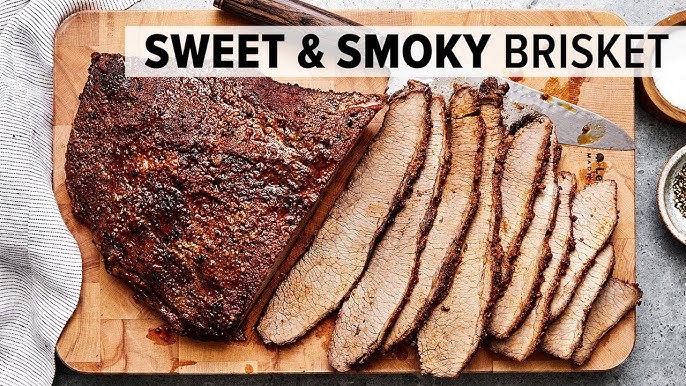
Brisket Rub Recipe: If brisket were a novel, the rub would be its opening chapter—setting the tone, hinting at the flavor journey ahead, and making you eager for more. A brisket rub is a carefully crafted blend of spices, herbs, and seasonings applied directly to the meat before cooking. Its job is to create a flavorful crust, enhance the meat’s natural juices, and help lock in tenderness. Without it, brisket can feel a little… naked.
A great rub doesn’t just season the surface—it builds depth, combining salt to draw out moisture, sugar to caramelize, and spices to awaken every bite. For anyone serious about barbecue, learning to make your own brisket rub is like unlocking a secret family recipe.
But here’s the good news: crafting a brisket rub isn’t rocket science. It’s about understanding the balance between flavor elements and applying them with purpose. In this guide, we’ll break down everything from the must-have ingredients to the exact steps of application, ensuring your next brisket is worthy of applause (or at least second helpings).
Why a Good Rub Matters for Brisket
Think of brisket as a canvas and your rub as the paint. Sure, the meat itself has character, but the rub is what turns it into a masterpiece. Brisket is a tough cut—full of connective tissue that needs hours of slow cooking to break down. During that long process, the rub forms a “bark,” a flavorful crust that’s both visually stunning and mouthwateringly delicious.
A well-balanced rub:
- Enhances flavor – Salt penetrates deep, while spices create complex layers.
- Improves texture – Sugar caramelizes, forming a crisp exterior.
- Locks in moisture – The seasoning helps create a seal, keeping juices inside.
Neglecting the rub is like baking bread without yeast—it just won’t rise to the occasion. Whether you like a peppery Texas-style rub or a sweeter Kansas City profile, the principle is the same: your rub should complement, not overpower, the meat.
The Role of Spices in Meat Preparation
Spices are more than flavor boosters—they’re tiny chemical magicians. When you rub spices onto meat, you’re initiating a transformation. Salt begins drawing moisture to the surface, where it mingles with the seasoning to create a natural marinade. Pepper brings sharpness; paprika offers smokiness and color; garlic powder adds depth.
Heat transforms these spices even further. Paprika darkens, sugar caramelizes, and pepper mellows. This flavor evolution means your brisket’s taste changes from raw preparation to the final slice, offering complexity in every bite.
To put it simply: without spices, brisket would be bland and one-dimensional. With them, it becomes a layered, savory story your taste buds will remember.
Understanding the Basics of Brisket
Before we get our hands dusty with spices, let’s understand the star of the show. Brisket comes from the lower chest of the cow—a hardworking muscle that supports about 60% of the animal’s weight. This makes it tough, but also incredibly flavorful when cooked low and slow.
Brisket comes in two main sections:
- Flat Cut (First Cut) – Leaner, great for slicing.
- Point Cut (Second Cut) – Fattier, more marbled, and ideal for shredded beef.
The right rub works with both cuts, but knowing your choice helps you adjust the seasoning. For example, leaner cuts benefit from a slightly higher fat or sugar content in the rub to help with moisture retention.
Choosing the Right Cut for Smoking or Roasting
Selecting the right brisket is step one to a memorable BBQ. If you’re smoking, the whole packer brisket—both flat and point—is often preferred. The fat from the point keeps the meat moist over the long cooking hours.
For oven roasting, the flat cut is often easier to handle and slice. It has less fat but still enough marbling for flavor.
When buying brisket:
- Look for good marbling – Thin veins of fat mean more flavor.
- Avoid too much external fat – A thick fat cap can block seasoning penetration.
- Consider weight – Briskets shrink during cooking; a 12-pound raw brisket may yield around 7 pounds cooked.
By pairing the right cut with the perfect rub, you set yourself up for success before you even light the grill or preheat the oven.
Key Ingredients for the Perfect Brisket Rub
Crafting the perfect brisket rub is like composing a great song—every note matters. The magic lies in balancing flavors so each spice complements the others without dominating. While you can buy pre-made rubs, making your own lets you fine-tune the taste exactly to your liking.
Essential components include:
- Salt – The foundation of any rub. Kosher salt is preferred for its coarse texture, which distributes evenly and penetrates the meat slowly.
- Black Pepper – Freshly cracked for bold, slightly spicy notes. In Texas-style BBQ, it’s almost equal parts with salt.
- Paprika – Sweet or smoked, it adds color and subtle depth.
- Garlic Powder – Delivers savory richness.
- Onion Powder – Rounds out the base with a mild sweetness.
For a little more character:
- Brown Sugar – Balances saltiness and helps create a caramelized crust.
- Cayenne Pepper – Brings the heat; adjust to taste.
- Mustard Powder – Adds a tangy complexity.
- Dried Herbs – Thyme, oregano, or rosemary can add earthy undertones.
Remember, quality matters. Fresh spices have more punch, and even small changes—like switching from smoked to sweet paprika—can shift the rub’s personality.
Balancing Sweet, Savory, and Heat
Think of your rub as a flavor triangle: sweet, savory, and heat are its three points. The goal is to keep them balanced so no single element overwhelms the others.
- Sweetness (from brown sugar, honey powder, or maple sugar) softens spice heat and helps form a beautiful bark. But too much sugar can burn, especially during long smokes.
- Savory depth (from garlic, onion, herbs, and salt) enhances the meat’s natural umami.
- Heat (from black pepper, cayenne, chili powder) wakes up the palate without making every bite feel like a dare.
Adjusting the proportions lets you customize your rub for the occasion. For family gatherings, you might keep the heat low. For competition BBQ, you might push it for a bold first impression.
Optional Ingredients for Extra Flavor
Once you’ve nailed the basics, you can experiment with signature touches that make your brisket memorable.
- Coffee Grounds – Adds a rich, earthy bitterness that pairs beautifully with smoky flavors.
- Cocoa Powder – Not sweet, but it adds a deep, complex base note.
- Citrus Zest – Brightens the profile, especially for oven-roasted brisket.
- Celery Seed – Gives a subtle tang reminiscent of old-school deli meats.
- Smoked Salt – Adds smokiness without a smoker.
Optional ingredients aren’t just about being fancy—they help you create a personal brand of brisket. If friends taste your rub and immediately say, “This must be yours,” you’ve succeeded.
Step-by-Step Guide to Making Brisket Rub
Here’s how to create your brisket rub from scratch:
- Measure Precisely – A digital kitchen scale or measuring spoons ensure consistent results every time. Even small changes in salt or sugar can alter the balance.
- Mix Thoroughly – Use a large bowl and whisk to combine the ingredients evenly. This prevents clumps and ensures every pinch tastes the same.
- Taste Test Dry – Yes, it’s a bit salty raw, but you’ll be able to detect balance and make adjustments.
- Store Properly – Keep in an airtight jar away from light and heat. A pantry shelf is perfect; avoid leaving it near the stove.
Example Basic Brisket Rub Recipe:
- 2 tbsp kosher salt
- 2 tbsp coarse black pepper
- 1 tbsp smoked paprika
- 1 tbsp brown sugar
- 1 tsp garlic powder
- 1 tsp onion powder
- ½ tsp cayenne pepper
This makes enough for a medium brisket, but you can scale it up. The beauty is that you can tweak ratios to suit your taste buds.
How to Apply Brisket Rub Properly
Applying the rub is just as important as making it. Done wrong, it can result in uneven flavor or a patchy bark.
Steps for perfect application:
- Trim the Fat – Leave about ¼ inch of fat cap to protect the meat, but remove any thick layers that will prevent seasoning penetration.
- Pat Dry – Moisture can dilute the rub and cause clumping. Use paper towels to dry the brisket thoroughly.
- Binder (Optional) – Some use mustard, olive oil, or even Worcestershire sauce as a “glue” for the rub. This doesn’t add much flavor but helps the seasoning stick.
- Season Generously – Don’t be shy. A large cut like brisket can handle more seasoning than you think. Apply evenly on all sides, including the edges.
- Rest Before Cooking – Let the seasoned brisket sit for at least 30 minutes at room temperature, or refrigerate overnight for deeper flavor absorption.
A properly applied rub not only enhances flavor but also sets the stage for a beautiful, evenly textured bark during cooking.
Best Cooking Methods for Rubbed Brisket
Once your brisket is seasoned to perfection, the cooking method you choose can make or break the final result. Different techniques bring out different qualities in the meat and the rub.
1. Smoking – The gold standard for brisket lovers. Smoking slowly at low temperatures (around 225°F) allows the rub to mingle with the meat’s natural juices while developing a deep, smoky bark. Hardwood varieties like oak, hickory, or mesquite add layers of complexity to the flavor. Expect cooking times of 1–1.5 hours per pound.
2. Oven Roasting – A great option if you don’t have a smoker. Wrap your seasoned brisket in foil or place it in a roasting pan to retain moisture. Low-and-slow oven cooking still delivers tender meat, though you’ll miss out on the full smoke profile. To mimic smoke flavor, use smoked paprika in your rub or a small amount of liquid smoke.
3. Slow Cooking – Perfect for busy days. The rub’s flavors penetrate deeply over 8–10 hours on low. While you won’t get a crispy bark, you’ll enjoy melt-in-your-mouth tenderness. Slow cookers are especially good for smaller brisket cuts or point pieces for shredded beef sandwiches.
Common Mistakes to Avoid
Even the best rub can’t save a brisket from certain missteps. Avoid these pitfalls to ensure your effort pays off:
- Overpowering the Meat – Too much salt or spice can overwhelm brisket’s natural flavor. Balance is key.
- Skipping the Rest Time – Rushing to slice your brisket right after cooking will cause juices to spill out. Always rest it for at least 30–60 minutes.
- Cooking Too Hot – High heat can burn the sugar in your rub, resulting in bitterness and an unpleasant crust.
- Not Trimming Properly – Excess fat can block seasoning from reaching the meat.
- Uneven Seasoning – Missing spots means some bites will be bland while others are overpowering.
Think of brisket as a long game—patience and attention to detail always win.
Pairing Brisket with Sides and Sauces
A great brisket deserves equally great companions. The richness of brisket pairs beautifully with sides that offer contrast in texture and flavor.
Classic BBQ Sides:
- Coleslaw – Crunchy and tangy to cut through the richness.
- Baked Beans – Sweet and smoky for harmony with the rub.
- Cornbread – Soft, slightly sweet, and perfect for soaking up juices.
- Potato Salad – Creamy and cool to balance spice.
Sauce Options:
- Texas-Style – Thin, peppery, and vinegar-based to complement a bold rub.
- Kansas City-Style – Thick, sweet, and tomato-based for a crowd-pleasing finish.
- Carolina Mustard – Tangy and bright, ideal for cutting through fatty bites.
Matching sides and sauces isn’t just about taste—it’s about creating a full dining experience.
Tips from Pitmasters
BBQ experts have spent years perfecting their brisket game, and they’re often willing to share a few golden nuggets of wisdom:
- Layer Flavors – Some pitmasters apply a light base rub the night before and a second layer just before cooking.
- Don’t Keep Peeking – Every time you open your smoker, you lose heat and extend cooking time.
- Test for Tenderness – Instead of relying solely on temperature, use the “probe test”: a thermometer should slide into the meat like butter when it’s done.
- Use a Water Pan – In smokers, this helps maintain humidity, preventing the rub from drying out prematurely.
- Rest Longer Than You Think – Some swear by resting brisket for up to 2 hours in an insulated cooler to let flavors settle.
These small details can elevate your brisket from “good” to “competition worthy.”
Storing and Reusing Brisket Rub
One of the best parts of making your own rub is that you can prepare it in bulk. Proper storage ensures it’s ready for your next BBQ session without losing potency.
Shelf Life:
- Homemade rubs generally last 6–12 months if stored properly.
- The biggest enemies are moisture, light, and heat.
Storage Tips:
- Use airtight containers or glass jars with tight lids.
- Keep them in a cool, dark place—never near the stove or in direct sunlight.
- Label jars with the date so you know when to refresh the mix.
Reusing Rub:
- If you’ve touched raw meat with a spoon or measuring cup, don’t return unused rub to the container—it can cause bacterial growth. Instead, scoop out what you need beforehand.
With good storage habits, you can always have your signature brisket rub ready to go.
Variations of Brisket Rub
Once you’ve mastered the basics, it’s time to experiment. Different brisket rub variations cater to different regions, preferences, and cooking styles.
Texas-Style Rub
This is the purist’s choice—simple, bold, and focused on letting the beef shine. Usually, it’s just a 50/50 mix of coarse black pepper and kosher salt, with maybe a pinch of garlic powder. Perfect for long smoking sessions where the meat’s flavor is the star.
Sweet & Spicy Rub
Great for backyard BBQs where you want that addictive sweet-heat kick. Brown sugar and paprika bring the sweetness, while cayenne and chili powder keep things lively. This variation creates a dark, caramelized bark that’s both beautiful and flavorful.
Herb-Infused Rub
Perfect for oven-roasted brisket or holiday feasts. Incorporate rosemary, thyme, and oregano for an aromatic twist. These herbs pair well with a little lemon zest or cracked fennel seeds for a more sophisticated flavor profile.
The beauty of these variations is flexibility—once you know the rules, you can break them to create a signature blend.
Health Considerations
Barbecue isn’t exactly diet food, but with a few tweaks, your brisket rub can be healthier without sacrificing flavor.
Reducing Sodium
Salt is essential for seasoning meat, but too much can push daily sodium intake over the limit. Try cutting the salt by 25% and adding flavor with garlic powder, onion powder, or herbs. You can also use potassium-based salt substitutes if necessary.
Using Natural Sweeteners
Instead of refined white sugar, experiment with coconut sugar, maple sugar, or honey powder. They not only add sweetness but also bring subtle caramel and molasses notes.
Avoiding Additives
Making rubs at home means you skip anti-caking agents and preservatives found in some store-bought blends. Fresh, whole spices are not only tastier—they’re cleaner.
By making small changes, you can keep your brisket rub delicious and better aligned with your health goals.
Brisket Rub for Other Meats
A good rub shouldn’t be limited to brisket—it can work wonders on other proteins too.
Pork
Sweet rubs with applewood-smoked paprika, brown sugar, and a touch of cinnamon complement pork shoulder or ribs beautifully.
Chicken
Dial down the sugar to prevent burning and add herbs like thyme and sage. The result is a golden, flavorful skin with juicy meat beneath.
Lamb
Earthy spices like cumin, coriander, and rosemary pair perfectly with lamb’s natural richness. Add a hint of lemon zest to brighten the flavor.
By adapting your brisket rub to different meats, you get more mileage from your spice blend and expand your BBQ repertoire.
FAQs about Brisket Rub Recipe
1. Can I make brisket rub ahead of time?
Yes—store it in an airtight container for up to 12 months, away from light and moisture.
2. How long should I let the rub sit on the brisket?
At least 30 minutes at room temperature, but overnight in the fridge gives deeper flavor.
3. What’s the best sugar for brisket rub?
Brown sugar is classic for its molasses notes, but turbinado sugar resists burning better.
4. Can I use brisket rub for vegetarian dishes?
Absolutely—try it on grilled mushrooms, roasted potatoes, or cauliflower steaks.
5. How do I make my brisket rub spicier?
Increase cayenne or add chipotle powder for a smoky heat kick.
Conclusion
The perfect brisket rub isn’t just about mixing spices—it’s about understanding flavor balance, knowing your meat, and applying your seasoning with care. From the first sprinkle to the final slice, every step shapes the final taste and texture.
By starting with quality ingredients, adjusting for your preferred sweet-savory-heat balance, and mastering your cooking method, you can turn an ordinary brisket into a show-stopping centerpiece. And once you’ve nailed your signature blend, every BBQ becomes an opportunity to share a little of your culinary personality with the people you feed.
So fire up the smoker, grab your spices, and let your brisket journey begin.