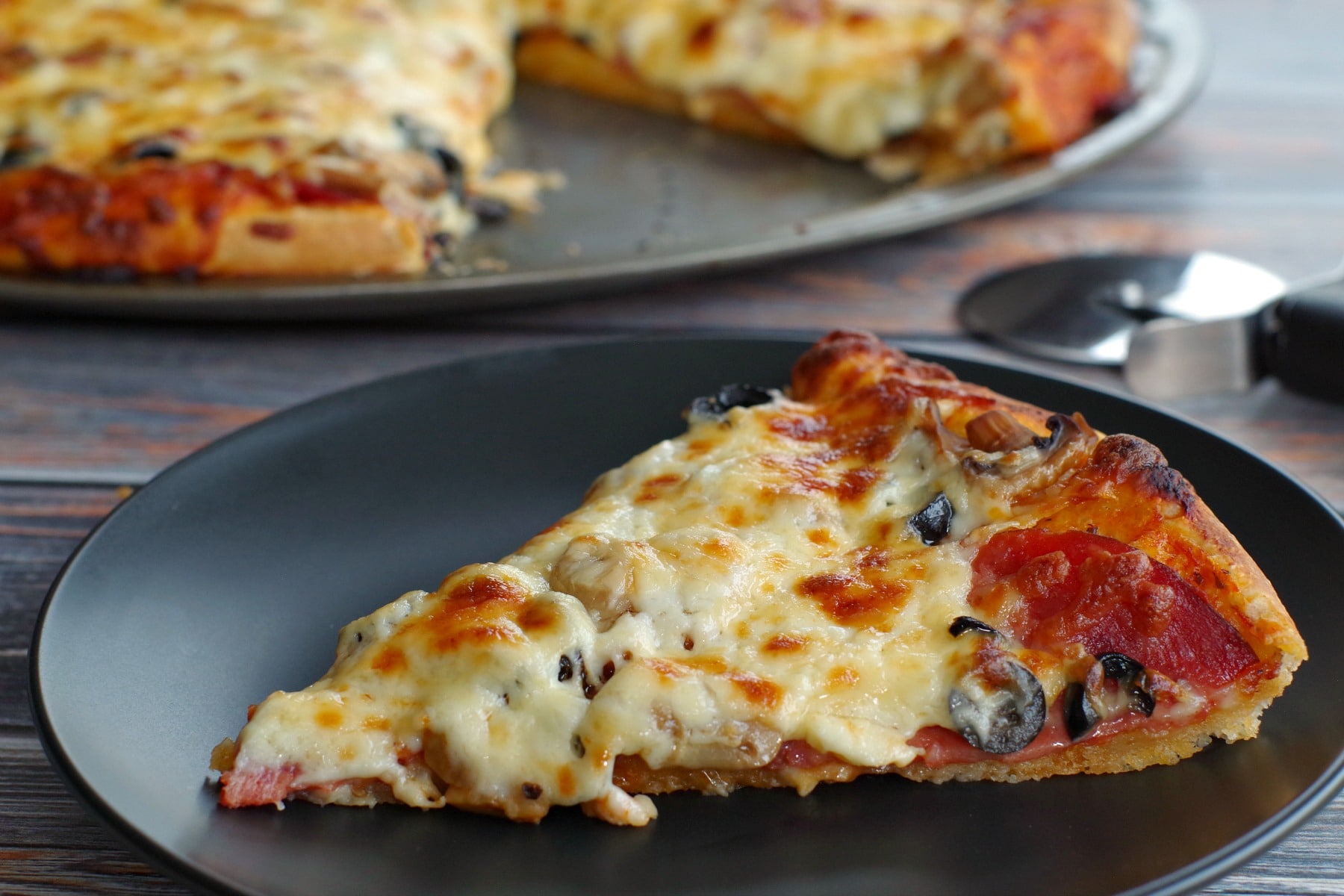
Bread Machine Pizza Dough Recipe: Few kitchen tools simplify baking like a bread machine, and when it comes to creating perfect pizza dough, it becomes an incredibly powerful ally. With the right ingredients, a well-balanced recipe, and the automatic kneading cycle of a bread machine, we can create soft, elastic, restaurant-quality pizza dough right in our kitchen.
In this detailed guide, we walk through the complete process of making bread machine pizza dough, from choosing the best ingredients to shaping, baking, and storing the dough for later use. Whether preparing thin crust, hand-tossed, or deep-dish pizza, this method guarantees reliable results every time.
Why Use a Bread Machine for Pizza Dough
Making dough manually can be time-consuming and physically demanding. A bread machine eliminates guesswork by controlling kneading time, temperature, and resting periods automatically.
Key Advantages
- Consistent texture and elasticity
- Hands-free kneading process
- Perfect gluten development
- Reliable proofing environment
- Less cleanup compared to manual mixing
The bread machine performs the most important stage of dough preparation: developing gluten, which gives pizza dough its characteristic chewiness and stretch.
Essential Ingredients for Bread Machine Pizza Dough
The secret to exceptional pizza dough begins with simple but high-quality ingredients. Each component contributes to flavor, texture, and structure.
1. Bread Flour
Bread flour contains higher protein content, usually between 12–14%, which creates stronger gluten networks. This produces dough that stretches easily without tearing.
2. Warm Water
Water hydrates flour and activates yeast. The ideal temperature is 105–110°F (40–43°C) to encourage proper yeast activity.
3. Active Dry Yeast
Yeast is responsible for fermentation, allowing the dough to rise and develop flavor. Most bread machines accommodate active dry yeast or instant yeast.
4. Olive Oil
Olive oil enhances flavor while improving dough texture. It also helps create a soft interior and slightly crisp crust.
5. Sugar
A small amount of sugar feeds the yeast and promotes browning during baking.
6. Salt
Salt strengthens gluten and enhances overall flavor.
Bread Machine Pizza Dough Ingredient List
For one standard pizza dough batch:
- 1 cup warm water
- 2 ½ cups bread flour
- 2 tablespoons olive oil
- 1 teaspoon salt
- 1 teaspoon sugar
- 2 teaspoons active dry yeast
This combination produces one large pizza or two medium pizzas.
Step-by-Step Bread Machine Pizza Dough Preparation
Step 1 – Add Ingredients to the Bread Machine
Most machines require adding ingredients in a specific order. Typically:
- Warm water
- Olive oil
- Bread flour
- Sugar
- Salt
- Yeast placed on top
Keeping yeast separate from liquid until mixing begins ensures proper activation timing.
Step 2 – Select the Dough Cycle
Set the bread machine to “Dough Mode.”
This cycle usually lasts 60–90 minutes and includes:
- Mixing
- Kneading
- Initial rise
During this time, the machine develops elastic, well-hydrated dough.
Step 3 – Monitor Dough Consistency
After about 5 minutes of mixing, check the dough.
The ideal texture should be:
- Soft
- Slightly tacky
- Elastic
If the dough looks too dry, add 1 teaspoon of water at a time. If sticky, sprinkle a small amount of flour.
Step 4 – Allow the Dough Cycle to Finish
Once kneading and rising complete, the dough should double in size and feel airy when touched.
The gluten structure will now be fully developed and ready for shaping.
Step 5 – Remove and Rest the Dough
Transfer dough to a lightly floured surface.
Allow it to rest for 10 minutes. This relaxes gluten strands, making the dough easier to stretch.
Shaping Pizza Dough Like a Professional
Professional pizza makers avoid rolling pins whenever possible. Instead, we stretch dough by hand to preserve air pockets and natural texture.
Hand-Stretching Method
- Form the dough into a smooth ball.
- Press the center gently using fingertips.
- Rotate the dough while stretching outward.
- Leave the edges slightly thicker for the crust.
This technique creates a balanced pizza base with crisp edges and soft interior.
Best Oven Temperature for Pizza
High heat is crucial for authentic pizza results.
Recommended Temperature
- 475°F – 500°F (245°C – 260°C)
Preheat the oven for at least 20 minutes before baking.
If using a pizza stone, place it inside the oven during preheating.
Preparing the Pizza for Baking
Once the dough is stretched, transfer it onto parchment paper or a pizza peel.
Add toppings in layers:
- Pizza sauce
- Mozzarella cheese
- Proteins or vegetables
- Fresh herbs
Avoid overloading toppings, which can make the crust soggy.
Baking the Pizza
Bake pizza for 10–14 minutes, depending on thickness.
Signs of a perfectly baked pizza include:
- Golden brown crust
- Melted bubbling cheese
- Crispy bottom texture
Let the pizza rest 2–3 minutes before slicing to allow cheese to set.
Video Demonstration: Bread Machine Pizza Dough
For visual learners, watching the dough process helps understand texture, kneading stages, and shaping techniques.
A typical bread machine pizza dough video demonstrates:
- Ingredient loading
- Dough cycle progress
- Stretching methods
- Baking results
Video guides make it easier to replicate professional-level pizza at home.
Tips for Perfect Pizza Dough Every Time
Use High-Protein Flour
Higher protein means better gluten structure and improved dough elasticity.
Do Not Skip the Rest Period
Allowing dough to rest prevents shrinkage while stretching.
Avoid Too Much Flour
Excess flour can produce dense, dry crust.
Preheat the Oven Properly
Pizza requires extreme heat for the ideal balance of crisp and chew.
Flavor Enhancements for Pizza Dough
For more complex flavor profiles, we can enrich the dough with additional ingredients.
Garlic and Herb Dough
Add:
- ½ teaspoon garlic powder
- ½ teaspoon dried oregano
Whole Wheat Dough
Replace 25–30% of bread flour with whole wheat flour.
Cheese-Infused Dough
Mix ¼ cup grated Parmesan into the flour for a savory crust.
Storing Bread Machine Pizza Dough
Pizza dough stores well for future use.
Refrigeration
- Store in an airtight container
- Keeps fresh for up to 3 days
Cold fermentation improves flavor by allowing slow yeast development.
Freezing Pizza Dough
- Form dough into balls.
- Wrap tightly with plastic wrap.
- Store in freezer bags.
Frozen dough lasts up to 3 months.
To use, thaw overnight in the refrigerator and allow 30 minutes at room temperature before shaping.
Common Bread Machine Pizza Dough Problems
Dough Too Sticky
Cause: Too much water
Solution: Add small amounts of flour during kneading
Dough Too Dense
Cause: Too much flour or inactive yeast
Solution: Check yeast freshness and measure flour accurately.
Dough Not Rising
Cause: Water too hot or cold
Solution: Maintain 105–110°F yeast activation temperature
Creative Pizza Variations Using Bread Machine Dough
Once the dough base is mastered, countless pizza styles become possible.
Classic Margherita Pizza
- Tomato sauce
- Fresh mozzarella
- Basil leaves
- Olive oil drizzle
BBQ Chicken Pizza
- BBQ sauce
- Grilled chicken
- Red onions
- Mozzarella
Vegetarian Garden Pizza
- Bell peppers
- Mushrooms
- Spinach
- Red onion
Garlic Butter Crust Pizza
Brush edges with:
- Melted butter
- Garlic powder
- Parmesan cheese
This produces a flavorful, golden crust.
Why Homemade Bread Machine Pizza Dough Is Superior
Store-bought dough often contains preservatives and stabilizers that affect flavor and texture.
Homemade dough delivers:
- Fresh ingredients
- Customizable flavor
- Better elasticity
- Authentic pizza taste
With a bread machine handling the hard work, achieving restaurant-quality pizza at home becomes simple and reliable.
FAQs about Bread Machine Pizza Dough Recipe
1. Can I use all-purpose flour instead of bread flour for pizza dough?
Yes, you can use all-purpose flour if bread flour is not available. However, bread flour is recommended because it has a higher protein content, which helps develop stronger gluten. This results in a chewier and more elastic pizza crust. All-purpose flour will still work, but the dough may be slightly softer and less chewy.
2. Why is my bread machine pizza dough too sticky?
Sticky dough usually happens when there is too much water or humidity in the environment. If your dough feels overly sticky, gradually add a tablespoon of flour at a time while the machine is kneading. The dough should form a smooth ball that pulls slightly away from the sides of the pan.
3. Can I make pizza dough in a bread machine ahead of time?
Absolutely. After the dough cycle finishes, you can wrap the dough tightly in plastic wrap and store it in the refrigerator for up to 24 hours. This actually improves the flavor because the dough continues to ferment slowly.
4. Can I freeze bread machine pizza dough?
Yes, pizza dough freezes very well. After the dough cycle is complete, divide it into portions, wrap tightly, and store in an airtight freezer bag. It can be frozen for up to three months. When ready to use, thaw it in the refrigerator overnight.
5. Why didn’t my pizza dough rise properly?
Several factors can prevent proper rising. The most common reasons include expired yeast, water that is too hot or too cold, or incorrect ingredient measurements. Always check the freshness of your yeast and follow the recipe measurements carefully.
6. How thick should I roll pizza dough?
For a thin crust pizza, roll the dough to about ¼ inch thick. For a thicker, softer crust, roll it to around ½ inch thick. The thickness ultimately depends on your personal preference and the style of pizza you want to make. 🍕
Final Thoughts
Mastering bread machine pizza dough transforms homemade pizza from an occasional experiment into a consistent culinary success. By combining quality ingredients, proper hydration, and controlled kneading cycles, we can create perfectly textured dough every single time.
From classic thin crust pizzas to deep-dish favorites, this recipe adapts effortlessly to different styles while delivering exceptional flavor and structure.
Once experienced, homemade pizza made with bread machine dough quickly becomes a household staple and a favorite for family gatherings, weekend dinners, and special occasions.